

Introduction to Khachapuri
From the fluffy dough to the gooey filling, our resident perfectionist explores the best method to create Georgia’s iconic, indulgent cheese-stuffed bread.
The first time I encountered what is described as “perhaps the most iconic of all Georgian dishes” was in her London restaurant, Little Georgia, back when it was a small venue on Broadway Market. If “traditional cheesebread … baked to order” sounded appealing on the menu, the reality of khachapuri was even better: a golden round of fluffy, buttery bread spilling forth frills of hot, salty dairy onto the plate. This is the kind of fast food that passes for a staple in Georgia, according to Nino Tuskadze, which makes me feel as if we’ve been slightly short-changed.
Tuskadze explains in her writings that there are “as many variations … as there are families in Georgia” – including the boat-shaped, open adjaruli that Polina Chesnakova has “taken the internet by storm,” the megruli, and the penovani with hard-boiled eggs and a “supremely fluffy, slightly oniony, soufflé-like cheese filling,” which inspired Caroline Eden to share with readers of her book The Food and Cooking of Georgia the glorious Georgian word shemomechama, “which loosely translates as, ‘I accidentally ate the whole thing’.” Here, however, I will focus on what Chesnakova says is “by far the one most commonly consumed in Georgia itself,” and also the one that reminds Tuskadze most of home: imeruli khachapuri, originally from the west-central region of Imereti, which is “essentially a flat bread stuffed with buttery imeruli cheese curds and cooked on the stovetop.” Need I say more?
Dough Variations and Ingredients
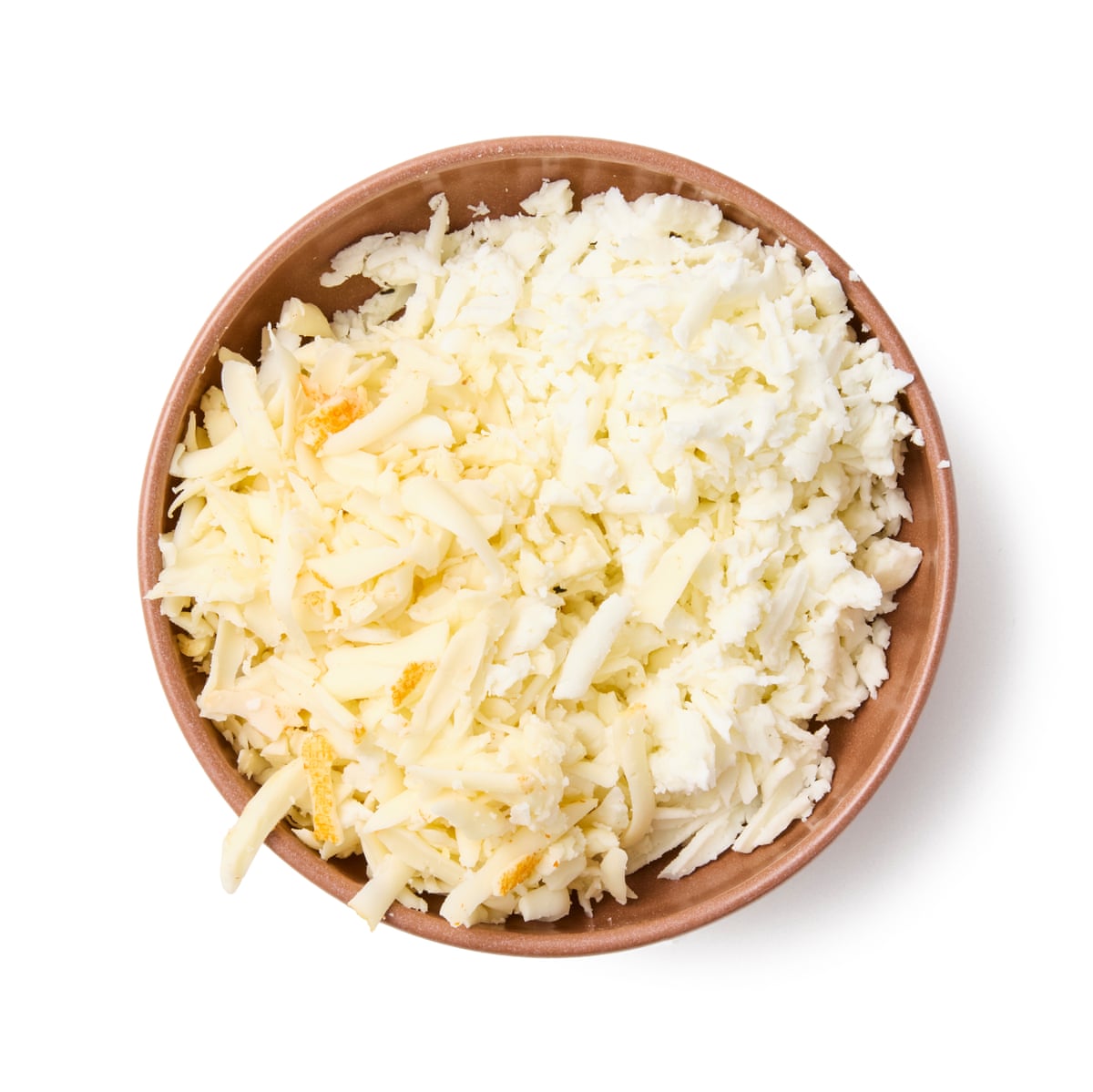
After noting that the shape and filling vary according to region, Darra Goldstein writes in her book The Georgian Feast that similarly “the dough can be yeasty with a thick crust, many-layered and flaky, or tender and cake-like,” but “at home, khachapuri is more often made without yeast, with baking soda (a European import) or yoghurt used to tenderise the dough.” Chesnakova describes “adajruli’s dough [as] … closer to that of pizza’s – with a satisfying crackle when you break off a piece – [while] imeruli’s is soft, tender, and melts in your mouth.”
I try Chesnakova’s recipe, which is easy enough to make but requires proving – it yields a pleasingly fluffy, almost pizza-like dough that’s quite different from Goldstein’s crisp, flaky pastry, which contains no raising agents whatsoever and reminds me of a savoury pithivier. Neli Guledani, whose recipe is featured in Rowe’s book The Eastern and Central European Kitchen, uses baking powder, while Tuskadze and Tasting Georgia author Darra Goldstein both use bicarbonate of soda, though Goldstein uses three times as much. The soft, fluffy results remind me both in texture and taste of Irish soda bread. All, I must stress, are delicious, but Tuskadze’s proves the most popular with my testers and me – tender and rich with yoghurt, butter, and egg yolk, it’s so soft that someone accuses me of using lard.
Because I have decided to follow this approach, there’s no need to invest in the strong bread flour recommended by Capalbo, because gluten formation isn’t the goal here. You could use Chesnakova’s soured cream in place of the yoghurt I’ve suggested, or swap in Tuskadze’s low-fat yoghurt, but I can’t see that it would make much difference to the end result. I also decide to omit the egg yolk and sunflower oil in her dough in favour of butter alone, simply to streamline the recipe for home cooks, and am happy to report it seems to have lost nothing in the simplification. Don’t forget to season it – some recipes also add a pinch of sugar, but this seems likely to be a hangover from older yeasted versions and isn’t, in my opinion, necessary. (Tuskadze also uses lemon salt, which I initially read as salt mixed with lemon zest, but now suspect could mean citric acid, or sour salt? Any more information welcome.)
The Filling
Having made attempts to emulate Little Georgia’s cheesebread before, I’m aware that the most difficult aspect for cooks outside the region is the filling. As Tuskadze explains,
“Because of the importation laws surrounding unpasteurised dairy products, it is impossible to find Imeretian cheese in the UK, and when I first arrived it took me a long time to find an alternative that I was happy with. The combination of feta and mozzarella used here combines to give a lovely salty flavour and melts into tantalising strings that reveal themselves when you cut into the bread.”
Impossible to find, perhaps (though sulguni, which also makes the occasional appearance, does seem to be available in the UK), but having done some research about this fresh curd cheese, which is usually eaten within a few days of production and thus tends to be made very locally or – historically at least – at home, I decide to make my own following a recipe from a Georgian home cook who posts in Russian. Though I don’t speak Russian, the automatic translation results in a surprisingly successful ball of moist, mildly flavoured, slightly salty white cheese that reminds me far more of the filling in Little Georgia’s khachapuri than the mozzarella and feta combination in Tuskadze’s recipe (which may well have something to do with the different types of mozzarella and feta used, though I do obey her specific instructions regarding pre-grated mozzarella – “the balls of mozzarella are too moist” – and “Turkish feta,” by which I suspect she means the creamier, slightly less salty beyaz peinir that’s sold in tins). However, asking you to start messing around with rennet, though fun, is not really in the remit of this column, plus my creation lacks the lactic tang described by many recipes, so having satisfied myself that it is possible, it’s still back to the drawing board.
Goldstein, like many US-based writers, recommends a mixture of two American European-inspired cheeses, muenster, an inoffensive semi-soft processed cheese, and havarti, another semi-soft cheese created and enjoyed in Denmark, but also made in great quantities in Wisconsin. Neither are widely available in the UK, but the latter can be bought from the ScandiKitchen on Great Titchfield Street in London, or Borough Market – following advice from homesick Americans online, I substitute Port Salut for the muenster, and find the texture and flavour of this combination melds better than the stringy dried mozzarella, which stays stubbornly separate from the salty feta.
Chesnakova also calls for mozzarella (though, conversely, she urges against using the flavourless pre-grated stuff, preferring instead to add a little flour, presumably to soak up the additional moisture) and feta, mixed with ricotta cheese, while Capalbo recommends an equal mix of cheddar, emmental, mozzarella and cottage cheese. Delicious, but much richer and cheesier in flavour than I think would be usual, while anything involving mozzarella cannot but help taste sweet and milky.
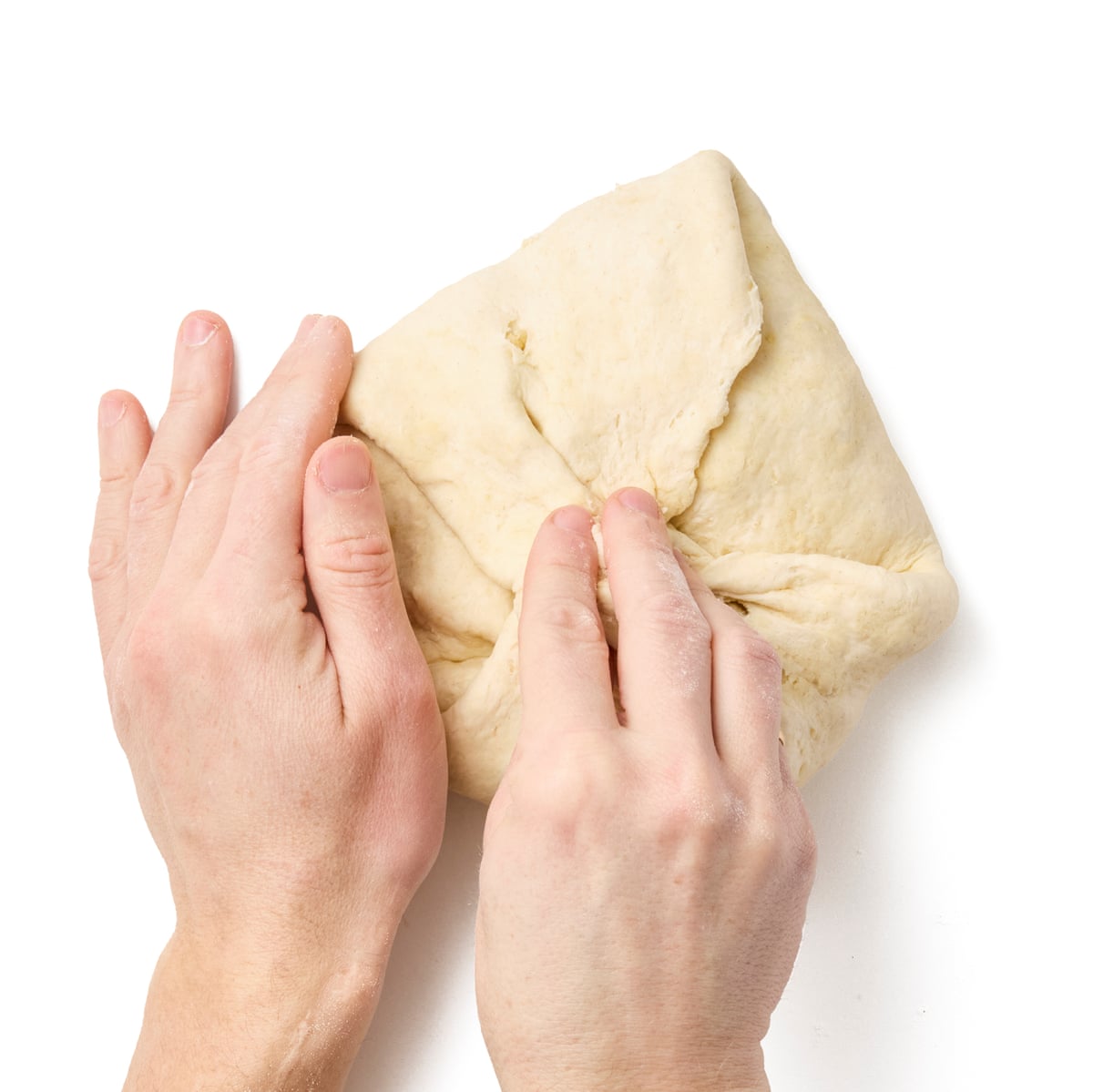
Working on the potentially ambitious assumption that my homemade cheese is fairly close to the original, if rather less expertly produced, I decide, after several trials with ramekins of different blends of molten cheese, to use grated halloumi for its bouncy texture and saltiness, mixed with the creamy, slightly tangy and obligingly melty Port Salut. Not an exact match, perhaps, but one that seems to come closer to the flavour of the Imeretian khachapuri I’ve eaten in Georgian restaurants than anything else I try.

Some recipes include an egg, or a beaten egg, in the filling. I haven’t, because I was wary of adding extra moisture and didn’t think the cheese needed any further enriching, but you might like to – equally, depending on your taste for salt, you may or may not like to season it further (I confess I do).
If you don’t eat or like cheese, you may be interested in lobiani, a bean-stuffed number that Eden says is her favourite Georgian bread; though it’s not vegan, it could easily be adapted if you are.
The Shaping and Cooking
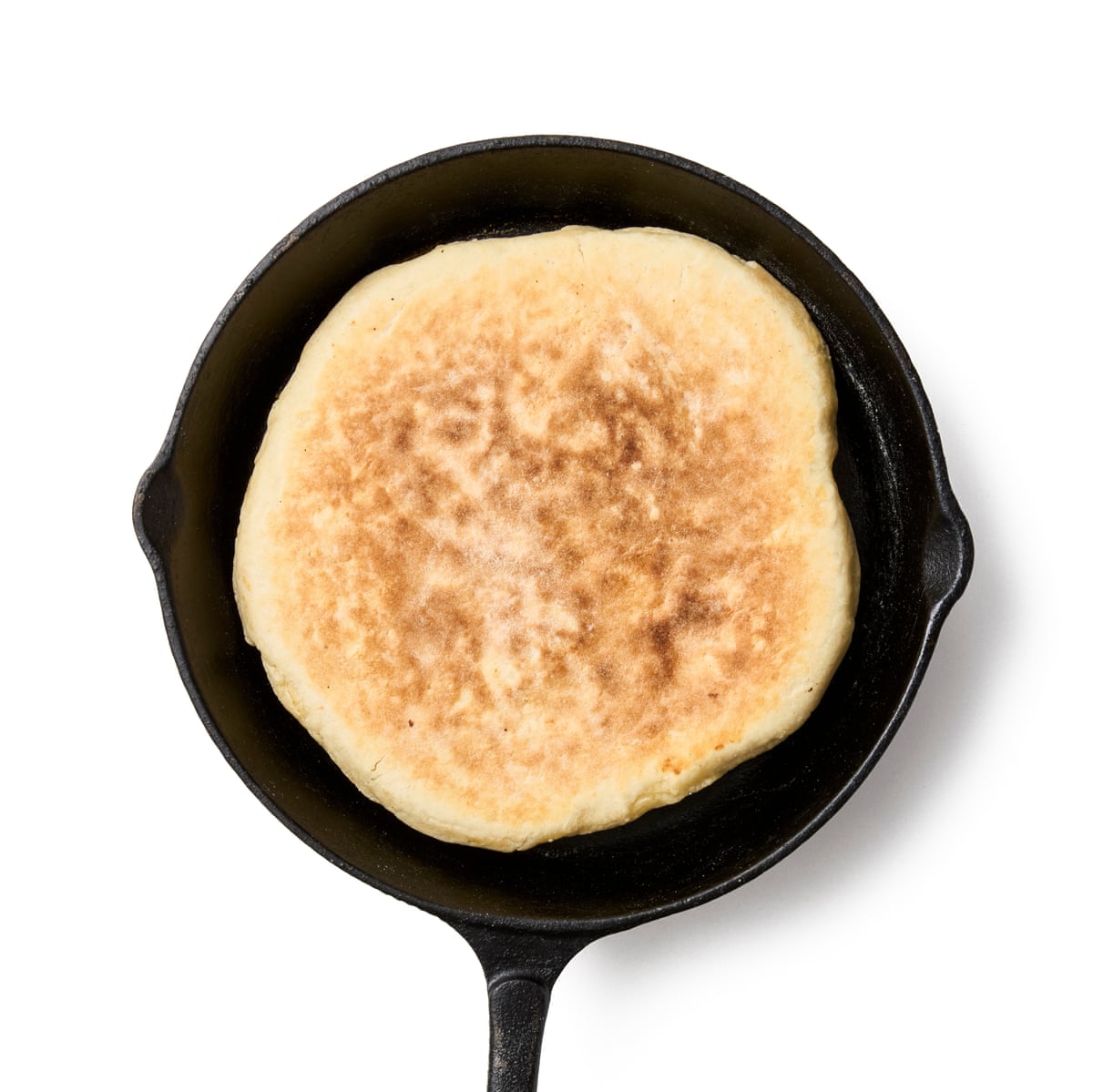
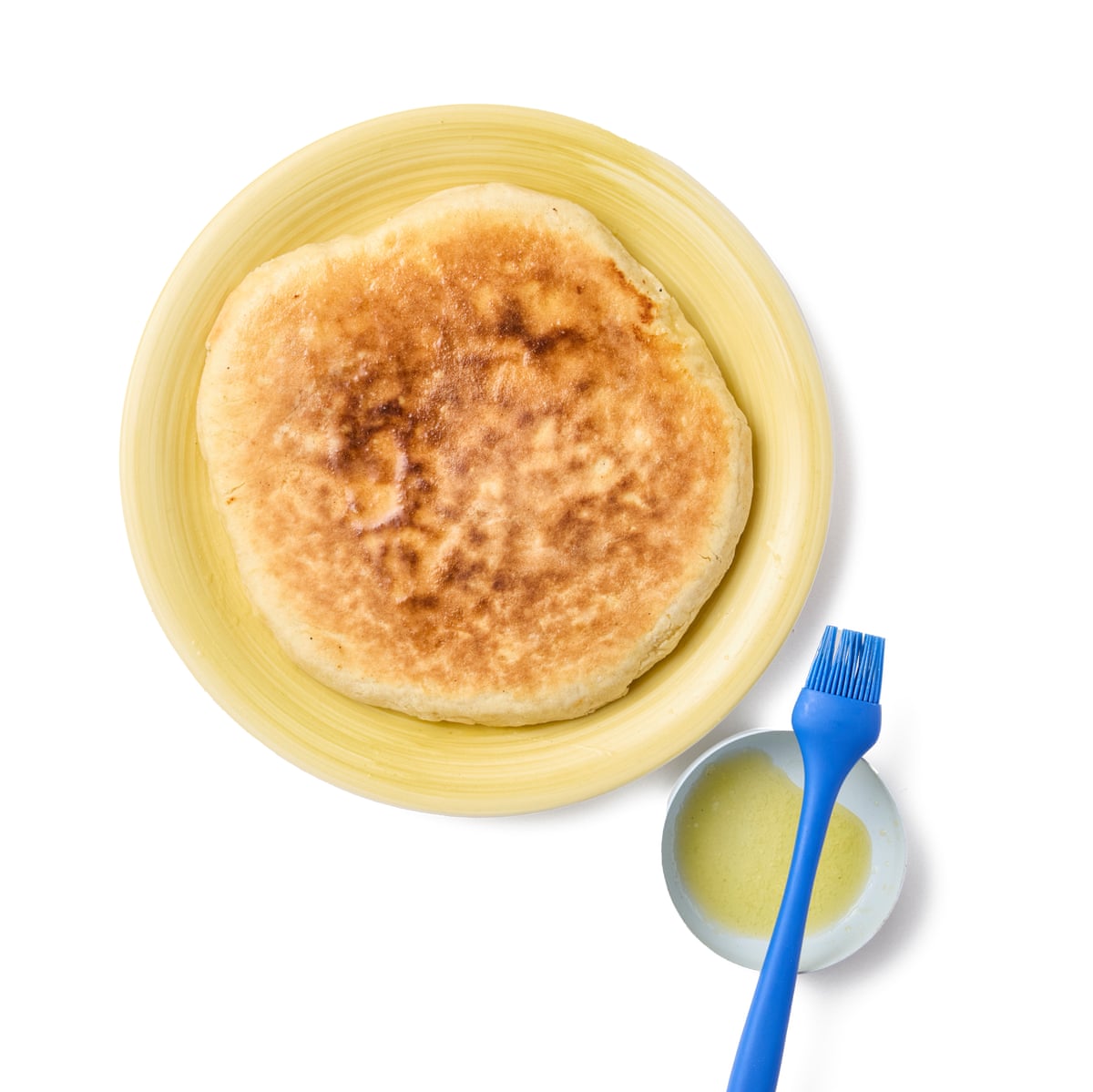
The soft and tender approach comes with a number of advantages, principal of which is the ease of execution. Having used a fairly low-protein plain flour and mixed the dough only until smooth, rather than kneading it to develop the gluten, the shaping process is simpler than one might imagine. Capalbo makes it into a square, folded like the back of an envelope, while Guledani shapes hers into a rectangular crimped pasty, but I find the more widespread method of making a huge dumpling, then flattening it out, both more straightforward and more satisfying. You can paint it with egg, if you like, for a better colour, but I think that makes it more difficult for the final gilding of the lily, a brush of melted butter, to sink in.
Khachapuri can be cooked in the oven or in a frying pan – the oven is more hands-off, because it doesn’t require you to turn the bread over halfway through, but the pan is quicker and probably more energy efficient, too. Once fried, I like to put it directly onto a hot baking sheet to crisp up the bottom, but, if it makes life easier, you can also bake it in a wide tin, about 23cm in diameter, as Tuskadze recommends.
Though khachapuri is nicest eaten hot and melty, it can be reheated fairly successfully in a hot pan.
Perfect Cheese Khachapuri Recipe
Prep: 20 min
Rest: 30 min
Cook: 15 min
Serves: 4-6
- 200g plain flour, plus extra for dusting
- ¼ tsp bicarbonate of soda
- ½ tsp salt
- 125g natural yoghurt – not strained/Greek
- 45g butter, melted and cooled, plus extra for greasing and to finish
- 100g cold Port Salut, or similar mild, creamy cheese
- 150g halloumi, grated
- Salt and pepper (optional)
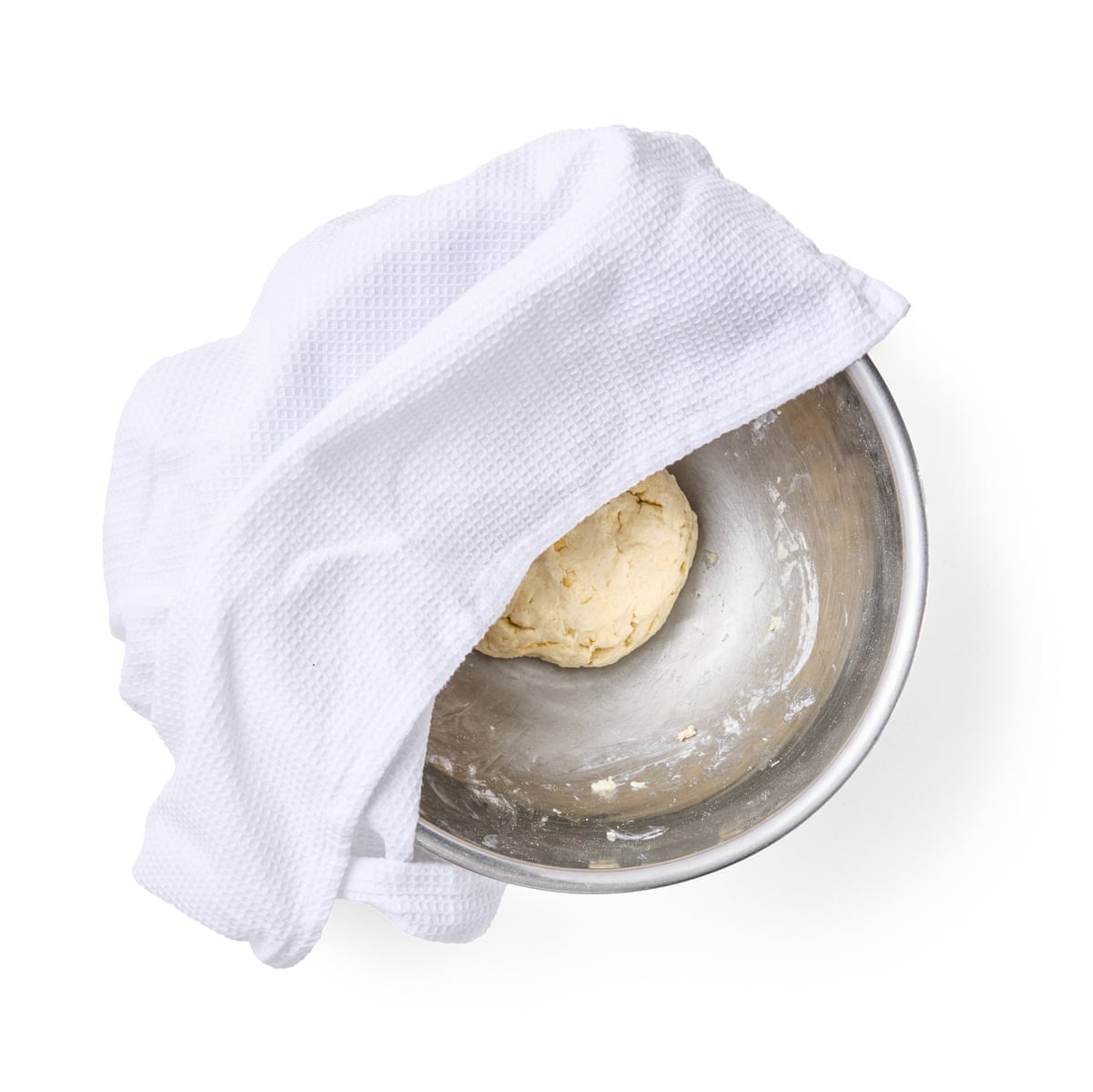
Sift the flour, bicarbonate of soda, and salt into a large bowl. Stir in the yoghurt and then the cooled butter, mixing until you have a smooth, damp but not too sticky dough. Cover and leave to rest for 30 minutes – it won’t rise, but this will make it easier to roll out.
Meanwhile, grate the cheeses – with the Port Salut (or similar), it will be easiest to do this if it’s cold from the fridge, though it will still be less amenable than the halloumi. Combine the grated cheeses and season lightly, if you wish. If you’re planning to bake the khachapuri in the oven, heat it and a lightly greased baking tray to 220°C (200°C fan)/425°F/gas 7.
Roll out the rested dough on a very lightly floured surface to a roughly ½cm-thick circle. Pile the grated cheeses in the centre, leaving a wide border all around the edge. Bring two opposite points of the circle together in the centre over and across the cheese, then pinch together. Repeat, bringing together more of the edges of the circle, until you end up with a large, firmly sealed cheese dumpling. Lightly flatten this to about 25-30cm in diameter, first with your hands and then a rolling pin. If you’re baking the khachapuri, cut a small air hole in the top.
To bake, slide onto the hot greased tray and put in the oven for about 15 minutes, until golden brown. If cooking it in a pan, put a frying pan on medium heat, then add the bread and leave to cook for about five minutes, until brown spots appear on the base. Carefully flip over (a plate will help here) and repeat on the other side. If the khachapuri begins to bulge, cut a small hole in the top to let out steam, but don’t do this until after you flip it or the cheese will begin to leak out.
Paint the top and sides with melted butter and serve hot.
Discussion
Khachapuri: which is your favourite variety, where serves the best version, and whose recipes do you recommend for recreating it at home? If you’re outside Georgia, which cheese makes the most effective substitute for the real deal – and can anyone offer any more tips for making your own?


