Rediscovering Community and Passion in Regional Victoria
Hospitality can often be challenging for workers, but in regional Victoria, I found a supportive community and rekindled a passion I thought was lost.
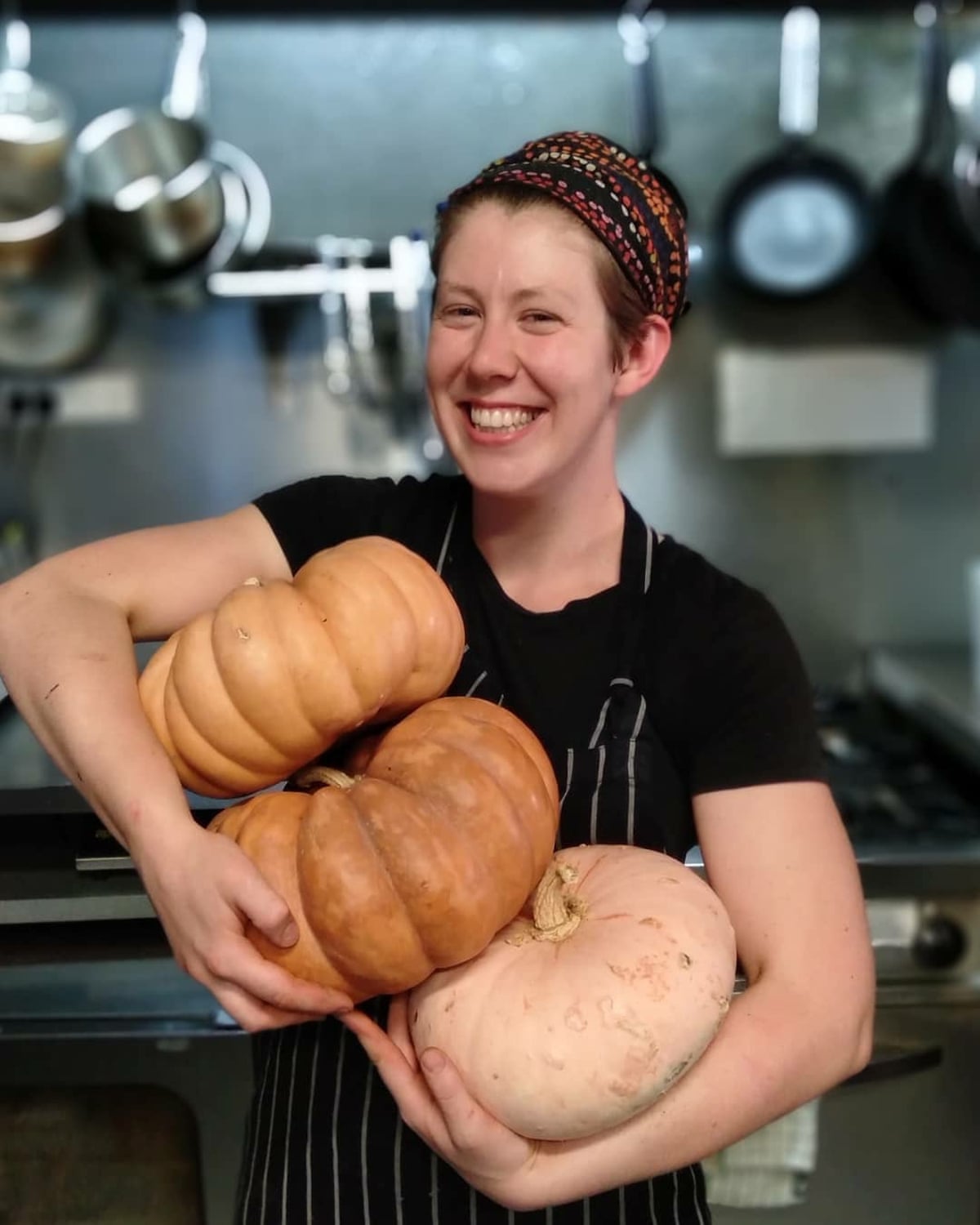
I was a keen 15-year-old when I secured my first job in a commercial kitchen in Canberra, fueled by a passion for food and a diet rich in diverse flavors. I eagerly embarked on an apprenticeship and enthusiastically applied my training during days off, preparing elaborate meals for friends and creating many dirty dishes in the process.
However, over time, my enthusiasm for the kitchen diminished due to a succession of toxic workplaces, bullying supervisors, and exhausting hours. Cooking for myself became more of a burden than a joy; I was more likely to eat cereal on the kitchen floor than engage in creative cooking that would dirty dishes.
Despite its name, the hospitality industry can be anything but hospitable to its workers, demanding significant sacrifices of time, energy, and passion.
There was no single incident that pushed me away from the kitchen; rather, it was a gradual erosion over a 12-year career. Ultimately, the pandemic forced a pause, allowing me to step back and gain perspective.
I realized I was profoundly unhappy with my lifestyle, but one clear truth remained:
"One kernel of truth shone through: I still loved food"
and I believed that the path to happiness would run through my stomach.
Seeking a New Connection to Food
I sought to rediscover my passion by exploring the food world beyond the kitchen, focusing on the land and its produce. I aimed to work directly with farmers, cheesemakers, market gardeners, bush food experts, and winemakers.
Wanting to escape the male-dominated environments of commercial kitchens, I sought out women who could teach me more about food. Gradually, I assembled a list of internships, starting with an artisan cheesemaker in New South Wales. While learning new skills was exciting, I craved further experiences.
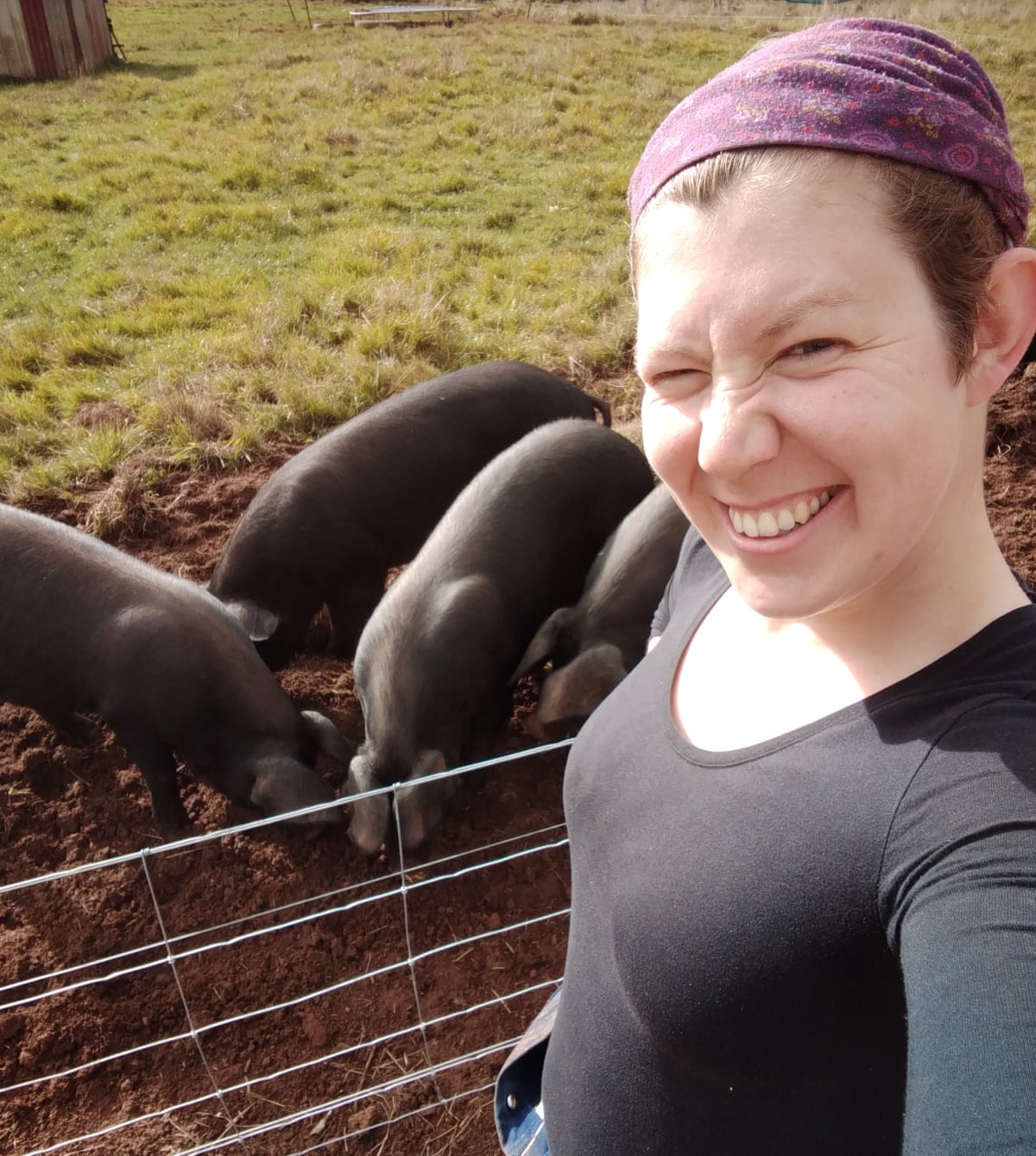
In 2021, my second internship took me to a pastured pig farm in regional Victoria: Jonai Farms and Meatsmiths. Here, pigs were raised outdoors in paddocks, free to express their natural behaviors. Butchery was conducted on-site, allowing me to learn both pig husbandry and carcass preparation for sale.

Upon arrival, I was shown my accommodation for the next two months: a converted shipping container outfitted simply with a bed, dresser, slow combustion stove, sink, and composting toilet. For showers and meals, I walked a few meters to the main house, which featured a spacious kitchen with a large stove, butcher’s block island, and cast iron pans hanging from hooks. Compared to the stainless steel, hard-edged kitchens I had worked in previously, with cramped cool rooms and no customer interaction, this farmhouse kitchen felt warm and expansive, centered around a long communal table.
Meals were organized on a rota among the farm’s residents: owners Tammi and Stuart and their teenager, fellow intern Mads, and two farm hands.
Despite being a pig farm, meals were often vegetable-based, reflecting a philosophy of eating better meat less frequently.
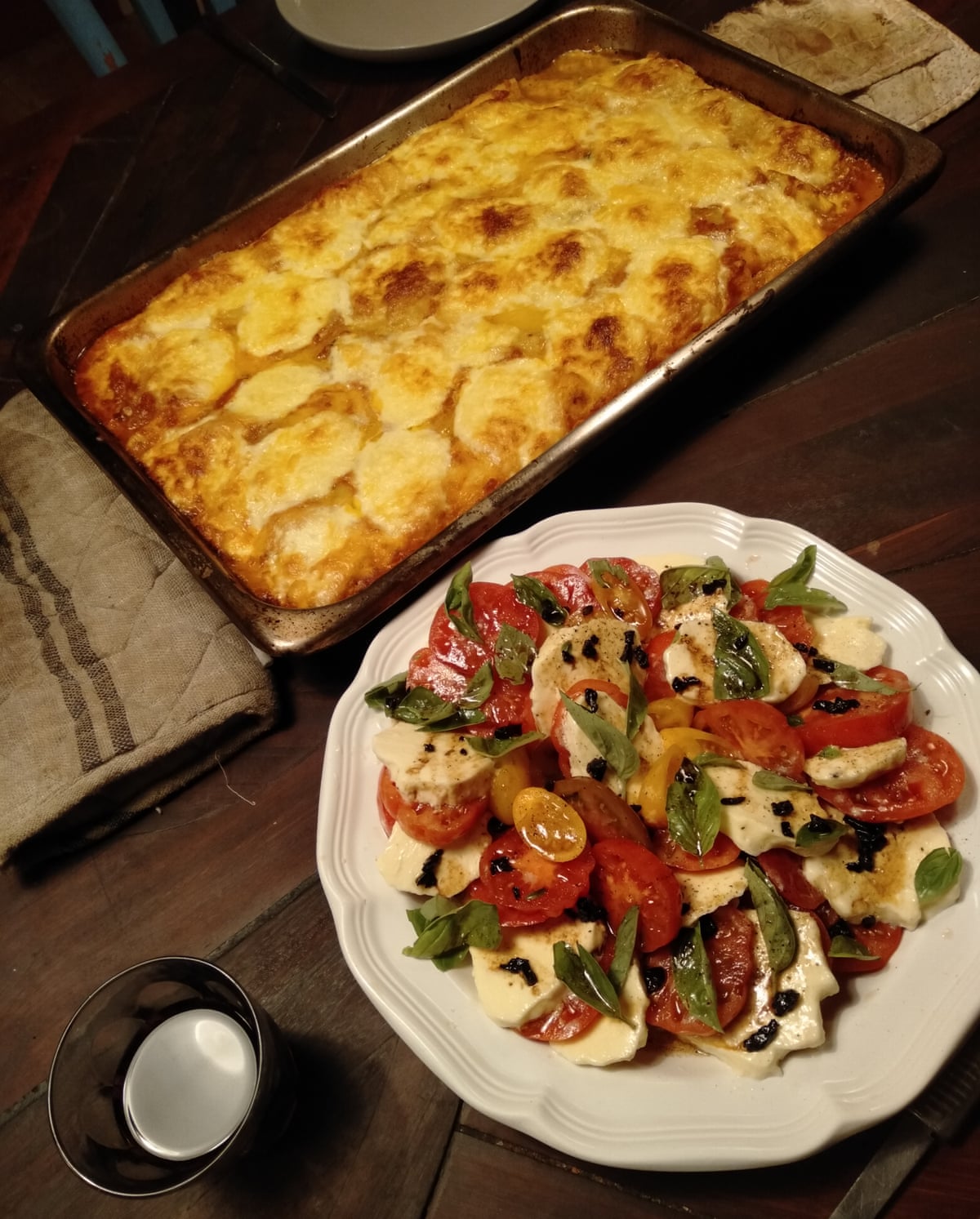
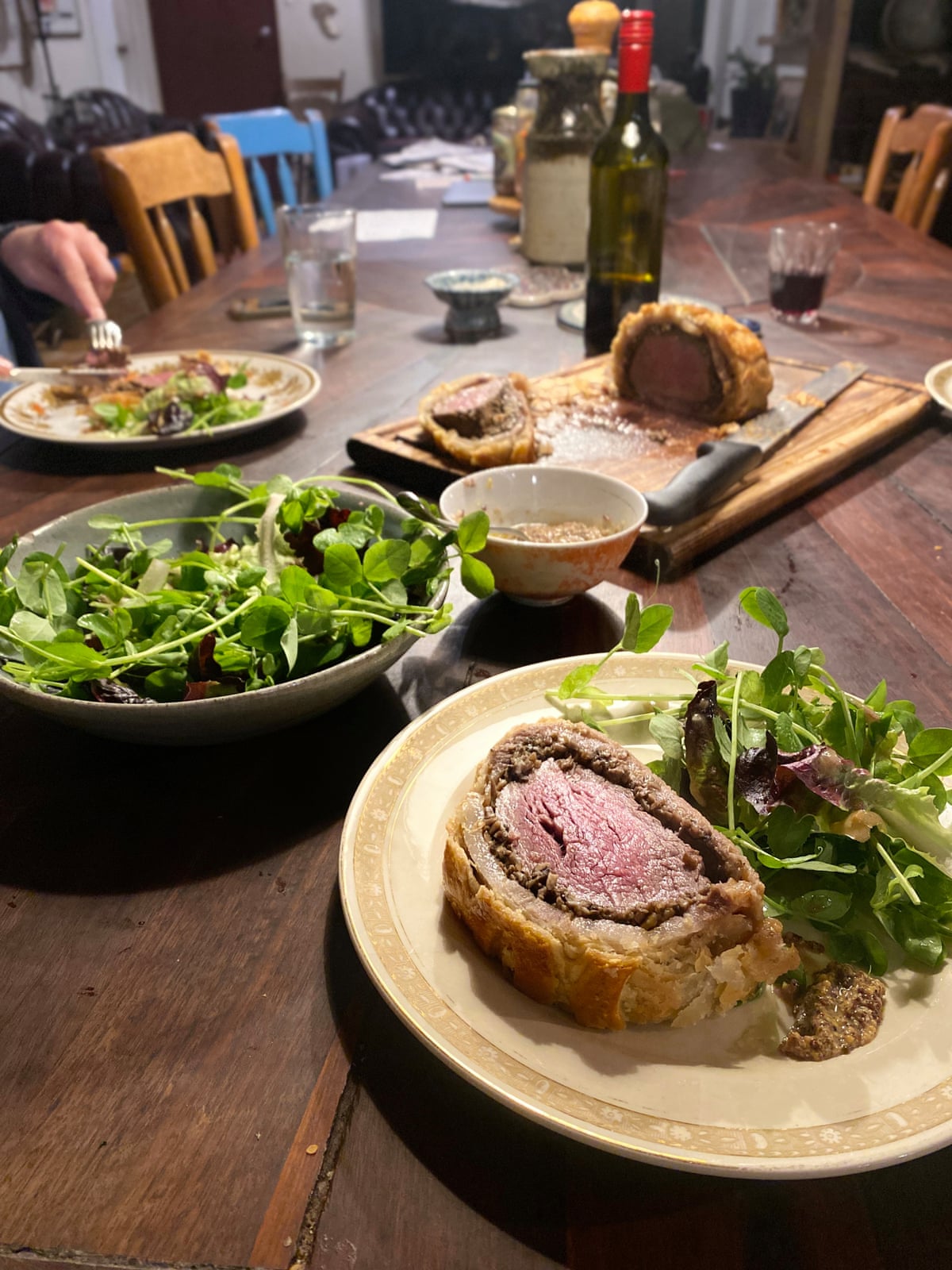
We cooked local pine mushrooms in generous amounts of butter and tossed them through pasta; lentil and vegetable soups warmed us on the coldest days. Meals were served family-style, with platters of glistening roast potatoes cooked in pork fat, homegrown bitter greens, and herbs passed around. The variety of homemade condiments was impressive, including kimchi, giardiniera, fermented garlic, and chili made from the annual harvest.
Desserts featured fresh cream from the resident dairy cow, and local wines and home-brewed beers were shared liberally and generously.
In restaurant kitchens, staff meals were often hurried and considered an inconvenience, with only a few stolen bites eaten behind the scenes. On the farm, eating together was an opportunity to connect. It felt like hosting a dinner party with friends every night, sharing nourishing food on a mismatched collection of vintage plates.
Finding Joy Through Community and Connection
I realized that part of why I had lost my love for cooking was the absence of community. Although several bosses had referred to employees as "a family," it never truly felt that way due to the constant busyness, stress, and overwork.
At Jonai, I was invigorated by the produce itself: tracing pork from paddock to plate and harvesting fresh vegetables from the garden. I felt connected and nourished. When it was my turn on the cooking rota, I eagerly returned to the kitchen.
I made fresh pasta, folded dumplings, dressed salads, and prepared puff pastry from scratch—a skill I had learned in kitchens but never practiced at home. The process was almost meditative: fold, roll, chill, fold, roll, chill. I slowly caramelized onions until they were dark and silky, and heated fresh milk from the house cow to make ricotta. Offcuts of the farm’s smoked bacon were sliced into lardons and pan-fried with Brussels sprouts. I carefully assembled a tart and baked it for dinner.
I recall the first time I served a customer something I had made from scratch: a muffin. I still remember the excitement I felt placing it on the table. Serving the onion tart at the pig farm, I experienced the same joy as that 15-year-old apprentice—proudly presenting a dish to friends. It felt like a homecoming.
About the Author
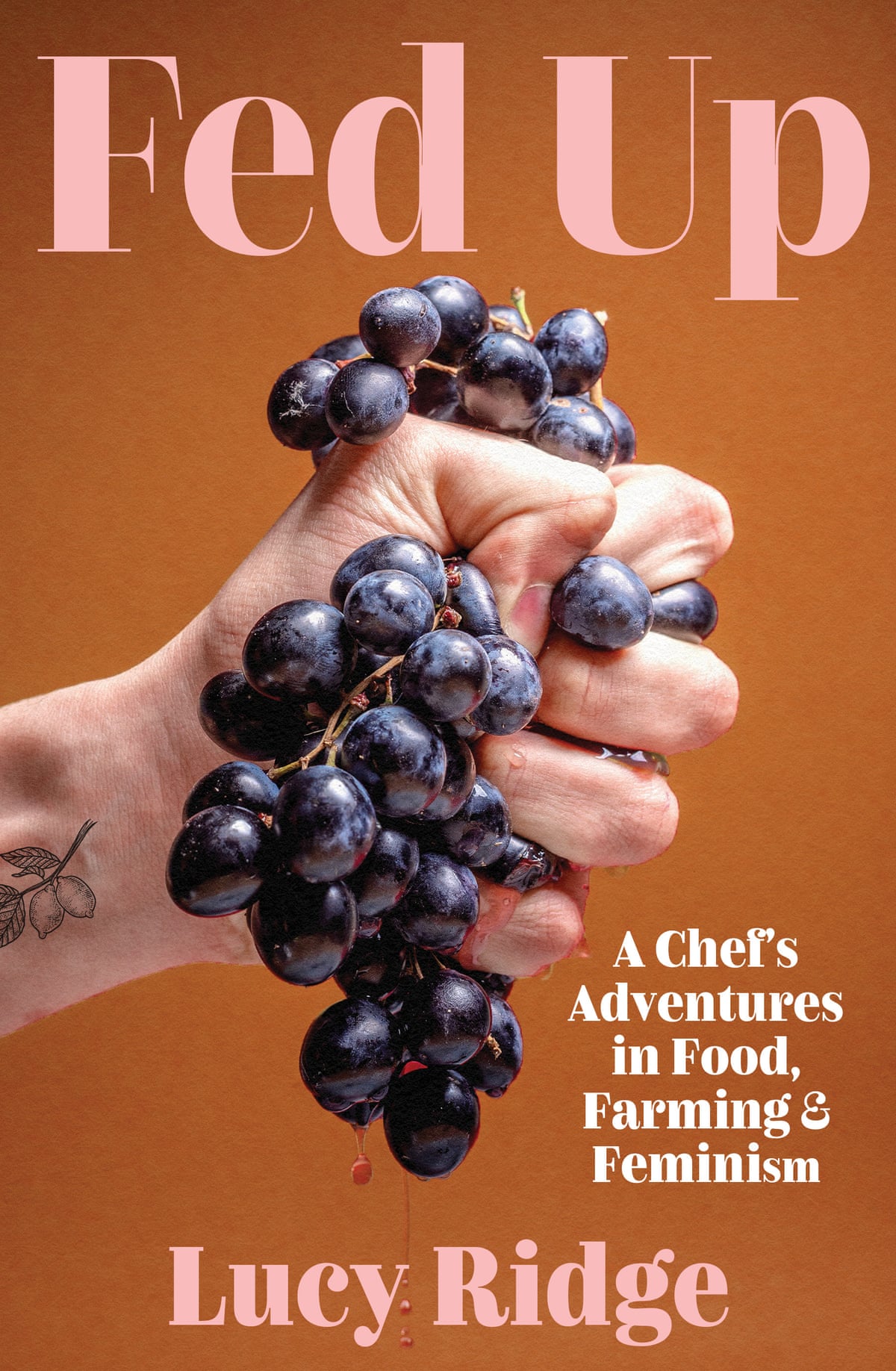
Lucy Ridge is the author of Fed Up, available now through Monash University Press (AU$36.99).