

Queues Form for Popular Iranian-Iraqi Cafe in East London
A queue extends down a street in east London, leading to Logma, a newly opened Iranian-Iraqi cafe in Hackney. The cafe has gained viral popularity for its sandwiches, which often sell out within an hour or two of opening.
Many customers are attracted by images they have seen on Instagram and begin queuing around noon during weekends.
Despite the sandwiches being the most popular menu item, the owners admit the sandwiches were "kind of a mistake" that arose from their decision to open before having plates or cutlery available.
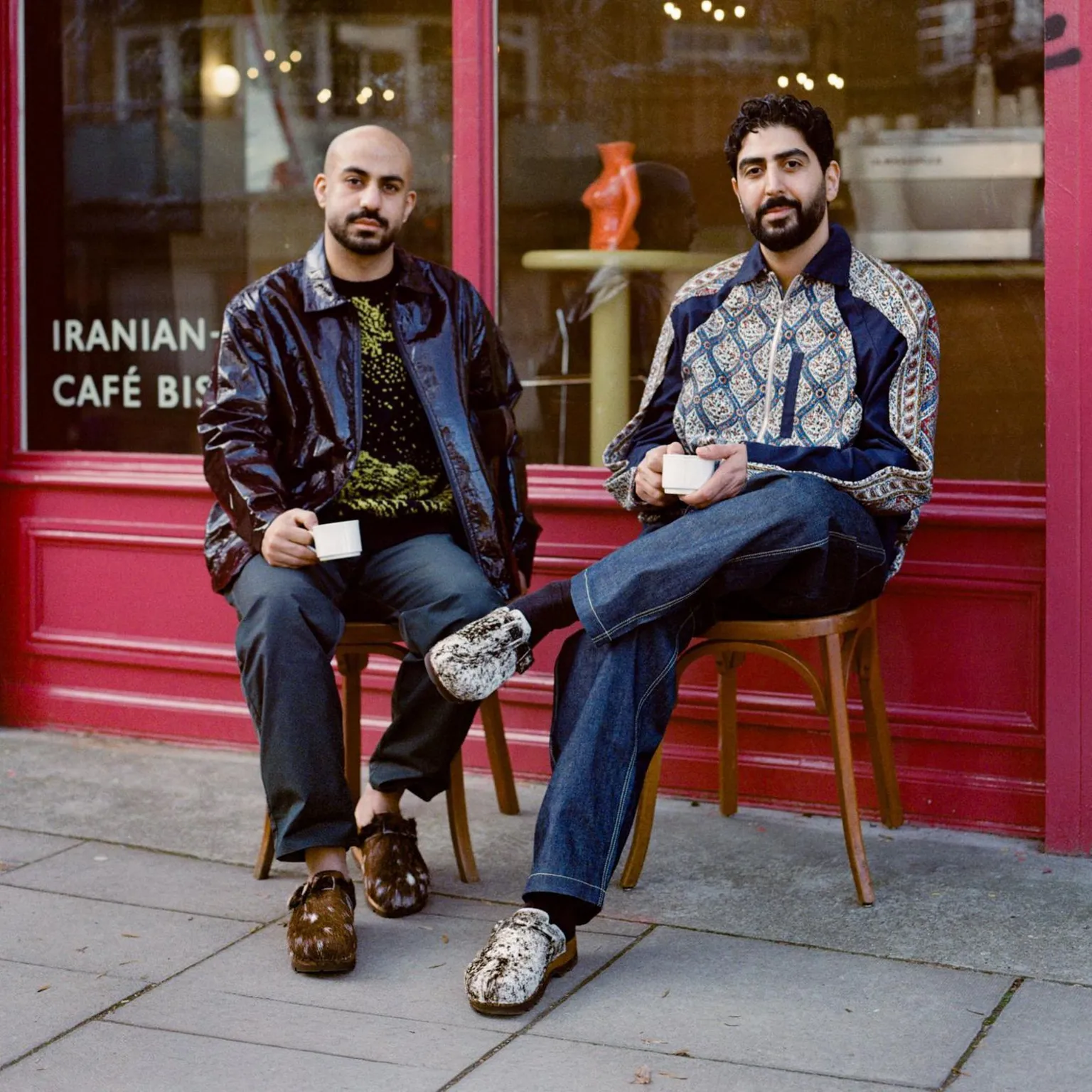
Couple Ziad Halub and Farsin Rabiee previously ran a successful series of sold-out supper clubs in London before launching Logma, just days before protests erupted in Iran and spread nationwide.
Rabiee describes the timing of starting their business as "bittersweet."
"It's been a very difficult period for myself as an Iranian and many Iranians," he says.
The couple opened Logma on 21 December to coincide with Yalda, an Iranian celebration marking the winter solstice.
Shortly after, protests began across Iran.
Authorities responded with a violent crackdown on demonstrators and imposed a near-complete shutdown of Iran's internet access to the outside world.
According to the US-based Human Rights Activists News Agency (Hrana), at least 7,000 people were killed in January, including 6,488 protesters and 236 children.
In response, Halub and Rabiee offered free coffee and halva, a sweet traditionally given out at funerals, to anyone affected by the situation who wished to mourn.
"Everyone is in Pain" Amid Ongoing Crisis
As Iranians gathered to celebrate the Persian New Year, the country faced US-Israeli bombardment alongside another state-imposed internet blackout.

At 21 days, this blackout is the longest in Iran's history, according to monitoring group NetBlocks.
Rabiee says: "Some days have felt a bit like: how do we promote a culture or make food from a culture when everyone is mourning? Everyone is in pain, everyone is stressed, but I think it was more important than ever to do so."
Logma's Iranian customers appear to sentiment, regularly visiting the cafe and exchanging updates about their families.
One regular, Shadan, describes Logma as feeling like a living room, especially for those living in exile or far from home.
Ava, another Iranian customer, states:
"Food always brings people together and it's nice to show the positive sides of Persian culture, even in a difficult time."
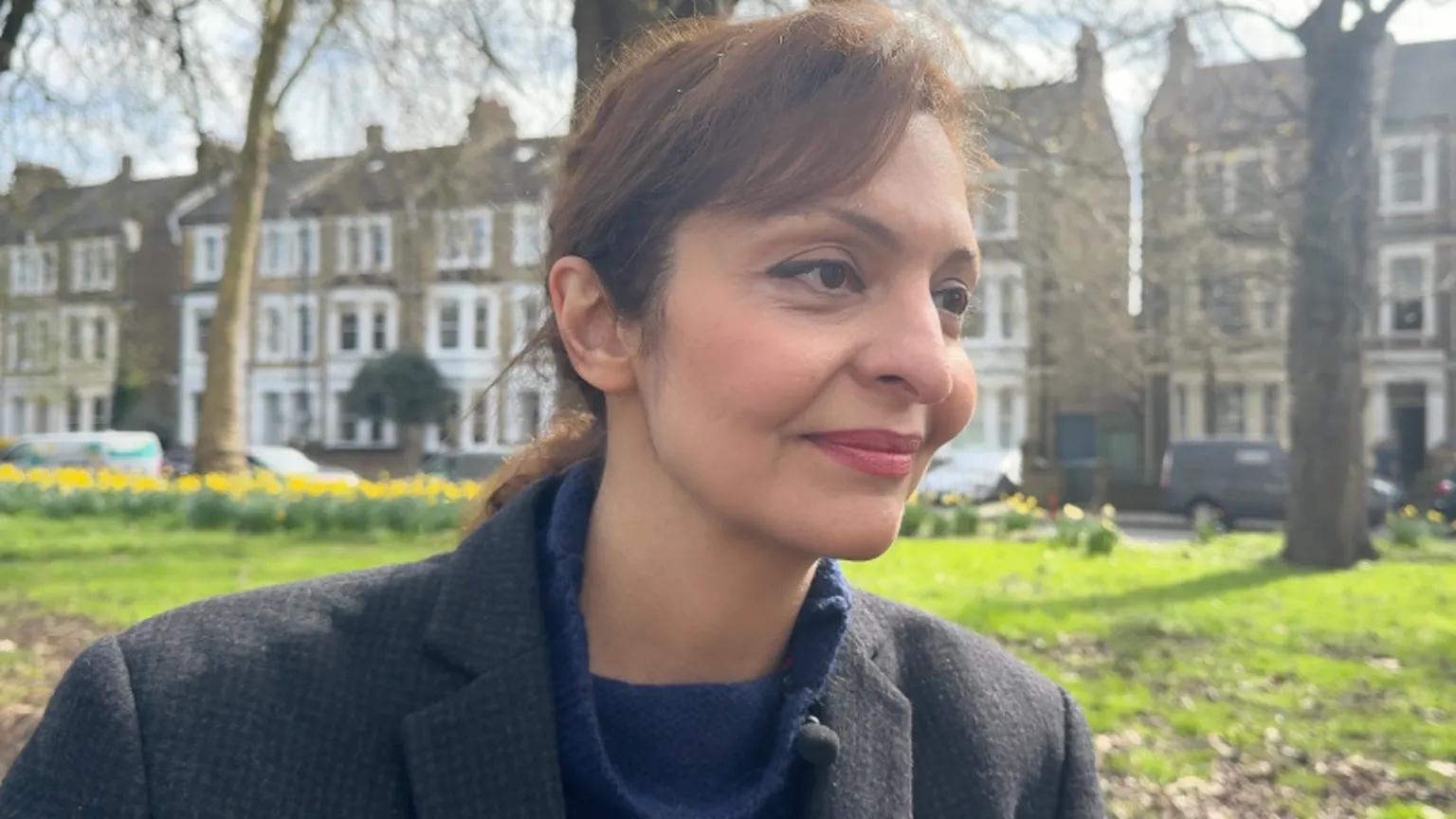
Atoosa Sepehr, an author and nutritional therapist, emphasizes the unique power of food to provide comfort and foster connection.
Sepehr first found solace in Iranian cuisine after moving abroad. Inspired by this experience, she wrote a cookbook and her life story was later adapted into a play.
"When I came here, I started missing my home a lot […] and one thing that really really helped me was the food, because I noticed as soon as I get Persian ingredients out of the cupboard, the smell takes me back home," she says.
"I started cooking, learning, calling my parents, my grandma, my aunt, to learn the recipes and that was my comfort and that was my way of getting back again."
Currently, she again turns to Iranian food amid concerns for her home country and difficulties contacting family.
She says: "When the smell of Persian food is up in my flat, if I close my eyes, I feel like I am sitting next to my mum and dad."
The owners of Logma note that it is common for patrons to come in and cry, laugh, share stories, or learn from others sitting around the table.
The cafe's space was intentionally designed to encourage such interactions.
"There's one long communal table, many people have made friends here," says Halub.
"When people come here, they sort of let their guard down. They feel like they're in their grandma's house."
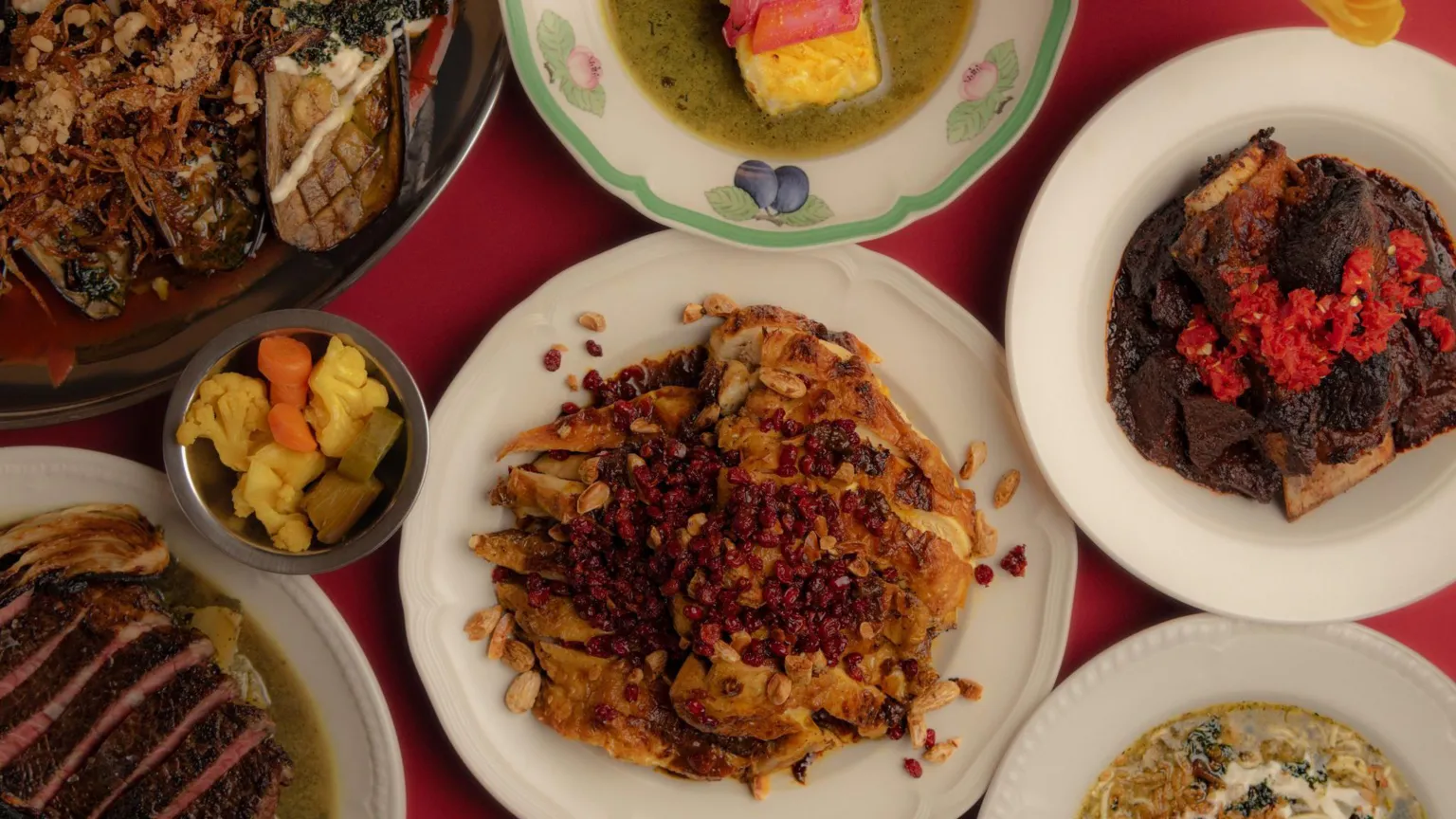
The owners aim for their food "to taste like what you'd have in someone's home," creating a welcoming atmosphere for all visitors.
Listen to the best of BBC Radio London on Sounds and follow BBC London on Facebook, X and Instagram. Story ideas can be sent to hello.bbclondon@bbc.co.uk.


