

Trump's Unclear Vision Amid Rising Oil Prices
Following a surge in oil prices on Monday, the US president attempted—but failed—to provide a clear timeline or strategy for concluding the largest US military intervention in the Middle East in recent years.
At a pivotal moment in his presidency, the wartime leader delivered a vague and contradictory outlook regarding the duration of US involvement in Iran and the ultimate objectives of the military campaign.
With concerns mounting among US and Middle Eastern allies about escalating regional conflict, the president faced pressure to stabilize global markets and reassure allies by articulating a definitive plan to end the intervention. However, no such clarity emerged during the press conference.
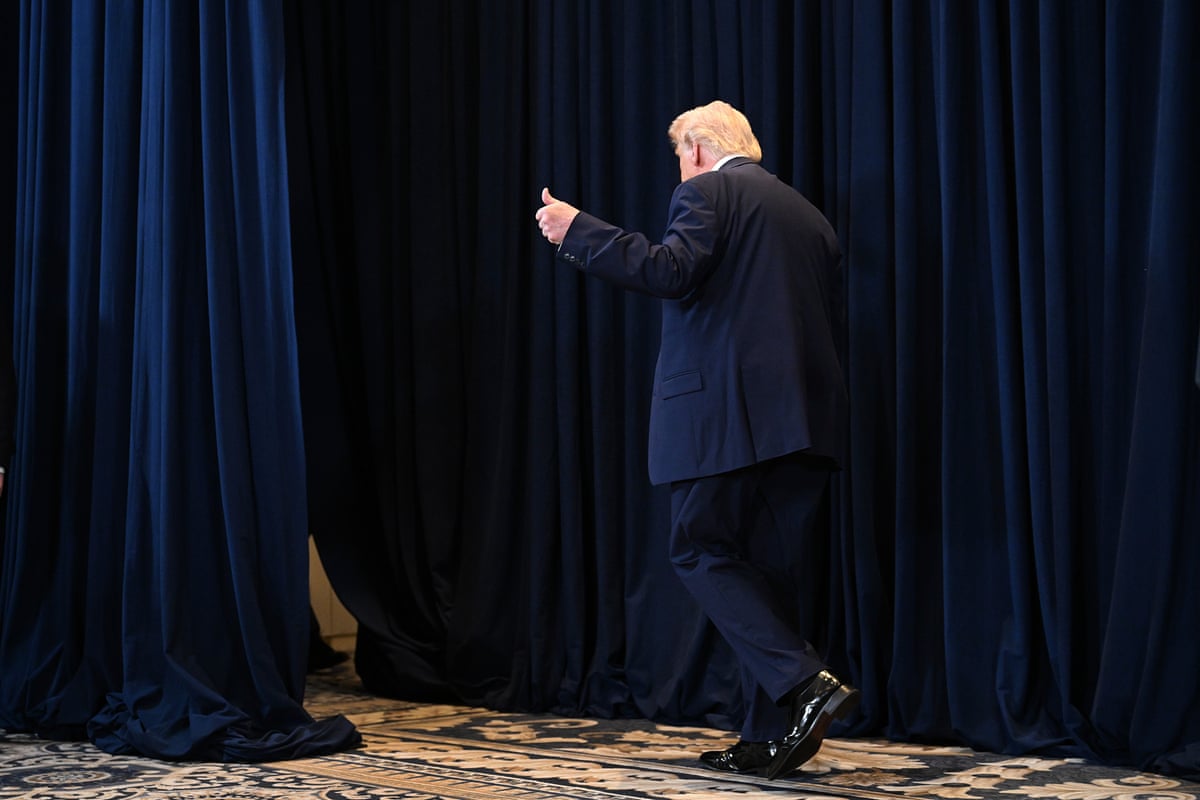
Ambiguous Statements on War Progress
During a 35-minute appearance, the president avoided specifics, emphasizing instead the extent to which the US has degraded Iran's military capabilities. His remarks suggested a lack of clear planning for subsequent phases of the conflict. In a phone call with CBS News, he described the war as "very complete, pretty much," but when asked if this meant the war could conclude within the week, he replied,
"No but soon. I think soon. Very soon."
Reporters pressed further, noting the discrepancy between the president's comments and those of the defense secretary, who stated, "this is just the beginning." The president responded,
"I think you could say both. It's the beginning of building a new country."
This statement contradicted prior assertions by Trump and his advisers that nation-building efforts in Iran were not planned. Over the past ten days, he has consistently avoided detailed discussions with reporters on this topic.
Speculation on Drawdown and Continued Conflict
Following the CBS call, some speculated that the president might announce a troop reduction. However, he refrained from declaring a mission accomplished and instead affirmed that the war would persist, stating,

"We could call it a tremendous success right now or we could go further. And we're going to go further."
During a speech to Republican allies prior to the press conference, he added,
"We have won in many ways, but we haven't won enough."
These contradictory remarks prompted criticism from Democrats, who characterized the president's goals regarding the Iran conflict as incoherent or absent.
Democratic Criticism and Policy Reversals
Senate Democratic leader Chuck Schumer of New York summarized the press conference as,
"One word to sum up Trump's press conference: clueless. He can't articulate a plan or a vision because he has no plan or vision. He can't even decide whether or not the country is at war. He's risking the world economy and the lives of millions on whims and vibes."
The event also highlighted shifts in US foreign policy. The president announced a reversal of his previous stance by agreeing to assist in stabilizing markets, counter to his earlier policy of intensifying economic pressure on Russian oil exports aimed at ending the conflict in Ukraine. He further stated,
"Who knows … maybe we won't have to put them on, there will be so much peace."
Controversial Remarks on Iran's Capabilities and Responsibility
In a notable moment, the president suggested that Iran had covertly acquired a Tomahawk missile and used it to strike a target resulting in significant casualties, including children.
When questioned about US acceptance of responsibility for the strike, which occurred shortly before the conflict's escalation, he remarked,
"Tomahawks are used by many countries, Iran has some Tomahawks."
This assertion drew immediate skepticism from reporters. One stated,
"You just suggested that Iran somehow got its hands on a tomahawk and bombed its own elementary school on the first day of the war. Why are you the only person in your government saying this?"
The president responded,
"Because I just don't know enough about it. I think it's something that I was told is under investigation."


