From War Rhetoric to Humanitarian Promise
“Project Freedom” exemplifies a characteristic episode of the Trump administration’s unpredictable approach to international affairs, marked by dramatic shifts and self-styled grand gestures. Initially, President Donald Trump spent a weekend in Florida emphasizing a hardline stance against Iran, asserting that the country had not faced sufficient consequences for its actions.
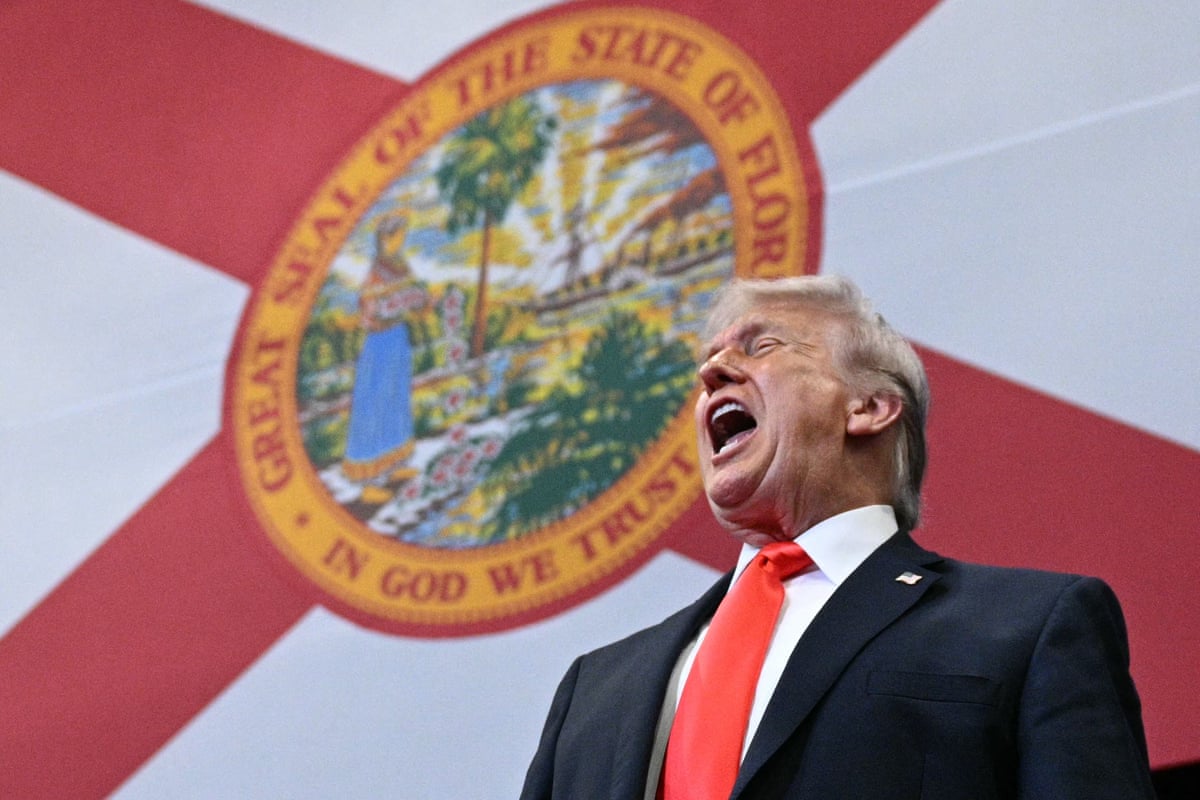
On Friday, Trump addressed America’s largest retirement community, The Villages, Florida, where he emphasized the threat of Iran obtaining nuclear weapons.
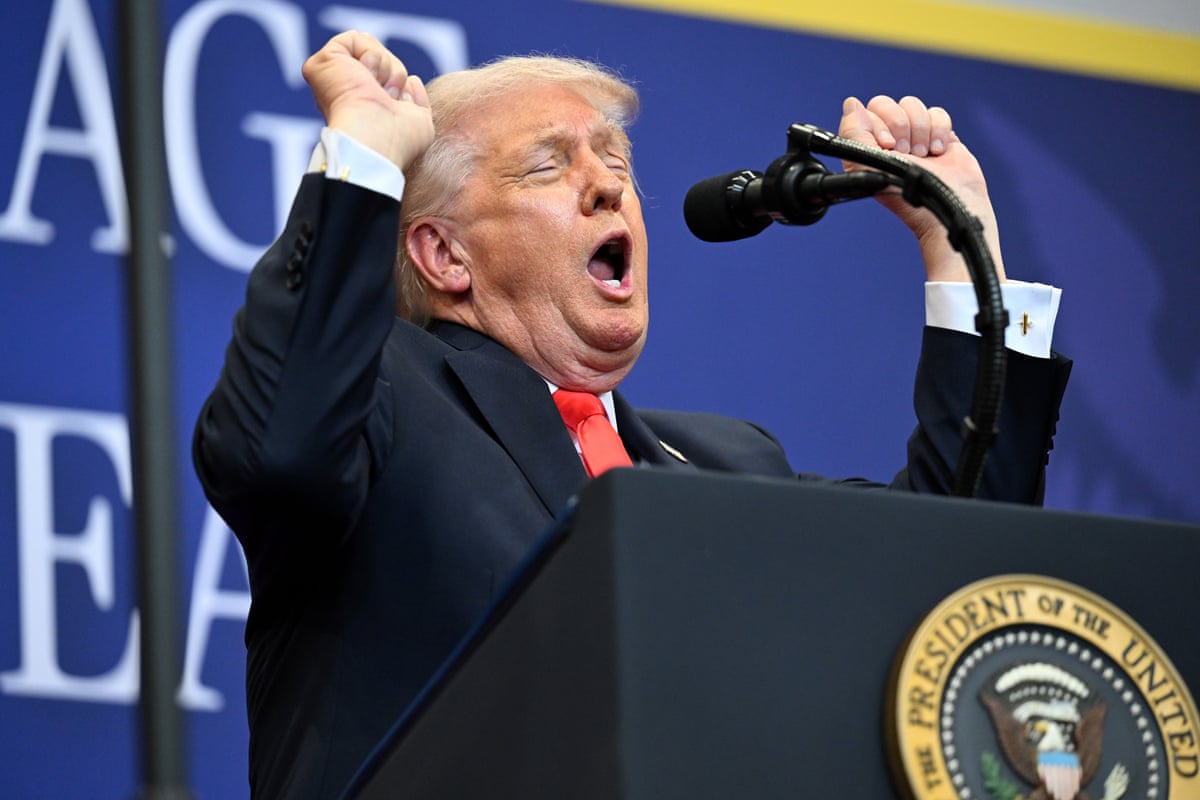
“You know we’re in a war because I think you would agree we cannot let lunatics have a nuclear weapon. Do you agree?”
The audience, largely supporters of Trump, responded affirmatively. However, by Sunday afternoon, Trump’s tone shifted dramatically. Writing on his social media platform, Truth Social, he adopted a more conciliatory and humanitarian stance, promising to free ships and crews stranded in the Gulf amid the ongoing conflict with Iran.
He pledged to undertake this effort not only for the United States and the Middle East but explicitly on behalf of “the country of Iran.”
In this revised narrative, representatives from the US and Iran were reportedly engaged in “very positive discussions,” a stark contrast to Trump’s earlier outright rejection of Tehran’s peace proposals just hours prior.
This sudden change in tone is emblematic of the volatility often seen in Trump’s communications, with positive developments announced shortly before market openings. The announcement caused a notable but temporary decline in oil prices, benefiting traders who anticipated the shift. This pattern has led to speculation that some investors have profited from trading based on Trump’s unpredictable statements.
Economic and Strategic Implications
Beyond market speculation, Trump’s impatience with the ongoing stalemate in the Gulf region is evident. The month-long ceasefire and the indefinite closure of the Strait of Hormuz have caused significant economic disruption, affecting global trade routes and oil prices.
On global trading floors, Trump has earned nicknames reflecting skepticism about his willingness to take decisive action. He is known as “Taco” (Trump Always Chickens Out) and “Nacho” (Not A Chance Hormuz Opens), reflecting doubts about his resolve to reopen the critical maritime passage.
Despite occasional displays of nonchalance, Trump has exhibited bouts of frustration and a desire to alter the prevailing narrative. The central question remains whether he will break the current impasse through diplomatic means or military action.
Military Posture and Options
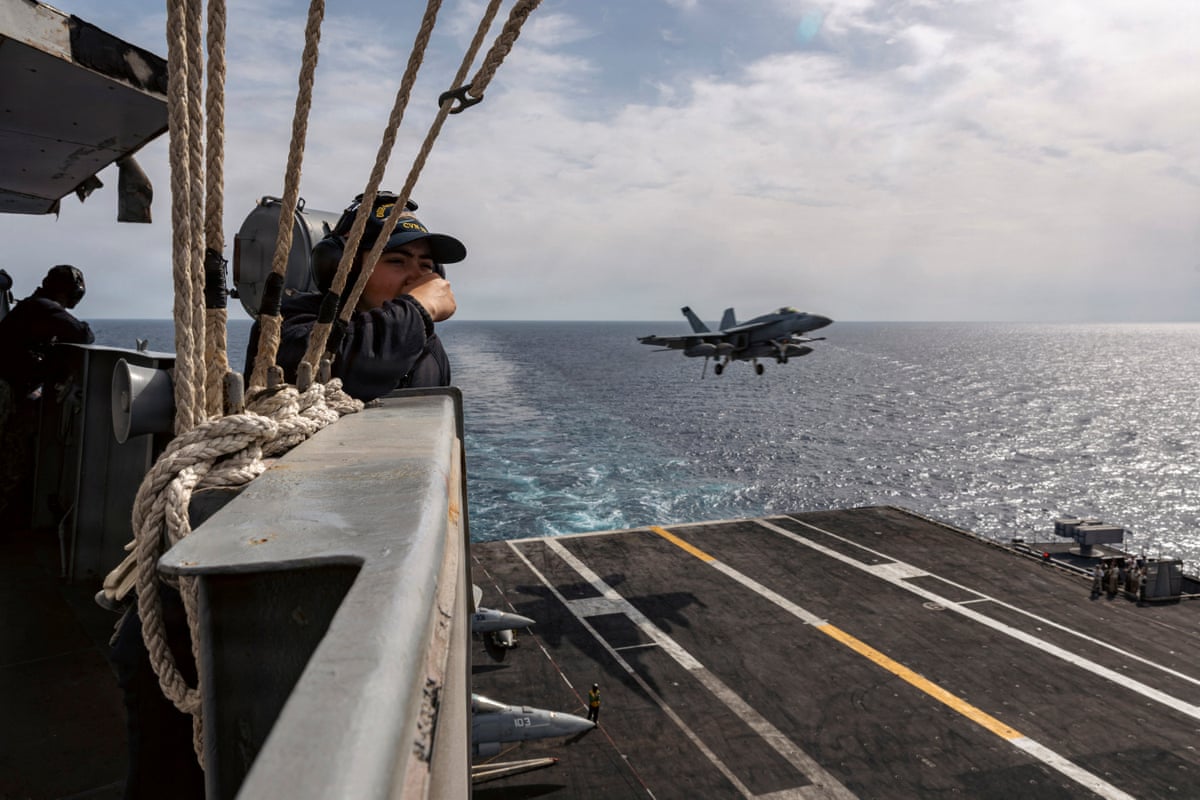
During the ceasefire, the US has bolstered its military presence in the region, deploying three aircraft carriers and numerous refueling tankers to maintain air operations over the Middle East. On Thursday, Trump was briefed by military leaders on potential courses of action.
One option discussed was the forcible reopening of the Strait of Hormuz by the US Navy, potentially involving direct military engagement. Although this appeared to be a viable option, Trump reportedly refrained from pursuing this high-risk strategy, opting instead for a more cautious approach.

Details of Project Freedom
“Project Freedom” is primarily a guidance initiative for commercial vessels navigating the Strait of Hormuz rather than a naval escort operation. It largely rebrands an existing coordination effort known as the Maritime Freedom Construct, which advocates for a shipping route along the southern side of the strait. Trump’s administration gave the initiative a more memorable title to elevate its profile.
By framing it as a presidential initiative, the stakes have been raised considerably. The Iranian regime, known for its limited humanitarian considerations, is unlikely to accept a US-led initiative framed as a humanitarian gesture on its behalf. For Iran’s Revolutionary Guards, control over the strait is a critical leverage point, and they appear willing to take significant risks to maintain it.
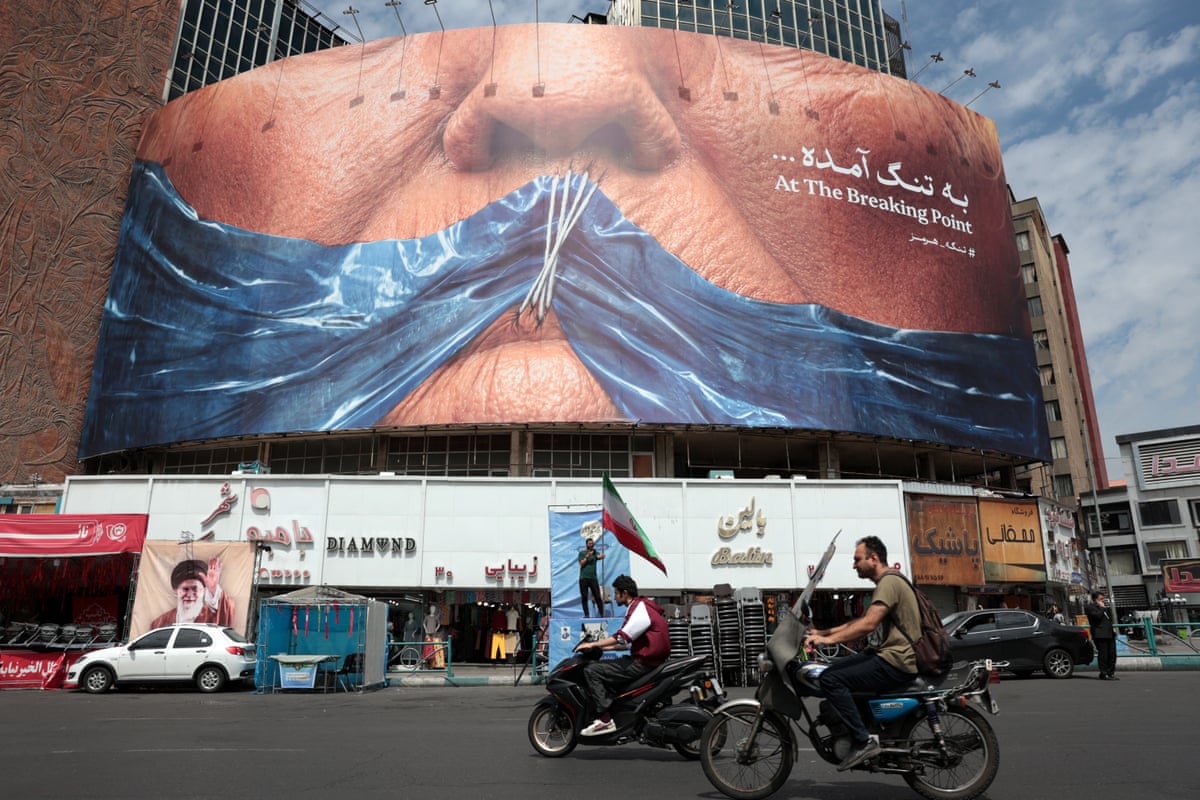
Reports of commercial vessels coming under attack surfaced shortly after Trump’s announcement on Truth Social. On Monday afternoon, a South Korean-operated cargo ship reported an explosion and fire onboard, attributed to “unknown projectiles.”
Potential for Renewed Conflict
“Project Freedom” could accelerate a return to hostilities, a scenario for which the US has been preparing. The framing of any renewed fighting positions Iran as the aggressor, potentially justifying US military responses.
Alternatively, a diplomatic resolution remains possible through renewed negotiations and compromise over Iran’s nuclear program, similar to efforts underway before the conflict escalated in late February.
Challenges to Negotiation
The primary obstacle to peace is mutual distrust, with each side expecting the other to concede first. Iran faces severe economic hardship, with an estimated 1.5 million workers losing jobs since the conflict began and widespread non-payment of wages. Food inflation has exceeded 100%, exacerbating public suffering.
Despite these challenges, Iran believes it can sustain itself due to gaps in the US blockade, including some ships slipping through and land-based export routes. Tehran’s leadership has historically prioritized defiance over domestic welfare.
The Revolutionary Guards and other decision-makers in Iran are betting that Trump will be the first to relent. However, Trump has yet to yield, influenced by his focus on market performance and the political implications of the upcoming November congressional elections.
Trump’s Conditions and Ambitions
For now, Trump insists that Iran must completely abandon its nuclear program as a precondition for ending the conflict. Over the course of the year, he has appeared less concerned with popularity polls and more focused on his legacy, even if that legacy includes military conflict.
According to a recent article in The Atlantic, sources close to Trump indicate a shift in his self-perception. Previously comparing himself privately to figures such as George Washington and Abraham Lincoln, Trump now aligns himself with historical conquerors like Alexander the Great, Julius Caesar, and Napoleon.
“He’s been talking recently about how he is the most powerful person to ever live,” one confidant said. “He wants to be remembered as the one who did things that other people couldn’t do, because of his sheer power and force of will.”
This mindset presents a concerning prospect on the global stage. Unlike some historical rulers who had advisors to temper their ambitions, Trump currently lacks such counsel within the White House.