

Discovery of Shared Biological Father
Natasha, Gemma, and Helen were raised believing they knew who their fathers were. It was only decades later, following DNA testing, that they discovered they were all conceived using the same sperm donor.
Conceived prior to the introduction of regulations in 1991, they identify as part of the generation born during sperm donation's "Wild West" era. They refer to themselves as "sperm sisters" and are now exploring their newfound sisterhood. Their first meeting was described as "like a fairy tale, it felt so magical – there were tears of joy".
Background of Gemma and Helen
Gemma and Helen Hicks, who grew up together in Berkshire, had believed the man who raised them was their biological father. It was only in their late twenties that they learned they had been conceived via sperm donation, but due to limited records at the time, they were unaware if it was the same donor.
"Back then sperm donation was a Wild West and many parents were told to raise the child as their own, they were conditioned to not say."
Gemma, 36, who resides in Surrey, explained the lack of transparency surrounding sperm donation before the establishment of the UK's fertility regulator, the Human Fertilisation and Embryology Authority (HFEA), in August 1991, which introduced formal guidance.
Confirmation and Emotional Impact
A DNA test confirmed that Gemma and Helen shared the same biological father and introduced them to additional sisters.
"I physically felt different, I felt like I didn't know who I was and I began to question every tiny thing that I did, wondering if it was down to my genetics,"
said Gemma.
For Helen, 35, living in Hampshire, the revelation brought a sense of clarity after the initial shock.
"I had a really weird overwhelming sense of calm wash over me, I look back at certain points in my life and suddenly things made a lot of sense to me."
Connection with Natasha and Meeting
The sisters connected with two more siblings from the same donor, including Natasha Goldstein-Opasiak, 36, from Essex. Natasha discovered she was donor-conceived at 21 but did not take a DNA test until she was 31.
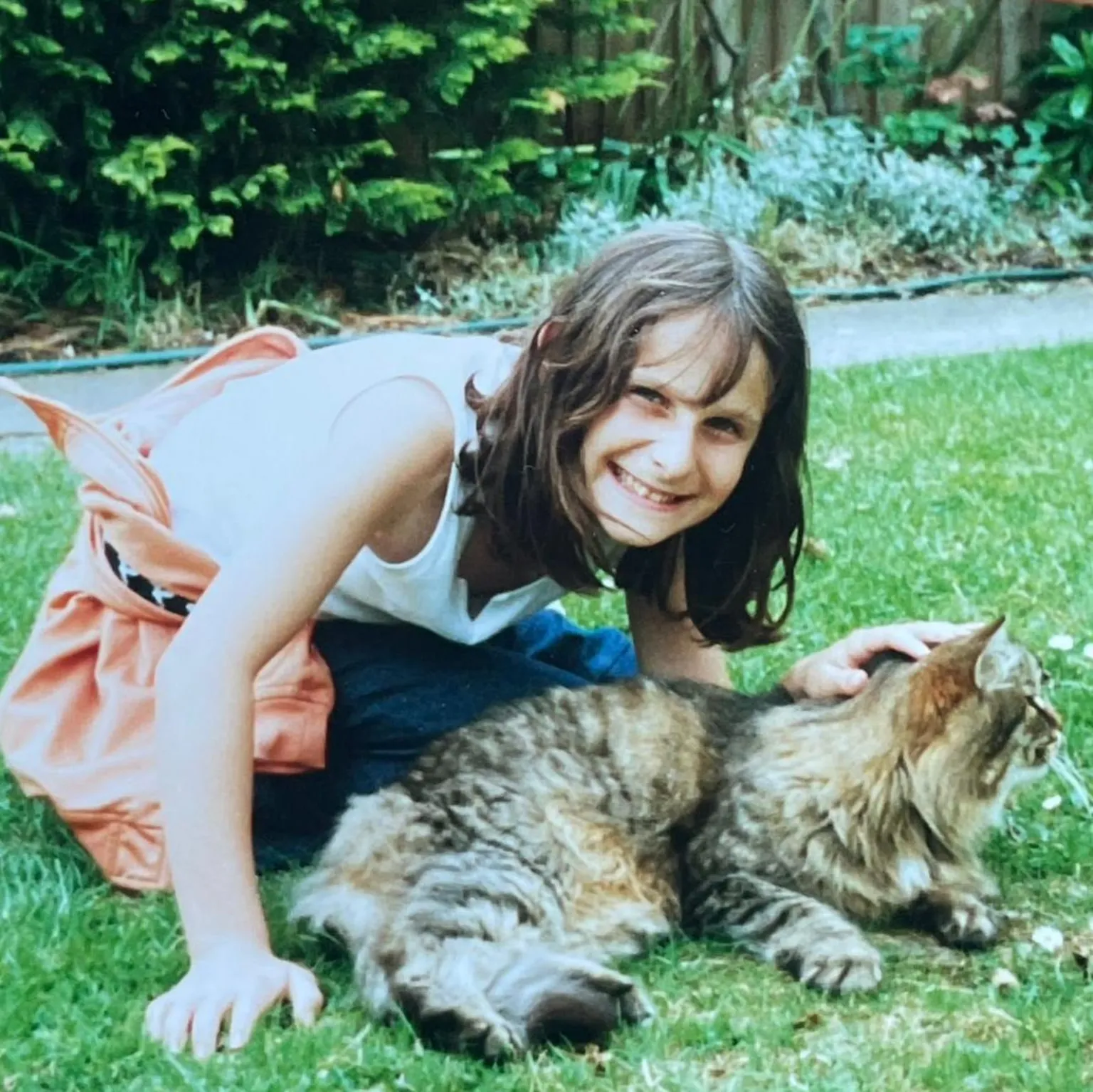
"I did it because I was really fascinated to find out what made up the other half of me. Never in a million year did I think I'd find siblings,"
she said.
"You get an email notification saying you've got relatives, essentially. It's literally like Tinder, it says you've matched - here are your half sisters."
Helen and Gemma reached out to Natasha, and within a month, they agreed to meet.
"We always say that we were drawn together like magnets,"
said Gemma.
"I think within a minute of sitting down at the table with Nat, we realised we talk the same way, we've got the same views on things it's quite weird, but magical."
They also discovered they had been in close proximity before; Gemma and Natasha had lived in the same university halls in Leeds 15 years earlier.
"It's so sad that we were denied access to each other growing up, we could have hung out and shared birthday parties - it's so sad to think so much has been missed,"
Gemma reflected.
Shared Traits and Identities
All three sisters exhibit similar traits such as creativity. Gemma pursued art, Helen music, and Natasha dance. Each has worked as a teacher or lecturer at some point.
"I didn't really grow up in a creative household, but knowing that we're from quite creative stock. Everything aligns, your sense of worth aligns as well,"
Gemma noted.

The sisters also discussed how heritage influences identity. Gemma and Helen were raised with a strong Welsh identity, supported by their upbringing and visits to Wales.
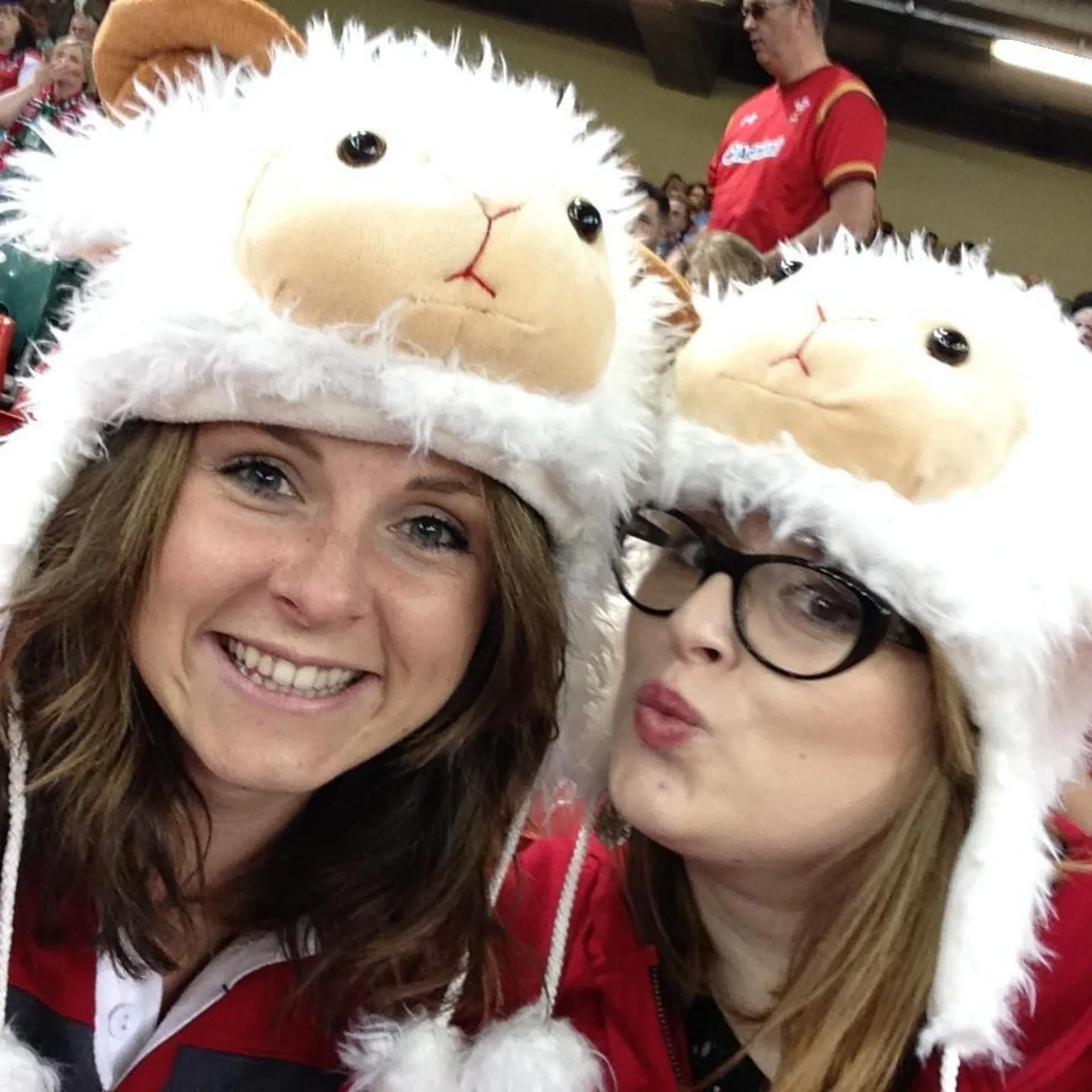
"I think being Welsh was such an important part of our upbringing, we grew up with such a strong sense of pride,"
Gemma said.
Coincidentally, DNA testing revealed their biological father was partially Welsh.
"Fortunately for us not much has changed. I don't know how it would have felt finding out we're French or something, I would be really sad feeling that Welsh community wasn't part of our makeup,"
Gemma added.
Natasha did not grow up with a Welsh identity but had connections to the region.
"I actually spent a lot of time in north Wales in my childhood in places like Bangor and Gwynedd, so I weirdly already feel very connected to Wales.
To find out Mr Donor was from there actually just made me really happy."
Helen added,
"Once you do find out who you actually are, and we are so lucky that we have been able to do that, it gives you such a sense of peace."
Contact with Biological Father
The sisters have identified their biological father and have reached out to him, describing the response as "kindness and positivity".
Regulations and Donor-Conceived Population
The HFEA reports that over 85,000 individuals have been born from donor treatments through licensed UK clinics since 1991. A 2005 change in UK law prohibits anonymous donation of sperm, eggs, or embryos. Consequently, donor-conceived individuals can access some identifiable information about donors upon reaching 18 and may attempt contact.
Podcast and Advocacy
The three sisters describe themselves as inseparable "sperm sisters" and launched a podcast titled the same in March to share their stories and experiences.
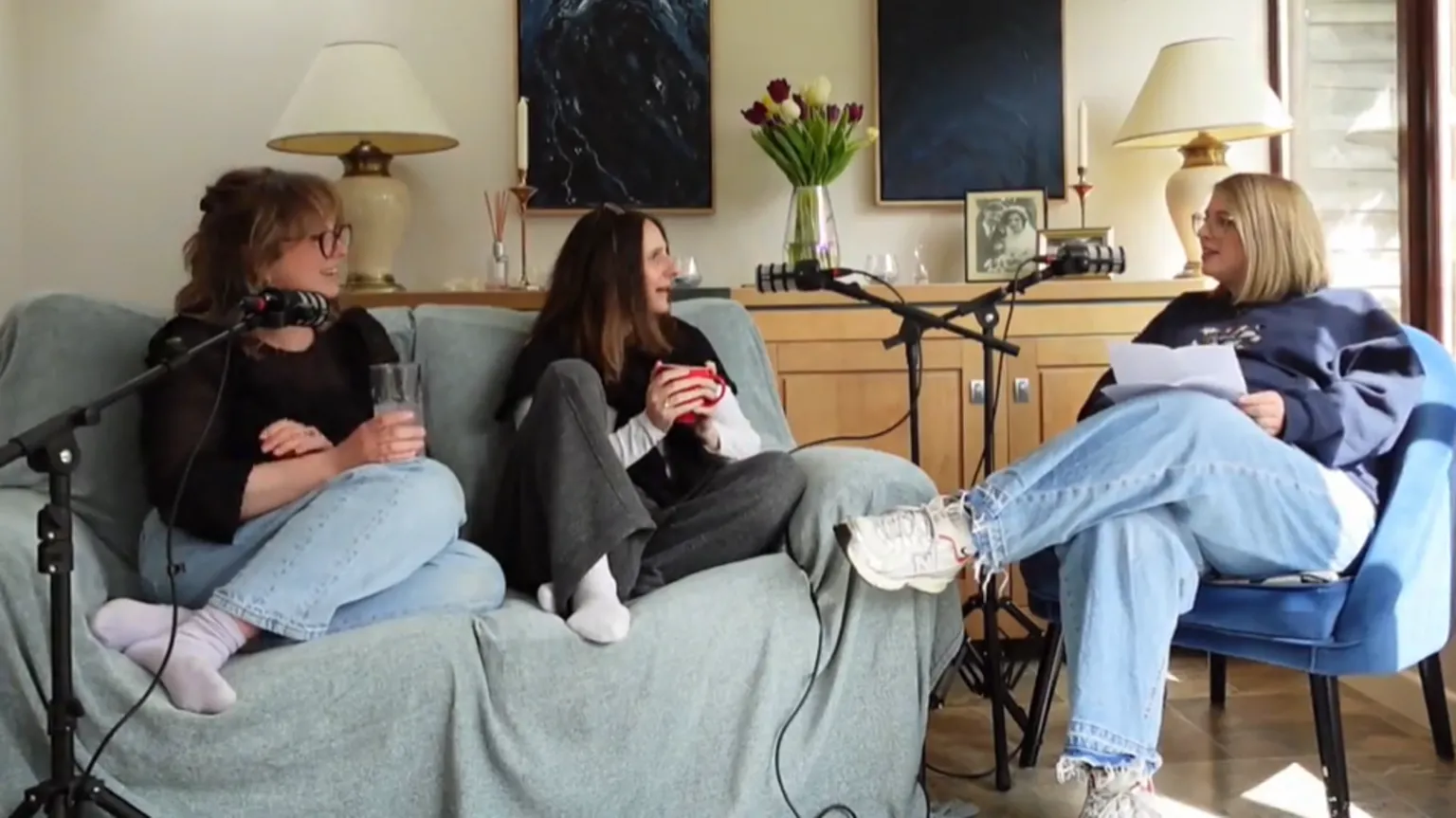
"I think the three of us felt quite lonely and we felt that through being able to talk about it, we would be able to find answers and get to know each other,"
Natasha said.
"We have built our sisterhood through creating this podcast."
"We've got so much to catch up on, 30 blooming years,"
Gemma added, noting the podcast strengthened her bond with Helen.
The trio also aim to raise awareness about donor conception, which Natasha described as "a silent subject." She recounted encountering "sheer confusion and just like no real understanding of what that even means" when disclosing her donor-conceived status.
Challenges and Concerns
Despite improved regulation, the sisters highlight ongoing gaps in protection for donor-conceived children. They remain unaware of how many other siblings they may have, as the current limit of 10 families per donor did not exist when they were conceived.
A recent BBC Wales investigation revealed that unregulated sperm donation is being facilitated by social media platforms and apps.
"The HFEA has done so much work into making sure that it's regulated people get to know who their donors are,"
Gemma said.
"The laws have improved so much, but sadly it feels like all of that hard work is going back on itself with the rise of things like Facebook sperm.
We were born in an era where there were no rules, it's not that different now. I just think if we can be the voice for the next generation of donor-conceived kids, hopefully that it might inspire some parents to think twice about keeping it secret or not asking questions."
Helen emphasized the lack of representation for donor-conceived children.
"The children who were conceived by sperm donors were 'utterly voiceless at this point' and she and her sisters hoped to be 'a voice of the implications that it has'."


