

Criminal Barristers to Resume Crown Court Duties
Criminal barristers in Northern Ireland have agreed to return to covering Crown Court cases following a resolution in their dispute regarding legal aid fees.
The strike, which commenced on 5 January, had resulted in the suspension of all Crown Court cases involving defendants requiring legal aid until the disagreement was resolved.
In an official statement, the Criminal Bar Association (CBA) announced that 65% of its members voted on Thursday to resume full service.
The CBA emphasized that the withdrawal of services was undertaken
"as a last resort"and noted that
"Continued work and ongoing vigilance will still be required to ensure that the criminal legal aid system is placed on a sustainable footing for the longer term."
Government Response and Fee Increase
At the beginning of June, the justice minister agreed to implement all recommendations from the accelerated review of criminal legal aid.

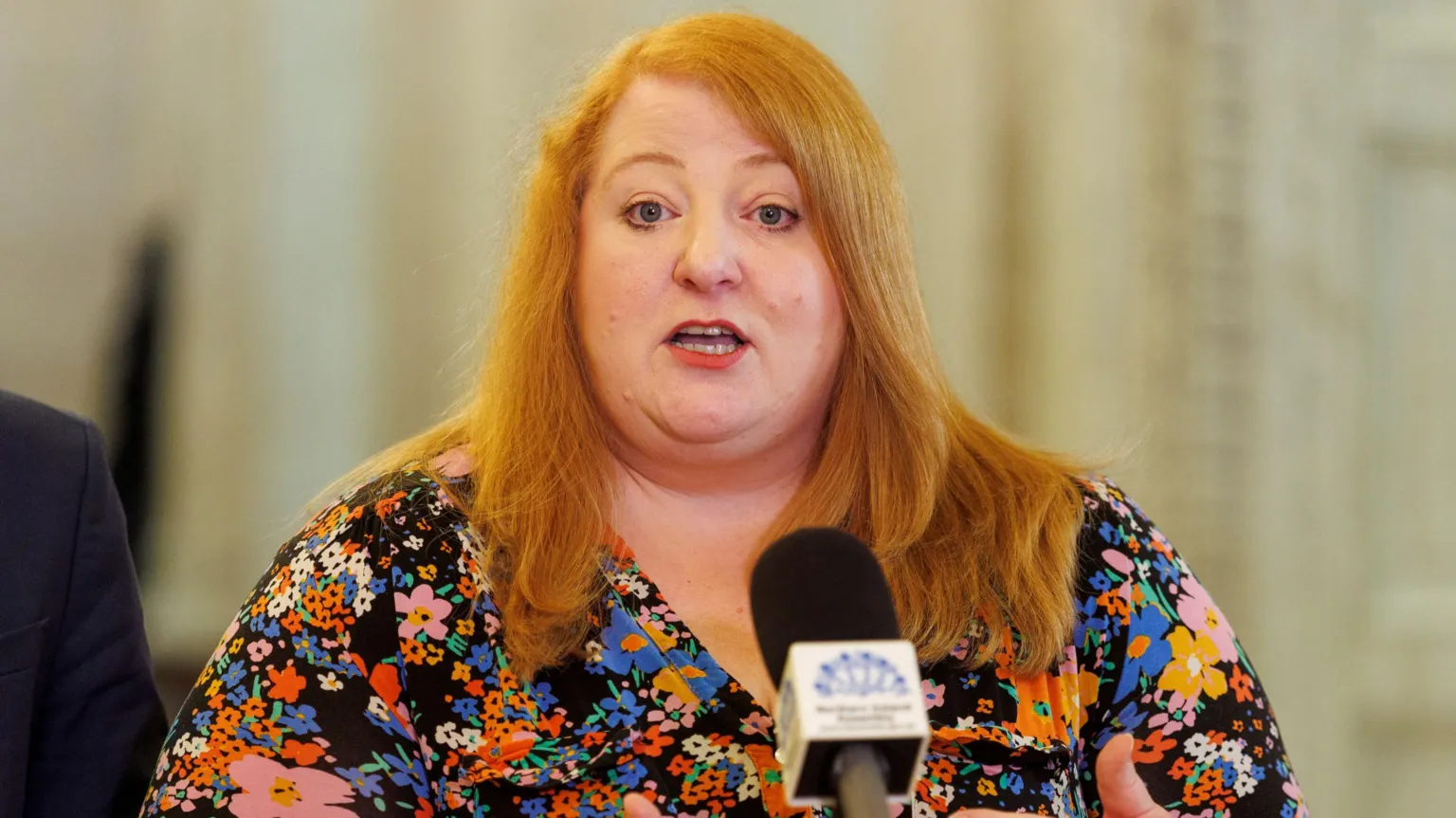
Previously, Naomi Long stated she would take steps to enact an additional 8.66% increase to all criminal legal aid fees. Following this announcement, the Criminal Bar Association held a meeting with her, after which its members convened to consider their response.
Background on the Strike and Legal Aid Fees
Donal Lunny KC, chair of the Bar Council of Northern Ireland, had earlier explained that the strike was initiated because Crown Court legal aid fees had not increased in 20 years.
What is Legal Aid?
Legal aid in criminal court cases provides funding for legal representation. These cases typically take place in magistrates' courts or the Crown Court.
The CBA has previously highlighted that when adjusted for inflation, legal aid rates for lawyers have decreased by between 47% and 58% since 2005.
In November 2024, criminal barristers began withdrawing services in specific categories of criminal cases, including refusing to accept instructions in murder and manslaughter cases.


