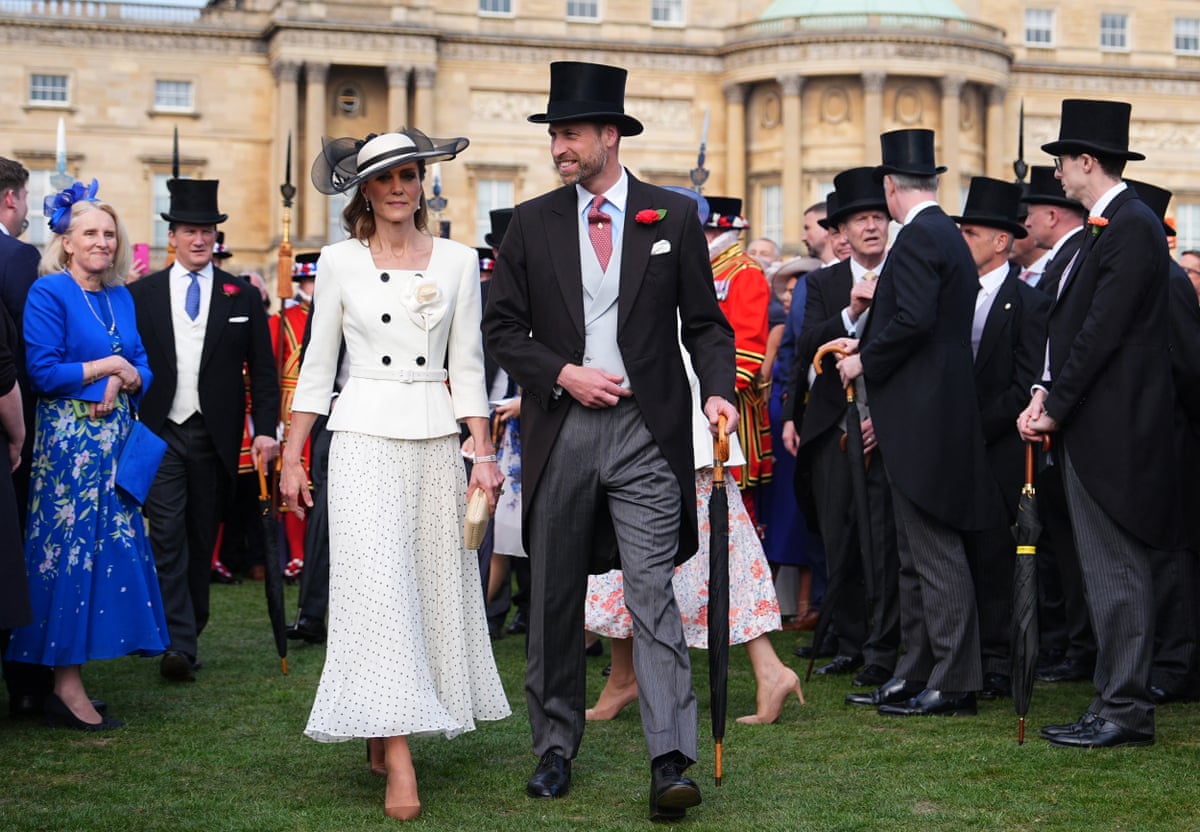
Historical Reluctance and Current Plans for Buckingham Palace
Not all British monarchs have embraced the idea of residing at Buckingham Palace with enthusiasm. In anticipation of the completion of a £369 million refurbishment next year, King Charles has acknowledged this complex history.
When Queen Victoria ascended the throne in 1837, she was initially displeased by the palace’s damp, gloomy, and disorganized state. It was her husband, Prince Albert, whom she married three years later, who transformed it into what became known as "Monarchy HQ." After Albert’s death in 1861, Victoria preferred to spend most of her time at Windsor, Balmoral, and Osborne House on the Isle of Wight.
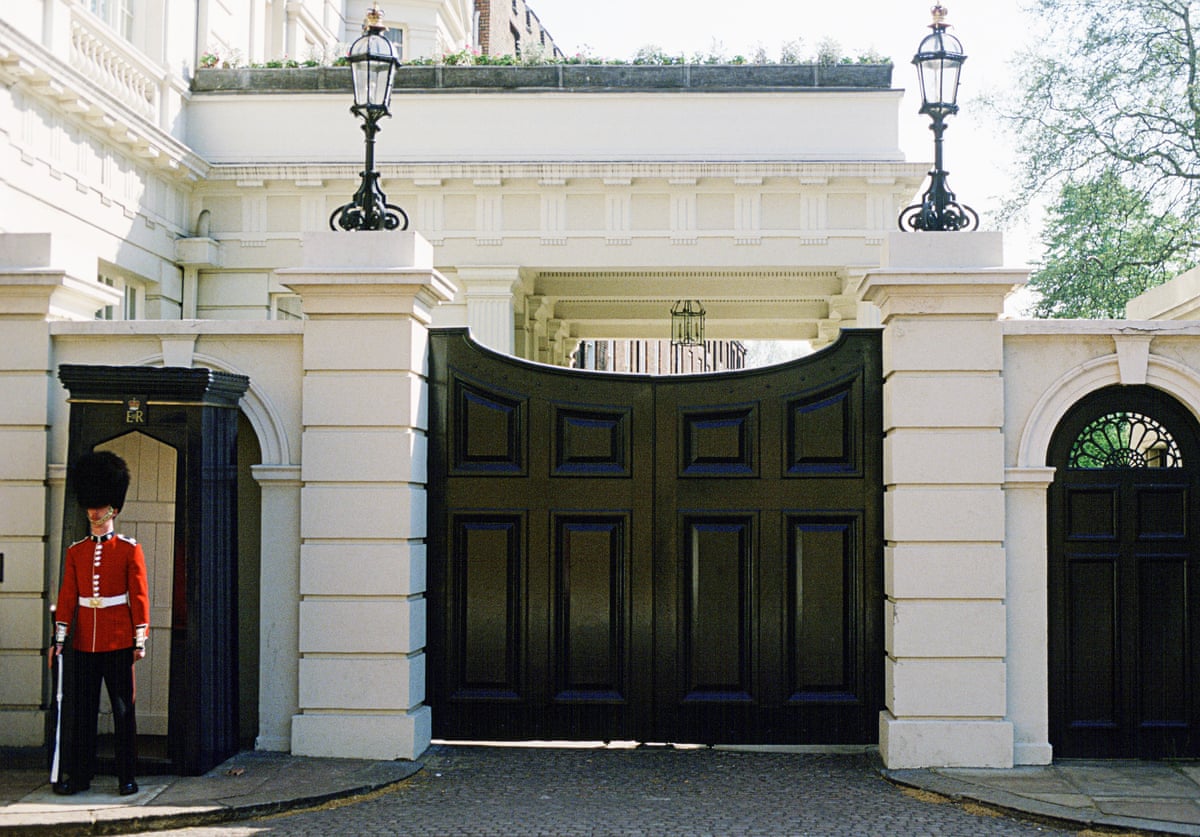
Earlier, Queen Victoria’s uncle, William IV, had shown little affection for Buckingham Palace, opting instead to reside at Clarence House, the royal residence located nearby on the Mall where King Charles currently lives. William IV even attempted to offer Buckingham Palace to Parliament as a replacement for the Palace of Westminster after it was destroyed by fire in 1834, but this proposal was promptly rejected by MPs.
Queen Elizabeth II also initially wished to remain at Clarence House with Prince Philip but was persuaded firmly by her first prime minister, Winston Churchill, to move to Buckingham Palace.
Prince William appears to share his father’s preference, having indicated that he and Catherine, Princess of Wales, consider Forest Lodge, their Windsor residence, as their "forever home."
Buckingham Palace continues to serve as the official royal residence, attracting hundreds of thousands of tourists annually and providing a historic venue for state visits by world leaders for nearly two centuries.
King Charles’ Residence and Continued Royal Activity at Buckingham Palace
Palace officials emphasize that the absence of King Charles as a resident will not diminish the palace’s role as a vibrant center of royal activity. The sovereign’s flag will still fly from the flagpole to indicate Charles’ presence in London, a practice maintained since his accession due to the ongoing 10-year renovation of the palace’s 1950s infrastructure, which is expected to conclude next year.
While in London, Charles is frequently seen traveling along the Mall between Clarence House and his office and will continue to do so. Buckingham Palace will remain the venue for state functions, including banquets, royal dinners, receptions, audiences, honours ceremonies, and garden parties. Visiting world leaders may also stay at the palace during state visits if they choose.

Charles and Camilla will have access to the late Queen’s private rooms, once refurbished, for changing clothes, resting briefly, or finding respite from the numerous staff members present during the day.
Living Arrangements and Staff Accommodation
The decision for Charles and Camilla to live above their office may have influenced their choice to remain at Clarence House, despite their familiarity with being surrounded by household staff. Many palace employees also reside on-site. According to the royal website—which has yet to update its description of the "official London residence"—Buckingham Palace contains 775 rooms, including 188 staff bedrooms and 92 offices.
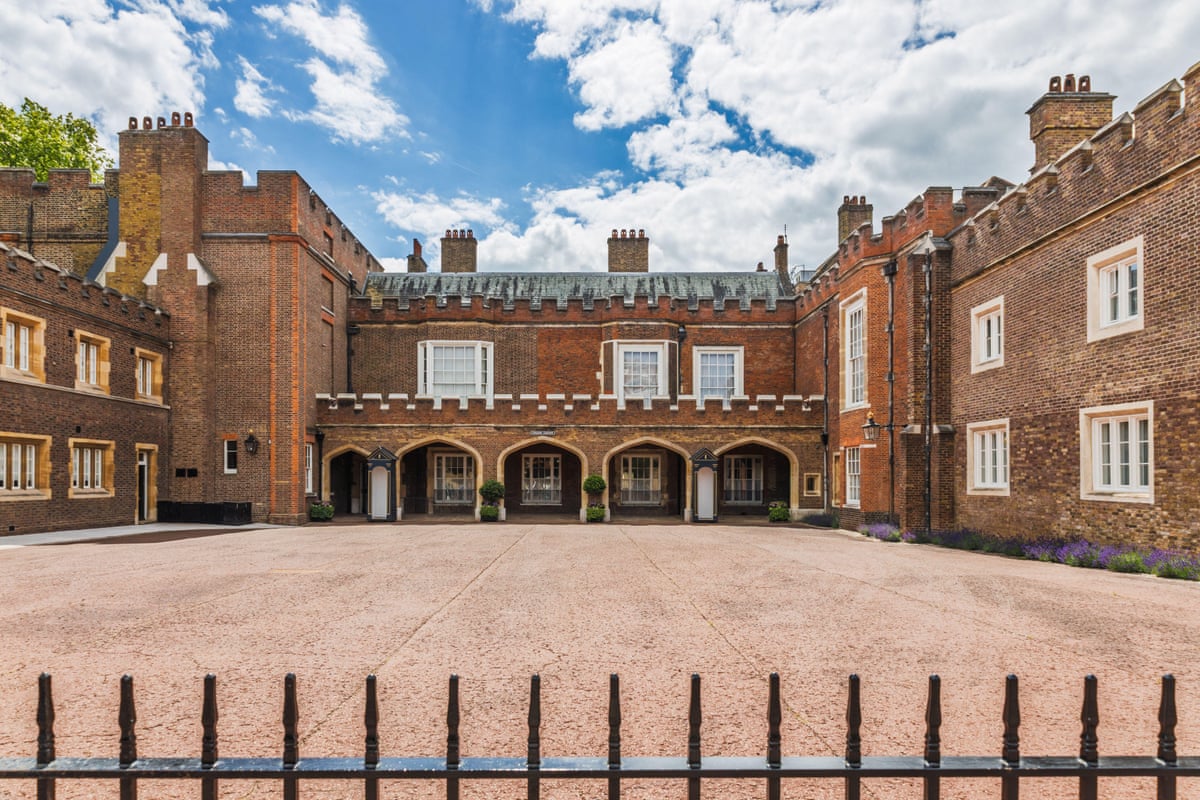
Plans are underway to optimize space usage within the palace, potentially allowing teams currently based at St James’s Palace to relocate to Buckingham Palace. This would free up space at St James’s that could be leased commercially to increase revenue.
Preference for Clarence House and Practical Considerations
Charles and Camilla reportedly feel very comfortable at the more intimate Clarence House, which was once home to the king’s grandmother, Queen Elizabeth the Queen Mother. Their ages—Charles is 77 and Camilla 78—and the king’s cancer diagnosis make the disruption of moving less appealing. Additionally, the administrative process involved would be complex and costly.
Enhancing Public Access and Tourism
The primary rationale provided by palace officials, who emphasize fiscal responsibility with public funds, is that the refurbishment will increase public access to a national monument. Buckingham Palace remains a popular tourist destination offering a variety of tours, including a newly renovated East Wing guided visit priced at £93. The palace reported "strong visitor numbers" this year.
Summer openings, typically held in July and September when the king is at Balmoral, may be extended. The latest Royal Collection report, which manages a collection of art and artifacts held in trust for the nation with proceeds supporting the monarchy, recorded a record 683,000 visits in 2024-25.
Opening Additional Areas and Future Uses
Other sections of the palace could be opened to the public without disturbing the royal couple or compromising security. For example, the Consort’s Library, once used by Prince Albert, will be converted into an official audience room for Camilla to receive guests. It will also serve educational purposes and become part of palace tours.
Justification for the Upgrade
One of the key justifications for the extensive upgrade was to ensure Buckingham Palace remains a first-class world "residence" and a prestigious showcase to the world. However, the appeal of a first-class royal office may not carry the same allure as a royal home.