Young Cornish Van Dwellers Face Harsh Realities Amid Housing Crisis
Young people in Cornwall are increasingly living in vans due to housing shortages and rising rents driven by tourism and Airbnb demand. This report explores their challenges, community support, and the realities behind the van life lifestyle.
·9 min read
Living in Vans: A Response to Cornwall's Housing Market
With tourists purchasing properties and landlords favoring profitable Airbnb rentals, many young residents of Cornwall are resorting to living in old campervans to secure shelter.
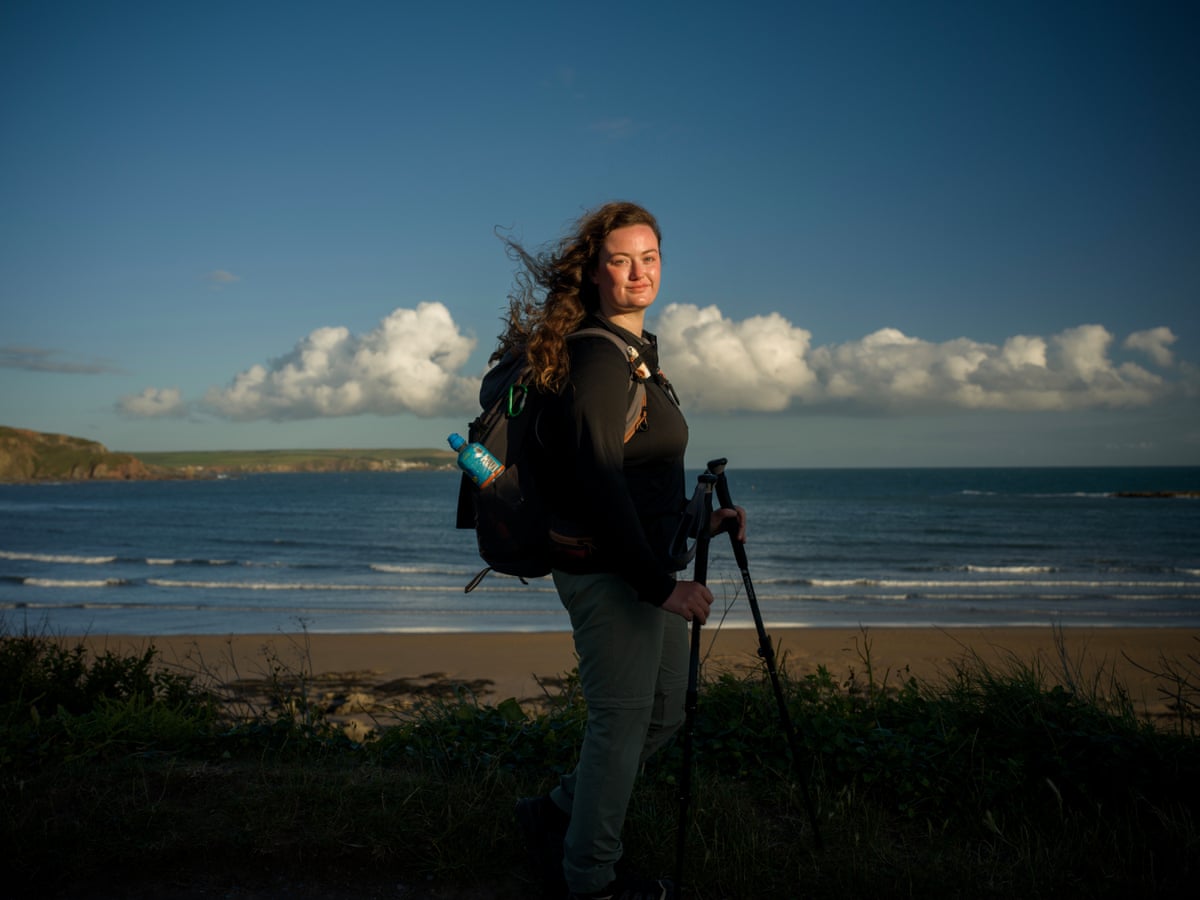
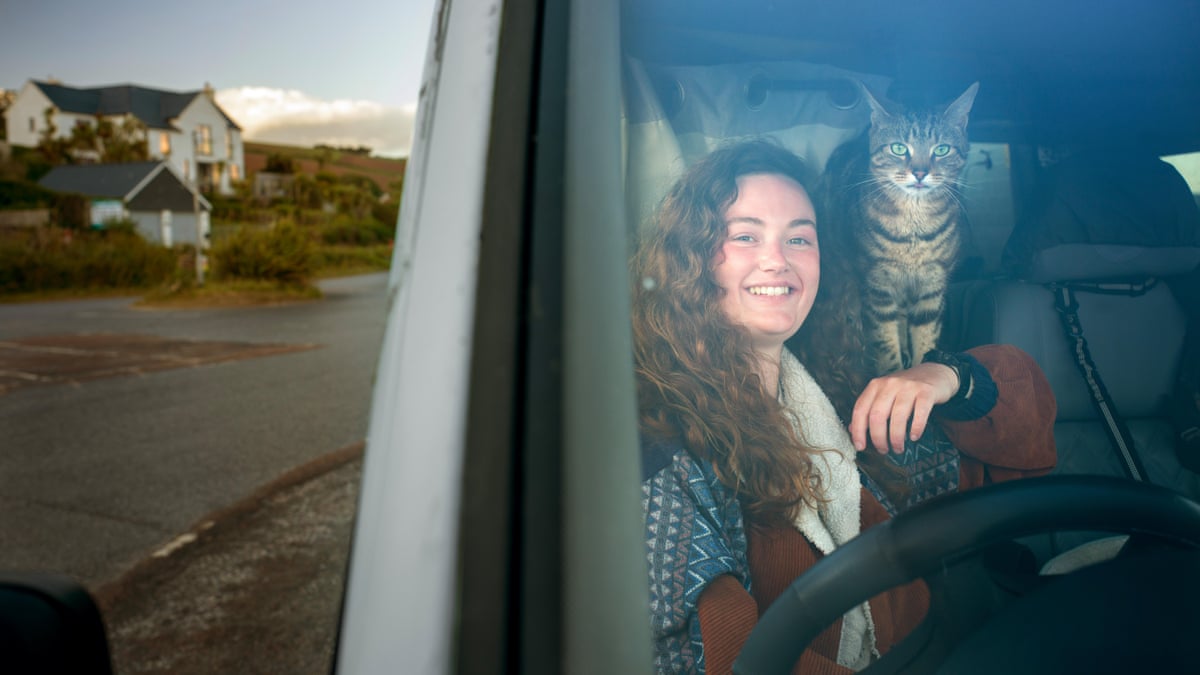
Skye, 25, endures winter nights in her van with a thick duvet and multiple layers of clothing, relying on the warmth of her cat. She parks late, often in car parks distant from beaches, and limits her stays to one night to avoid conflicts with locals who might express displeasure by banging on her windows. This lifestyle, known as van life, contrasts sharply with the idyllic tourist image.
“Some winters I’ve had ice on the inside of my van windows, and the door handles frozen shut with me inside,”
Skye, a special educational needs teaching assistant, said. She recounted a winter when her diesel air heater failed, leaving her cold throughout the season.
“That was genuinely awful.”
Despite using the heater in the evenings, subzero temperatures during nights and early mornings remain challenging.
“I often get dressed in bed,”
she added.
“You just have to adjust.”
Skye, 25 arriving back at her van after a day of walking
Skye is among a largely unrecognized group of young Cornish people who purchase old vans to live in due to the scarcity and unaffordability of rental housing. Cornwall attracts about 4 million tourists annually, drawn by its scenic coves and seaside cottages. While tourism bolsters the local economy, it also incentivizes landlords to prioritize short-term Airbnb rentals over long-term local tenants, reducing available rental properties.
Over the coming year, ’s Seascape team will report on the lives of young people in coastal communities across England and Wales through the Against the Tide project.
Young people in many coastal towns in England disproportionately experience poverty, inadequate housing, lower educational attainment, and limited employment opportunities compared to their inland counterparts. In the most deprived coastal towns, deteriorating public services and limited transport options further restrict their life choices.
For the next 12 months, accompanied by documentary photographer Polly Braden, the project will visit port towns, seaside resorts, and former fishing villages to hear from 16- to 25-year-olds about their lives and perceptions of their communities.
By centering these young voices, the project aims to explore the changes necessary for them to build desired futures.
With approximately 10,000 long-term rental properties estimated in Cornwall, availability remains limited in many areas. Employment is often seasonal and unstable, complicating consistent rent payments.
Living in a van offers an alternative. While some days may feel like "living the dream" with sunsets over the sea, unlike many Instagram portrayals, many young van dwellers live this way year-round.
Skye's Journey and Challenges
Skye moved to Cornwall from Milton Keynes at age 16 with her parents, developing a passion for the area and surfing. Three years later, following her parents’ separation, she moved out and spent months couch-surfing.
Working as an agency special educational needs teaching assistant, Skye, her then-boyfriend, and a friend attempted to rent a house. Despite all being employed, they repeatedly lost out on affordable rentals, sometimes to buyers from London. Frustrated, Skye took a loan to purchase a "really nice but old" van.
Five years later, she remains in that van, which has broken down multiple times, including a recent £2,000 repair she is paying off in installments. Despite these difficulties, she appreciates the freedom van life provides and feels she would be "trapped" in a house now.
“I’ve fallen in love with the lifestyle,”
she said.
Like many permanent van dwellers in Cornwall, Skye moves frequently, never staying more than one night in the same place.
Support and Realities of Van Life
Caroline Dann hosts a weekly drop-in support session for van dwellers in St Day, a former tin mining village near Redruth in mid Cornwall. She notes that Skye’s experiences of highs and lows are common among van dwellers.
“You have days when the weather is great and you’re looking at the waves and life is good,”
Dann said.
“But when the rain is beating down and you’re cold it can flip quickly from being an idyllic experience.”
Her charity, St Petrocs, has identified many young van dwellers struggling, often local Cornish people who have left their parents’ homes with nowhere else to go.
“Some are living in vans you can’t even stand up in,”
she said.
“Many are cold. A lot don’t have anything to cook on, so they are living on cheese sandwiches.”
The Tuesday drop-in provides van dwellers with a free hot meal, shower, and facilities to wash and dry clothes or bedding.
Having supported Traveller and Gypsy communities in Cornwall and Devon for 20 years, Dann recognizes the challenges of life on the road. However, when the council asked her in 2024 to survey the increasing number of people parked overnight in vans across car parks, laybys, and seafronts, she observed significant differences in coping abilities.
“Travellers have grown up like this. They know how to get water, they know someone who can fix their vehicle, they know how to keep a van warm,”
she explained.
“What we’re seeing with the van dwellers is that they don’t have these skills.”
Young people often invest all their savings into buying old vans but lack knowledge on insulation, parking, and cooking management. The charity receives weekly calls from van dwellers facing vehicle breakdowns.
Isolation is another major challenge. Traveller communities, such as the one in St Day, provide social support, but many van dwellers report loneliness. Dann has noted posts on the Cornwall van life Facebook page expressing feelings of isolation and shame due to local misunderstanding and hostility.
Louella's Experience
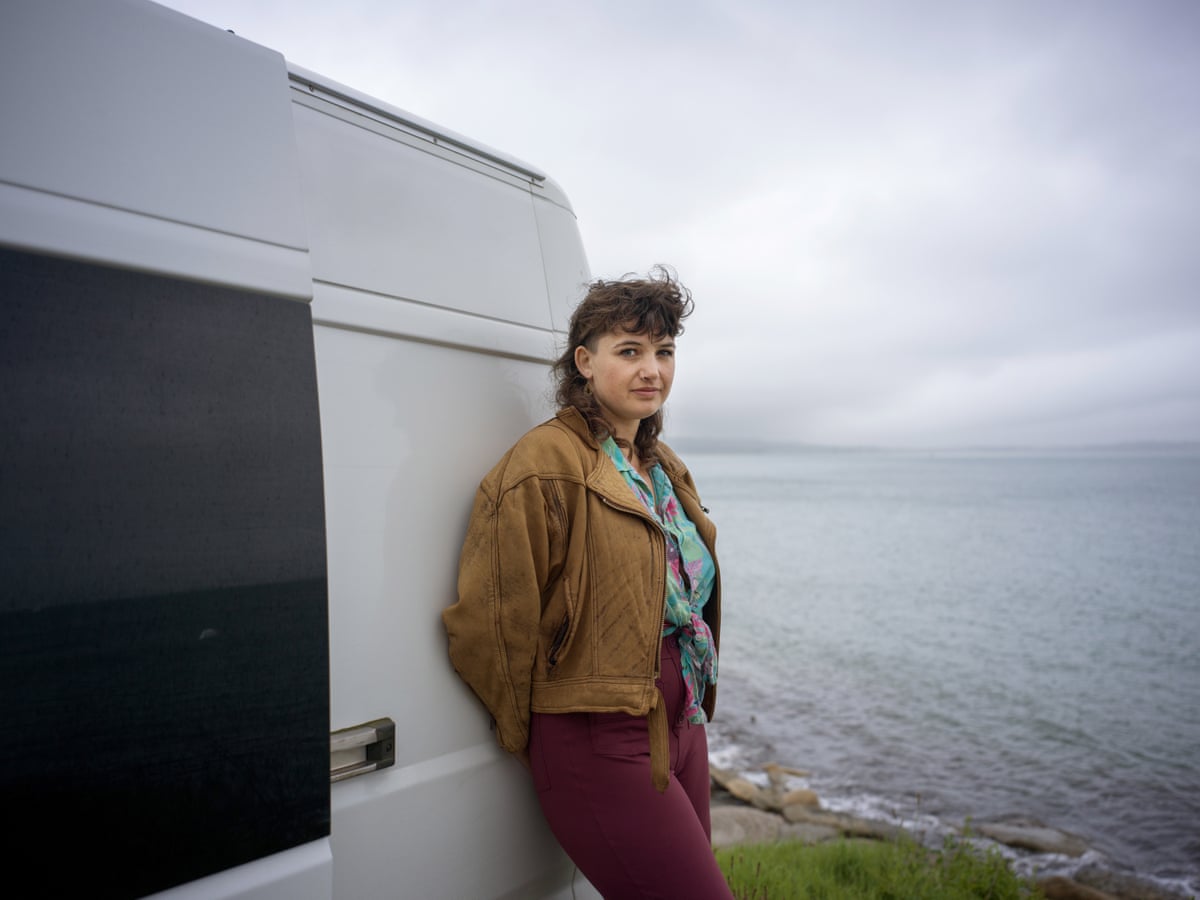
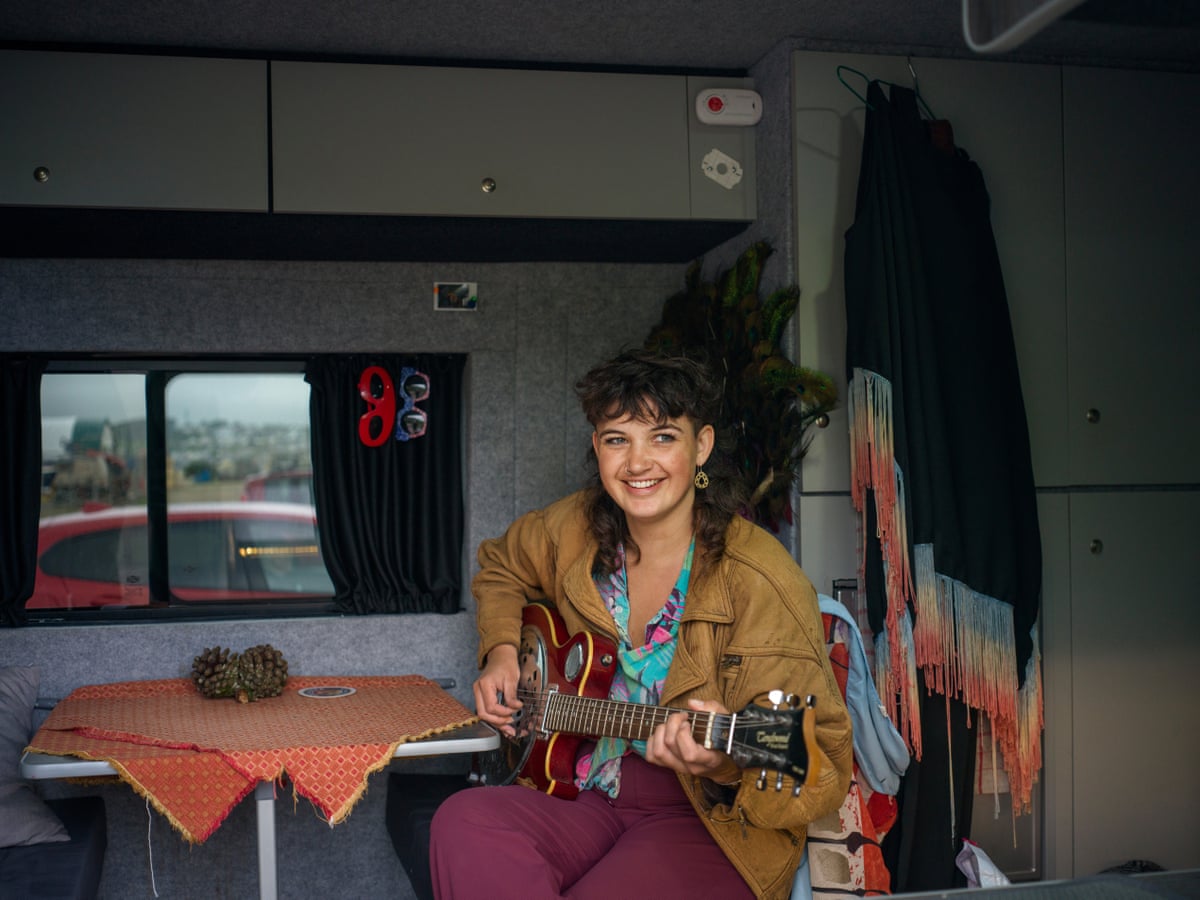
Louella, a 33-year-old singer-songwriter living in her van in Cornwall since age 26, attends the drop-in center for showers. She shared,
“Sometimes you don’t shower for a week because you don’t want to have to keep asking your friends if you can come and use theirs.”
Louella has been living in her van for seven years. She avoids campsites as they are too expensive
Louella has lived in her van for seven years, avoiding campsites due to cost. She values the community at the drop-in but finds winter particularly lonely as weather confines her to the small space.
“It’s easy to end up going to the pub because you just want company,”
she admitted.
Before living in her van, Louella stayed in a friend’s shed. She explained,
“I can’t afford to pay rent and pursue my music career.”
With rising living costs, she doubts she will afford a house anytime soon. Several friends have struggled to find new rentals after moving out of previous ones.
Louella appreciates the freedom her van provides but acknowledges the lifestyle has
“big peaks and troughs.”
She mostly avoids campsites, which she finds too expensive, and notes that public facilities for van dwellers are diminishing.
“There aren’t many public toilets, and they are often closed when you need them,”
she said. Louella says wet weather can be challenging as the cramped space gets muddy quickly, which can feel overwhelming.
Wet weather poses difficulties as the cramped space becomes muddy quickly, which can be overwhelming.
Access to water for drinking, cooking, and washing is a constant concern. A friend allows her to refill water occasionally, but she worries about imposing. Dann has advised her that churchyards often have taps, although some locals disapprove of water collection there.
Drying belongings during rain is also problematic. Louella supplements her income with gardening jobs and finds muddy boots challenging to manage in the confined space.
“You’re trudging your wet boots and things in and out of the van, and in a cramped space it can all get messy quickly. Sometimes that can all feel too much.”
Alternative Housing at Potter’s Farm
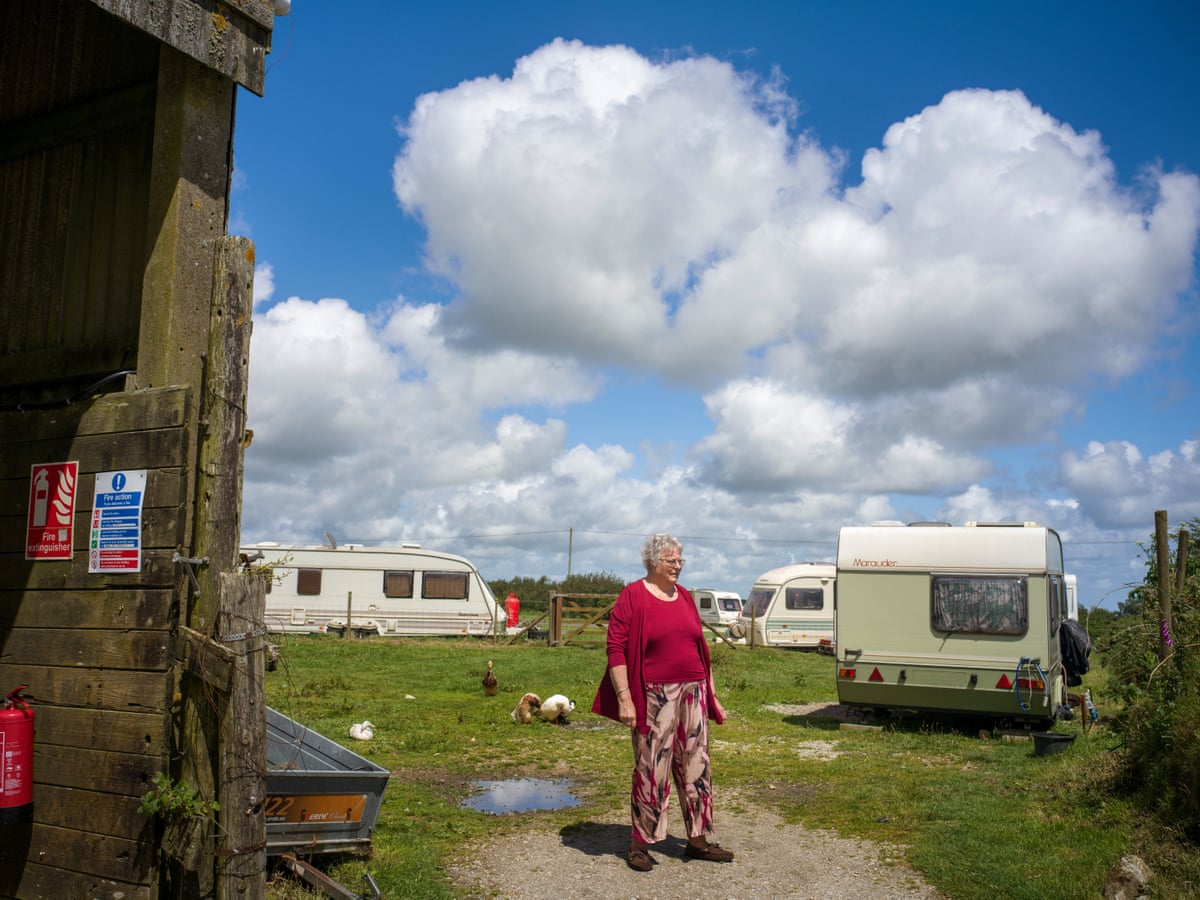
Approximately 30 minutes away, at Potter’s Farm near Falmouth in the village of Halvasso, Sue Nicholls rents caravan spaces in two fields to 35 individuals, many facing homelessness. Most residents are referred by the local homeless charity St Petroc’s after council identification of homelessness. Some residents are as young as 17.
Many of the people Sue Nicholls rents out caravan space to at her farm in Cornwall were facing homelessness. Some are as young as 17
“I’ve had three who came at 17. The younger ones have often been kicked out by parents,”
Nicholls said.
The farm provides shelter, with local church donations of food, firewood, and clothing. Recently, residents held a barbecue and Nicholls encourages gardening around their caravans, which are mostly old and inexpensive.
She described the conditions candidly, noting the remoteness and harsh winter winds.
“The caravans are dry but they aren’t very warm.”
This reality contrasts sharply with the romanticized van life images on social media. Nicholls expressed frustration over the lack of external support for residents, many of whom struggle with mental health issues.
“Everyone here is vulnerable. They are all struggling with their mental health. I wish there was more for them. But it feels like they are on their own.”
Concerns and Future Outlook
Skye and other van dwellers worry about potential council crackdowns on overnight parking in seaside areas, which could force them to leave.
For now, Skye remains uncertain about the future.
“It is nice to have a base. Maybe one day I’ll get a bit of land to call my own and park my van on it.”
Some details in images have been altered for safety reasons.
Readers can meet Polly Braden and some young participants of the series at a preview of the exhibition, in collaboration with , at the Arnolfini gallery in Bristol. The exhibition runs from 27 June to 27 September in Bristol and from 1 October to 1 March 2027 at Firstsite in Colchester.
Has Cornwall’s housing crisis created a van life generation?