

Local Opposition to Brick Lane Datacentre Proposal
Residents and local authorities in east London are contesting plans to build a large datacentre in Brick Lane, arguing that affordable housing is a more pressing need than facilities supporting high-frequency trading in the nearby financial district.
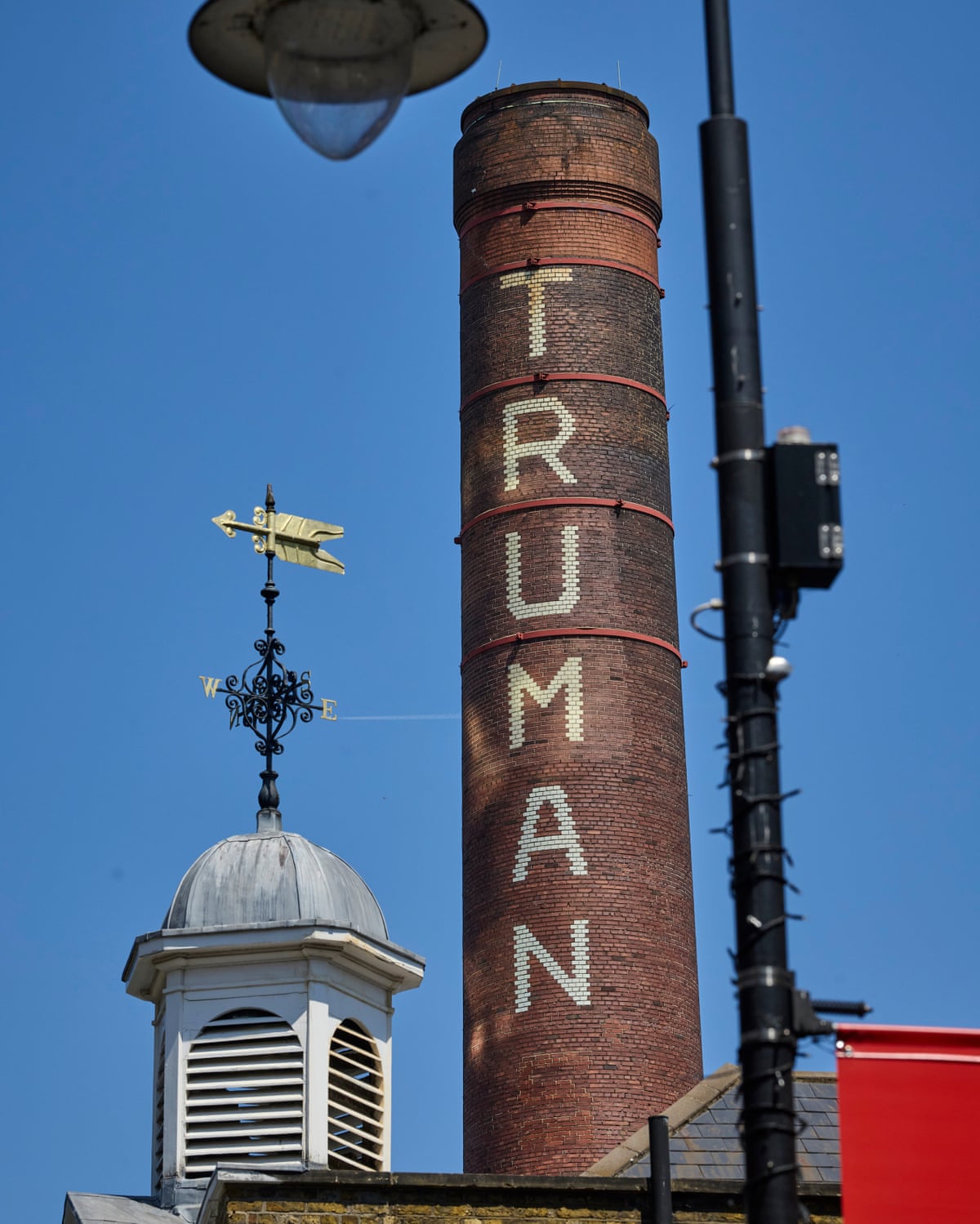
The proposed datacentre, intended to cover 5,200 square metres on the site of the former Truman Brewery, is part of a broader UK initiative to expand datacentre capacity to meet increasing demand driven by artificial intelligence applications.
Jonathan Moberly, a local resident and member of the Save Brick Lane campaign, expressed concerns that the development would not benefit the community.
“We have a severe housing crisis here and this site should be used to build affordable – ideally council – houses. Instead we are talking about this datacentre, which will bring literally no benefit to anyone living here,”he said.

Impact on Housing and Energy Resources
A report by the London Assembly highlighted that the rapid growth of datacentres, which consume significant amounts of energy, is impeding the development of urgently needed housing in the capital due to limited electricity grid capacity.
Moberly emphasized the need for prioritization:
“It is quite clear we can’t have the housing we need and these datacentres – you have to make choices.”
Planning documents reveal that the datacentre would primarily facilitate high-frequency trading, enabling a large volume of financial transactions in the City of London to occur within milliseconds. The facility's peak power output is projected at 5.2MW, which campaigners note is equivalent to the energy consumption of approximately 15,000 homes.
Moberly further clarified the purpose of the datacentre:
“In some cases the government might say ‘oh you all want your Instagram feeds or TikTok so you need this’ but that is not the case with this proposal. The value of putting one here is for high-frequency trading because of its proximity to the City, where milliseconds count.”
Concerns Over Noise and Community Impact
Campaigners also raised issues regarding noise pollution. A nearby datacentre has been the subject of complaints due to a persistent low-level hum described by residents as “like a huge fridge.”
Tower Hamlets council initially rejected the Brick Lane datacentre proposal last year. Following a public inquiry, the housing secretary, Steve Reed, took over the decision-making process, with a government spokesperson stating that the inquiry report will be considered and a final decision is expected by 17 August.

The Truman Brewery company, which is behind the proposal, has not responded to multiple requests for comment.
Local Government and Community Response
Faysal Ahmed, a Tower Hamlets councillor representing the area, stated that both the community and council are united in opposing the plan. He suggested that alternative locations, such as Canary Wharf, would be more appropriate for such developments. Ahmed remarked,
“It defies all logic to propose a datacentre on Brick Lane, in the middle of one of the most densely populated estates in the country.”
He highlighted the housing crisis in the borough:
“We have 31,000 people on our waiting list for social housing and this new datacentre will do nothing to help those families.”
Ahmed, who serves as a cabinet member on the council, warned that the datacentre would exacerbate the housing shortage, increase housing costs, and displace long-term residents.
He also noted a shift in community awareness:
“There was a lack of knowledge about datacentres among some in the local community but as people have understood more about it they have overwhelmingly opposed it as threatening everything that makes the historic area of Brick Lane and Banglatown so special.”
National Context and Wider Opposition
Brick Lane is among numerous sites across the UK where datacentres are being proposed. In February, Ofgem reported approximately 140 datacentre projects in development, representing an additional 5GW of power demand beyond the country's current peak consumption.
Oliver Hayes, from the campaign group Global Action Plan, commented on the broader resistance to datacentre expansion:
“Communities everywhere – from Tower Hamlets to Fife – are resisting datacentres that they fear will drive up bills and monopolise power and water. They feel that the only winners will be Silicon Valley billionaires, while people and the environment suffer.”
He advocated for a government moratorium:
“The UK government should follow the example of a growing number of global cities and declare a moratorium on new AI datacentres until ministers can produces a credible, needs-based plan for how many of these we need, where and what for.”
Additionally, the Scottish government is reportedly considering restrictions on new datacentre construction, as reported by on Tuesday.


