

Empty Car Park Reflects Cost-of-Living Pressures
The main street of Queenborough is congested with parked cars, with residents reporting that emergency service vehicles have sometimes been unable to pass through.
However, at one end of this village on the Isle of Sheppey in Kent, there is an empty car park.
The reason for its emptiness highlights the cost-of-living challenges facing the UK in 2026.
Until early April, parking there was free, but Swale Borough Council has introduced charges to "bring the affected sites in line with other car parks across the borough."
Locals are angry and have boycotted the car park on principle. Businesses fear the charges will reduce their trade.
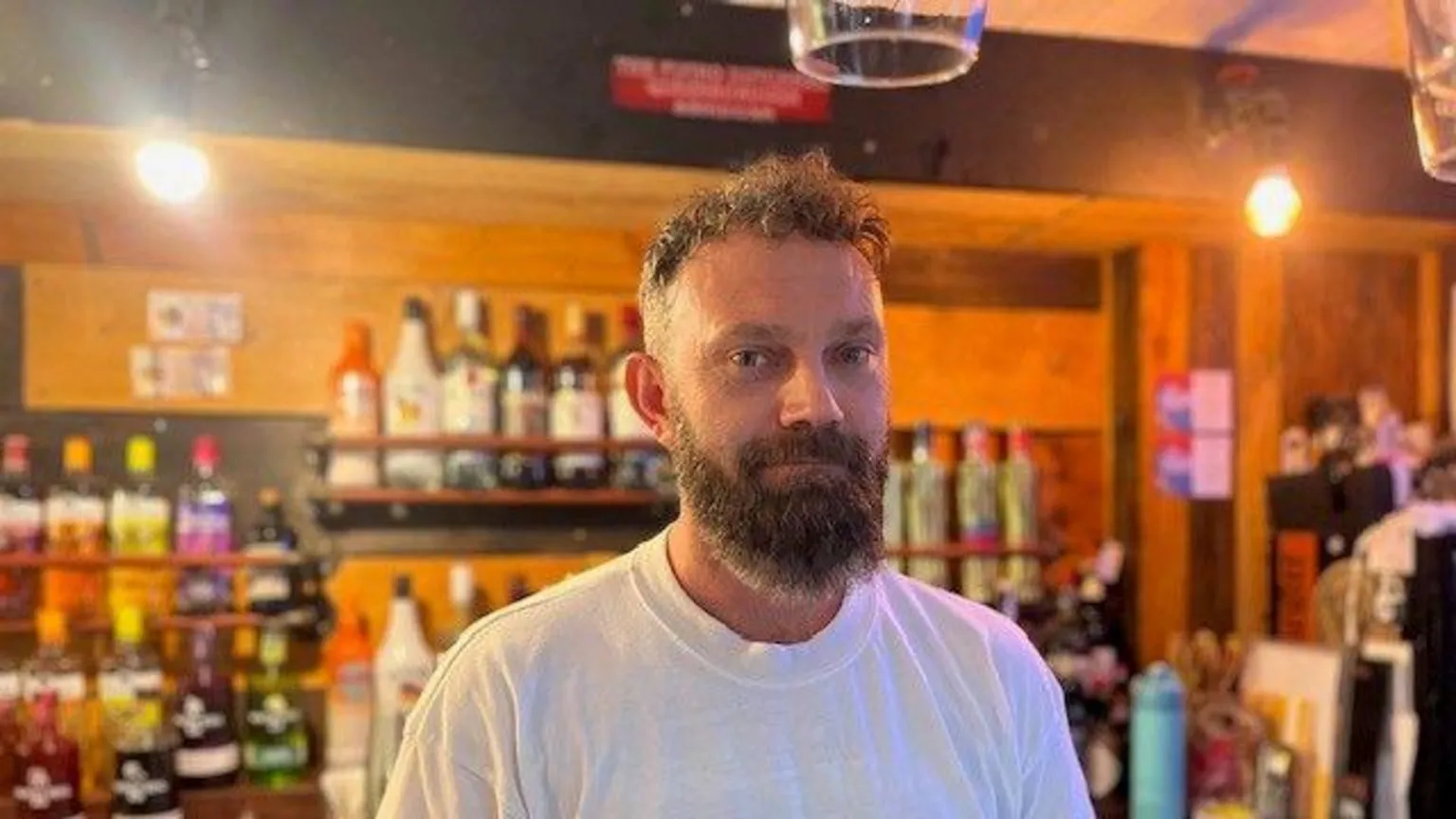
"It's always been free [and] it's been free for a reason - for local business to have a chance of thriving," says Matthew Nichol, barman at The Flying Dutchman pub.
Swale Borough Council and Kent County Council, which also serves the area, are in debt and need to balance their budgets by raising charges and cutting services.
On the Isle of Sheppey, one of England's poorest communities, many residents cannot afford basic necessities, let alone extras. The area experiences high levels of insolvencies, bankruptcies, and demand for debt advice.

Community Challenges and Financial Hardship
Sheppey has significant potential. Its beaches, nature reserve, and friendly community should make it an attractive place to live and visit.
However, for its 47,000 residents, financial difficulties are widespread. Common complaints include "there's no money here," with shops closing, charities struggling, and well-paying jobs scarce.
A morning at the local Citizens Advice drop-in clinic illustrates these issues.
One man reports being £20,000 in debt due to a failed business. He is working "all the hours" to repay it and cover a mortgage. The stress is affecting his mental health; he admits feeling "broken" but hesitates to seek psychiatric help as it would mean lost income.
"We get lots of clients coming in struggling with credit cards, loans, overdrafts, council tax, their rent, mortgage," says Blake Harmer, the Citizens Advice supervisor.
"We have people come to us where they'll have a carrier bag full of unopened letters and they just can't bring themselves to open [them]. They're burying their heads in the sand that much."
A few minutes' walk from the Citizens Advice office, 22-year-old Shania sits at the edge of a park feeding her newborn, while her toddler plays nearby.
She was recently evicted after complaining about mould and is seeking accommodation costing around £1,000 per month but has found none. She has "got in a bit of debt" and uses an overdraft.
"I've had to cut back on things," says Shania, "mainly treats for the kids or days out mostly."
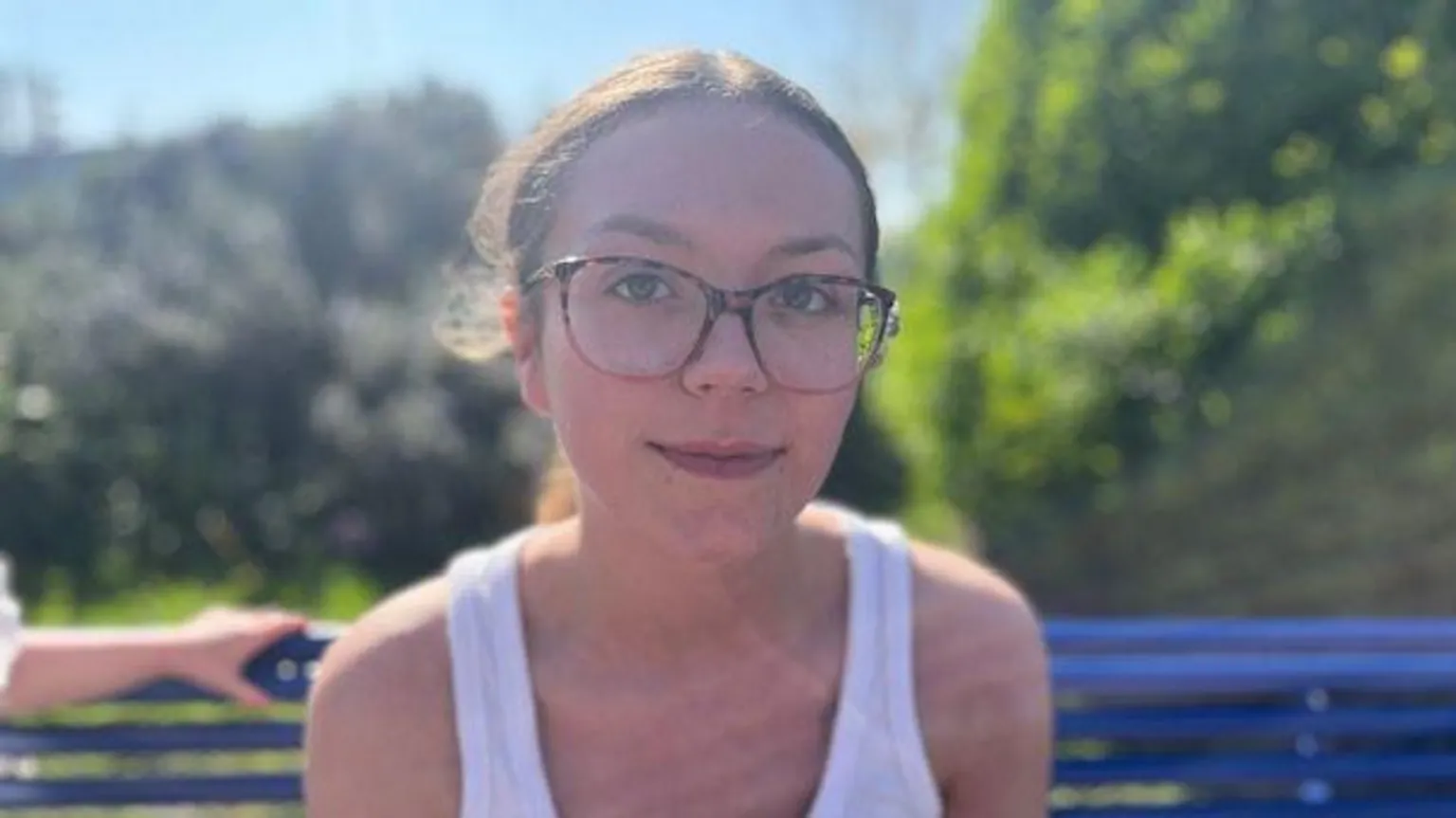
Nearby, Nick says he has not had a holiday in six years despite working 60 hours weekly.
"Tonight's my only night out of the week, to play darts with my friends," he says, "and I used to play darts three, four, five times a week. Before, you could be a bit more extravagant, but nowadays, everything costs more."
Economic Impact on Local Businesses and Services
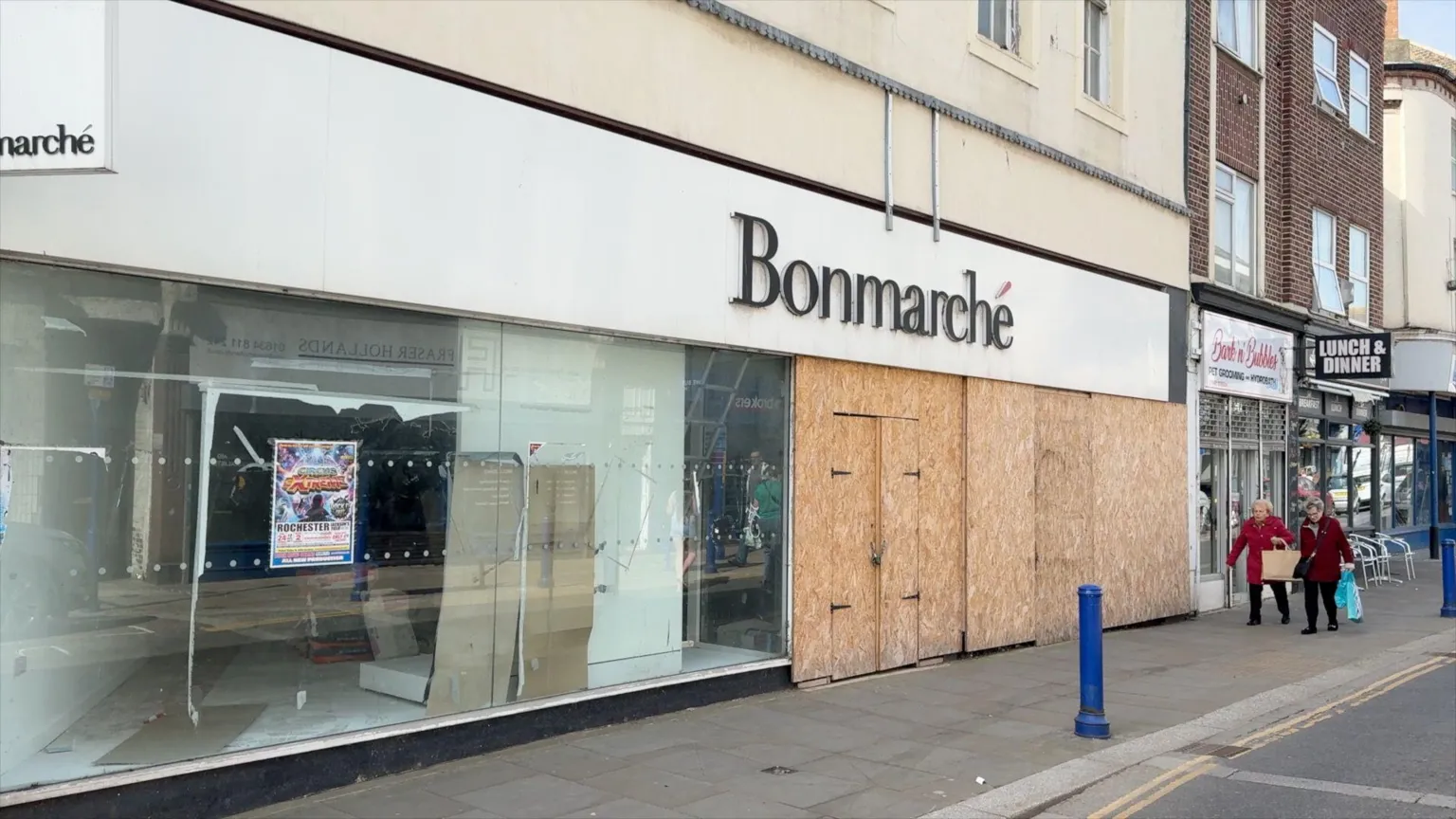
The financial strain is visible on Sheerness High Street, the island's main town. Among shuttered retail units are vape shops, bookmakers, and charity shops.
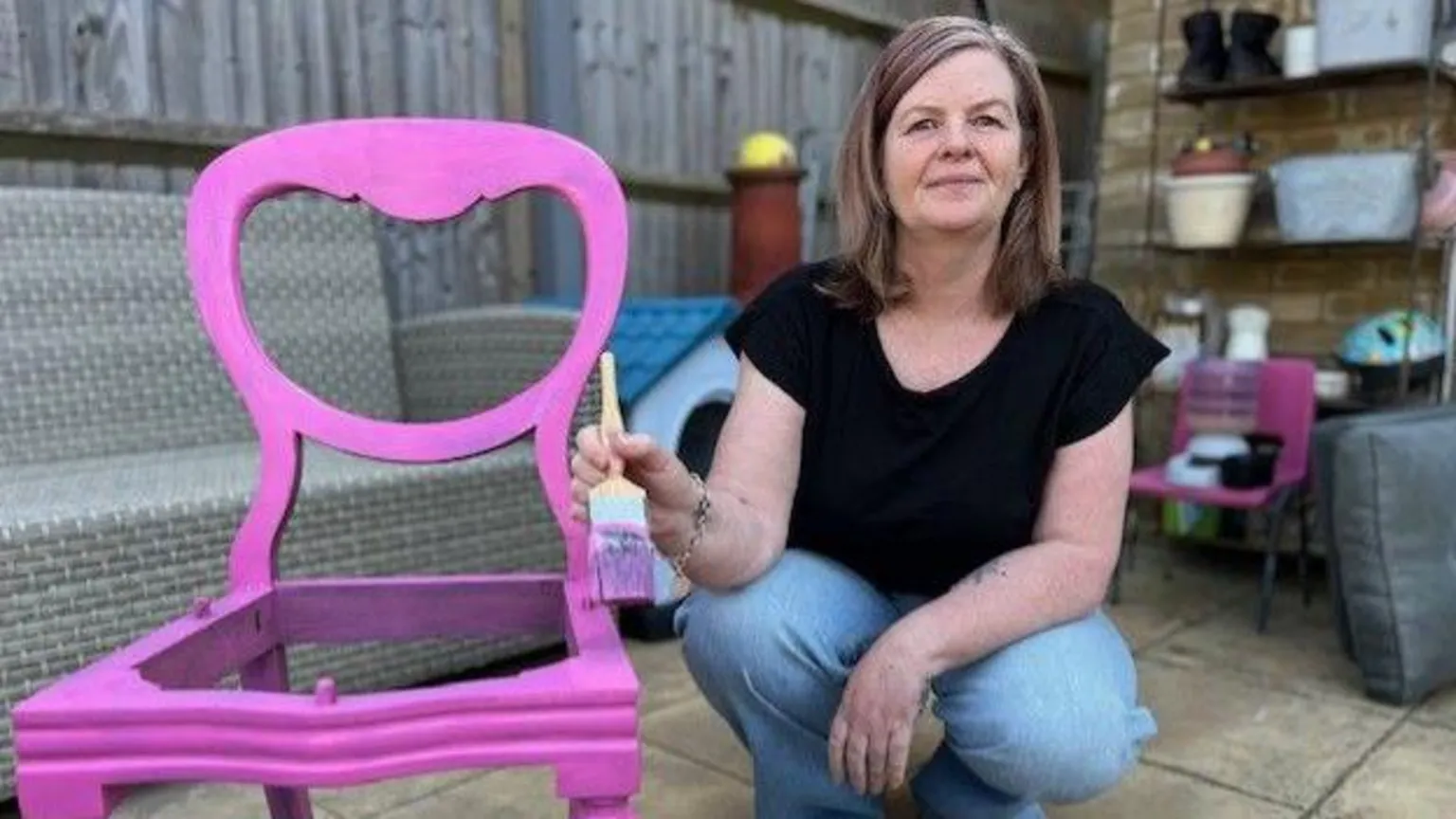
Until recently, Paula Desai operated a furniture restoration and novelty card shop there.
"Some days you could sit there all day and not get any [trade]," she says, describing running the Sheerness shop as "soul-destroying."
"You price things to reflect the area. And we would have people come from London and go 'Why is that so cheap?' They'd almost question whether or not it was good enough because it was so cheap."
She has since moved to selling online and at weekend markets in Folkestone, where trade is better.
The High Street has seen four shop closures in four months, affecting local community radio station Sheppey FM, which struggles financially.
Founded in 2012, Sheppey FM aims to provide opportunities for disadvantaged locals but now finds it difficult to attract advertising from local businesses, a key revenue source.
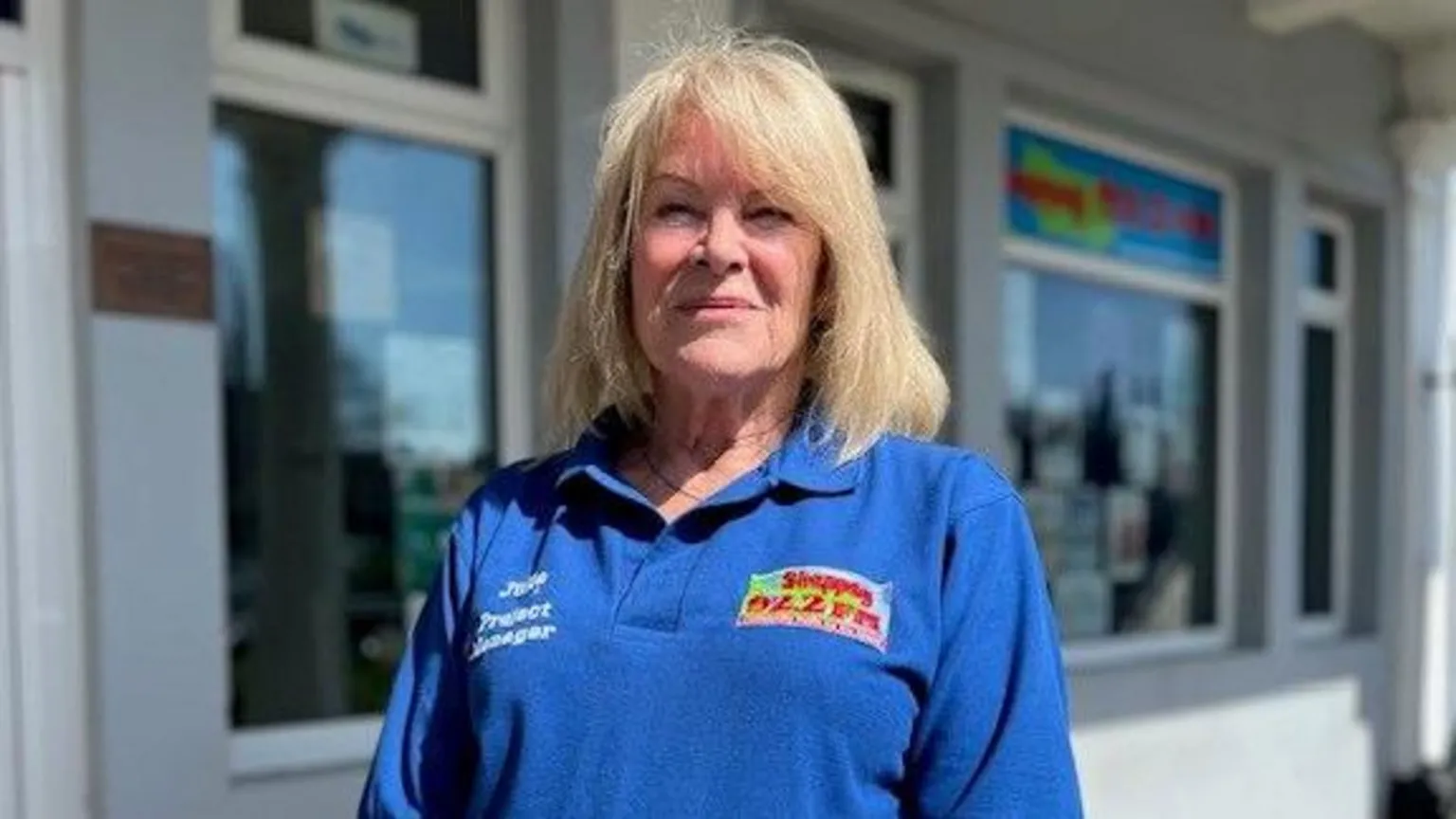
"We used to have a lot of local family businesses that would go out of their way to support community projects, us being one of them," says station manager Julie Nicholls, "and there's a lot less of that now."
Calls for Regeneration and Economic Revitalization
Labour MP Kevin McKenna, representing the island and Sittingbourne, believes a "complete rebuild" of the island is necessary.
"We need to focus a big regeneration project on Sheerness itself and on the towns on the western side of the island, because that will help us bring in new job opportunities," he says.
When asked about increased charges by local councils reflecting national tax rises, McKenna acknowledges the point.
He says he "absolutely gets" the argument but argues the government's actions are needed to "remodel the whole economy. Then over time we can bring those taxes back down again."
Investment and Financial Constraints
The Isle of Sheppey has received significant investment recently.
It obtained £20 million from the Levelling Up Fund, aimed at reducing regional inequality. This funding enabled refurbishment of Sheppey College, construction of an adventure golf course, and redevelopment of Sheerness's main gym.

The island also secured £2 million annually for the next decade from the government's Pride in Place programme, targeting disadvantaged areas.
Despite these grants, funding for local services is being reduced elsewhere.
Local authority services are split between Swale Borough Council, a minority Labour administration £13 million in debt, and Kent County Council, which has debts exceeding £650 million and is cutting services and raising charges.
The financial difficulties predate Reform UK taking control of the council last May, with the island still adjusting to decisions made by the previous Conservative administration.
Seashells family hub, assisting up to 400 children weekly, some facing food insecurity, had its funding cut by nearly 90% in 2025 by Kent County Council.
The council stated it faces "significant financial challenges" and has had to make "difficult decisions... to ensure services remain sustainable."
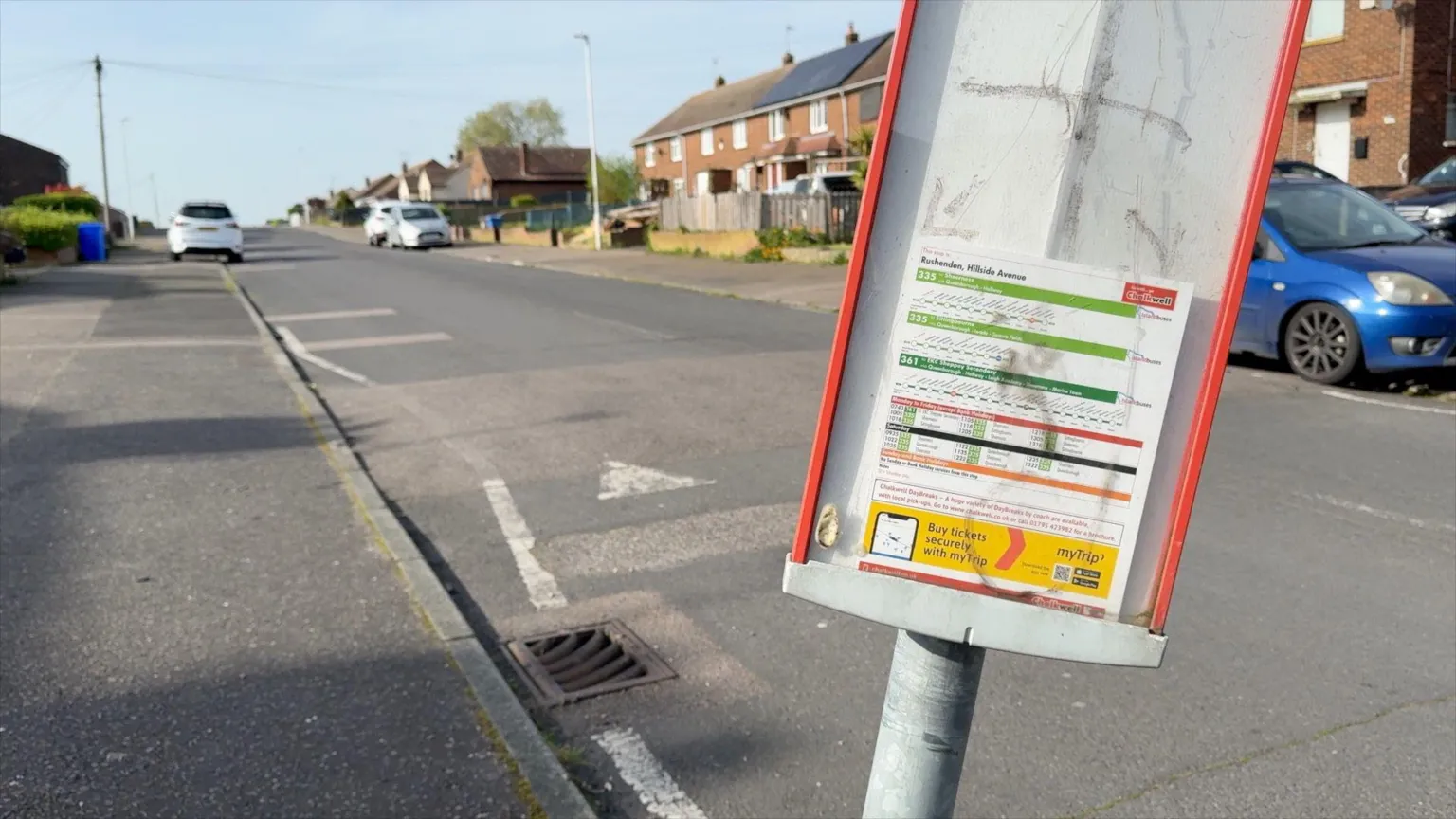
Funding for local bus services has also been significantly reduced, frustrating residents. In Rushenden village, for example, weekday buses run only between 10:05 and 13:20.
Data from 2021 shows only 0.7% of Sheppey residents commute by bus, six times lower than the England average of 4.3%.
Kent County Council reports spending more on subsidising bus journeys countywide than in the past.
Community Support and Transport Challenges
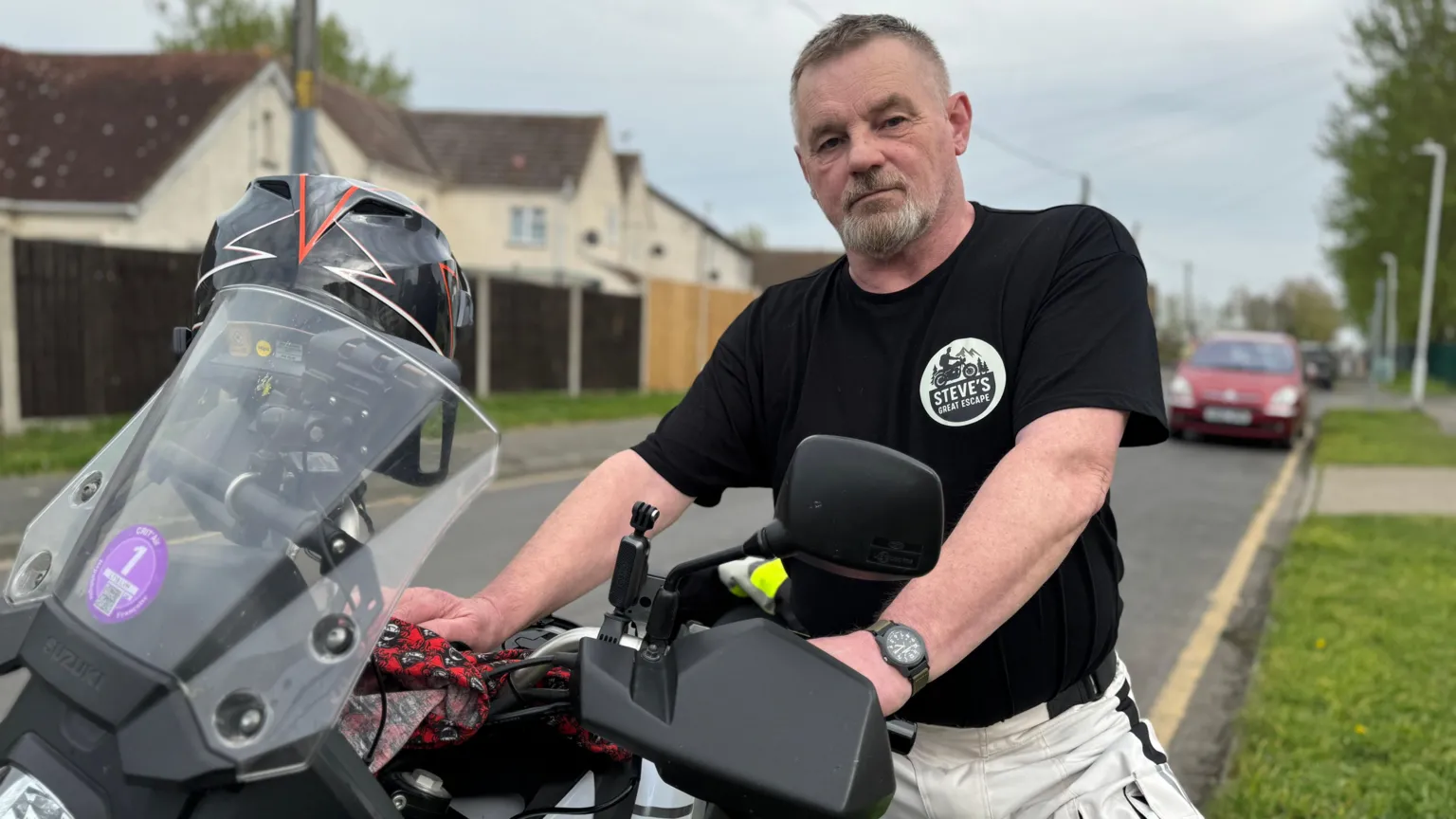
The limited bus service restricts residents' mobility, but community members help fill the gap. Steve Kilminster transports housebound islanders to hospital appointments and supermarkets.
"I joke around, calling myself International Rescue," says Kilminster. "There are loads of people on this island trying to make it a big community again, because it was always a caring, loving [place]."
Employment and Economic Opportunities
Higher-paying jobs would improve the local economy, but opportunities are fewer than before.
Aldi operates a large distribution centre on the island, but poor bus services limit some residents' ability to work shifts.
Sheerness Port, which imports many cars and fresh fruit, employs hundreds but previously employed thousands.
Despite multiple beaches, tourism is not a major employer; residents describe the scene as "dead" for several months annually.
Approximately 75% of Universal Credit claimants on Sheppey are unemployed, exceeding the England average.
"We need something like a business tsar, someone to promote the island for industry and employment," says Neal Williams, a Reform UK town councillor in Sheerness.
"A lot of kids have cottoned on to the apprenticeship scheme," he says, "a great idea if we've got the businesses, which we don't have because they seem to be folding – it's too expensive to be here."
Education and Social Issues
Poor educational outcomes have contributed to Sheppey's challenges for years. In 2023, secondary school teachers went on strike over safety concerns due to poor pupil behaviour.
Only 16.8% of Sheppey residents have higher education qualifications, half the England average.
With limited prospects and financial strain, some residents turn to crime. Crime rates on Sheppey are twice the Kent average, including violent and sexual assaults and shoplifting.
Some individuals resort to drug dealing to make ends meet, according to Alison Backshall, who runs the Sheppey Support Bus community pantry.
"There is a lot of need to support your family and people will do whatever they can do," she says.
Support for Young Entrepreneurs and Funding Challenges
One project for young people received significant funding. Approximately £1.75 million, mostly from Swale Borough Council, was spent renovating Masters House, which since 2023 has supported young local entrepreneurs with mentorship and reduced business rents.
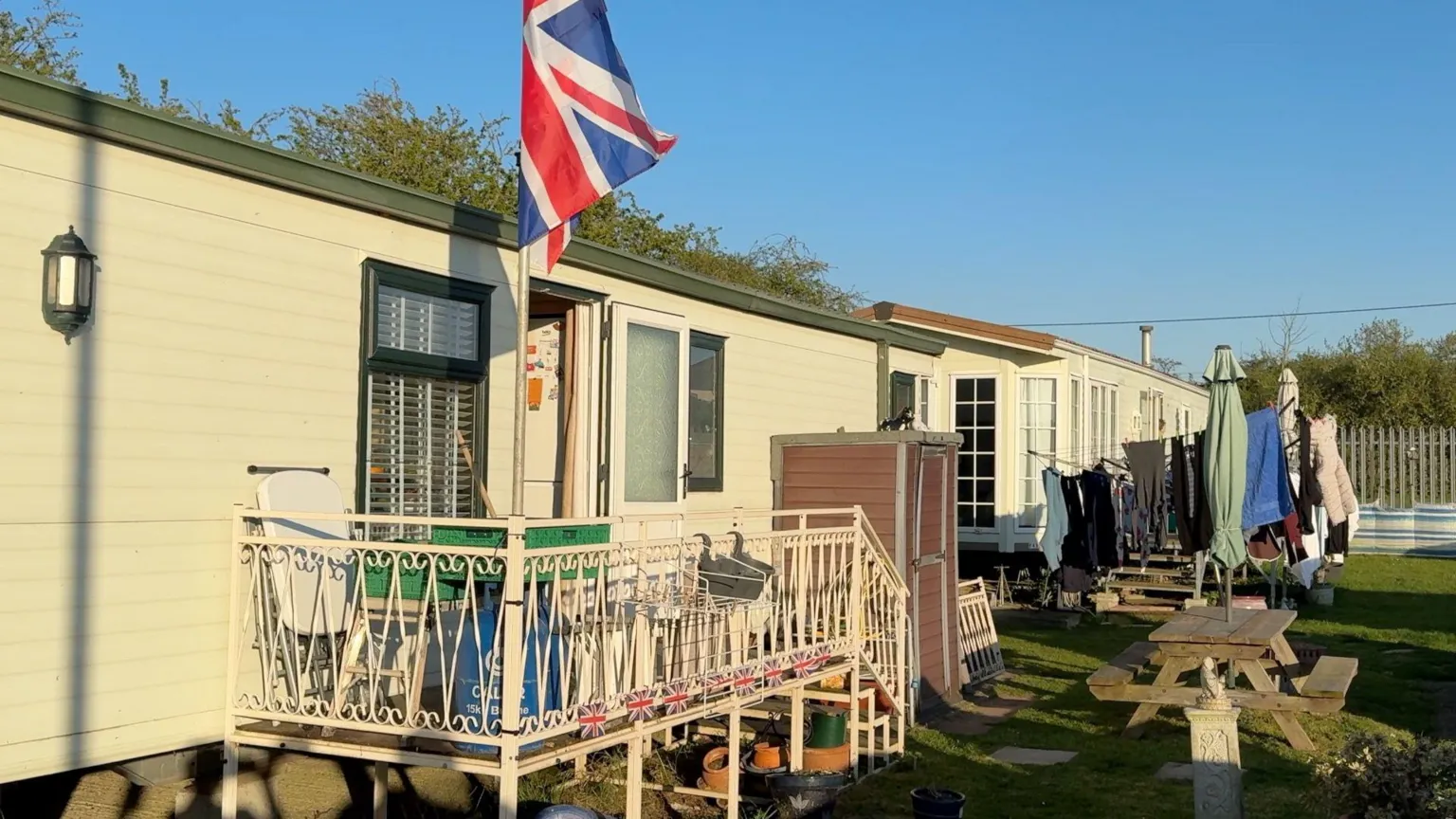
Many participants come from disadvantaged backgrounds, with some living in static caravan parks due to unaffordable housing.
However, the project faces financial difficulties. Despite the initial investment, long-term support has not been established, and its continuation depends on charitable funding, which is increasingly scarce.
Shared Challenges Across the UK
The difficulties in developing and progressing on the Isle of Sheppey reflect broader issues across the UK. Residents report working harder and longer for limited rewards. When seeking help, they often find services stretched and under-resourced.


