

Cat Owner Faces £14,000 Vet Bills After Accident
When a veterinarian knocked on Piers Walker's door to inform her that her cat had been struck by a car, she did not anticipate the ordeal would culminate in bills totaling £14,000.
Without pet insurance, Walker had to pay £5,000 upfront for emergency treatment and has since been paying approximately £500 monthly to settle the remaining costs.
Her experience highlights a broader trend in the UK, where veterinary care costs have increased by 63% between 2016 and 2023. This rise is attributed to higher overhead expenses, advances in veterinary care, and the growing corporate ownership of veterinary practices.
The British Veterinary Union (BVU) stated that these cost increases are largely beyond the control of local practices and are unlikely to decrease in the near future.
More than half of UK households are believed to own a pet. However, according to Tesco Insurance, 40% of dog and cat owners do not have pet insurance, leaving them vulnerable to substantial bills when their animals become injured or ill.
'My first response was, is he alive?'
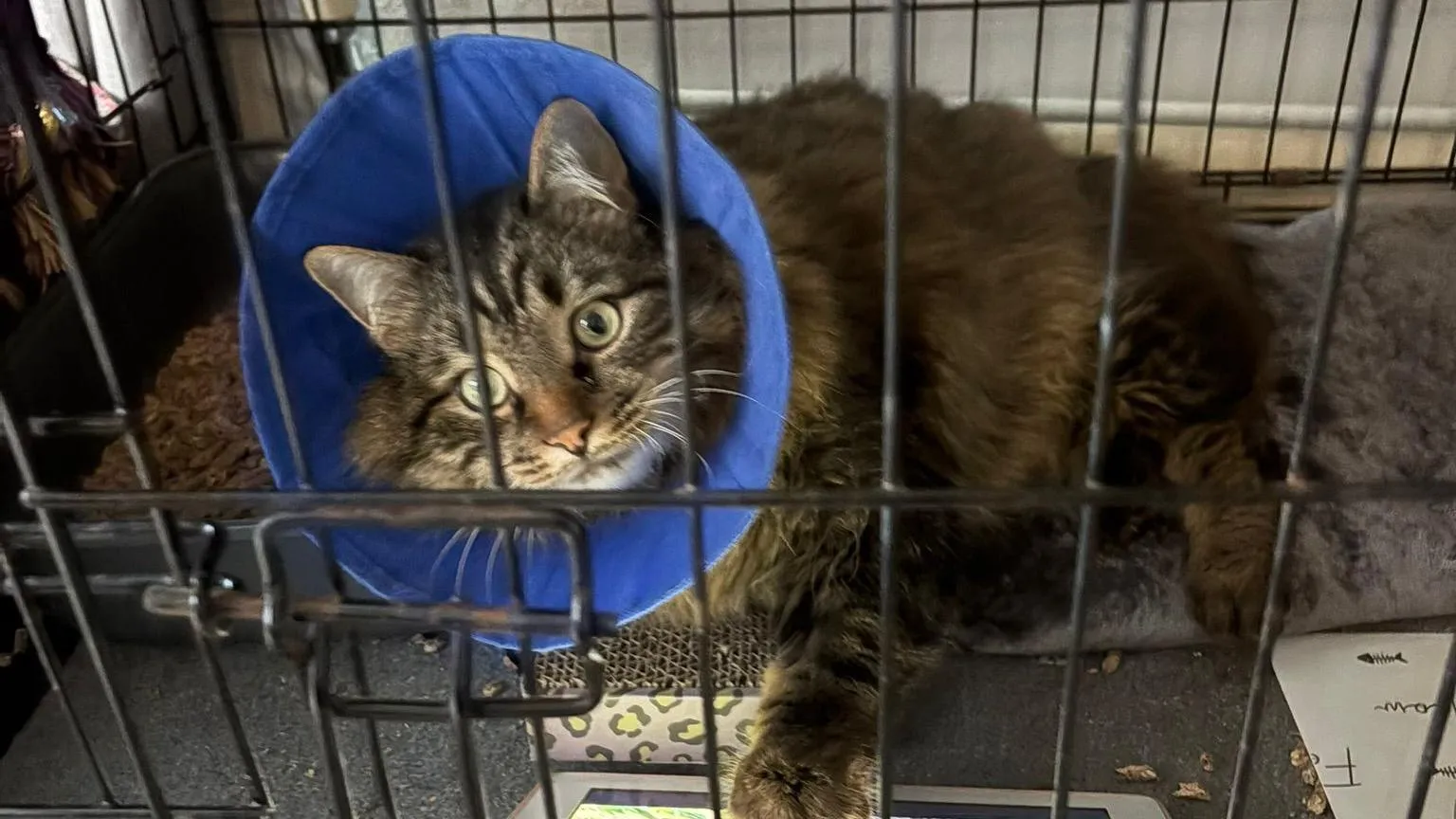
Walker, who lives in Bishopston, Bristol, reported that her Siamese Oriental cat, Maneesha, escaped through a hole in the garden fence before being injured.
After several days of searching, Walker received a "dreaded knock on the door."
"My first response was, is he alive?" she said.
Maneesha was found by a dog walker, described as "freezing cold" and suffering from hypothermia, and was taken to an emergency clinic.
Walker described Maneesha's condition: "He was in a dreadful state. His jaw was broken in two places and his skull was crushed."
The initial treatment, which included pain relief and scans, cost £1,500.
Walker, who owns eight cats—many inherited after her sister's death in 2019—chose not to insure them due to the cost.
"I had cat fencing up in the garden," she said. "I didn't think anything like this would happen."
Maneesha was referred to a specialist practice in Wiltshire, where the costs increased significantly.
"I had to find £5,000 before they would do any work," she said.
Walker added, "It just kept creeping up. The total bill was about £14,000."
Maneesha survived but lost one eye in the accident.
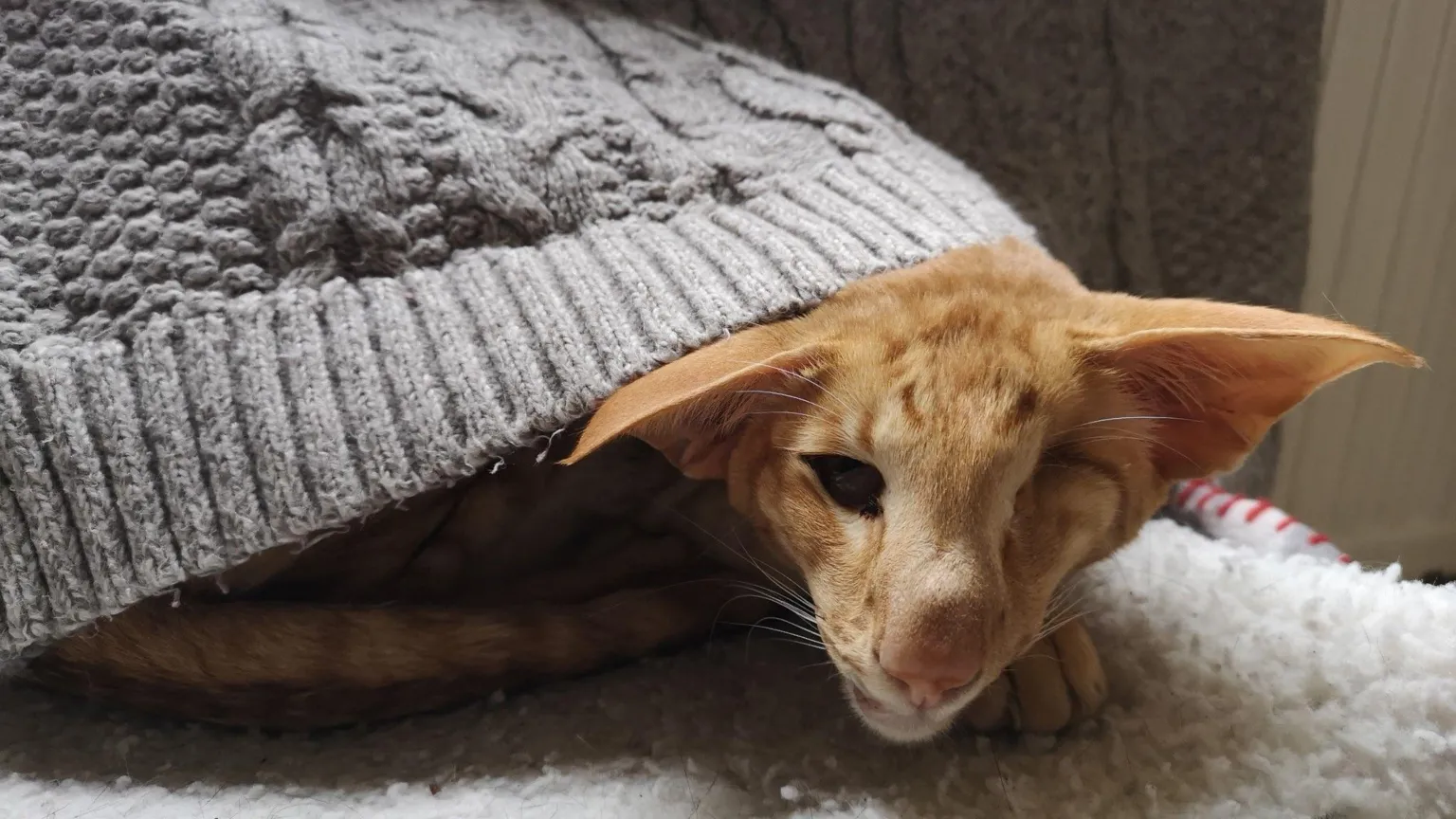
Walker expressed concerns about the rising costs of pet ownership.
"I think they are putting prices up wherever they can," she said.
Why vet bills are rising
Approximately 60% of UK veterinary practices are owned by six corporate groups, a significant increase from 10% a decade ago, according to the Competition and Markets Authority (CMA).
The CMA found that veterinary prices have risen at nearly twice the rate of inflation and has called for reforms to improve transparency and address what it described as an "unfit" regulatory framework.
Dr Rob Williams, president of the British Veterinary Association, explained that rising costs reflect both advances in veterinary care and higher operating expenses.
"Quite simply, vets can do so much more today to help animals than even a decade ago," he said.
"Increasingly, pet owners expect human-quality healthcare for their pets - and that does come at a cost."
'Enormous' financial toll
Sophie Butler from Brislington, who has pet insurance, has spent thousands of pounds treating her dog diagnosed with follicular lymphoma, as well as her 13-year-old rescue cat suffering from chronic kidney disease.
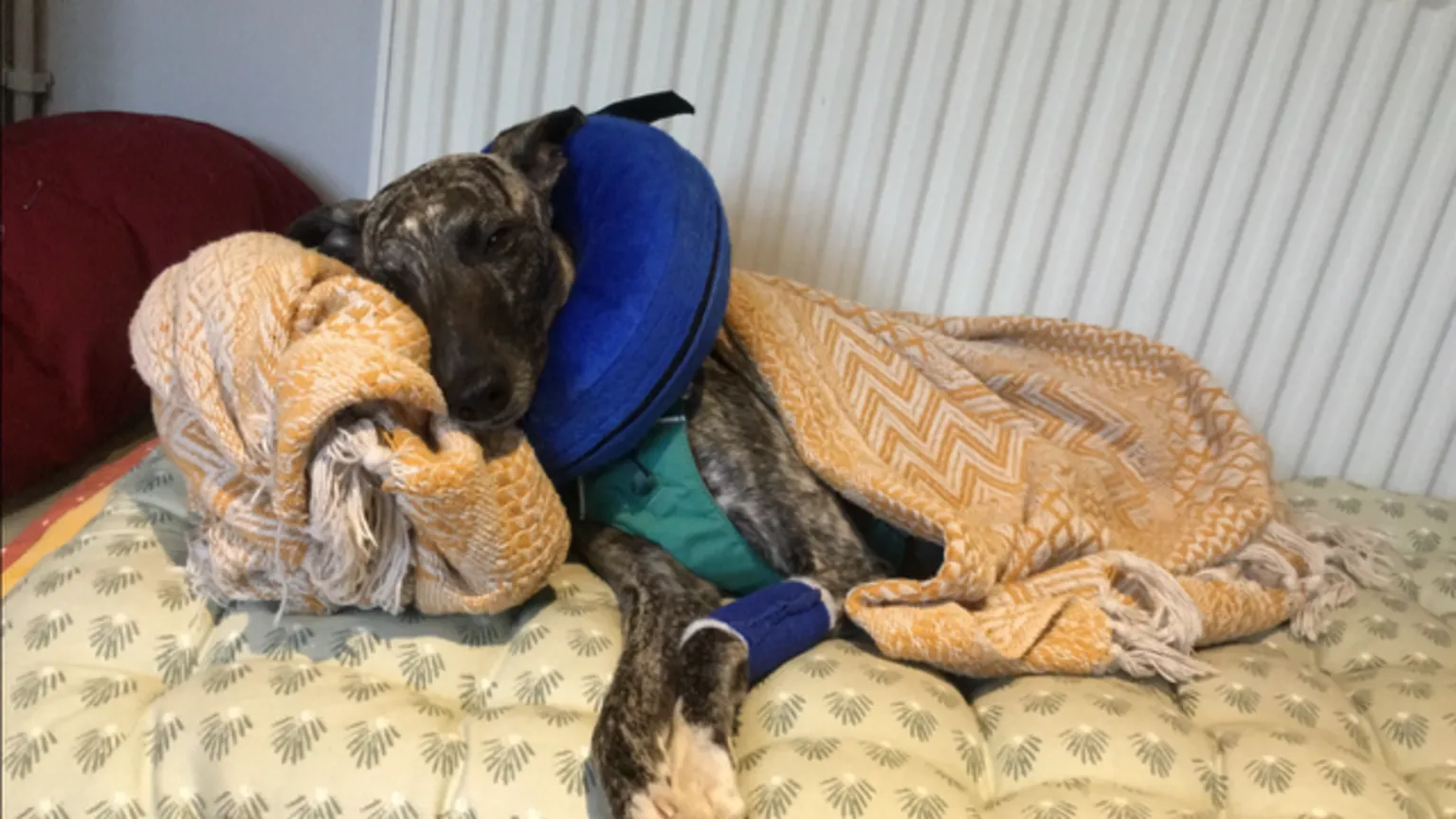
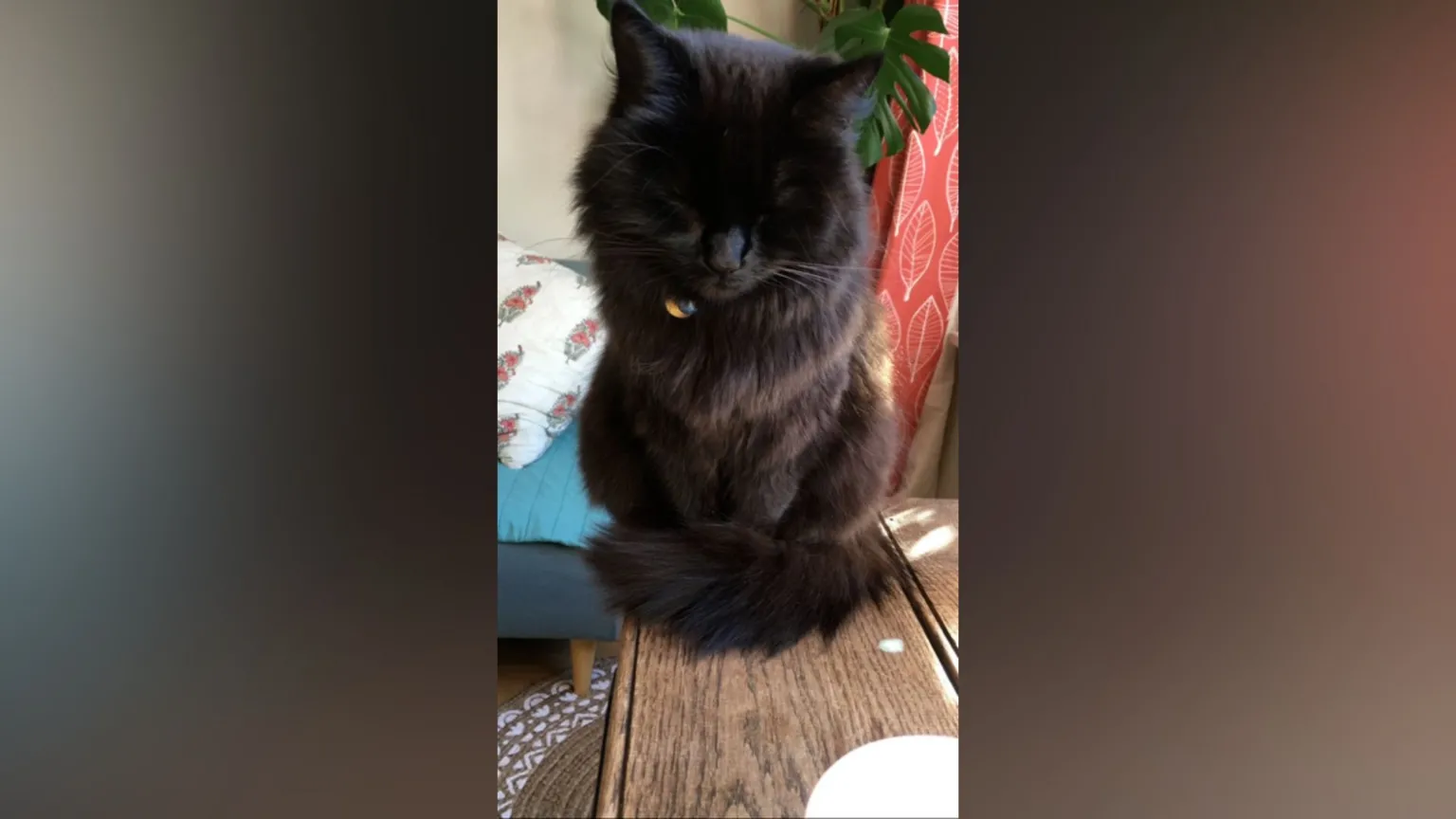
Butler stated that her insurance policy has a £7,000 cap, requiring her to cover the remaining treatment costs. Her monthly expenses, including premiums, excess, and medications, amount to about £300.
Despite the significant financial burden, Butler considers the expenses worthwhile.
"I knew that pets cost money, but no-one can quite anticipate what might happen."
Shelley Perkins, from Henleaze, Bristol, has spent over £20,000 on cancer treatment for her five-year-old cocker spaniel, Roxy, over two years.
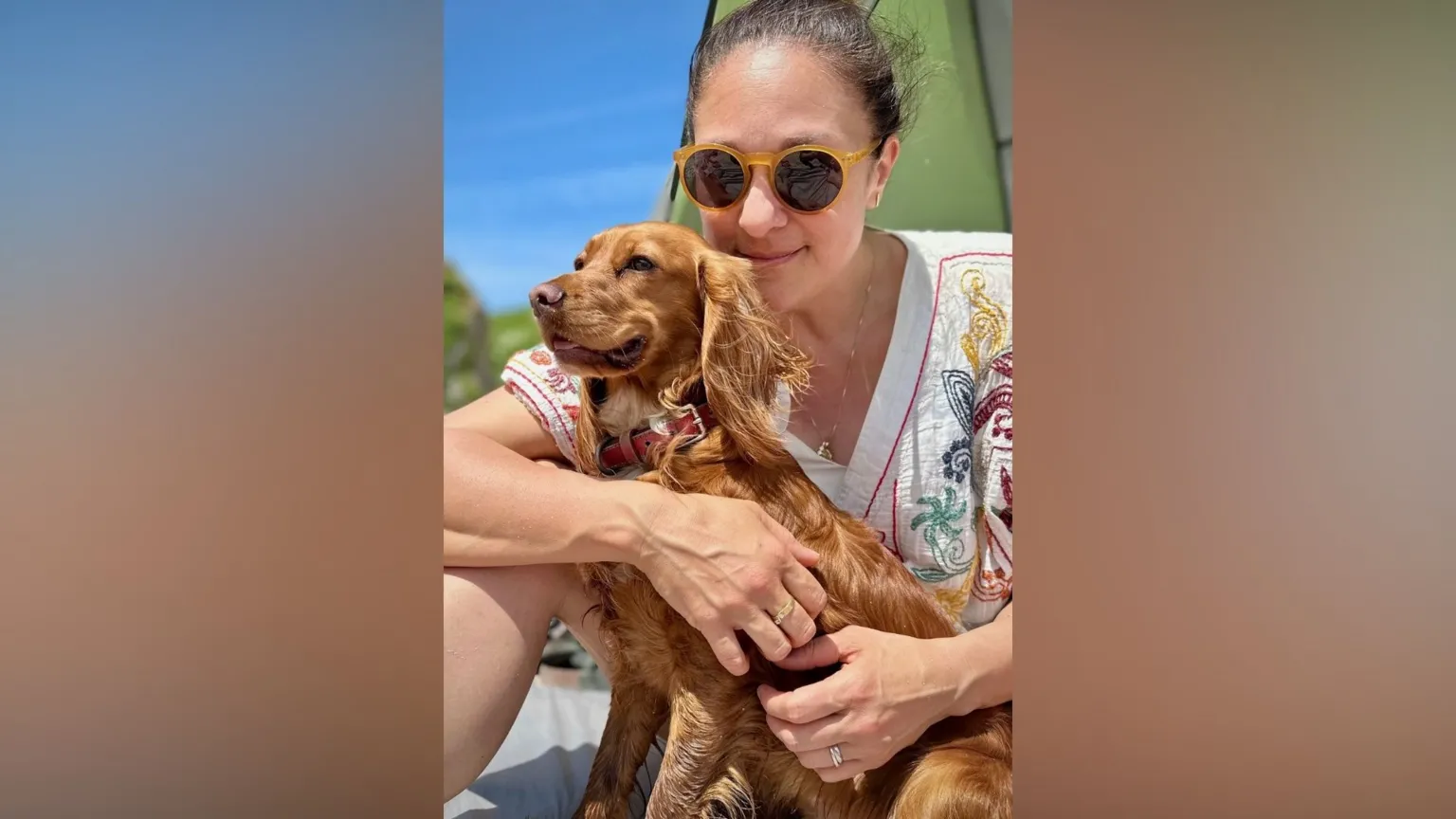
Although insurance covers most of Perkins' dog's care, she pays approximately 25% of the bills and her insurance premium has increased to £100 monthly.
Perkins expressed surprise at the high cost of treatment and sympathy for those without insurance.
"For someone who isn't insured, it can be quite terrifying," she said.
While Roxy is now in remission, Perkins remains concerned about future expenses.
"I think they've got us all over a barrel," she said. "You love your pet, so you're going to pay."
Pressure on staff 'draining'
Suzana Hudson-Cooke, chair of the British Veterinary Union, explained that most pricing decisions are made at the corporate level.
"We understand why pet owners are feeling the pinch," she said. "But most of us are employees - we don't control pricing structures and we're not paid on commission."
Hudson-Cooke reported anecdotal evidence of increasing abuse directed at veterinary teams.
"When there's no-one else to direct that frustration at, it can end up being taken out on frontline staff," she said.
She added that when owners bring in unwell pets but cannot afford treatment, it has a significant emotional impact on veterinary staff.
"They find it draining, because they feel like the bad guy."
'Thank God I had that policy'
Rosie Matthews, from Chew Valley in Somerset, expressed relief at having taken out a higher-level insurance policy just weeks before her cat, Scratch, was hit by a car.
The policy covered an £8,000 hip replacement.
"I'm a carer, my partner is an electrician. We're not hugely rich, so thank God I had that policy," she said.
Matthews said she felt fortunate to have found a trustworthy veterinarian.
"I've heard horror stories of people being charged thousands just for scans," she said.
"I think we've found a good one and we'll stick with them."
She believes insurance is essential but also advocates for limits on pricing.
"These animals are like family," she said. "People shouldn't have to worry or have to shop around."
The BVU advises pet owners to research treatment costs, consider insurance, and maintain an emergency fund.
It also notes that veterinarians are required to outline all treatment options, which can sometimes create the impression that more expensive procedures are being promoted.
Further reforms expected later this year aim to improve transparency but are not anticipated to reduce prices.
Follow BBC Bristol on Facebook, X, and Instagram. Send your story ideas to us via email or WhatsApp on 0800 313 4630.


