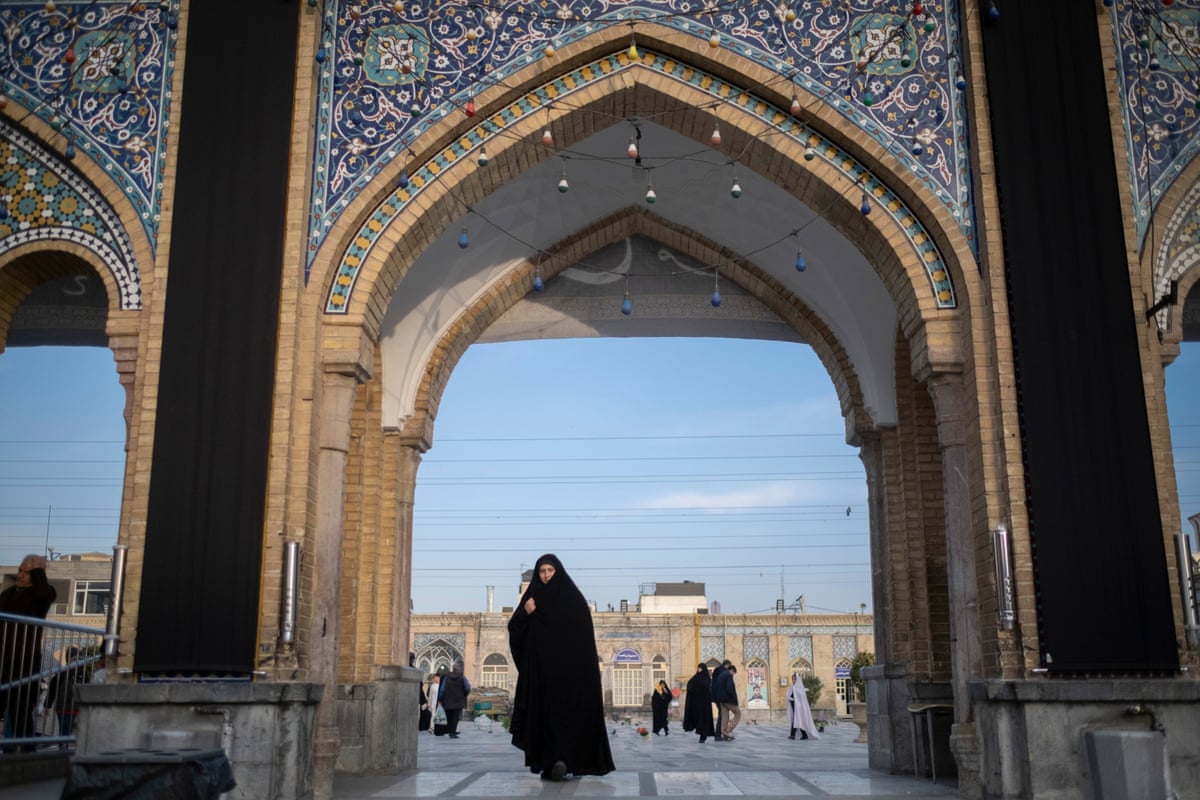
Iranian Official States Strait of Hormuz Open to All Except Enemy Vessels
An Iranian official declared that with appropriate security and safety measures, the Strait of Hormuz remains open to all ships except those belonging to "enemy" countries, according to Iran’s Mehr news agency.
Ali Mousavi, Iran’s representative to the United Nations’ International Maritime Organization, attributed the continued effective closure of this crucial oil passage to US-Israeli "aggression."
"Diplomacy remains Iran’s priority, however, a complete cessation of aggression and mutual trust and confidence are more essential," Mousavi stated.
Iran has allowed certain friendly nations, including China, India, and Pakistan, to ensure safe passage of their vessels through the strait. However, it has restricted access for others by attacking ships and reportedly engaging in hostile actions, precipitating a significant crisis in global energy markets. Iran identifies its adversaries as the US, Israel, and their allies.
The US is reportedly contemplating plans to occupy or blockade Iran’s strategically vital Kharg Island to compel Tehran to reopen the waterway, representing a major escalation in the US-Israeli conflict with Iran.
US President Donald Trump, facing domestic pressure amid soaring oil prices, has issued a warning that the US will "obliterate" Iranian power plants if the strait is not reopened within a 48-hour deadline.
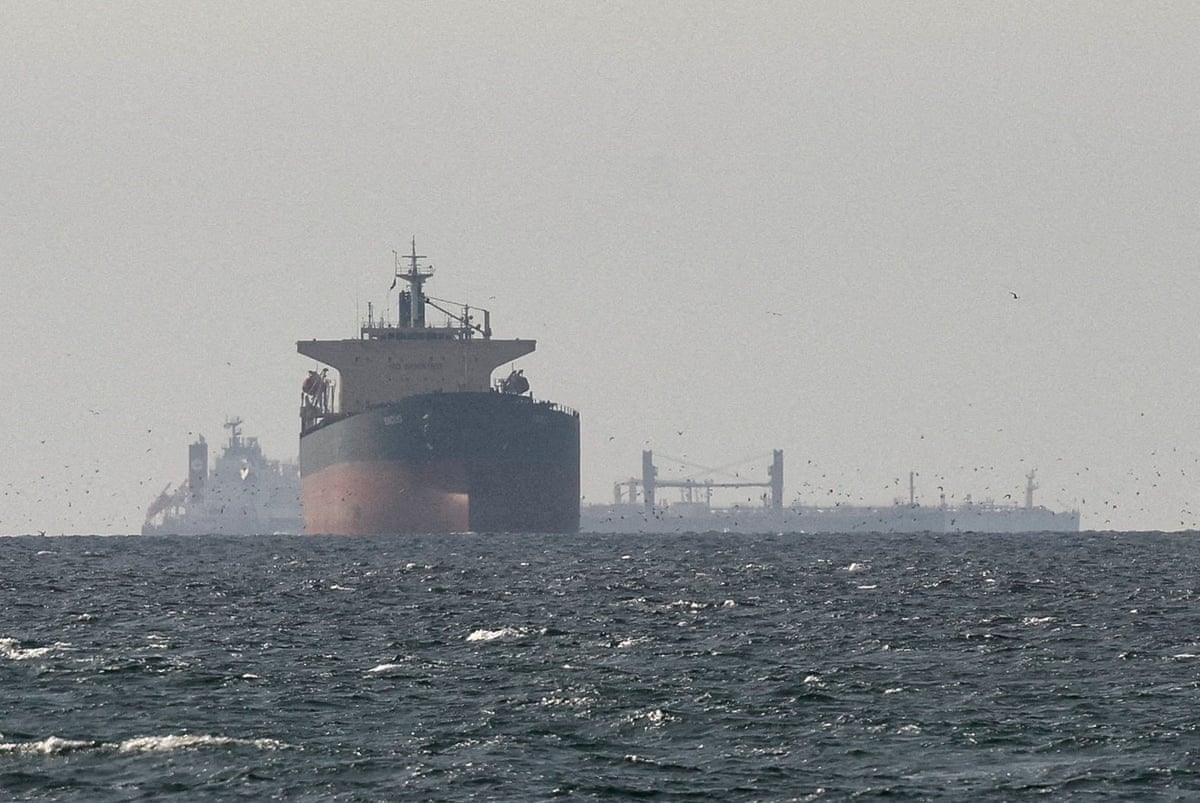
Russia Benefits Amid US-Israeli Conflict with Iran
Russia has emerged as a significant beneficiary of the US-Israeli conflict with Iran. The Russian government has issued a 30-day waiver allowing countries to purchase sanctioned Russian oil and petroleum products stranded at sea, aiming to alleviate surging oil prices driven by the escalating conflict.
Russia has been subject to US and European sanctions since its full-scale invasion of Ukraine in February 2022. Analysts warn that easing sanctions could provide Moscow with substantial financial resources to continue its war efforts in Ukraine.
When asked if Russian President Vladimir Putin is profiting from the easing of sanctions—a move condemned by many European nations—Ukrainian President Volodymyr Zelenskyy told the BBC:
"Putin will want a long war. For Putin, a long war in Iran is a plus. In addition to energy prices, it means the depletion of US reserves and the depletion of air defence manufacturers – so we have a depletion of resources. So, it is beneficial for Putin that the resources do not go to Ukraine against whom he has directed his army and is fighting with. He needs to weaken us and this is a long process. The Middle East is one of the ways to do that."
Zelenskyy Expresses Concern Over Iran Conflict’s Impact on Ukraine
In a BBC interview recorded during a visit to London, Ukrainian President Volodymyr Zelenskyy discussed the impact of US President Donald Trump’s diverted attention from Russia’s war on Ukraine to the US-Israeli conflict with Iran. He said:
"I have a very bad feeling about the impact of this war on the situation in Ukraine and the focus of America is more on the Middle East than on Ukraine, unfortunately. Therefore, you see that our diplomatic meetings, trilateral meetings are constantly postponed. There is one reason: war in Iran."
Zelenskyy noted that despite postponed trilateral meetings, Kyiv and Washington officials maintain daily communication, as do Washington and Moscow. He added:
"The American side, because of this war in Iran, said that it was ready to host both sides in America. We confirmed our participation but the Russians are against meeting in the United States of America. That’s why for the time being we try to focus on America proposing a date and place. Ukraine will support any date and any place but certainly not in Russia."
Israeli Military Claims Iranian Regime Poses Global Threat
The Israel Defense Forces (IDF) stated that the Iranian regime represents "a global threat," claiming that Iran’s missiles "can reach London, Paris or Berlin," though no evidence was provided to support this assertion.
This statement followed a reported attempted Iranian missile strike on the joint UK-US base on Diego Garcia in the Chagos Islands on Thursday night into Friday morning.
According to the Iranian news agency Mehr, Tehran launched two intermediate-range ballistic missiles at the Chagos Islands. One missile was intercepted by a US warship, while the other failed during flight, according to multiple officials cited by news sources.
There is skepticism regarding Iran’s capability to launch missiles reaching Diego Garcia, approximately 4,000 kilometers from Iran.
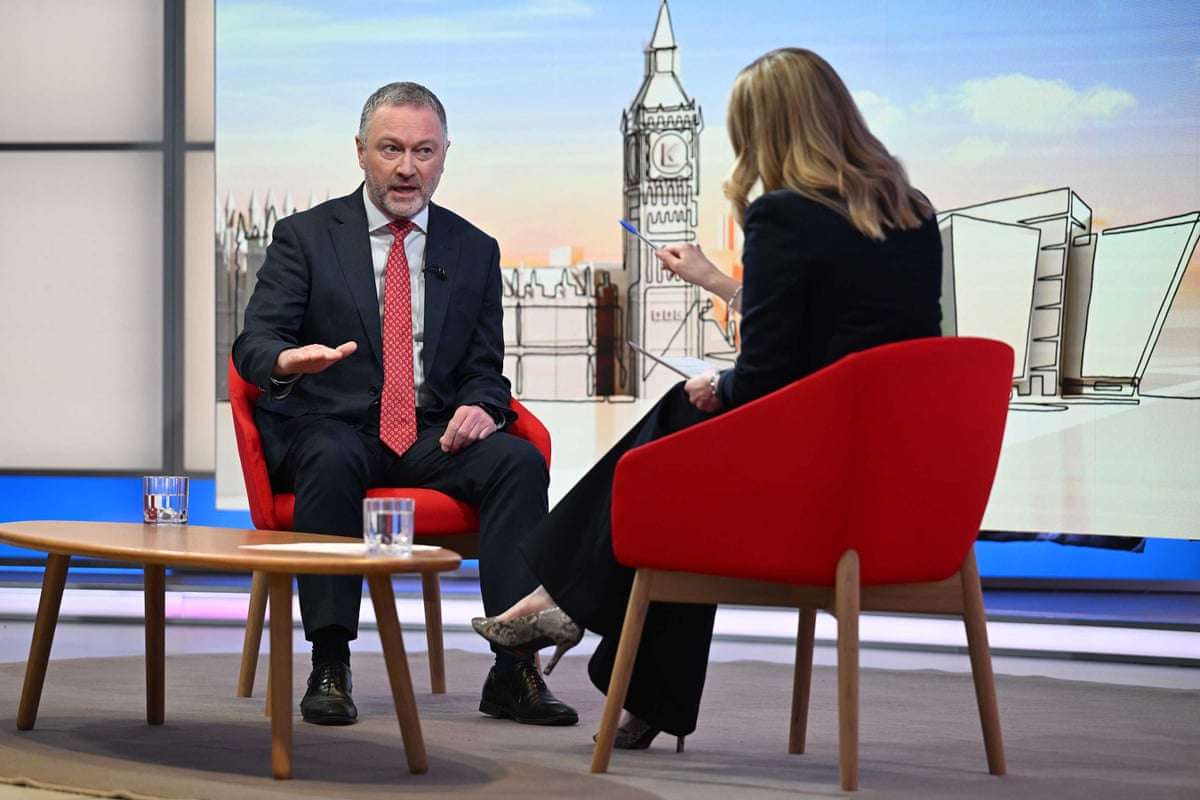
Speaking on BBC’s Sunday with Laura Kuenssberg programme, UK Housing Secretary Steve Reed declined to specify how close Iran’s long-range missiles came to Diego Garcia. He suggested Israel’s claims about Iran’s missile capabilities targeting Europe are exaggerated, stating:
"There is no specific assessment that the Iranians are targeting the UK or even could, if they wanted to. We have the finest military in the world. We are perfectly capable of protecting this country."
Reed described the IDF’s statement as "conditional," adding, "there is no assessment to substantiate what’s being said."
Bahrain Reports Interception of Iranian Drones and Missiles
Bahrain’s defense forces report having intercepted and destroyed 246 drones and 145 missiles originating from Iran since the onset of the conflict.
Bahrain, a close US ally, hosts the US Navy’s Fifth Fleet and regional naval command, making it a strategically important target.
Reports have also emerged of a drone attack targeting a military base near Baghdad International Airport on Sunday.
The AFP news agency reports that at least six overnight attacks targeted a US diplomatic and logistics center at Baghdad airport.
"Eight separate attacks, carried out until dawn with rockets and drones targeted the US centre," a senior security official told AFP, while a second official cited six strikes without attributing responsibility. Independent verification of these reports remains pending.
Key Developments in the Middle East Conflict
US President Donald Trump has issued a 48-hour ultimatum demanding Tehran fully reopen the Strait of Hormuz, threatening escalation just one day after discussing potential military action.
In response, Iran’s military warned it would target all US "energy, information technology and desalination infrastructure" if its own facilities are attacked.
On Saturday, Iranian missile strikes on the Israeli cities of Arad and Dimona wounded over 100 people. Officials reported 84 wounded in Arad, including 10 in serious condition, and 30 wounded in Dimona, according to Agence France-Presse. The Israeli Air Force is investigating its failure to prevent these attacks.
The International Atomic Energy Agency reported no signs of damage to the Negev nuclear research center near Dimona.

On Sunday, several explosions were heard in Jerusalem following Israeli military warnings of incoming Iranian missiles. The Israeli military also announced conducting strikes in Tehran.
Iranian attacks on Gulf nations continued Sunday morning. Saudi Arabia’s Ministry of Defence detected three missiles launched toward Riyadh, intercepting one while two fell in uninhabited areas.
Iran’s official IRNA news agency reported a drone attack on a military base near Baghdad International Airport on Sunday.
Amid the conflict’s global economic impact, Sri Lanka raised fuel prices by 25%, marking the second increase in two weeks as the war and effective closure of the Strait of Hormuz ripple worldwide.
Japan indicated it might deploy military forces for minesweeping in the strait if a ceasefire is reached, according to Foreign Minister Toshimitsu Motegi. Iran has been accused of laying mines in the waterway.
The death toll from the conflict has risen to over 1,500 in Iran, more than 1,000 in Lebanon, 16 in Israel, 13 US military members, and numerous civilians in the Gulf region, according to the Associated Press. Millions in Lebanon and Iran have been displaced by the Israeli war on Iran.
Trump’s threat to "obliterate" Iran’s energy facilities if the strait is not reopened within 48 hours risks further destabilizing global energy and financial markets, reports.
IG market analyst Tony Sycamore commented:
"President Trump’s threat has now placed a 48-hour ticking time bomb of elevated uncertainty over markets. If the ultimatum is not walked back, we will likely see a Black Monday reopening of global equity markets in free fall and oil prices spiking significantly higher. Tehran would likely target Gulf energy facilities in Saudi Arabia, the United Arab Emirates and Qatar, which would deepen and prolong the pain of higher energy prices and drag the conflict into a broader regional crisis."
Oil prices surged on Friday, settling at their highest in nearly four years after Iraq declared force majeure on all oilfields developed by foreign firms, Iran attacked a major gas field, and Tehran responded with strikes on neighbors Saudi Arabia, Qatar, and Kuwait.
Iranian attacks have effectively closed the Strait of Hormuz, a narrow choke point responsible for about one-fifth of global oil and liquefied natural gas supplies. The near-closure caused European gas prices to surge as much as 35% last week and prompted Asian countries to seek energy conservation measures, including urging remote work and introducing four-day workweeks.
Rocket Fire from Lebanon Kills One in Northern Israel
Israeli first responders reported that rocket fire from Lebanon killed one person near Israel’s northern border on Sunday, according to AFP.
The victim was pronounced dead after their vehicle was struck. Local firefighters reported that flames engulfed two vehicles following a "direct hit."
Iran’s Social Media Strategy Overhauled Amid Information War
Iran has significantly revamped its social media strategy as part of an extensive information campaign launched by the country’s Islamic leadership in response to US and Israeli military actions.
Cybersecurity experts note that Iranian foreign influence operations have intensified, employing an "asymmetric" approach designed to complement military retaliation and increase moral pressure on the US and Israel to reduce their war efforts.
This strategy involves flooding platforms such as X, Instagram, and Bluesky with targeted content exploiting the war’s unpopularity in the US, including among supporters of former President Trump.
Previous multi-issue campaigns supporting causes like Scottish independence and Irish unification have been replaced by a focused message featuring AI-generated videos and memes mocking Trump and Israeli Prime Minister Benjamin Netanyahu.
Iranian sources claim successful strikes on the USS Abraham Lincoln aircraft carrier and bomb damage in Tel Aviv as part of their retaliation efforts.
Economic Fallout and Market Volatility Persist
Following initial US and Israeli strikes on Iran, financial markets initially anticipated a brief economic impact. However, three weeks later, the prospect of prolonged conflict is generating mounting economic challenges.
Oil prices have exceeded $100 per barrel, European gas prices have doubled, market volatility persists, and consumers worldwide face rising living costs. Central banks, including the US Federal Reserve and European Central Bank, warn the conflict could materially affect inflation and global growth.
Daily emerging issues include rising petrol and diesel prices, flight cancellations, and significant travel disruptions—the worst since the COVID-19 pandemic.
Israel’s Health Ministry reported that 4,564 people have been hospitalized since the US-Israeli conflict with Iran began on 28 February, with 124 currently hospitalized, including 13 in serious condition and one in critical condition.
Mojtaba Khamenei Absent from Eid al-Fitr Prayers
Tehran observed the conclusion of Ramadan and the Persian New Year, Nowruz, but Iran’s Supreme Leader Mojtaba Khamenei was notably absent from public events.
Traditionally, the Supreme Leader leads Eid al-Fitr prayers; however, Mojtaba Khamenei, who assumed power earlier this month following the death of his father Ali Khamenei, did not attend, according to Agence France-Presse.
Instead, the head of the judiciary, Gholam Hossein Mohseni Ejei, led prayers at Tehran’s Imam Khomeini Grand Mosque, which was filled to capacity.
Farid, an advertising executive contacted by AFP via online message, remarked:
"The atmosphere of the New Year was spreading through the city. But he added: "The thought that some people could be dying right at the New Year dinner table was painful."