

Missile Strikes Cause Numerous Injuries in Southern Israeli Towns
More than 160 individuals have sustained injuries, some of them serious, following Iranian missile attacks on two southern Israeli towns situated near a nuclear facility, according to Israeli emergency officials.
Authorities report that 84 people are receiving medical treatment in Arad, while another 78 are being treated in Dimona, after ballistic missiles struck these towns on Saturday evening.
The International Atomic Energy Agency (IAEA) has stated that it is not aware of any damage to the nuclear research facility located approximately 13 kilometers (eight miles) outside Dimona.
Iranian state television earlier indicated that the missile strikes were a response to an attack on Iran's Natanz nuclear facility on the same day. The IAEA has reported "no increase in off-site radiation levels" at Natanz.
Details of the Missile Attacks and Impact
Iranian ballistic missiles penetrated Israel's advanced air defense systems late on Saturday, striking buildings in the two southern towns of Arad and Dimona.
Residents of Arad described the explosions as terrifying. The missile caused significant damage to several buildings and created a deep crater at the impact site.
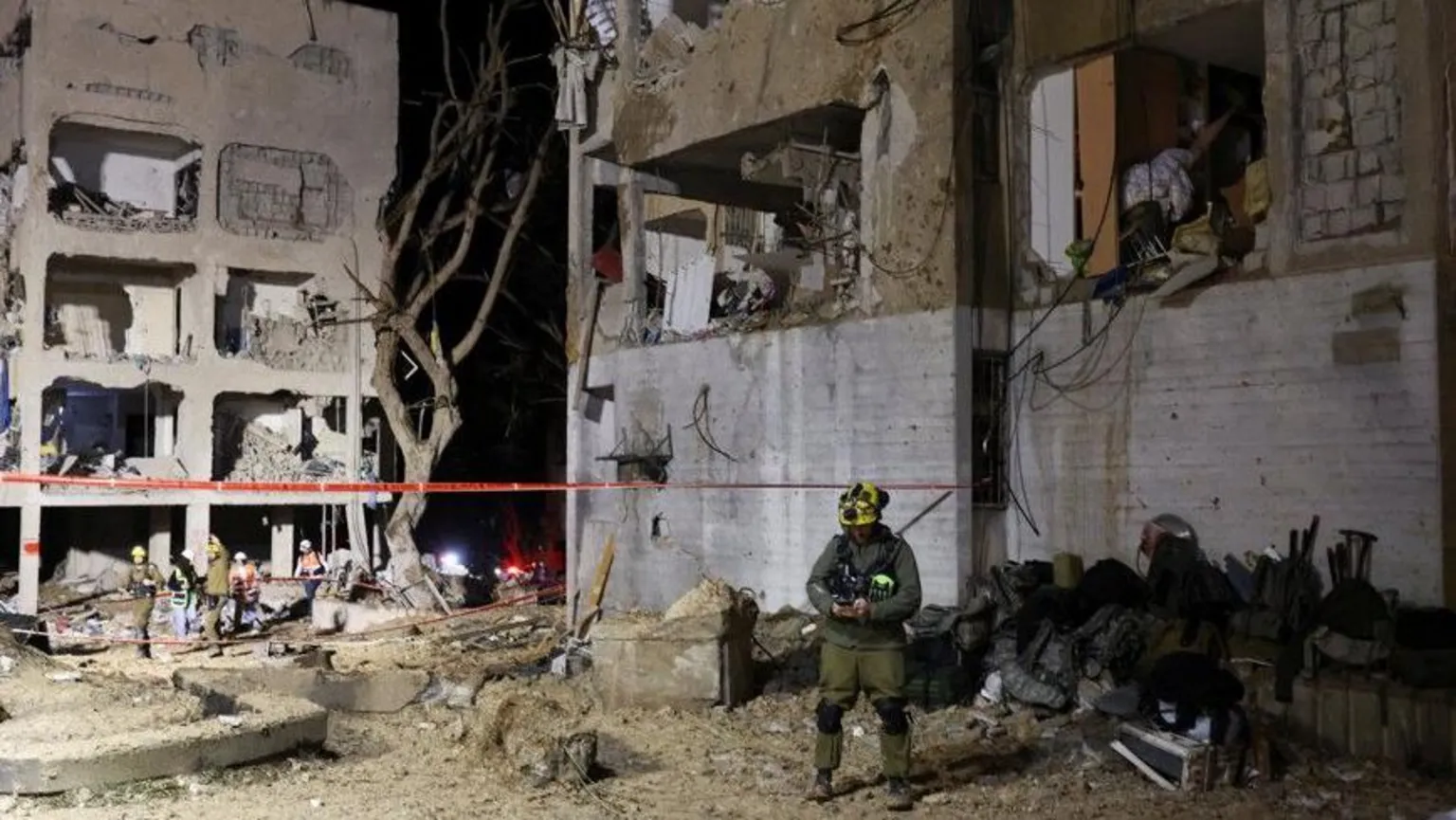
This is a very severe scene," said emergency medical technician Yakir Talkar, describing the situation in Arad. "There are many wounded with varying degrees of injury."
The nearby town of Dimona experienced a similar missile strike.
Among those injured in Dimona is a 10-year-old boy, whose condition has been described by medics as serious.

Investigation into Air Defense Breach
Israeli authorities have launched an investigation into how the Iranian missiles were able to bypass the country's air defense systems.
"In both Dimona and Arad, interceptors were launched that failed to hit the threats, resulting in two direct hits by ballistic missiles with warheads weighing hundreds of kilograms," Israeli firefighters reported.
The Shimon Peres Negev Nuclear Research Center
The Shimon Peres Negev Nuclear Research Center, located in the Negev desert, is commonly referred to as the "Dimona reactor." It is widely acknowledged as the site housing Israel's undeclared nuclear weapons arsenal.
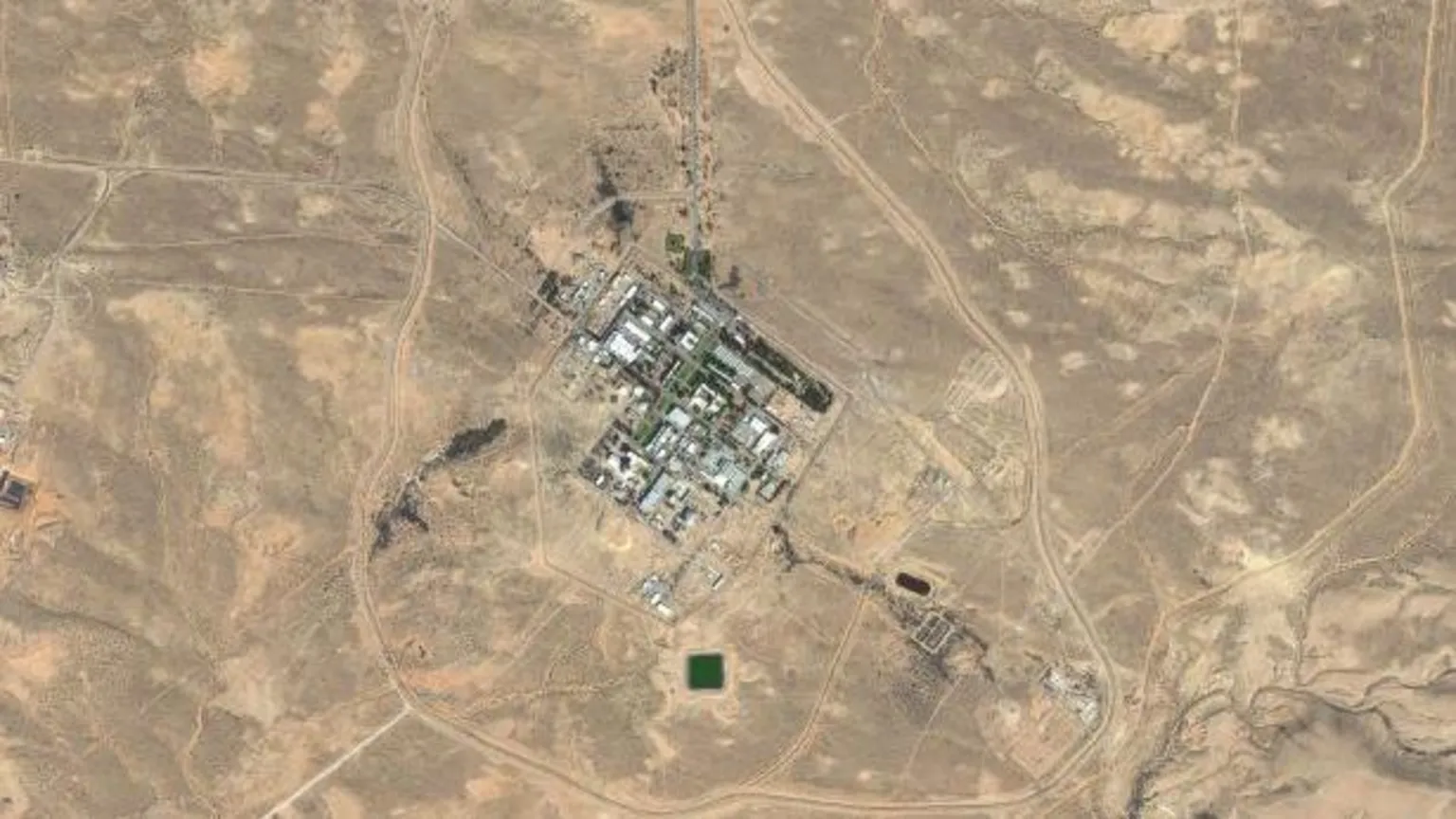
Officially, the facility is described as focusing solely on research. However, for approximately six decades, it has been an open secret that Israel developed nuclear weapons there, despite successive governments maintaining a policy of ambiguity regarding this matter.
This status has made Israel the only nuclear power in the Middle East, and any indication that it is being targeted is regarded with the utmost seriousness by Israeli authorities.
Context of the Conflict and Nuclear Concerns
Both Israel and the United States have prioritized the elimination of any potential Iranian capability to develop nuclear weapons as a central objective of the ongoing conflict.
Iran's Atomic Energy Organisation described the attack on Natanz as a violation of the Treaty on the Non-Proliferation of Nuclear Weapons, though it reported "no leakage of radioactive materials" and stated there was "no danger to residents of the surrounding areas."
Natanz has also been targeted in the early days of the war, which began on 28 February, by US-Israeli strikes, as well as during the 12-day conflict in June.
When questioned about Natanz on Saturday, the Israel Defense Forces (IDF) informed Israeli and international media that they were not aware of any strike in that area.


