

Contextualising Western Interest in Iran and the Middle East
Oil has been a fundamental driver of capitalism and has empowered some of the world’s most exploitative regimes. Transitioning away from oil could address many critical global challenges.
I recognise this may break conventional decorum, but it is necessary to contextualise Donald Trump’s attack on Iran. The intense Western focus on the Middle East, West, and Central Asia, sustained for over a century, along with persistent foreign interventions in these regions, are not arbitrary political actions. They are closely linked to the presence of valuable fuel resources beneath the ground.
The Historical Roots of Western Hostility Towards Iran
Trump’s war objectives often appear incoherent. However, Iran’s designation as an “enemy of the west” is rooted in historical events, notably the 1953 coup. At that time, Winston Churchill’s government persuaded the CIA to overthrow the democratically elected government of Mohammad Mossadegh. This intervention was motivated by Mossadegh’s attempt to nationalise the Anglo-Iranian Oil Company, aiming to halt Western control over Iranian oil.
The United States, with UK support, attempted to remove Mossadegh twice, succeeding on the second attempt with the assistance of the CIA. This led to the reinstatement of the Shah, Mohammad Reza Pahlavi. In 1954, the Anglo-Iranian Oil Company was renamed British Petroleum, later known as BP.
Anger over the 1953 coup, combined with increasingly repressive measures, culminated in the 1979 revolution, which was ultimately seized by the ayatollahs, resulting in severe consequences for many Iranians. The current regime’s existence is a direct consequence of Western governments violently suppressing democracy to maintain control over oil resources.
The Reality Behind Capitalism and Free Markets
Stepping back from this history reveals a broader truth. The common conflation of capitalism with “free markets” is historically inaccurate. Capitalism involves the concentration of resources; the deployment of police, armies, and death squads against resistance; the transfer of wealth from less powerful nations to dominant powers; the intimidation of labour; the manipulation of consumers; and the degradation of the environment. These elements contradict the notion of “free” markets, instead reflecting coercion and high costs.
Often, there is little evidence of genuine markets. Land, commodities, and labour are frequently controlled by monopolies. Public resources such as oil reserves, forests, water systems, and railways are frequently handed over to private monopolists. The wealthy receive state bailouts during crises, while the poor face hardship without support. Thus, “free market capitalism” is a contradiction in terms.

The Military and Political Infrastructure Supporting Resource Profits
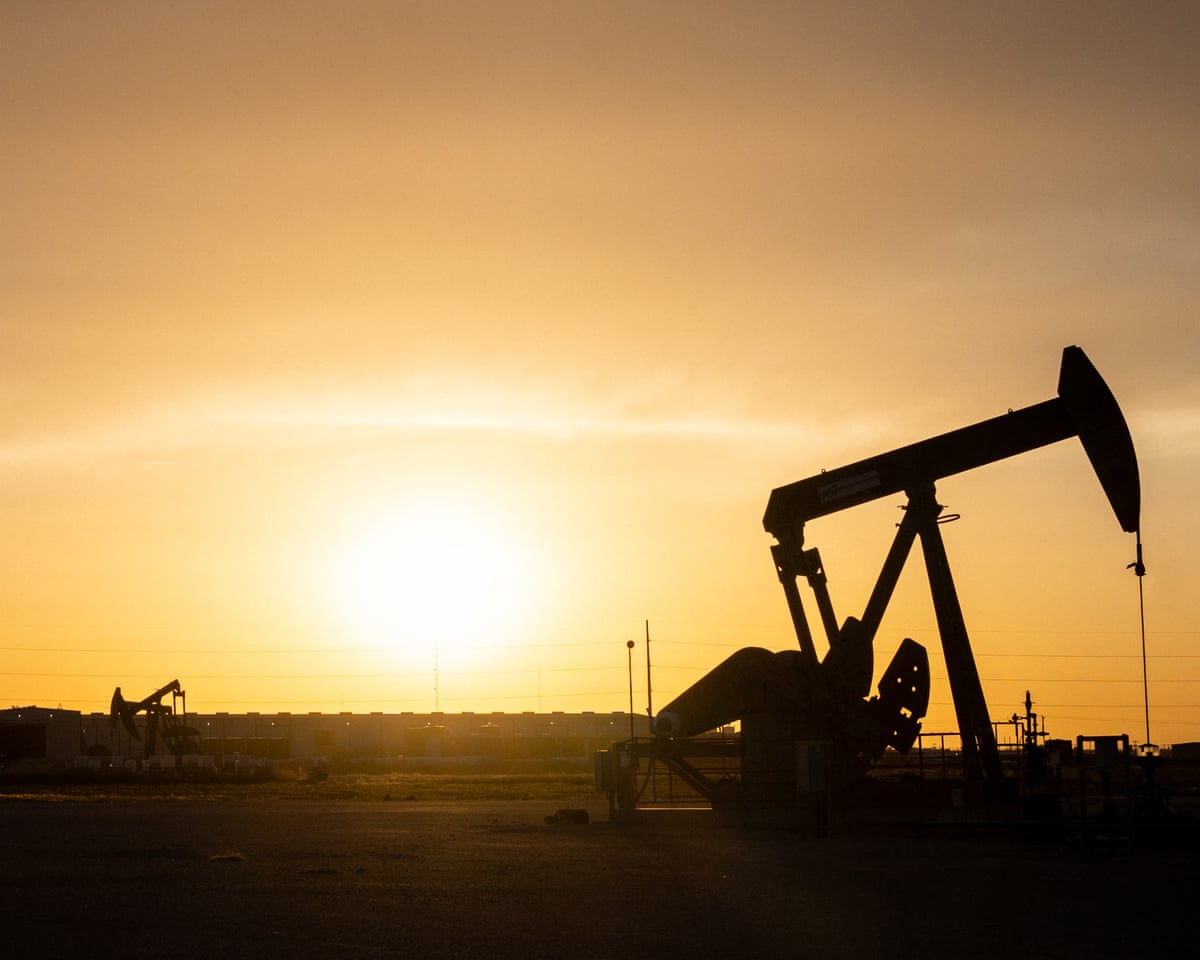
Much of the world’s military power exists primarily to secure profits from resources—especially oil—for banks, shareholders, commodity traders, asset managers, hedge funds, and private equity firms. To maintain this system, a network of lobbyists, media outlets, and political operatives ensures that leaders who prioritize the continuous flow of oil and other commodities are selected, regardless of the human cost. Opponents of this system are demonised, and alternative approaches are dismissed as “unrealistic,” “unpopular,” or “unaffordable.”
Public Desire for Change and Governmental Response
This dynamic contributes to the persistent underestimation of public desire for change. For instance, one study indicates that a majority of people support stronger action to combat climate breakdown, yet many believe they are in the minority. During the peak of the Covid-19 pandemic, a large majority expressed hope for a post-pandemic world prioritising health, wellbeing, and environmental protection over economic growth. Despite this, governments invested billions in restoring pre-existing dysfunctional systems.
The Fossil Fuel Industry’s Resistance to Green Technologies
As green technologies threaten the hydrocarbon industries and their financial backers, these entities have intensified their influence over governments and media. They have resorted to climate denial and disinformation campaigns. Political discourse has become harsher, less transparent, and less tolerant. The global democratic recession is largely attributable to these forces, which have profound implications for the planet.
Reducing Oil Dependency to Disrupt Exploitative Systems
Oil did not cause capitalism but it has massively extended and empowered it. Reducing dependency on oil would disrupt some of the world’s most violent and exploitative relationships. It would weaken dictatorships, war machines, coups, assassinations, invasions, and nuclear threats. While other conflicts such as land wars and mineral wars would persist, the military apparatus cannot remain idle indefinitely.
Moreover, reducing fossil fuel reliance would also mitigate the greatest violence humanity has inflicted upon itself: the degradation caused by climate breakdown. The political and environmental crises are interconnected. Addressing them requires adopting an emergency approach similar to wartime mobilisations—an urgent programme to eliminate fossil fuels faster and more comprehensively than current government plans.
Mobilising Public Action and Government Accountability
A critical initiative in this regard is the upcoming Unfriend Coal campaign, whose screenings, hosted by volunteers in cinemas nationwide, will pressure the government to fully disclose the severity of the climate crisis and mobilise for comprehensive action. Concerns about costs should be weighed against the government’s own analysis, which shows that the financial impact of a single fossil-fuel price spike, like that of 2022, is approximately equal to the entire projected cost of achieving net zero emissions by 2050. The price shock resulting from Trump’s attack on Iran is expected to be even more severe. Unlike price spikes, the net zero programme offers a sustainable energy system in return.
The Challenges of Overcoming Fossil Fuel Power
Defeating the fossil fuel industry will not be easy. Capital will deploy all available resources to resist change. This reality was evident in the UK when Extinction Rebellion faced aggressive attempts to suppress its activities. Indigenous groups, such as the Wet’suwet’en in Canada, have faced brutal repression, including paramilitary violence, as they sought to prevent oil pipelines from crossing their lands. Control over resources remains a central driver of political power. Currently, democracy often serves as a superficial display masking deeper power structures.
The Link Between Fossil Fuels and Political Authoritarianism
Concentrated fossil fuel power leads to concentrated political power. Had global dependence on fossil fuels been lower, leaders such as President Trump, President Putin, the ayatollahs, and Prime Minister Netanyahu might not have risen to prominence. Fossil fuel interests actively push the world towards autocracy. Overcoming global demand for fossil fuels would dismantle much of the current tyranny, paving the way for a greener, cleaner, cheaper, kinder, and fairer world.
George Monbiot is a columnist.


