Students Prepare to Track Artemis II Moon Mission
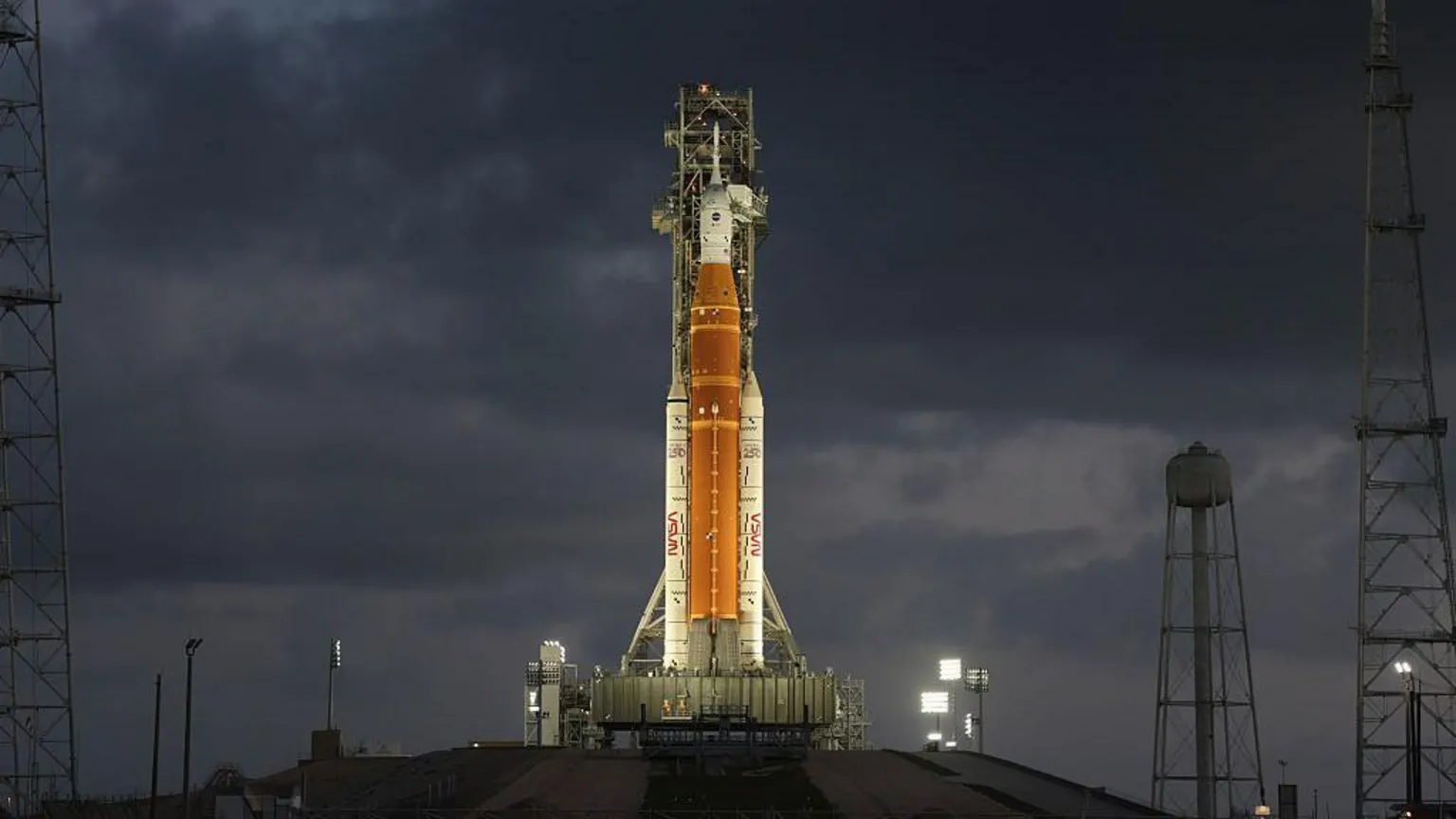
As NASA readies its first crewed mission around the Moon in over five decades, a group of PhD students at the Armagh Observatory and Planetarium have devised an advanced plan to monitor the Artemis II mission from Armagh.
Their watch party will be unique, featuring the use of cutting-edge telescopes to observe the launch and spacecraft trajectory.
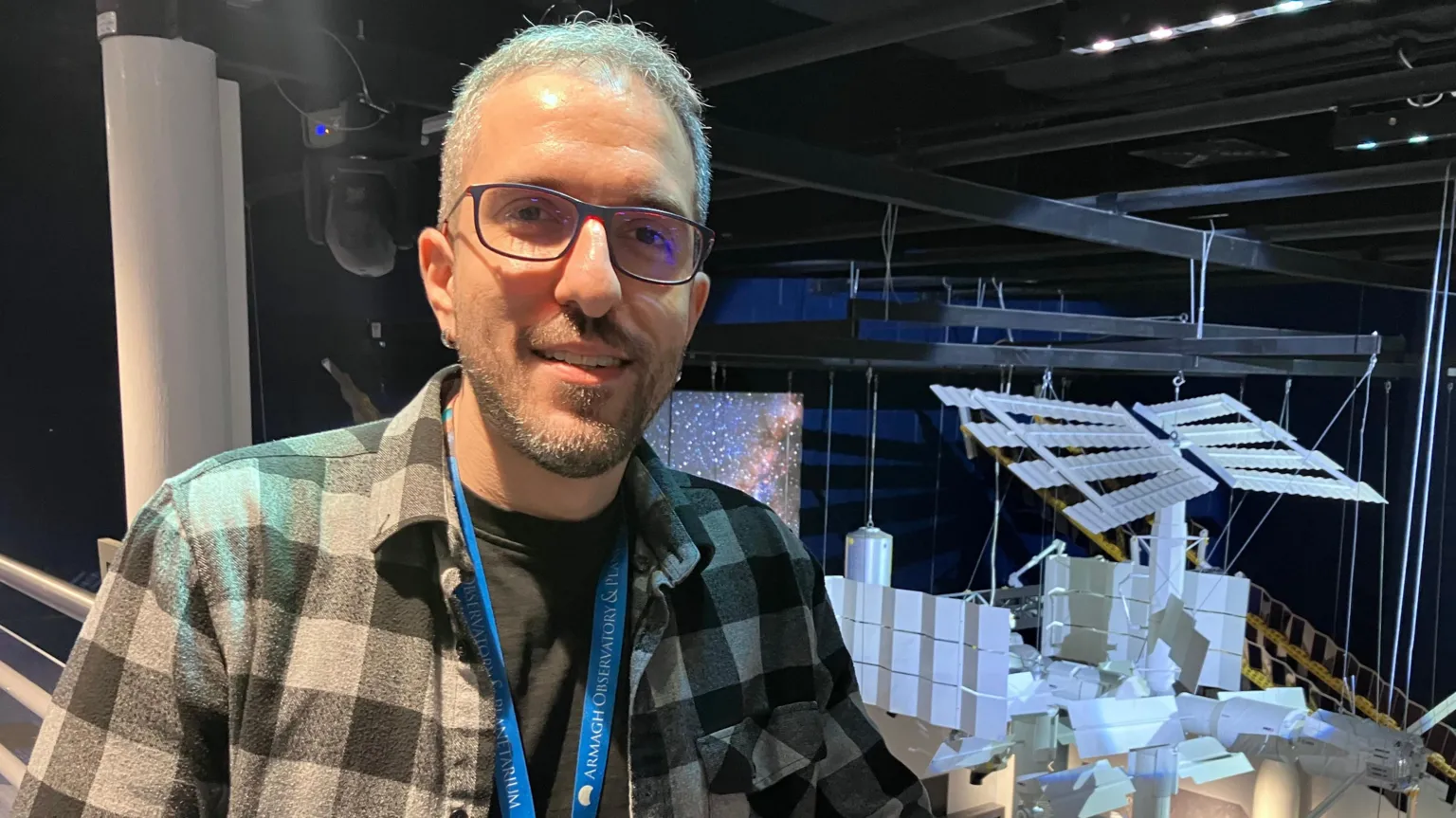
Andrew Marshall-Lee expressed his enthusiasm about the upcoming launch.
"I could not stress enough how exciting the launch will be."
The launch coincides with the planetarium's announcement of plans to introduce the UK and Ireland's first fully immersive wraparound LED dome theatre.
Marshall-Lee shared with NI his childhood fascination with lunar exploration.
"When I was growing up, I read all the little books, showing pictures of men on the Moon. The potential is I am going to see that with my own eyes - that's really cool," he said.
He added details about the students' plans for the launch day.
"We have a bit of a plan, all of the other PhD students, my mates, we are going to be coming and watching the launch here, in the observatory. We have these telescope facilities and will be able to track the spaceship as it heads towards the Moon."
Research and Role at the Planetarium
Marshall-Lee's work at the planetarium involves observing asteroids, studying their movements and interactions, and assessing their trajectories toward Earth.

This research is vital for space agencies planning crewed lunar missions.
"The Moon was constantly being peppered by meteorites, about the size of a golf ball. If we are going to put people and facilities on the Moon, we need to know how frequent they are, how serious they are as a concern, we can map out where they are more likely going to hit and how much protection is needed."
Excitement Among Students
Kerem Osman Çubuk also expressed his excitement about the mission.
"We are going back to the moon, and this is incredible. We went to the moon more than 50 years ago and now we are going back. So far 12 people have walked on the Moon and we will see this happening again in the next couple of years."
He described the Artemis II mission as historic for several reasons.
"We have the first female onboard, who will go to the Moon for the first time, the very first person of colour among the crew as well. But this is just a start - we will keep launching Artemis missions every year from now on."
Planetarium Director on Transformation Plans
Michael Burton, director of the Armagh Observatory and Planetarium—one of the oldest scientific institutions in Ireland and the UK, housing the world's oldest telescope still in its original setting—commented on the planetarium's ongoing transformation.
"The multimillion-pound transformation of the planetarium would help explain to the public how they use science to understand the challenges that humanity faces in the 21st Century."
He emphasized the broader impact of the project.
"It's a rejuvenation of the city of Armagh. We will be opening a centre for the public communication of science."
Burton noted that the new LED dome technology matches that used by The Sphere in Las Vegas.
"The next two years we will have an architect team in place and they have begun the planning phase."
Plans include relocating the current planetarium to a new site, enabling a complete redesign of the entrance, expanded parking facilities, and a closer physical connection to the historic observatory.
The initial design phase is supported by the Department for Communities and the National Lottery Heritage Fund.