Massive Rewiring Effort Underway Across Britain
Securing electricians is challenging and costly today, yet Britain faces the monumental task of training thousands more as it invests over £60 billion in the initial phase of a comprehensive electricity grid rewiring project.
The initiative spans from northern Scotland, traversing hills and glens, extending into urban centers, with additional subsea cables planned.
This infrastructure will transmit electricity at 400,000 volts via towering pylons, facilitating the delivery of wind-generated power to homes and industries in southern regions.
A project of this magnitude naturally invites criticism and opposition along its path.
"We are seeing the biggest plumbing, rewiring and repurposing of our energy system for many generations,"said Prof Paul de Leeuw of Robert Gordon University in Aberdeen.
For the last century, the National Grid primarily relied on fossil fuels, but the high-voltage cables sustaining the power supply are now undergoing profound transformation.
Power generation is shifting from coal and gas plants near major cities to renewable sources such as offshore wind farms.
This shift presents the significant challenge of transmitting electricity from generation sites to consumption centers.
High-Voltage Infrastructure Expansion in Northern Scotland
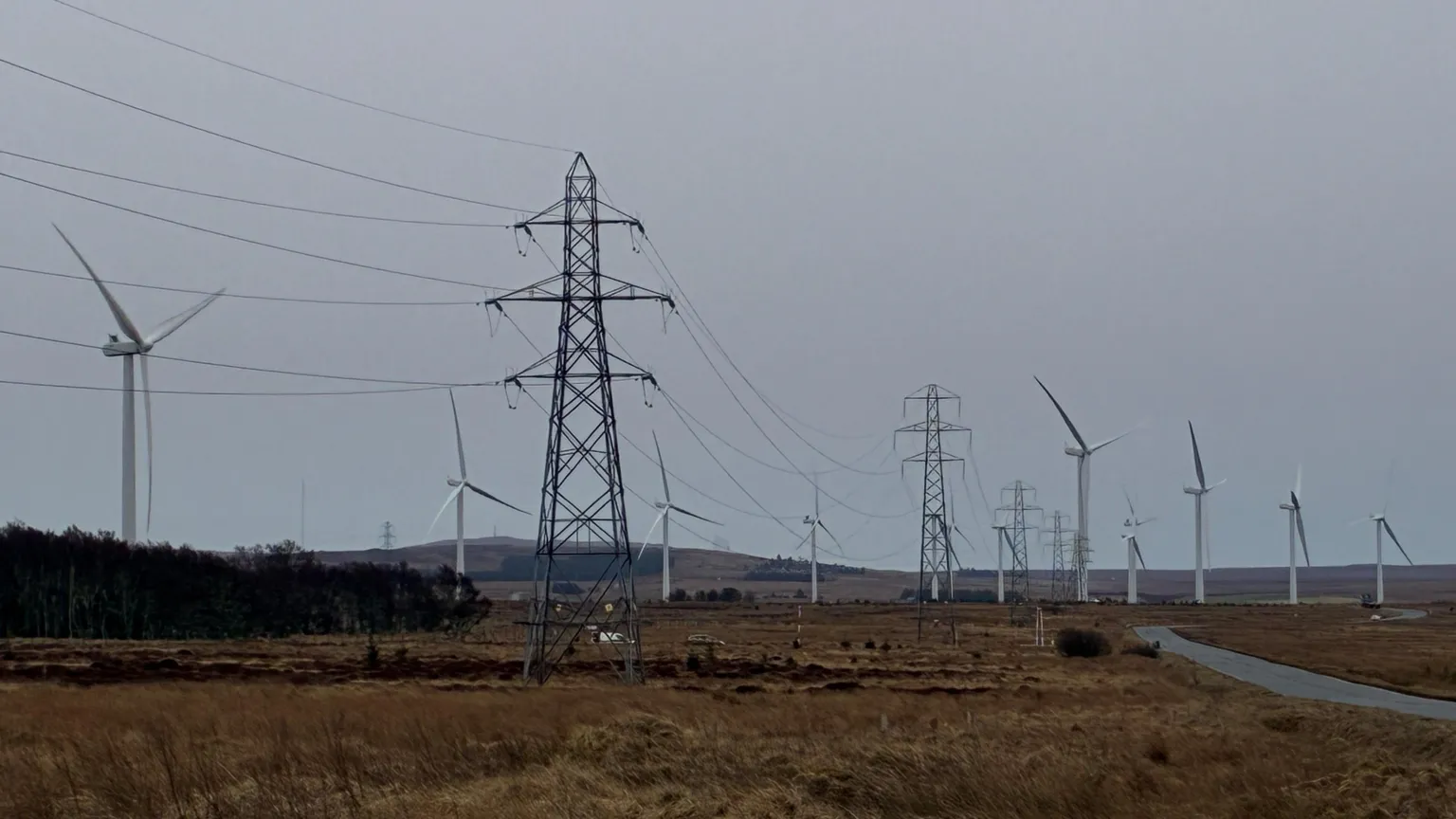
In northern Scotland, over 1,100 massive pylons are being erected to carry the highest-voltage cables across 460 kilometers, delivering electricity to southern customers.
The projected cost for rewiring the Highlands, islands, and northeast Scotland stands at £22 billion over the next five years.
Investments in southern Scotland, England, and Wales are estimated to be more than double that amount.
However, this represents only the first phase aimed at replacing fossil fuel-based power.
The subsequent phase will require substantially more electricity to support the transition of homes from gas heating, vehicles from petrol, and industries, haulage, and trains from diesel.
Community Opposition and Concerns
SSEN (formerly Scottish and Southern Electricity Networks), responsible for the northern Scotland grid, acknowledges the controversy surrounding its plans.
Previous upgrades, such as the Beauly to Denny power line, faced a 14-year delay due to opposition.
Current proposals have also met resistance from local communities concerned about visual impacts and construction traffic in some of Scotland's most scenic areas.
A BBC Radio 4 program, Power to the People, revealed that communities feel powerless against what they perceive as an unstoppable policy force, lacking clarity on the project's full scale and ambition.
Heather Jardine, a crofter and businesswoman from Strath Halladale in northern Sutherland, who was the first female apprentice at the nearby Dounreay nuclear site, has witnessed energy projects bring opportunities to the far north before but views SSE's plans as more extensive and disruptive.
"This was designated as being almost the most scenic place in the world and certainly the most scenic road trip in the world,"she said.
"And yet now there's barely a bend or a hill you can go over without sight of some pylons or turbines or substations."
Jardine expressed frustration that despite consultations, community input seems disregarded.
"We don't have a voice,"she stated.
"We are being railroaded into having all this infrastructure for the benefit of other countries other than our own."

Ron Macaulay, chair of the Strathpeffer Community Council, representing several councils across northern and southern Scotland, has called on Holyrood and Westminster to pause further developments until a clear national plan is established.
"We recognise there will be a need to reinforce the grid if we go down the route of relying on windfarm and solar power, what we're asking for is 'do it properly',"Macaulay said.
"We're going to have to live with this for the next 60 or 70 years - that's roughly how long the old grid network has been in – we want it to be done right."
He questioned the rationale behind generating power far from demand centers.
"Why are we building these long transmission lines – where actually you could be building windfarms closer to the point of need, you could be building small nuclear power stations closer to the point of need.
It just strikes me [that] people are rushing headlong into these things without stopping and thinking."
SSEN's Response to Criticism
SSE refutes claims of inadequate planning or responsiveness, highlighting numerous public meetings and adjustments made to original plans following external feedback.
The company noted that initial plans prioritized efficiency to satisfy regulator Ofgem's cost concerns, as mitigation efforts typically increase expenses passed on to customers.
Greg Clarke, leading SSE's public information campaign, frequently defends the extensive renewable infrastructure buildout in northern Scotland.
He emphasizes that the policy foundation for these projects is firmly established by elected governments in Westminster and Holyrood.
"We have quite a robust planning system in Scotland,"Clarke said.
"That forces us away from what we would consider the most precious and sensitive landscapes.
We work very hard during the development of our projects to design them as sensitively as possible."
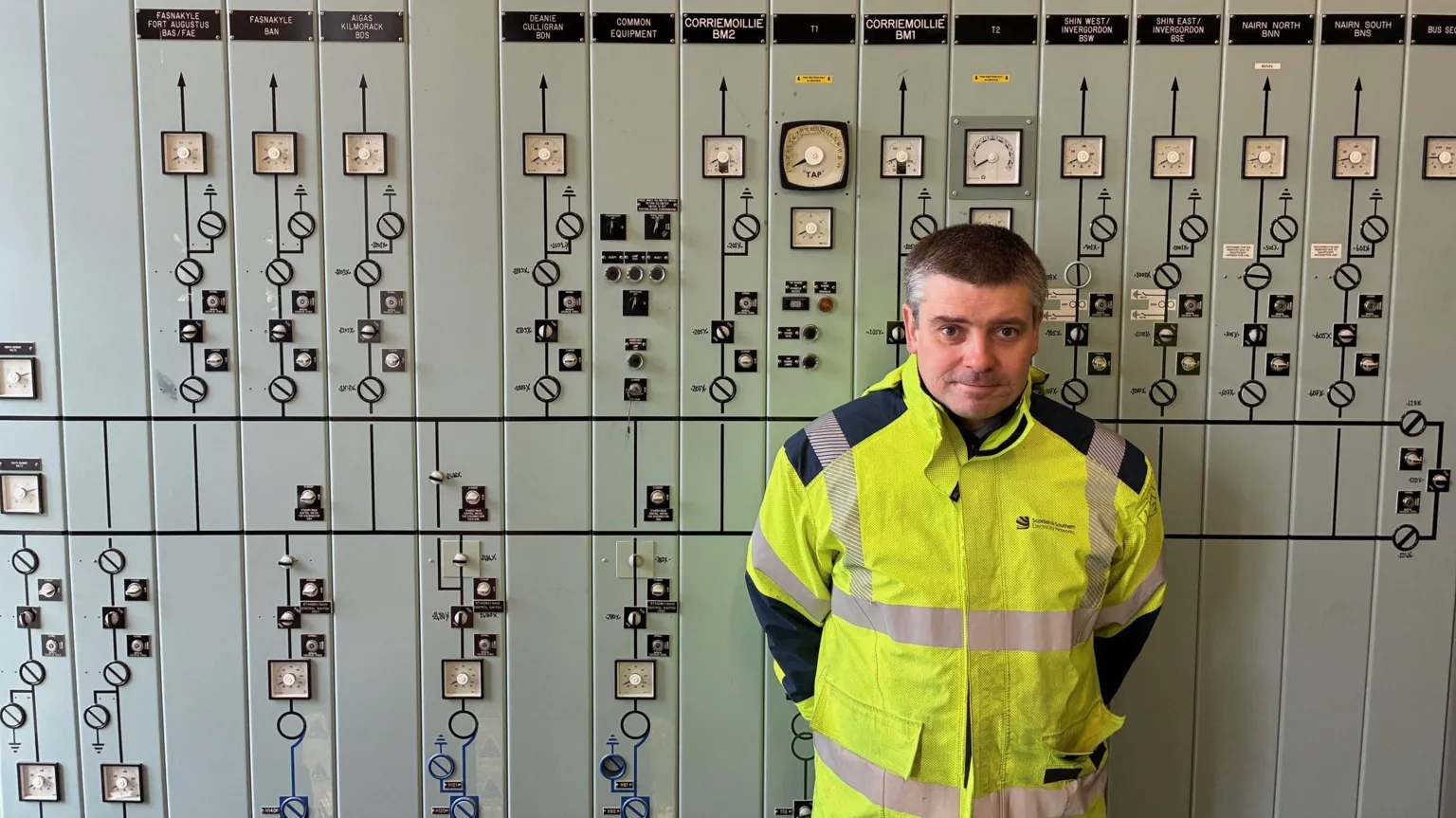
Clarke acknowledged unavoidable impacts associated with critical national infrastructure projects of this scale necessary to meet future energy demands.
Subsea Cable Projects Linking Scotland and England
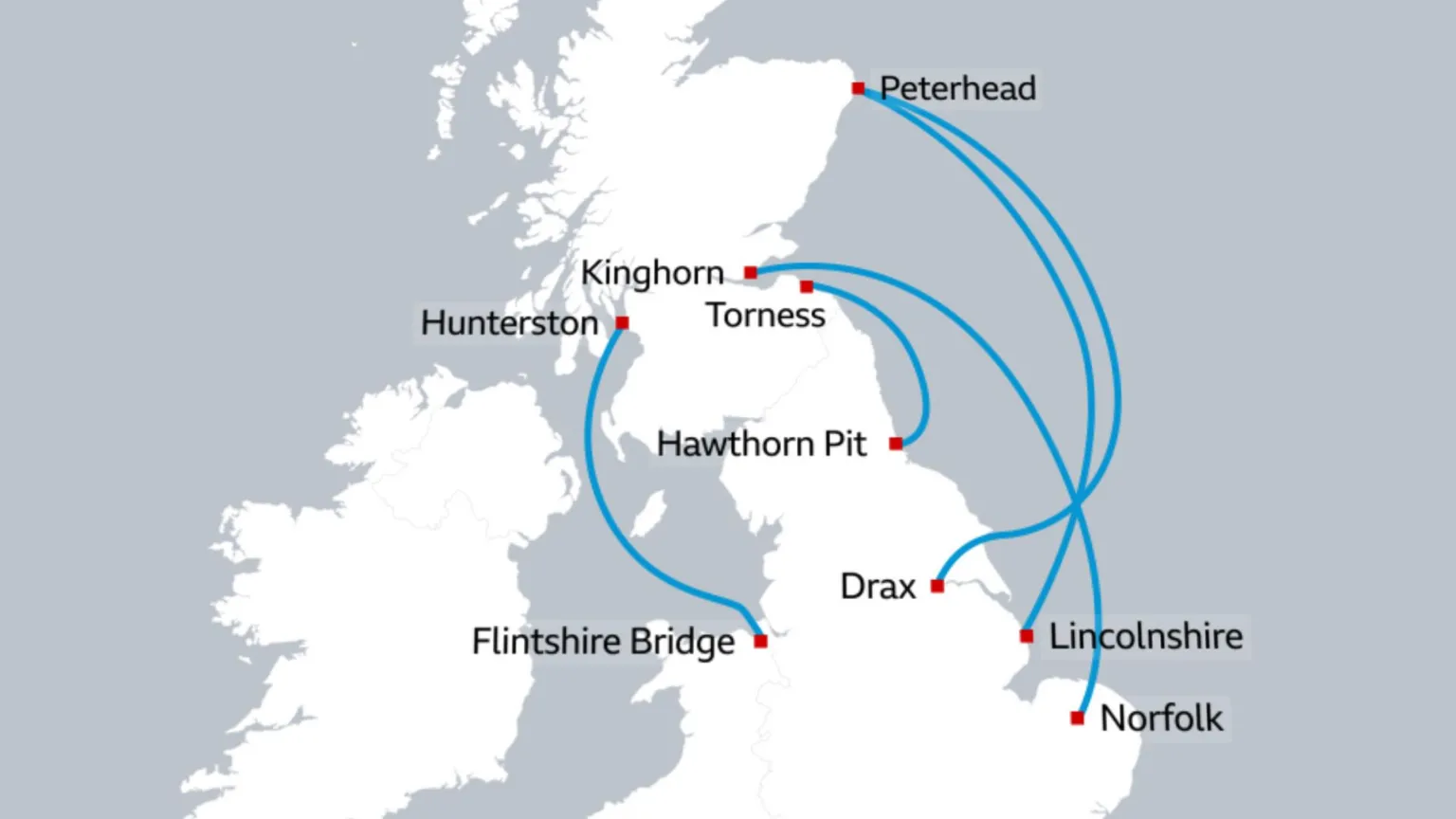
At Peterhead in Aberdeenshire, construction is underway on a £4 billion subsea cable project spanning an area equivalent to 19 football pitches.
The two 315-mile (507 km) cables will connect Peterhead to Drax in North Yorkshire.
This project represents the first of four planned subsea electricity links along the east coast, ultimately capable of powering 7.5 million homes.
A similar subsea cable already operates on the west coast between Hunterston in Ayrshire and north Wales.


It is notable that the UK government has outsourced not only the engineering of grid upgrades but also the responsibility for public engagement and advocacy.
In northern Scotland, this role is fulfilled by a SSE subdivision; in southern Scotland by Scottish Power; and in England and Wales by the private company named National Grid.
Government Oversight and Community Engagement
The UK government informed the Radio 4 team that all projects undergo rigorous planning processes, emphasizing that grid upgrades aim to shield families from price shocks, such as those arising from conflicts in the Persian Gulf.
Most planning authority for Scotland rests with Holyrood.
A Scottish government spokesperson acknowledged the need for stronger community representation and announced the establishment of a dedicated forum.
The government also supports mandated community benefits.
Only last year, well into the project timeline, the UK government introduced guidelines allocating £200,000 per kilometer of new cable route and over £500,000 per substation.
For a contentious 100 km route through northeast farmland, this equates to £23 million.
Residents within 500 meters of cable lines are to receive electricity bill reductions of £250 annually for ten years.
Whether these measures will sufficiently mitigate opposition and demonstrate tangible benefits remains uncertain.
Some, including members of governing parties, advocate for greater community ownership stakes alongside benefits.
However, the improved forum may come too late for projects already underway.
Planning Delays and Appeals
Of 11 major projects in northern Scotland, five face delays from council planning committees, including a large substation near Beauly where four high-voltage lines converge, linking Caithness, the Western Isles, Peterhead, and Denny.
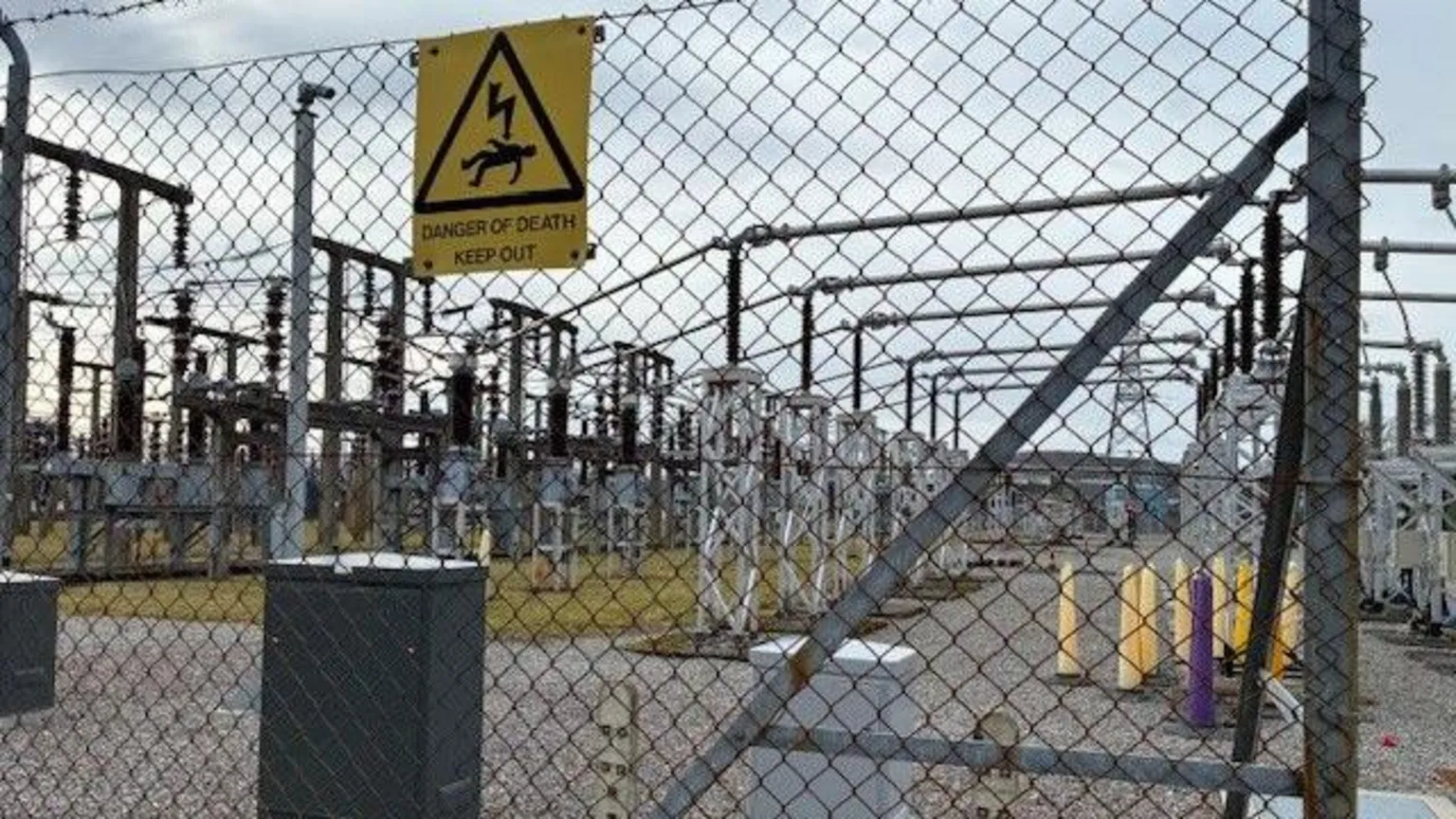
These cases are expected to proceed to appeals and possibly public inquiries, which must be expedited as applications are targeted for resolution by late summer.
This may present an early challenge for the incoming Holyrood administration following May's election.
Future Expansion and Distribution Network Upgrades
The current phase is only the beginning of a fundamental National Grid restructure, 100 years after its original legislation.
Post-2030, further capacity expansions will be necessary to accommodate increased electricity demand from electric vehicles and home heating.
Simultaneously, a substantial program is underway to upgrade the lower-voltage distribution network.
In southern Scotland, where Scottish Power manages both high-voltage transmission and low-voltage distribution, the company plans to construct 70 new substations—averaging one per month over six years.
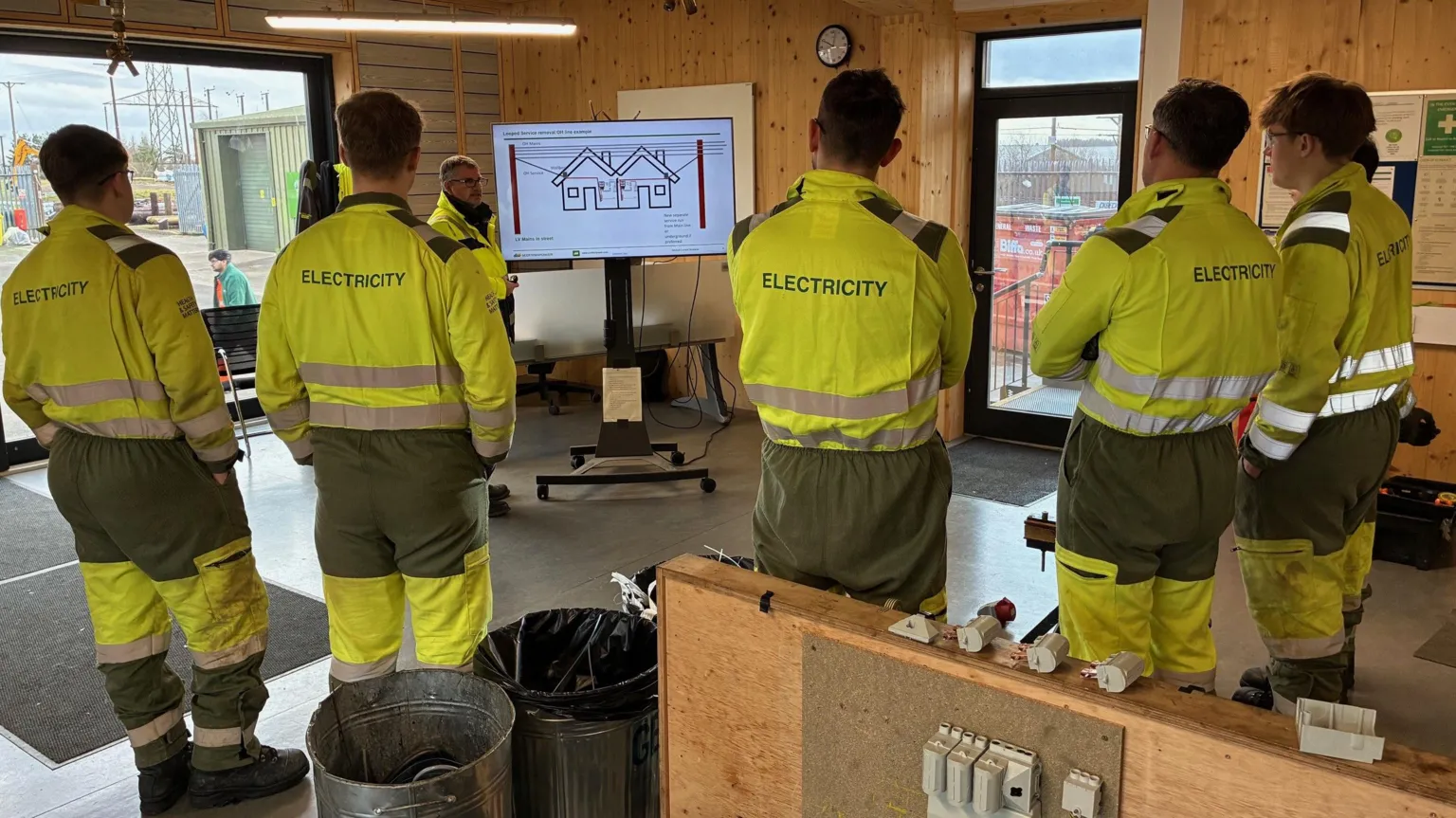
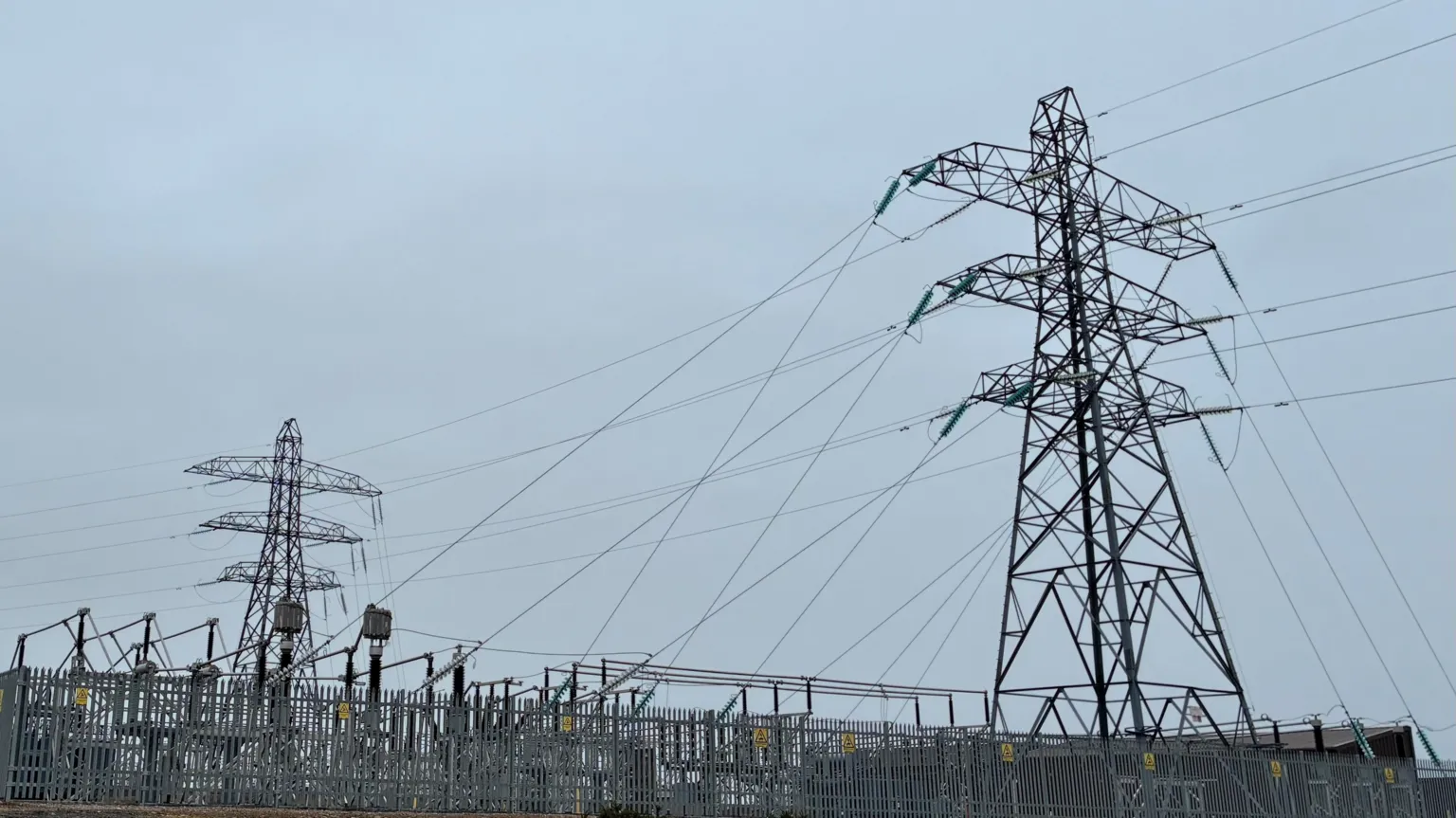
Substations consist of galvanized steel transformers that step down high voltage to levels suitable for customer distribution or step up voltage for efficient long-distance transmission.
Cost Implications and Grid Constraints
The extensive upgrades are exerting upward pressure on electricity bills.
From April 1, transmission charges for business customers will increase by over 60%, raising total bills by 5% to 10%.
Household costs are also rising, though the UK government has chosen to absorb much of this through taxation and subsidies.
Currently, one pound in every £40 spent on bills covers 'constraint payments'—costs incurred due to insufficient grid capacity causing bottlenecks in transmitting power from northern to southern regions.
Many of these challenges were foreseeable, yet grid connection upgrades have lagged.
In the previous year, £2.1 billion was paid to wind farm operators, primarily in Scotland, to disconnect from the grid due to capacity limitations, including payments to gas-fired power stations south of bottlenecks to meet demand.
Managing Supply and Demand Balance
Kate O'Neill, head of operations for the National Energy System Operator (NESO), established two years ago, oversees balancing supply and demand and managing grid constraints.
She described upgrading the grid to meet the 2030-31 net zero carbon target as a "Herculean task," noting that some constraints will persist.
Eliminating all constraints would require over-engineering and excessive capacity.
Instead, reducing peak demand through incentives to use electricity during off-peak times is preferable.
Such programs are already available from many domestic and business suppliers and are about to be enhanced by a trial allowing northern wind farms to continue supplying the grid when they would otherwise be paid to shut down.
This would enable cheaper power for consumers north of bottlenecks.
This development is expected to benefit Scottish customers and potentially influence energy-intensive industries, such as data centers, to locate closer to power sources, reducing the need for extensive cabling.
Conclusion
Britain's electricity grid is undergoing an unprecedented transformation to support renewable energy and meet future demand.
While the scale and cost are immense and community concerns significant, the project aims to secure a sustainable energy future.
Ongoing dialogue, careful planning, and community engagement will be critical as this complex initiative progresses.