Introduction to Human Composting
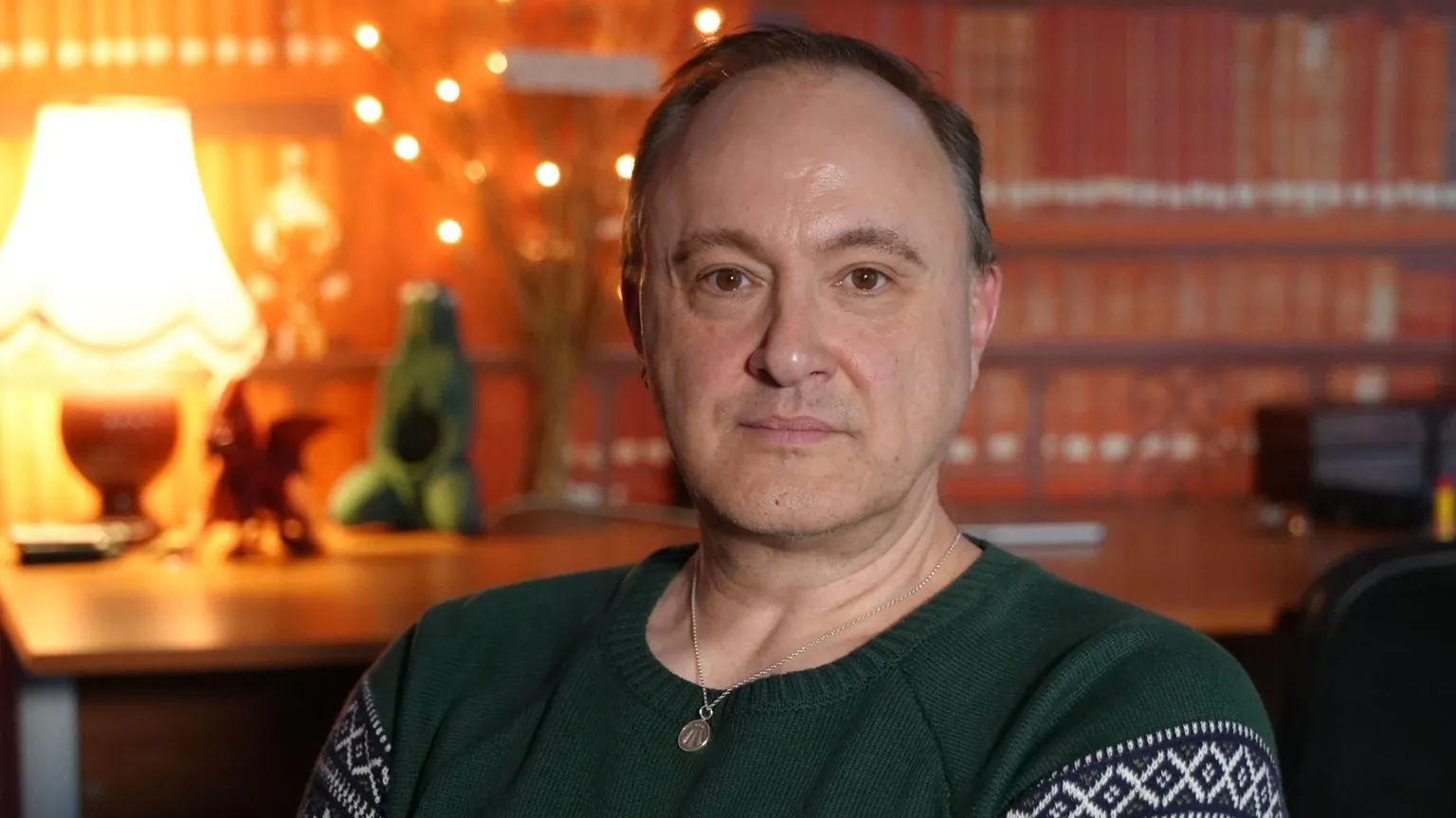
A TV presenter and author is seeking to introduce the UK's first human composting service as an alternative to traditional cremation or burial methods.
Human composting, also referred to as terramation, involves placing the body of a deceased person in a sealed vessel filled with organic materials. Over several weeks, the body decomposes fully into soil.
Currently, terramation is not legal in England or Wales, but the UK government's Law Commission is expected to publish a consultation on the topic imminently.
Kristoffer Hughes’ Experience and Vision
Kristoffer Hughes, who recently returned from the United States where terramation is legal in several states, believes this method offers a "deeply ecological and spiritually meaningful" alternative to cremation or burial.
This story contains details about human composting funeral services which some readers may find upsetting.
Hughes is a broadcaster, author, and leader of the Anglesey Druid Order. He has spent three decades working with coroners across the UK and internationally as a specialised mortuary technician.
His professional experiences prompted him to explore death care practices worldwide for the S4C documentary series Marw gyda Kris (In Dying with Kris).
"I genuinely didn't think there was anything left to surprise me in the death service world," said Hughes. "Until we went to a human composting facility."
Visit to Return Home Facility
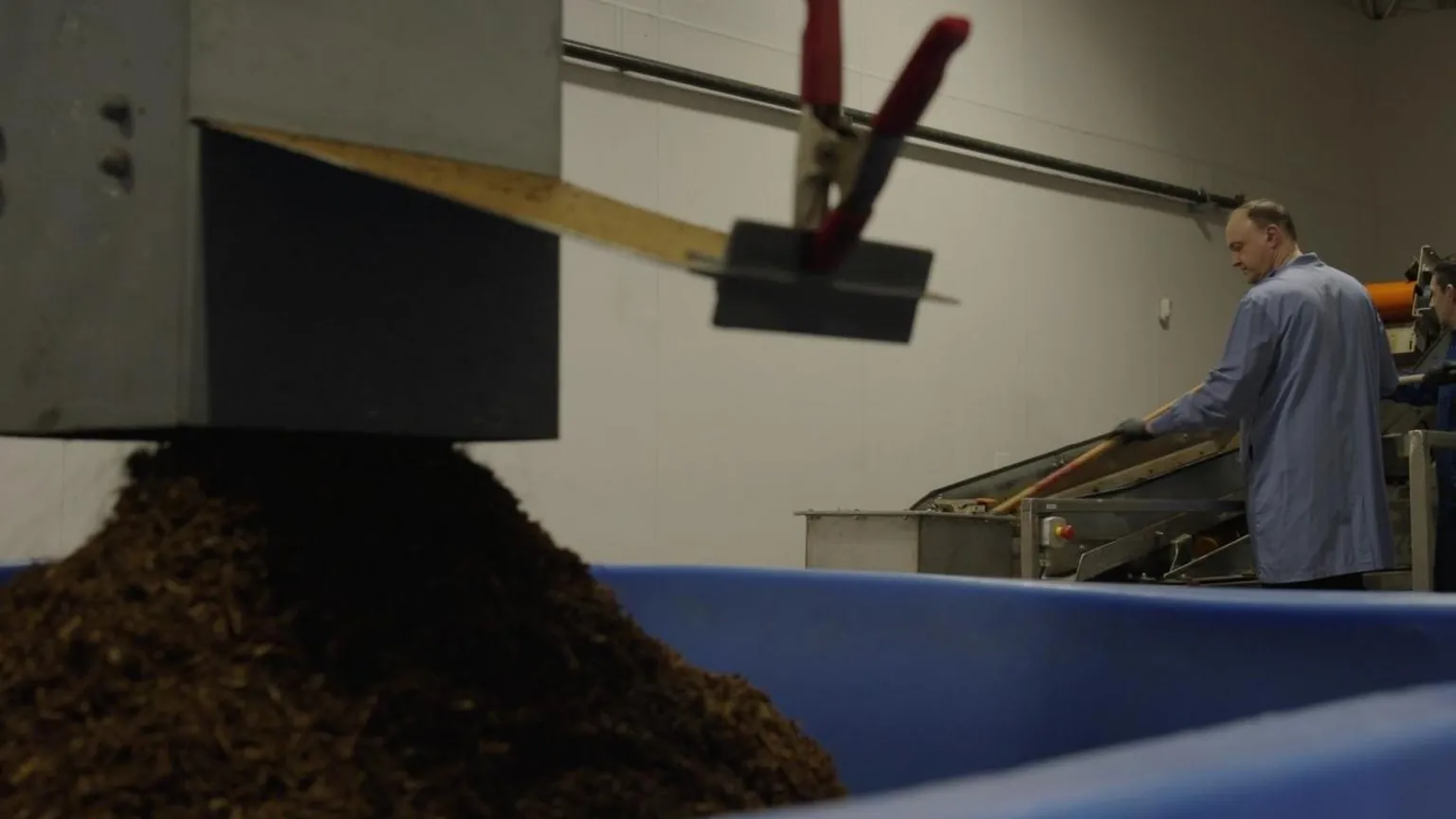
Hughes visited Return Home, located south of Seattle in Washington state, which is the world's first large-scale human composting facility.
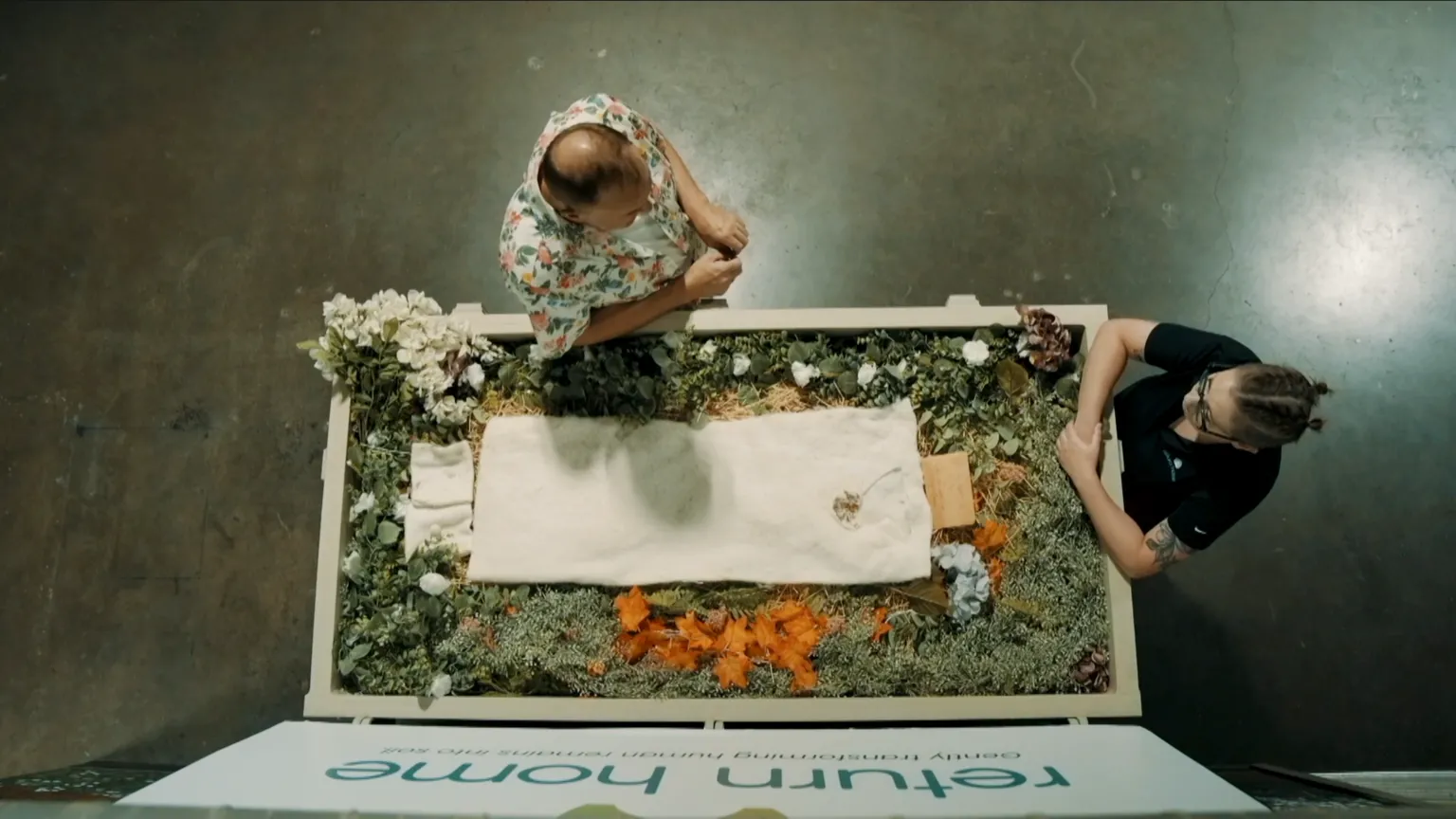
At this facility, rather than burial or cremation, bodies are placed in sealed vessels containing organic matter such as alfalfa, straw, and wood chips.
After approximately 60 days, the bodies are transformed into rich, fertile soil.
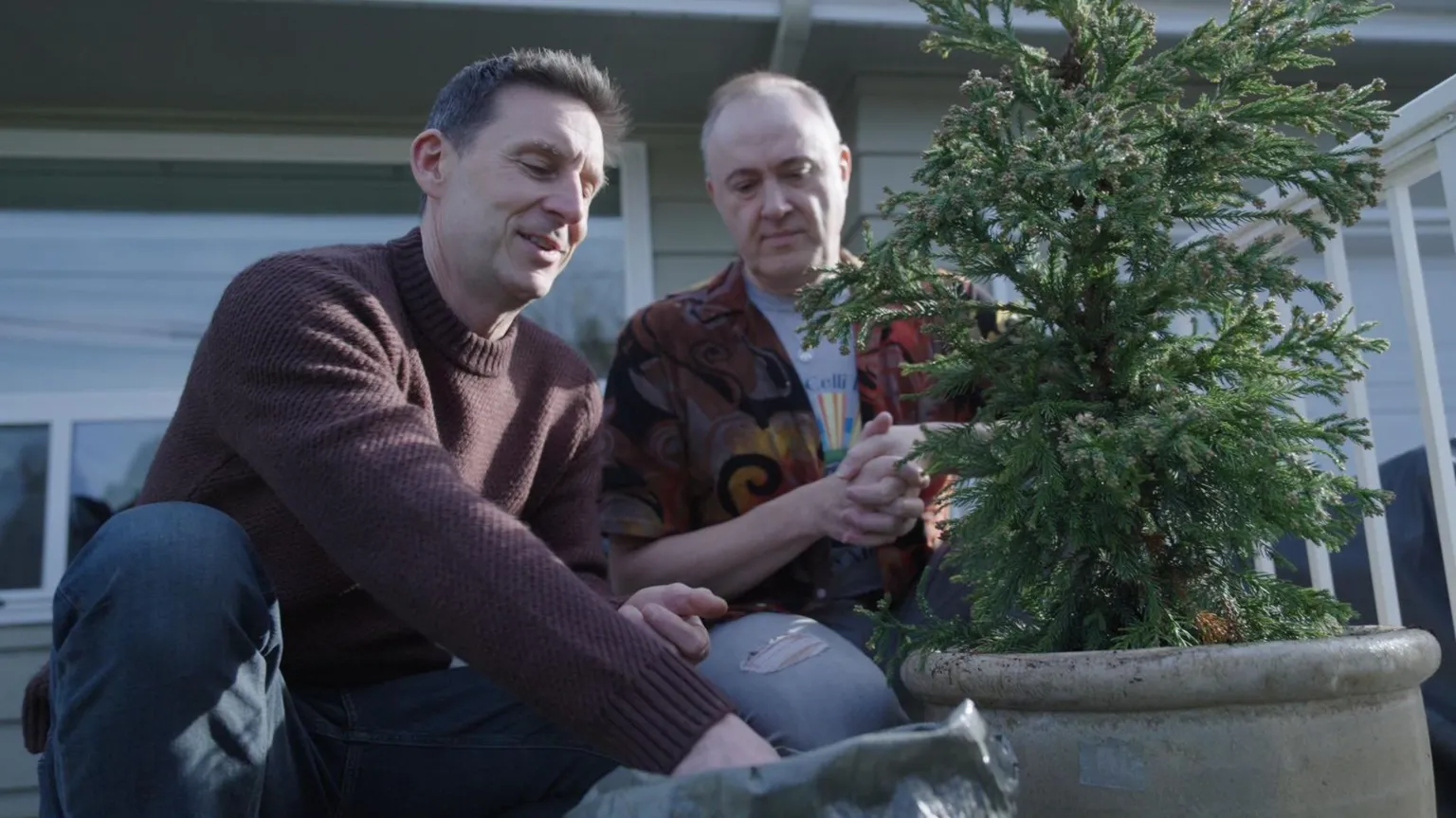
The resulting soil is returned to the families of the deceased to use for growing plants in memory of their loved ones.
"It felt like being immersed in summer," Hughes said. "I was surrounded by natural organic materials. It smelt good.
And I realised at that moment that my body was not going to be disposed of, but rather transformed.
Of all the ways I've seen death handled around the world, this felt the most natural, the most honest - and the most hopeful."
Hughes personally experienced the process by lying in one of the caskets.
Inspiration and Historical Context
Back in Anglesey, Hughes has developed a passion for terramation inspired by the work of Dr William Price, a self-proclaimed druid who was tried in Cardiff in 1884 for attempting to cremate his deceased five-month-old son.
Price was acquitted, which led to legislation permitting cremation in the UK.
"[Price] was always an inspiration to me as a death service professional, but also as a druid," Hughes said.
"So when I came across terramation, I was like 'wow - do you know what, it could be a druid in the 21st Century that actually brings another facet of end-of-life and death care into being'."
Founding of Eterrna and Training
Hughes and his colleague Chris Cooper-Hayes, who has a professional background in landscaping, have founded Eterrna, a venture aiming to be the first to offer human composting services in the UK.
They recently returned from the US, where they trained at Return Home, becoming among the first people in Britain to receive terramation training.

Legal Framework and Government Consultation
While training is an important step, the primary challenge remains legal. The Law Commission has conducted a year-long consultation reviewing new funerary methods, including human composting, with findings expected soon.
This could establish a legal framework to permit terramation.
Recently, Scotland legalized water cremation as a new funeral option.
An official from the Ministry of Justice stated,
"We are aware of the growing interest in alternative funerary methods and we will respond to the Law Commission's report in due course."
However, funerary regulations remain devolved in Wales. The Welsh government has indicated it is monitoring the Law Commission report and will consider implications once published.
Environmental and Spiritual Benefits
Hughes advocates for human composting due to its environmental and spiritual advantages.
"Cremation produces significant carbon emissions and traditional burial takes up land and resources," Hughes said.
"Human composting gives us another option - one that's deeply ecological and spiritually meaningful.
At the end of the process, you become soil that can grow forests, feed gardens, and nurture new life. It's the most beautiful continuation I can imagine."
He also anticipates that terramation services will be competitively priced compared to traditional funerals once established.
In the US, the cost of human composting is significantly lower than conventional funerals.
According to SunLife's annual funeral cost study, the average simple funeral in the UK in the previous year cost £3,800, with an additional £1,300 spent on flowers and catering.
More than half of UK funerals are cremations, while burials tend to be approximately £1,000 more expensive.
Opposition and Religious Perspectives
Despite support, human composting has faced opposition, particularly from religious groups.
In the United States, the Catholic Church has campaigned against human composting legislation.
In 2022, as New York State prepared to approve the practice, the state's Catholic Conference urged voters to oppose the bill.
"The New York State Bishops oppose this bill because composting is a process typically used for household or agricultural waste, and does not provide the respect due to bodily remains," the Catholic Conference told the Catholic Courier newspaper.
The Vatican has not issued a direct statement on human composting but in 2016 recommended burial in cemeteries or sacred places. While it permits cremation, it prohibits scattering ashes.
The Anglican Church in Wales participated in the Law Commission consultation but has not taken an official position on new funerary practices.
Promoting Open Discussion on Death
While awaiting the consultation outcome, Hughes seeks to encourage national dialogue on death, a subject often considered taboo.
"I think we've struggled in the west to have honest, sincere, discussions about death. Our western denial of death has been very Victorian," he said.
"But I think things are changing."
Hughes expressed his personal wish for terramation after his death.
"I want this for me. I want to be something that gives something back, and that my body is honoured for that.
At the end, I can turn around to the planet and say 'Here you go love, there's 250lbs of compost, knock yourself out and get yourself some trees'. Isn't that lovely?"