

Tragic Diagnosis and Rapid Decline
A woman from Caerphilly is advocating for improved funding in brain tumour research following the death of her daughter less than two weeks after being diagnosed with an aggressive brain cancer.
In April 2025, 11-year-old Alicia-Adele Axiak woke up with a slightly numb arm after a week filled with netball, gymnastics, and preparations for a dance competition. Her mother, Amanda, described the diagnosis of diffuse midline glioma (DIPG), a malignant brain tumour, as devastating. Alicia passed away just 13 days after the diagnosis.
The Welsh government has responded by emphasizing research, innovation, and enhanced access to clinical trials in its new cancer plan.
"Alicia, the youngest of the family with three older brothers, was a perfectly healthy girl, very fit, so full of life," Amanda said.
"The week it started, she went to her dance class on the Tuesday to get ready for her competition on the weekend. Wednesday she stayed on at school to do netball. Thursday morning, we were all getting ready for work, school and college and she had a bit of a numb arm," Amanda, 46, told BBC Radio Wales Breakfast.
"She said 'mam, my arm doesn't feel right' and I said 'it's maybe from netball or you slept on it awkward' and she carried on getting ready absolutely fine.
"Throughout the day we were messaging back and forward and the numbness went to the side of her face and her leg.
"I phoned the GP and they got back in seconds. They said it's very unusual, but it sounds like the symptoms of a stroke."
Alicia was taken immediately to the Grange Hospital in Cwmbran, Torfaen, where she was admitted overnight. An MRI scan on 12 April 2025 revealed the diagnosis.
"It ripped our world apart entirely."
Alicia had been seen by an optician just a month earlier and showed no prior symptoms.
"There was no fevers, no headaches, absolutely nothing. It came from nowhere."
"They said it was inoperable and incurable. Alicia didn't know the full extent... we just wanted her to hold onto hope.
"There was just no time. But she went peacefully with all her family around her and she went as Alicia."
Alicia died on 25 April. Amanda has since researched the condition extensively and found that funding for brain tumour research is severely lacking.
Campaigning for Change
Brain tumours are the leading cause of cancer death among children and adults under 40 in Wales. However, since 2002, brain tumour research has received only 1% of UK cancer research funding, according to Brain Tumour Research, a charity.
The charity reports that only 17.2% of brain tumour patients in Wales survive five years or more after diagnosis, compared to 61.5% for all cancers.
"That's just a shocking statistic really," Amanda said.
In December, Amanda established Alicia-Adele's Angels, a campaign group that has raised approximately £7,500 for Brain Tumour Research through events such as the Caerphilly 10K race.
Her goals include raising awareness widely and honoring her daughter's memory by securing funds to ensure brain tumour patients receive adequate support.
"We talk about Alicia all the time, we cry about her, we laugh about her. It's my point for her to never be forgotten," Amanda said.
"She just had so much empathy and love. She is my inspiration and I think she's been an inspiration for a lot of people.
"Even if we can make a small change, it's a small change all the same."
Alicia's Life and Legacy
Alicia was the youngest child in her family, with three older brothers named Lloyd, Llewelyn, and Llewys.
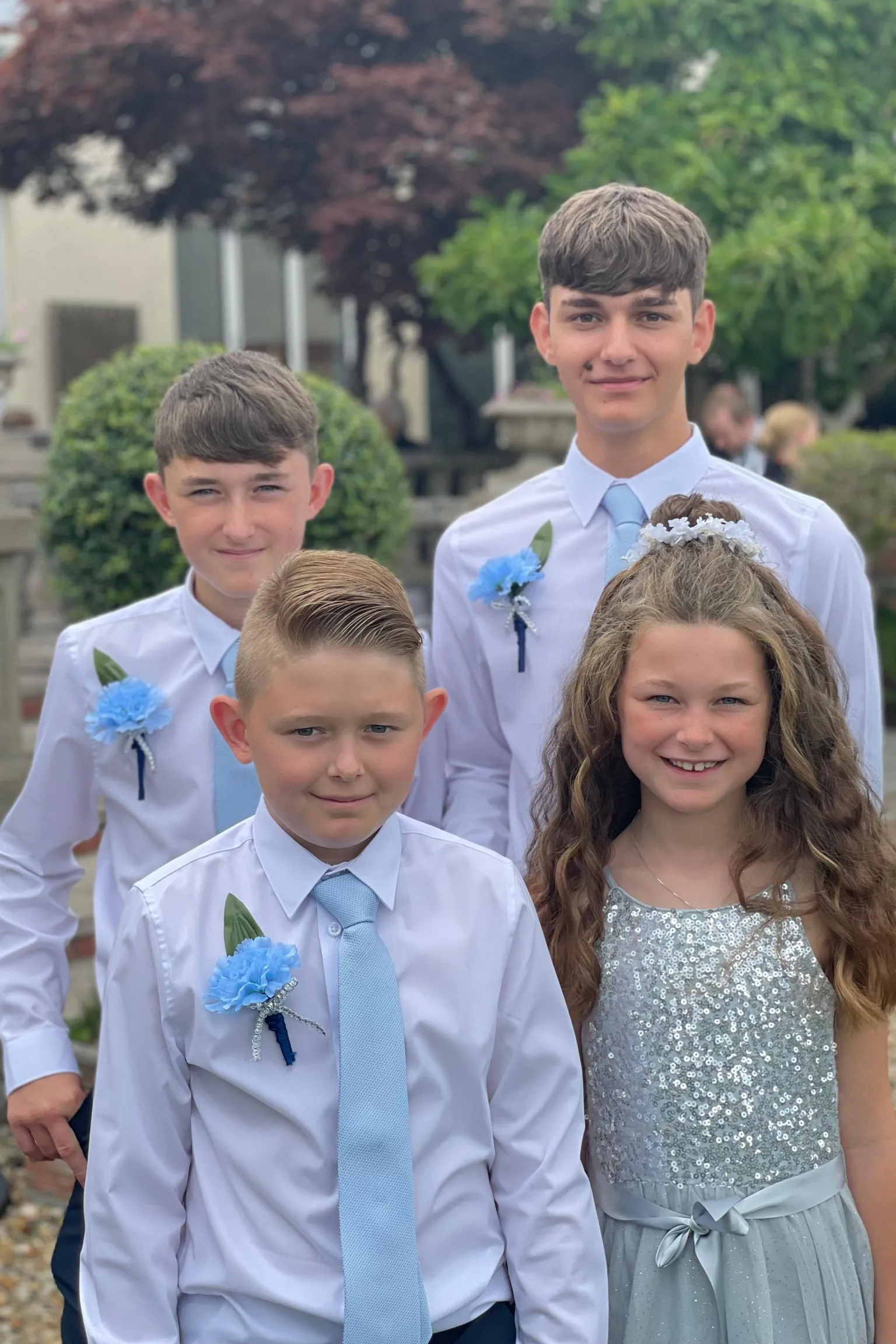
Her mother described her as an "absolute angel" who cared deeply for others.
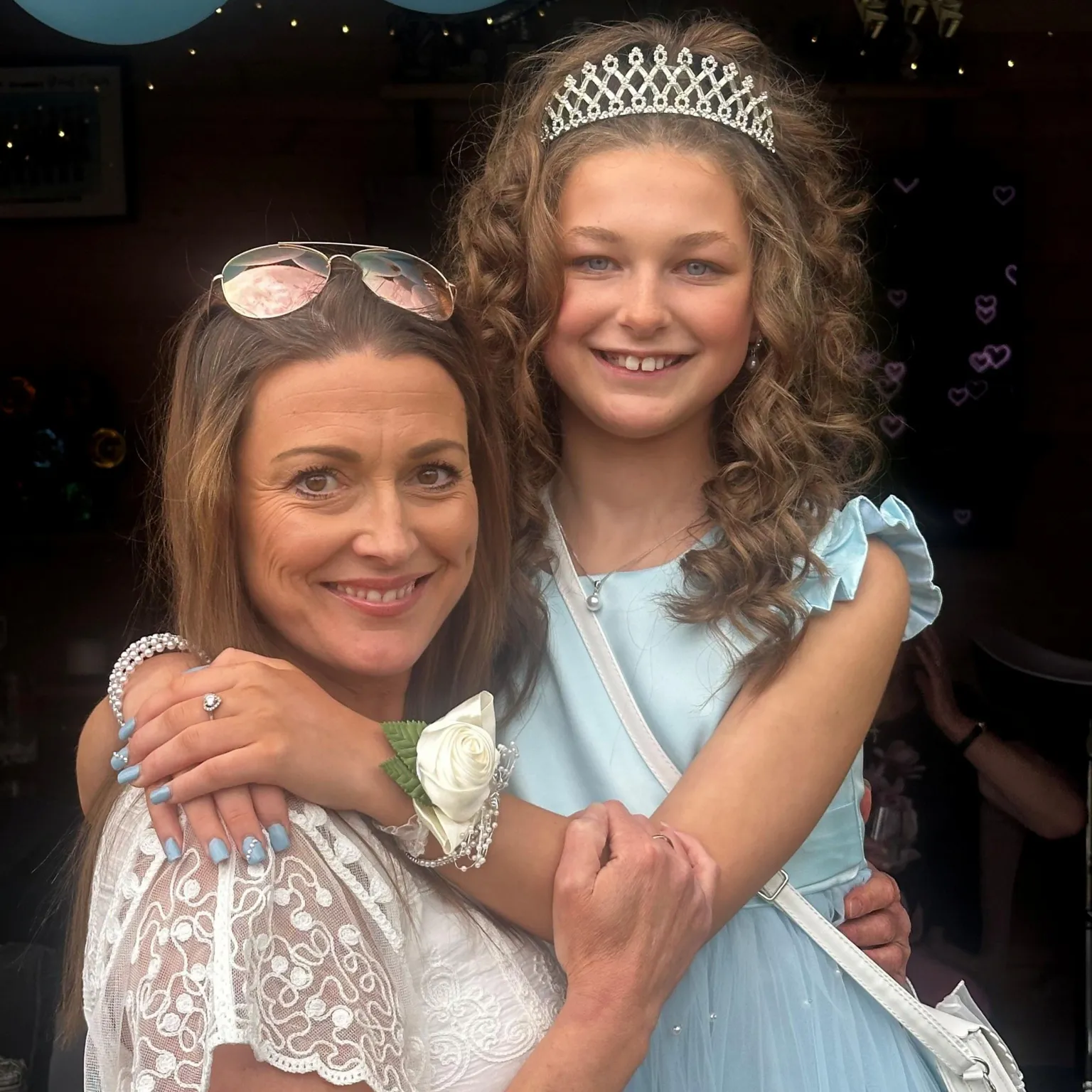
"I've always said, for as long as my heart beats, so will Alicia's.
"I thought she would have helped all these little angels, hence why I came up with the name Alicia-Adele's Angels.
"Every parent thinks their child is perfect, of course they do, but she was. She was an absolute angel, always cared for everyone.
"She'd walk home from school carrying bees that needed some sugar water.
"If there were any children sat alone, they wouldn't be on their own for long, Alicia would come and take them under her wing."
Alicia shared a love for animals with her mother and adored the family dog, Rolo.

She was a healthy and active child who enjoyed gymnastics, netball, and dance.

Welsh Government Response
The Welsh government stated that its cancer plan for Wales aims to ensure more patients benefit from new treatments, including those for brain cancer.
"We are committed to strengthening legal safeguards so that high-quality methods of tissue preservation become standard, giving patients and families greater confidence and improving access to cutting-edge care," the government said.
Amanda remains determined that Alicia's death will lead to positive change.
"She just had so much empathy and love. She is my inspiration and I think she's been an inspiration for a lot of people.
"Even if we can make a small change, it's a small change all the same."


