

Rising Diabetes Cases in Wales
New NHS data reveals that diabetes cases in Wales are increasing at a rate faster than previously predicted. While the number of people with diabetes was expected to exceed 260,000 by 2035, recent trends indicate this milestone may be reached much sooner.
Public Health Wales (PHW) reports that one in five adults in Wales has either diabetes or pre-diabetes, with tens of thousands estimated to be undiagnosed. If unmanaged, diabetes can lead to serious health complications such as sight loss, kidney disease, nerve damage, and cardiovascular disease.
Type 2 diabetes is closely linked to obesity and socioeconomic deprivation. It also disproportionately affects individuals from South Asian, Black African, and Black Caribbean backgrounds.
Data from Stats Wales in 2025 showed that 230,371 people aged 17 and over in Wales were living with diabetes, with approximately 90% of cases being type 2 diabetes. This figure represents a 3.5% increase from 2024 and significantly exceeds the projections made by PHW.
Additionally, an estimated 269,747 people in Wales are living with pre-diabetes, a condition where blood glucose levels are elevated but not high enough for a diabetes diagnosis.
Community Insights and Challenges
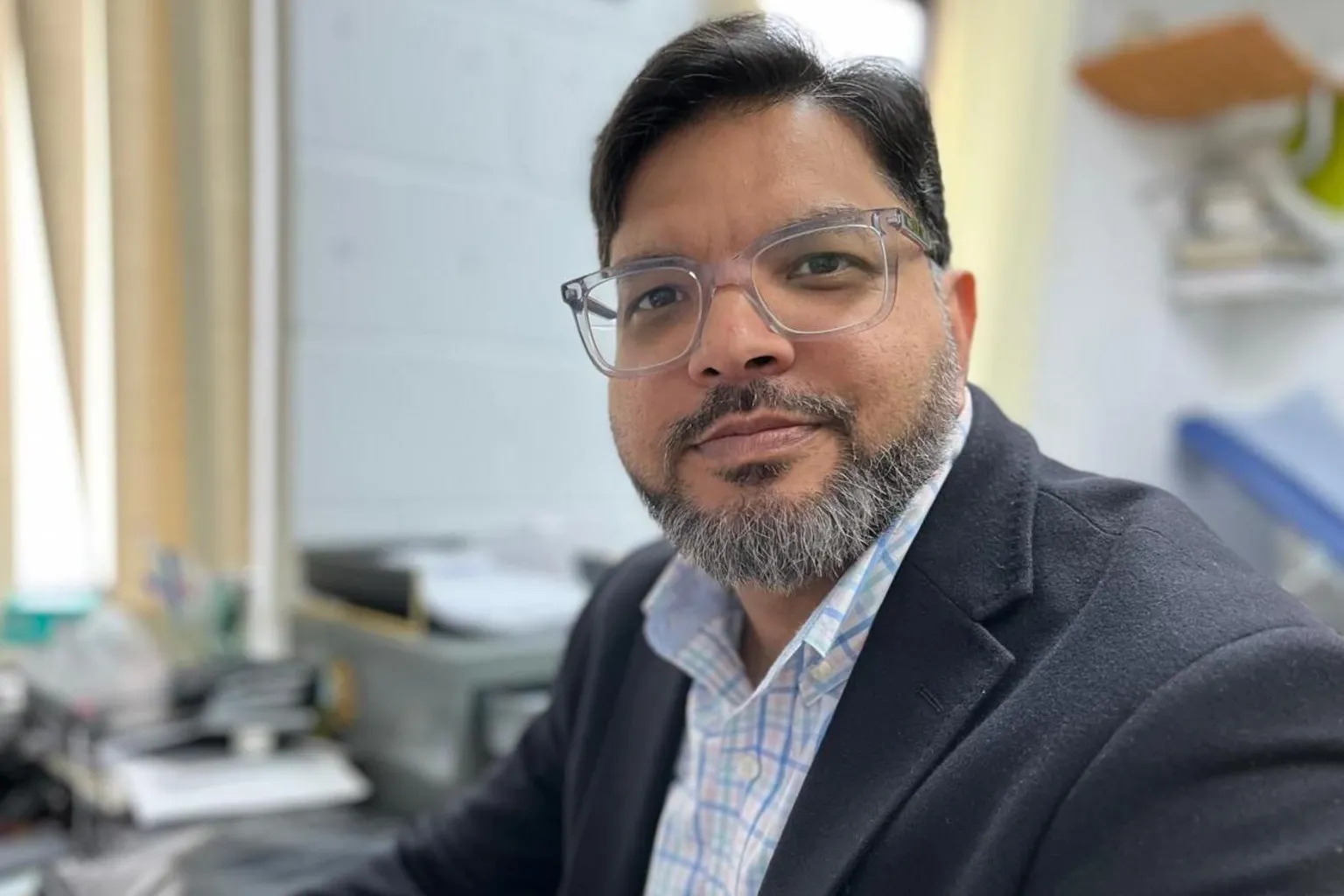
Dr Amir Ghanghro, a GP with a special interest in diabetes, noted that nationally, practices might expect about 5% of their patients to have diabetes. However, his clinic in one of Cardiff's most diverse areas has around 10% of patients with the condition.
He explained that diabetes manifests differently among the South Asian population, who tend to develop the disease at younger ages, lower body mass indexes (BMIs), and with more aggressive progression. Dr Ghanghro recently diagnosed a 17-year-old boy with diabetes.
Efforts by Muslim Doctors Cymru and PHW to identify patients early include holding sessions in mosques and even a cash and carry. Dr Ghanghro highlighted that long working hours or employment in the night-time economy can make accessing health services more difficult.
He also mentioned that conducting "point of care" glucose tests at community events is costly. Furthermore, he emphasized the importance of "cultural competence" when engaging in open conversations with patients.
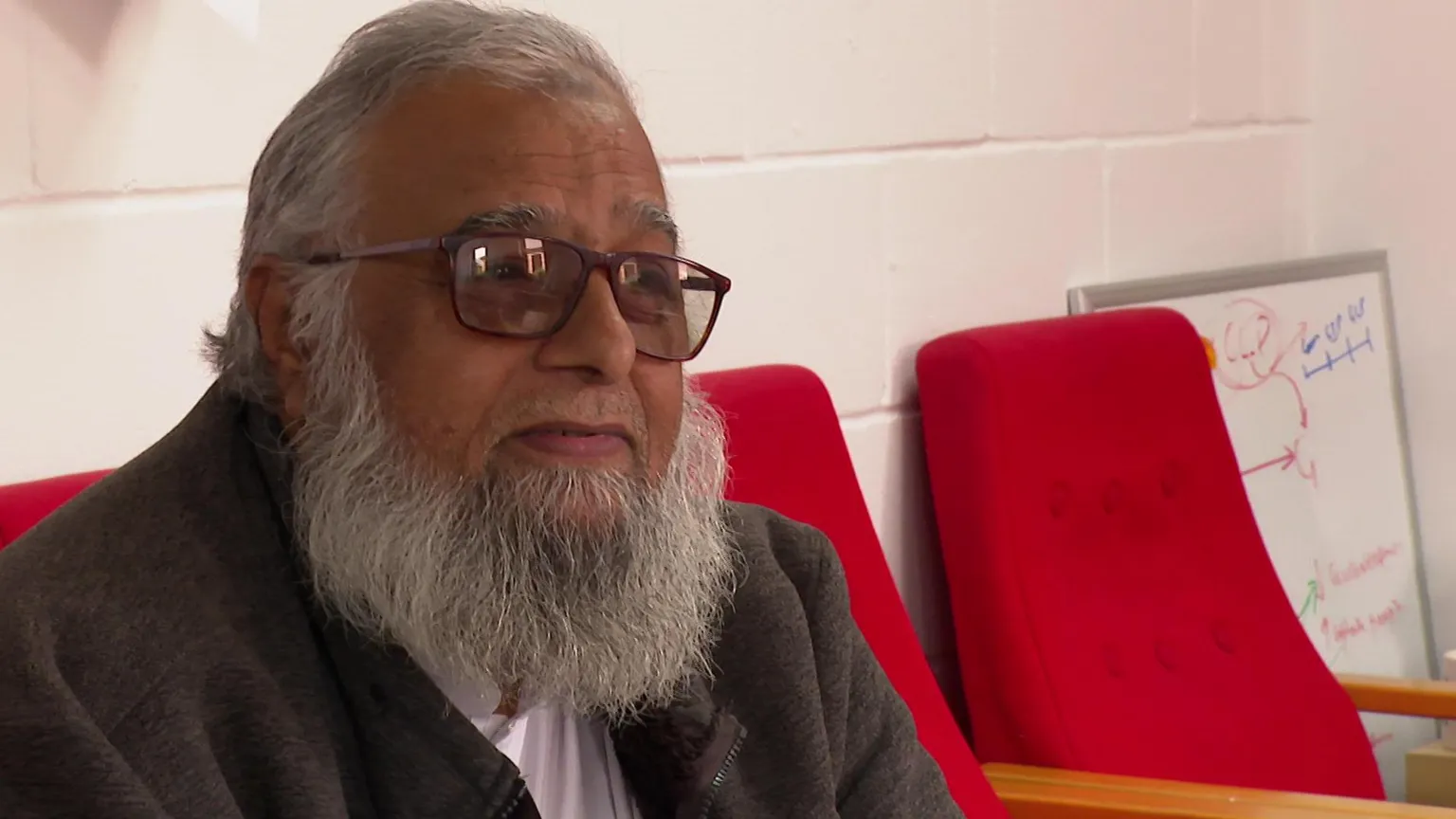
During one clinic session, Dr Ghanghro saw 70-year-old Mahmood Hassan, who has lived with diabetes for approximately 30 years. They conversed in both Urdu and English about Hassan's recent test results and his management of chronic kidney disease, a complication of diabetes.
"My sister is diabetic, my wife is - there's a lot in my family," said Hassan. "So I do tell my sons and daughters to look after themselves - to do more walking and less sweets."
Understanding Diabetes
Type 2 diabetes is a chronic condition characterized by high blood sugar levels due to insulin resistance or deficiency. It is often associated with lifestyle factors such as obesity and physical inactivity but can also be influenced by genetic and socioeconomic factors.
Shame and Stigma Surrounding Diabetes
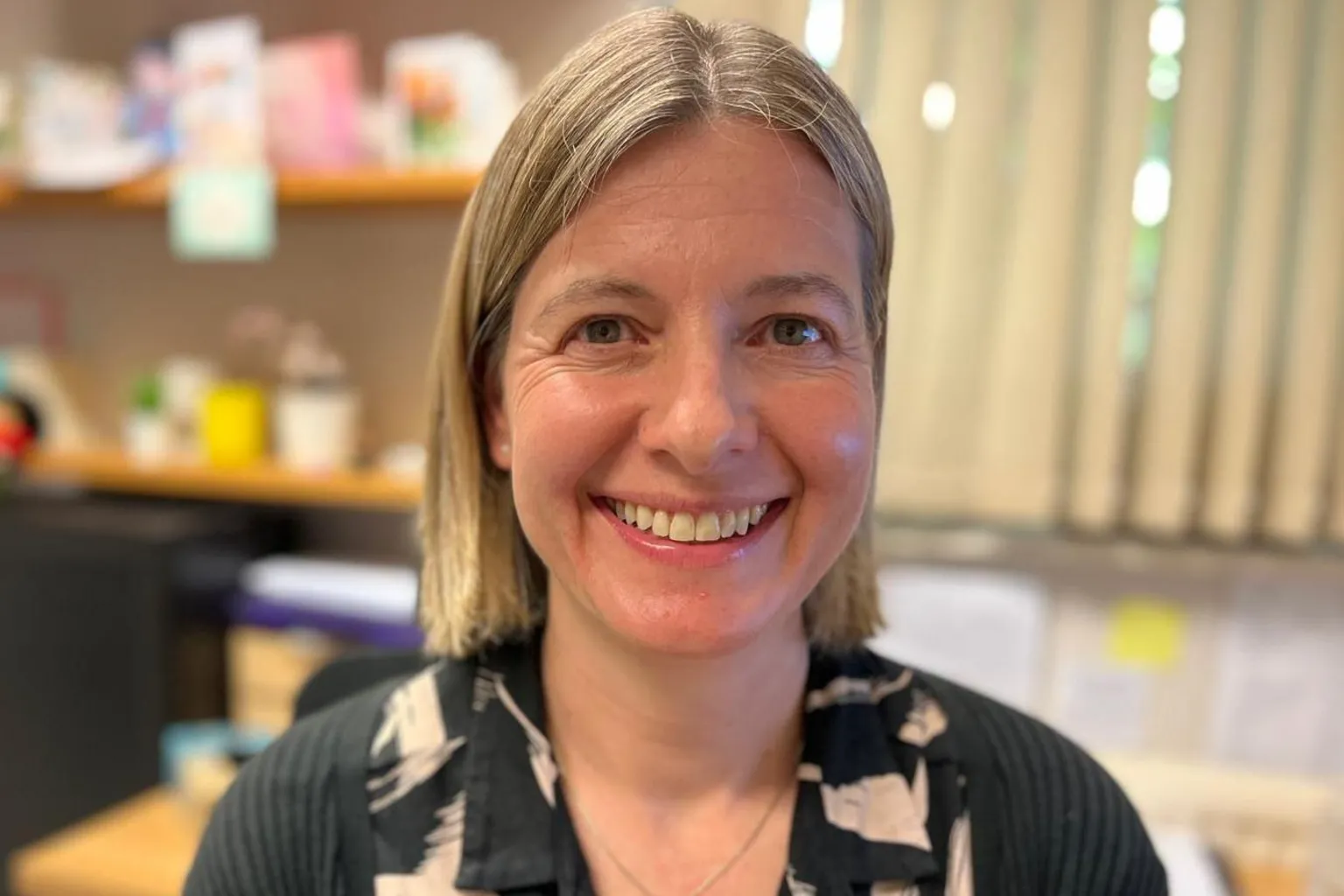
Dr Sarah Thomas, a GP in Ely, Cardiff, and the national clinical lead for diabetes in primary care, observed a notable increase in type 2 diabetes cases among people under 40 years old.
"We're seeing people in their 20s and 30s developing type 2 diabetes and this is a particular concern because they are at significant lifetime risk of complications.
"I see loads of shame and stigma associated with both type 2 diabetes and people living with overweight and obesity," she said. "People don't want to talk about it, they don't want to have those conversations, they feel they're to blame, and it's just not the case.
"I want to really emphasise that it is not people's fault."
Dr Thomas noted that the growing use of medications such as Ozempic and Mounjaro, which aid weight loss, may partly explain why diabetes rates in the United States are stabilizing. However, these medications are less commonly used in Wales and are not a universal solution.
She stated,
"I use them widely for my patients living with type 2 diabetes, and for the right people, they can be extremely effective - they are a tool in our toolbox.
"I do not think they are the solution to the prevention of type 2 diabetes in Wales. They'll form a part of that for certain, but I think we need to have a much more holistic approach to prevention of type 2 diabetes."
Encouraging Awareness and Prevention
David Taylor from PHW's Tackling Diabetes Together Programme urged individuals to be aware of their risk factors.
"Once a person knows their risk and acts, in some people we can prevent the development of type 2 diabetes and that's a very powerful message."


