

Potential Return of Lynx to Scottish Forests
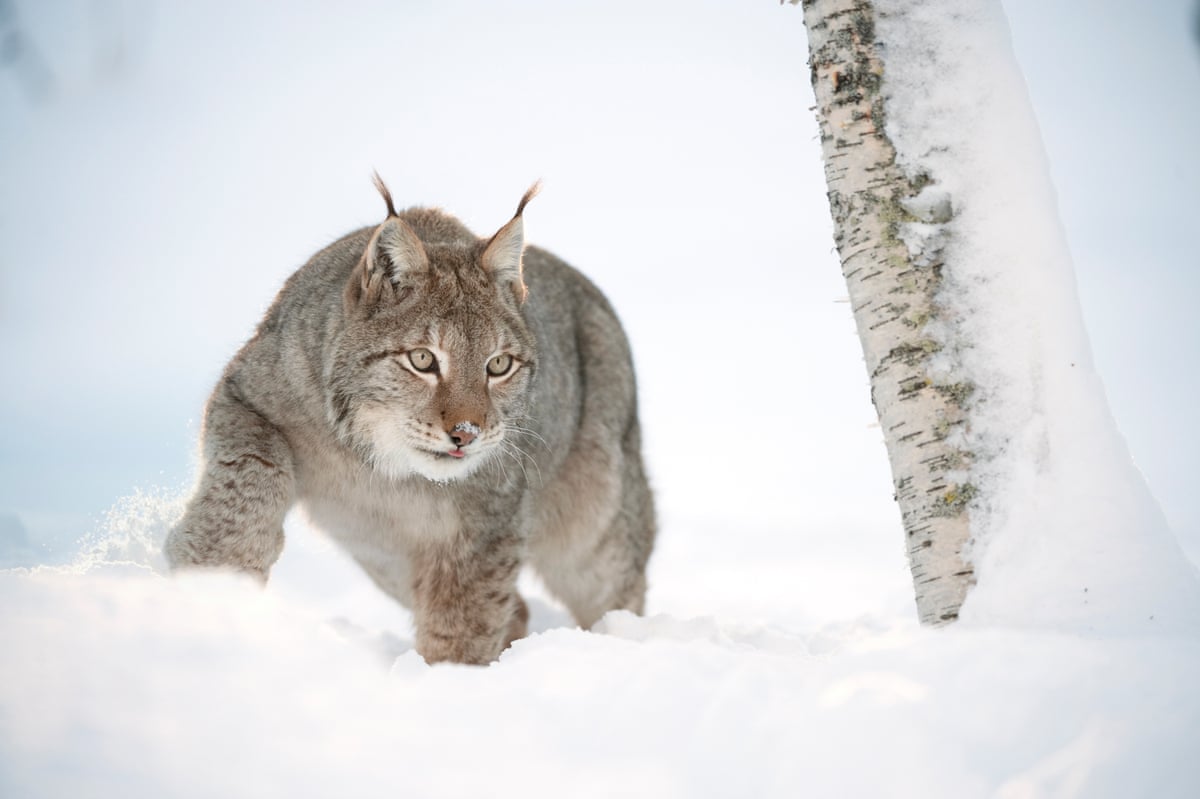
The lynx, a wild cat species that became extinct in Britain over a millennium ago, may soon return to Scotland’s forests. This prospect has sparked interest and debate, with many Scots supporting the idea. Margaret Luckwell, a Moray resident, expressed enthusiasm about the possibility, comparing the lynx’s potential to attract tourists to the legendary Loch Ness monster.
“Whether Nessie’s there or not, she draws tourists,” said Luckwell. “It would be the same with lynx. I’d love to see a lynx in the wild.”
Local consultations across the Highlands reveal that a majority share Luckwell’s view. These discussions form part of a careful, six-year campaign by a coalition of charities aiming to reintroduce the apex predator to Scottish woodlands.
The coalition’s goal extends beyond securing general public support—already at 61% according to a 2025 poll—to fostering acceptance among groups likely to oppose the lynx’s return, including farmers, gamekeepers, and deer stalkers.
Trees for Life, Scotland: The Big Picture, and The Lifescape Project have conducted 42 information sessions over the past month. They plan to follow these with numerous one-on-one meetings with concerned stakeholders this spring. The charities hope these efforts will culminate in a robust application for a licence to reintroduce lynx to Scotland.
Community Engagement and Concerns
At a consultation event in Fochabers, attended by 70 people on a cold day, the interest in the lynx was evident. Farmers, deer stalkers, and foresters were surprised by the candidness of the information presented, which acknowledged the challenges lynx could pose to livelihoods.
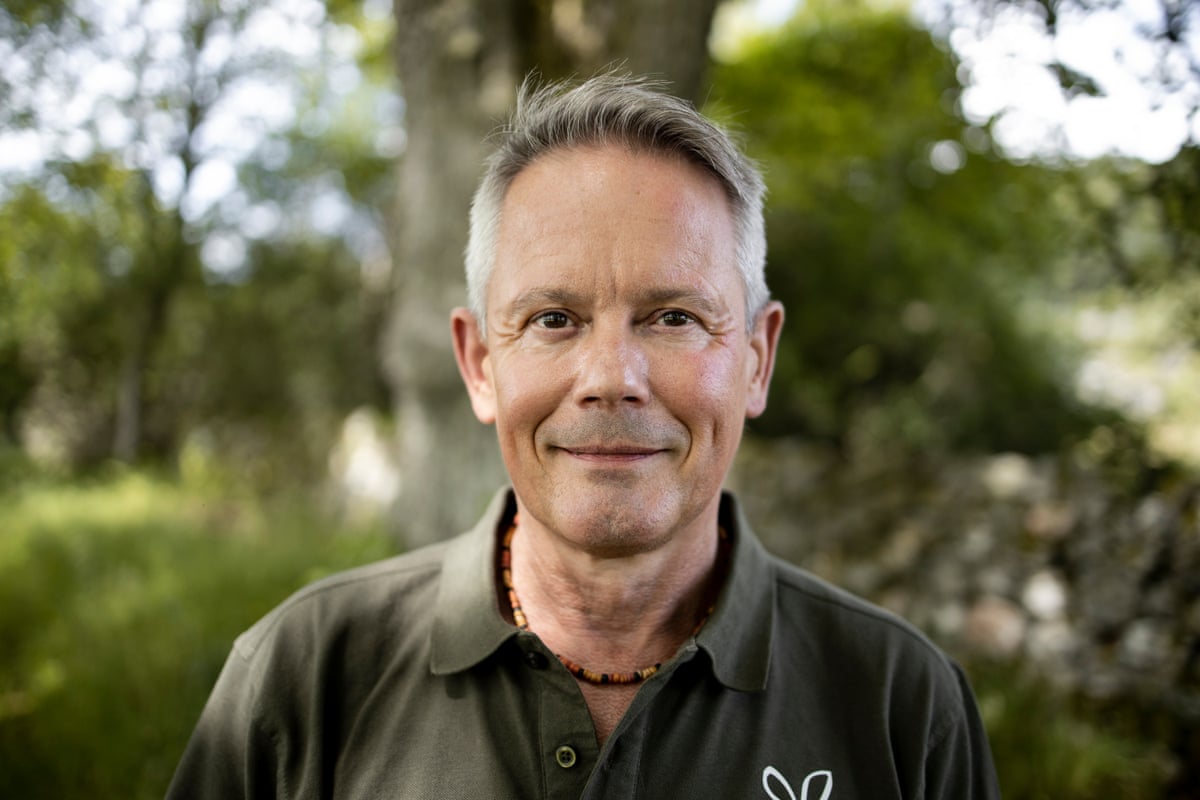
“We’re not saying they won’t take sheep – they absolutely will,” said Steve Micklewright, chief executive of Trees for Life, during discussions with visitors. “But their preferred prey is roe deer. My question is: can we get an animal like this back into the Scottish landscape and coexist with it, which we’ve forgotten how to do?”
The charities emphasize their commitment to presenting factual information and understanding how to address obstacles to lynx reintroduction. A 50-hour consultation last year involving 50 stakeholders identified predation on sheep and game as primary concerns. The charities are now exploring compensation mechanisms for potential losses.
Despite these efforts, a notable minority remains firmly opposed.
“Why?” asked Rob Green, a Fochabers consultation attendee. “Are they going to reintroduce polar bears because polar bear teeth have been found in the north of Scotland? Are the lynx going to stay in the forest and be good creatures and chase the wild deer? Are they not going to come out and take the neighbour’s cat or my dog or a little lamb? It’s people trying to make names for themselves – ‘I’ve done this’ or ‘I’ve done that’. When are people going to stop meddling?”
Others at the event offered a different perspective.
“It’s all ‘meddling’,” said Jenny from Garmouth. “The landscape we have in Scotland is not our natural landscape. It’s been created by the introduction of sheep.”
Funding and Future Plans
Steve Micklewright has dedicated six years to the lynx reintroduction initiative in the Highlands. He acknowledged financial constraints, stating,
“We’ve almost run out of money, if I’m honest.”
The charities plan to continue fundraising and emphasize that any lynx reintroduction must be financially self-sustaining for at least five years, including compensation payments, to avoid burdening the government.

While some rewilding advocates criticize the consultation process for slow progress, Micklewright maintains that a clear path to reintroduction has been established.
“It’s a matter of when, not if, but the ‘when’ could be quite a long time away,” he said. “The government has set us the challenge of being ‘well supported’ and ‘broadly accepted’.”
The latter condition is particularly important, as it implies that opponents will have the safeguards they seek and will reluctantly accept the lynx rather than harm the reintroduced animals.
Illegal Releases and Legal Context
Last year, four lynx were illegally released into the Cairngorms, sparking speculation that rewilders frustrated by the slow official process were responsible.
As a signatory to the Berne Convention, the UK is committed to restoring extinct native species. In England, two separate projects have focused on reintroducing lynx in Northumberland. The Lynx UK Trust launched legal action against the English government this year for refusing to consider its application for a trial lynx reintroduction.
The illegal release prompted First Minister John Swinney to visit Scotland. Micklewright, however, believes the political situation remains open, with some Members of the Scottish Parliament (MSPs) from various parties and some Reform UK candidates supporting lynx reintroduction ahead of the Holyrood elections this spring.
Conservationists argue that even if the Scottish government rejects a lynx licence application on political grounds, a sufficiently thorough application could be challenged in court.
Lisa Chilton, chief executive of Scotland: The Big Picture, said: “There’s a risk we consult people endlessly with no end-point because there’s always a challenge, there will always be uncertainty and questions remaining about how [reintroducing lynx is] going to unfurl in Scotland.
“We could use that uncertainty as an excuse never to do anything, but that’s not what we want from this. We all know the urgency of the situation with nature but if you don’t bring society with you it can’t possibly work.”
Changing Attitudes Among Stakeholders
Is the extensive grassroots consultation softening the views of lynx skeptics?
A deer stalker at the Fochabers session expressed confidence that his job would remain secure, noting that even if lynx numbers eventually reach 250—the estimated carrying capacity in Highland forests—they would have minimal impact on Scotland’s deer population, which exceeds one million.
A forest manager voiced no objection to lynx but raised concerns about potential future regulations. She worried that protective measures might impose large exclusion zones, hindering forestry activities such as clear-felling commercial timber. She emphasized the importance of maintaining timber production, given that Scotland imports 85% of its timber.
Donald MacLellan, a former farmer of Suffolk sheep and Aberdeen Angus cattle near Maud, Aberdeenshire, highlighted the importance of compensation.
“Compensation is very important and it’s important that it is acted upon quickly,” he said. “The animals are not just numbers. Losses are not just a sheep or a calf – there can be human generations breeding these animals to get the best.”
Despite concerns, MacLellan indicated his readiness to accept the lynx. When asked if most Scottish farmers view, he replied,
“That I don’t know,” but he cited examples such as 20mph speed limits and the smoking ban, adding, “Just do it, and people will accept it.”


