

Red Squirrels Near Extinction in England
England's native red squirrels are nearing extinction, prompting calls from an animal welfare group for increased government intervention to protect the species.
A petition initiated by the group Save Our Reds has garnered over 75,000 signatures, advocating for enhanced conservation efforts.
"We have a series of urgent actions that need to be brought together into one joined-up national plan,"said Marie Carter-Robb, founder of the campaign.
A spokesperson from the Department for Environment, Food and Rural Affairs (Defra) stated that the government is actively protecting endangered red squirrels by addressing the threat posed by non-native grey squirrels.
Population Decline and Threats
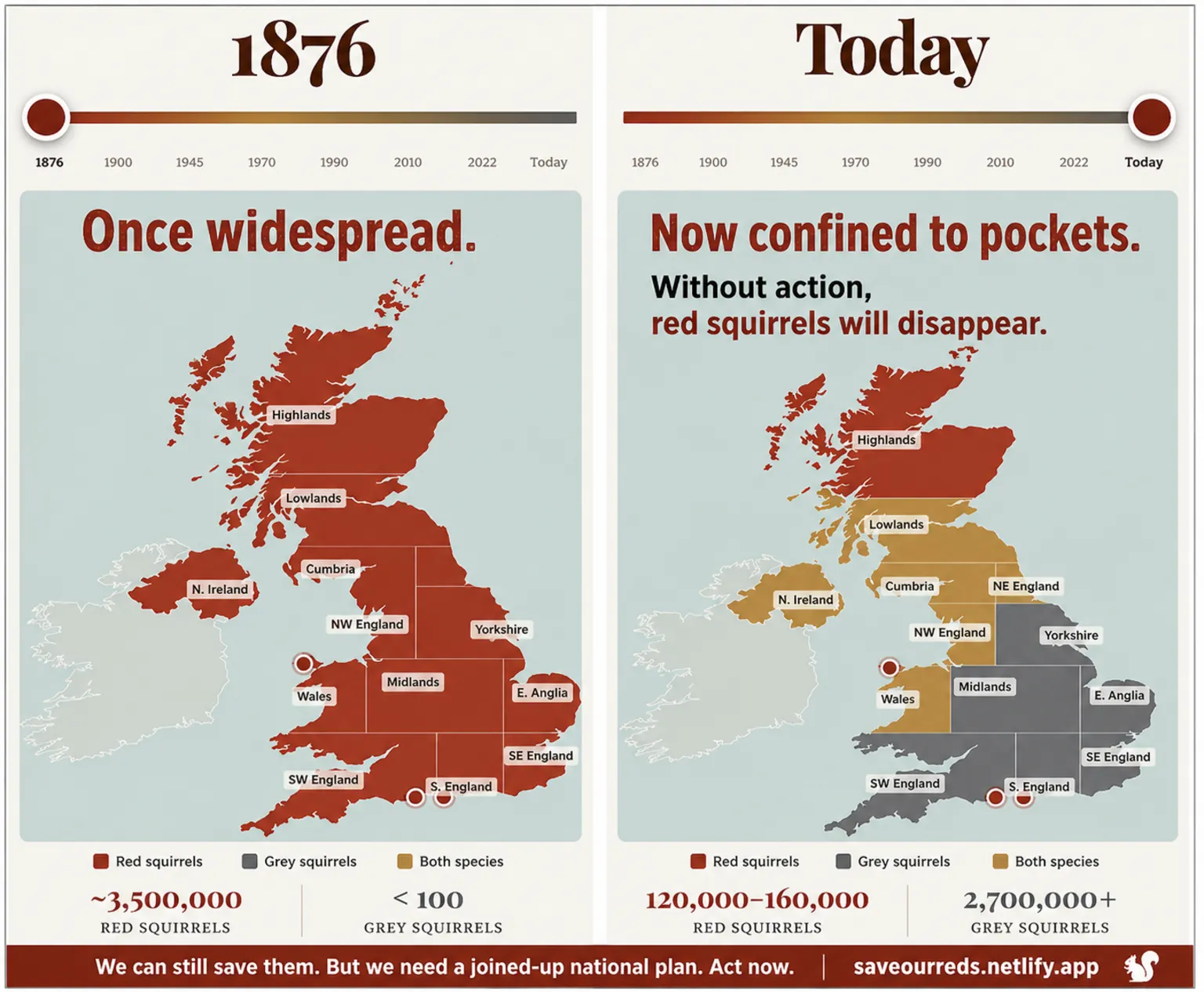
By compiling data from multiple wildlife organizations, Save Our Reds reported that the endangered red squirrel population, which still persists in areas such as Cumbria, Northumberland, and the North Pennines, could vanish within 25 years.
The group estimates that between 120,000 and 160,000 red squirrels remain in the UK, with as few as 15,000 residing in England.
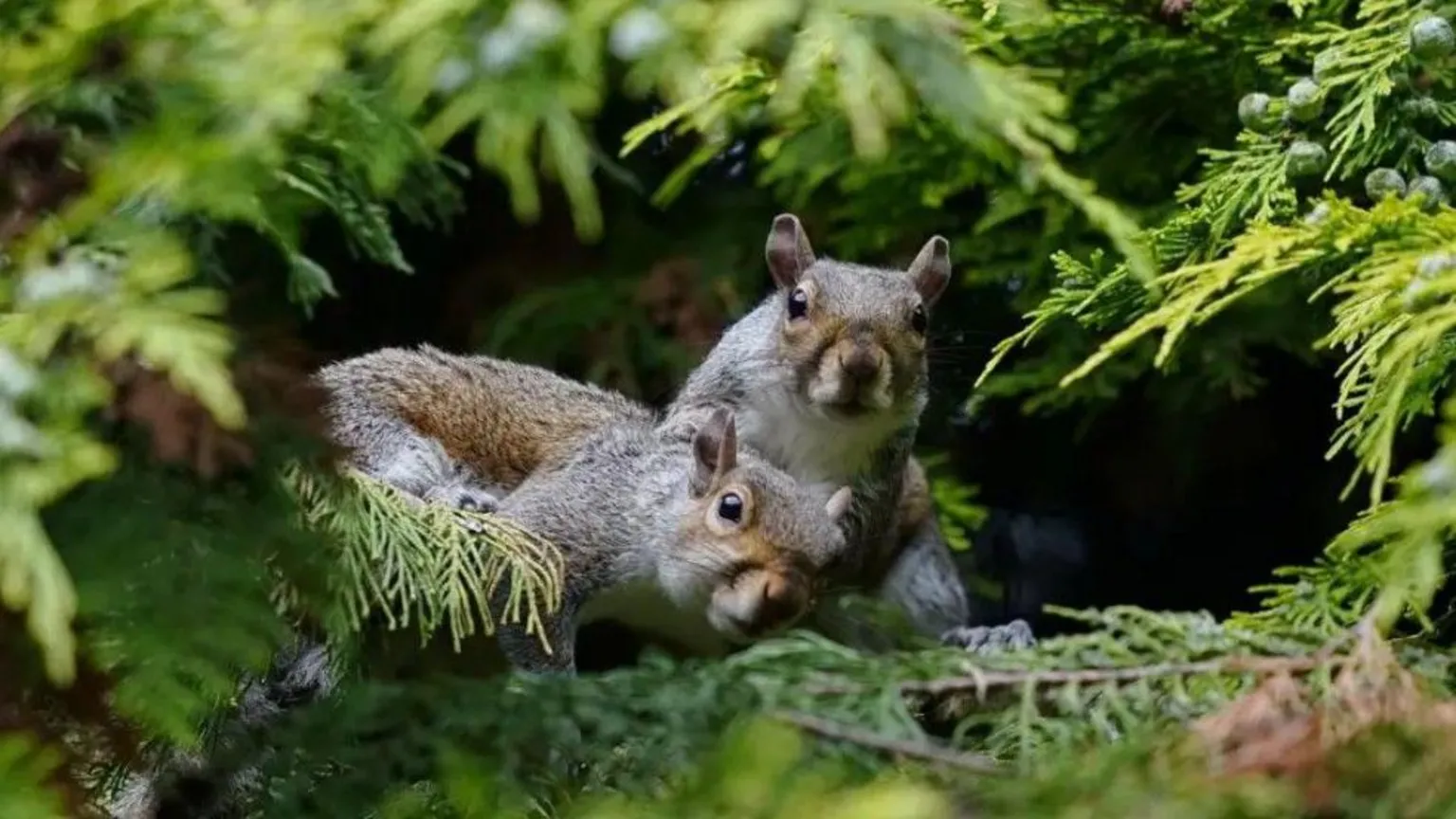
Natural England identifies the introduction of grey squirrels from the USA and Canada in 1876 as a primary cause of decline. These grey squirrels carry the squirrelpox virus, which is lethal exclusively to red squirrels.
Additional factors contributing to the decline include habitat loss and insufficient enforcement of existing protective measures.
Campaign Calls for Coordinated Action
Carter-Robb emphasized the urgency of the situation, stating:
"The map is shocking. It makes the reality impossible to ignore.
This is not theoretical, without action we will lose our red squirrels."

She described the current conservation efforts as fragmented, noting:
"The urgent actions that need to be brought together" were "fragmented" and "we are simply managing decline."
The campaign advocates for a national strategy to humanely control grey squirrel populations and calls for immediate investment in developing a squirrelpox vaccine.
It also seeks support for research and implementation of fertility control methods, along with strengthened protection and enforcement of red squirrel habitats.
"We need government, conservation bodies, landowners, scientists and campaigners around the same table. The tools exist or are being developed.
What is missing is coordination, funding and urgency,"Carter-Robb added.
The organization highlighted that although it is illegal to kill red squirrels, their habitats continue to be destroyed.
Government Response and Conservation Efforts
A Defra spokesperson commented:
"Working alongside landowners and conservation partners, we are supporting promising research into fertility control so that we can manage grey squirrel populations and help our iconic red squirrels and native wildlife flourish.
We support red squirrel populations in Cumbria and Northumberland by monitoring them and controlling the grey squirrel population.
We also manage forest and woodland habitats to enable red squirrels to thrive.
We work with and support partner organisations and volunteer red squirrel groups as part of our conservation activity."
They further stated that Forestry England manages the nation's forests according to "world-class, independently certified, sustainable forest and land management standards" to ensure forest health and the sustainable production of timber.
Follow BBC North East on X, Facebook, Nextdoor, and Instagram for updates.


