

Whale Transported from German Waters After Five Weeks
More than five weeks after a humpback whale became stranded in shallow waters off the German coast, the animal has been transported out of German waters aboard a barge, heading towards the North Sea.
The final rescue operation is being closely monitored throughout Germany, following unsuccessful attempts to encourage the whale to leave the coastal area.
On Tuesday, the whale was guided into a specially adapted, water-filled barge in a mission funded by two German entrepreneurs.
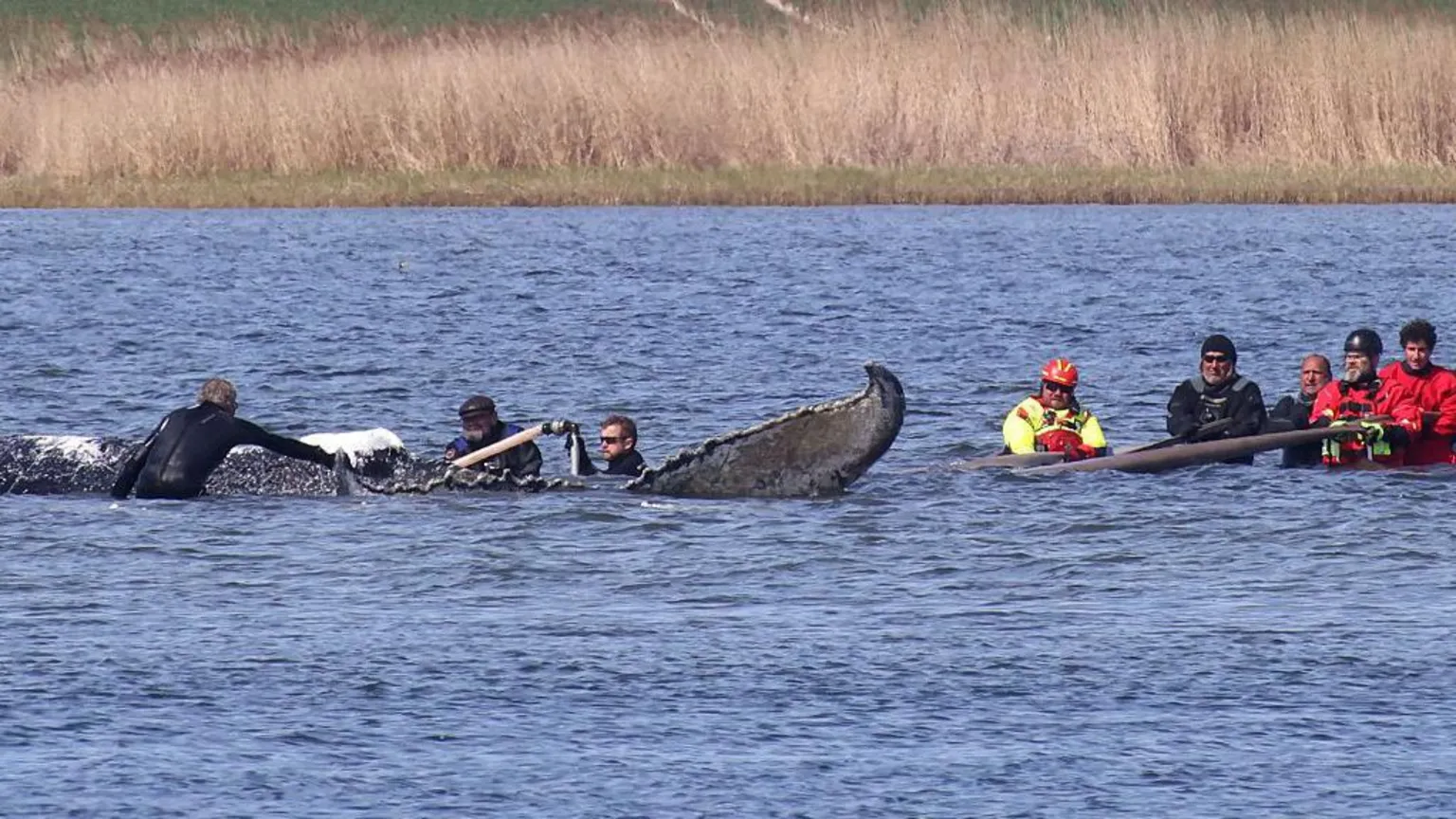
Expert Opinions and Rescue Team Reactions
Marine experts have largely distanced themselves from the rescue effort. An expert panel from the International Whaling Commission acknowledged the good intentions behind the plan but noted the whale appeared "severely compromised and unlikely to survive even if moved to deeper water."
Despite skepticism about the whale's prospects, those involved in the operation expressed great satisfaction with the outcome.
Till Backhaus, the environment minister of Mecklenburg-Vorpommern, has become a prominent figure in the rescue mission. He praised the operation as a success and described it as "an example for Germany of what can be done."
If everything goes well, it will be in the North Sea in two days,
he told reporters, adding that the whale was reportedly doing well and even sang during the night.
The two entrepreneurs who financed the rescue expressed their joy at the whale's removal from the shallow waters near the island of Poel, where it had remained for 29 days.
I can't even say how happy I am,
said Karin Walter-Mommert, while Walter Gunz remarked he had never prayed so much in his life.
Journey Through Baltic and Danish Waters
After the transport ship Fortuna B, towing the whale, left German waters, it proceeded through the Baltic Sea into Danish waters. The route aims to navigate northward around the northern Danish coast of Jutland, passing through the Skagerrak strait towards the North Sea.

The rescue team maintained a mood of euphoria that began when the whale entered the barge on Tuesday and continued during their interviews with reporters on Wednesday.
Felix Bohnsack, the technical head of the mission, commended all participants, including Backhaus's environment ministry and the German life guards' association DLRG, but cautioned that they were not yet "out of the woods."
Concerns from Wildlife Groups and Experts
Wildlife organizations remain pessimistic about the whale's long-term survival after its release into the North Sea.
Whale and Dolphin Conservation (WDC) expressed particular concern, warning the whale had little chance of survival. The whale suffered skin damage due to the low salinity of the Baltic Sea waters along Germany's coast. WDC emphasized that for the rescue to be deemed successful, the whale's skin would need to fully recover and it would have to begin feeding independently.
Marine biologist Fabian Ritter offered a more optimistic view to the German press agency DPA, noting the whale demonstrated a clear "will to live," but he cautioned that such a rescue was unprecedented and its effects on the whale were unknown.
The German Oceanographic Museum highlighted the risk of drowning due to the whale's weakened condition.
Background of the Whale's Stranding
The whale's difficulties appear to have begun when it became entangled in netting. Although first sighted early last month, it was on 23 March that the whale initially became stranded on Timmendorfer Beach in Lübeck Bay.
The whale has since become a cause célèbre in Germany. After a channel was dug to free it, the whale moved east along the coast to Wismar Bay and by the end of March was located in a shallow area near the island of Poel, where it remained until the rescue on Tuesday.
Members of the rescue team and German media have given the whale nicknames such as Timmy, after the beach where it first appeared, or Hope.
Rescue Team Reflections
Reflecting on the previous 24 hours, rescue director Felix Bohnsack said on Wednesday,
the moment Hope swam into the barge was inconceivable; we had tears in our eyes; these are images I will never forget.


