

Wildlife Moves into New Wetland at Great Fen
Wildlife is beginning to inhabit a newly established wetland area that took one year to construct.
The wetland was developed at the Great Fen nature reserve, located near Ramsey in Cambridgeshire, as part of the broader Great Fen project.
Approximately 25 hectares (62 acres) of land—equivalent to about 60 football pitches—have been transformed with the addition of a mere, channels, and reedbeds.
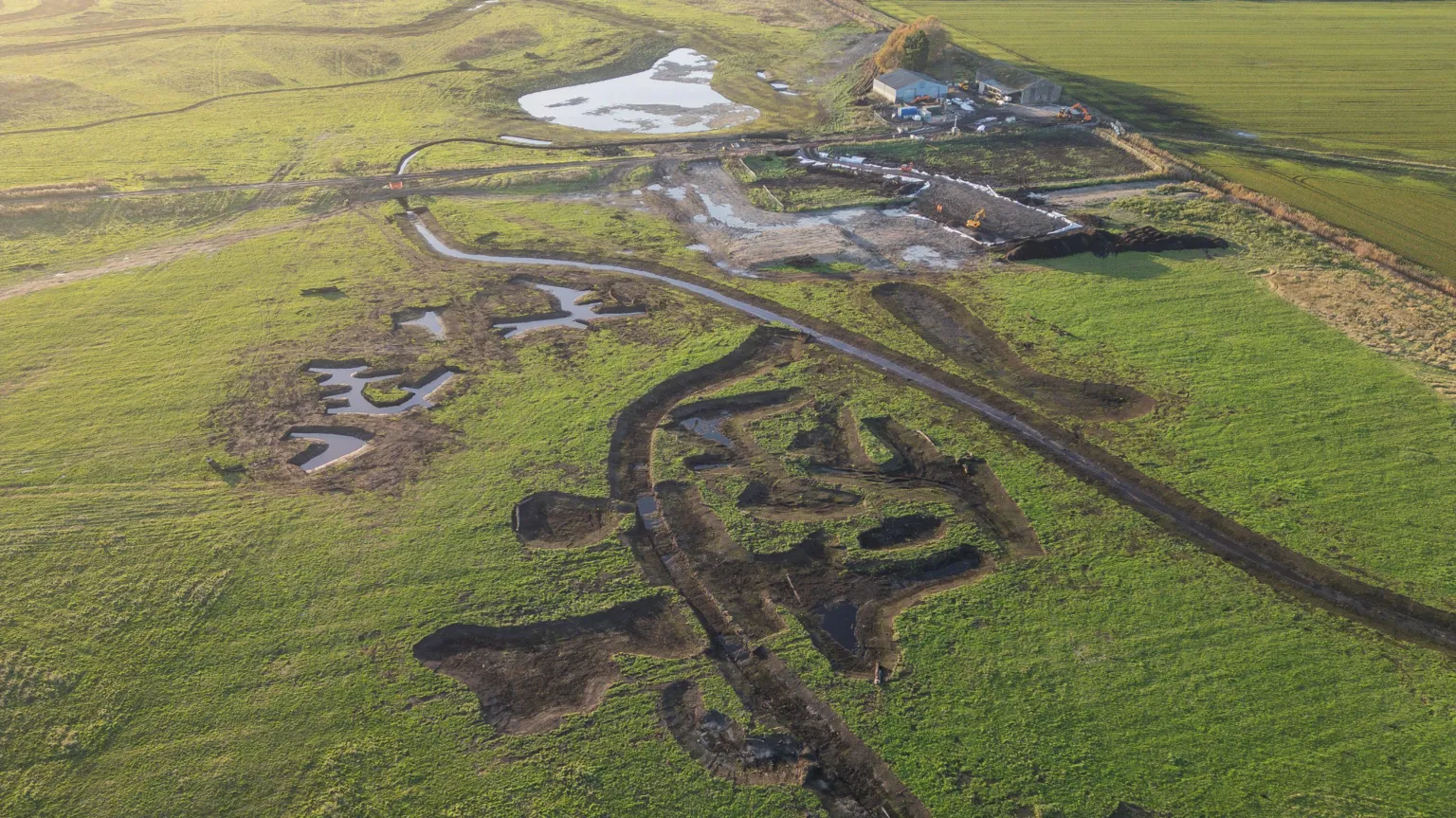
Staff have already observed birds, including lapwings, exploring the site as a potential new feeding ground.
Project Background and Funding
This work represents one of the latest phases of the Great Fen vision, known as Peatland Progress, which is funded by the National Lottery Heritage Fund.
The five-year initiative aims to connect two remaining fragments of ancient fenland: Woodwalton Fen and Holme Fen.

The Great Fen vision was initiated in 2000 when the Wildlife Trust for Bedfordshire, Cambridgeshire and Northamptonshire partnered with other organizations to create a new wetland landscape.
Project Manager Comments
Lorna Parker, Great Fen project manager, commented on the transformation:
"While it was amazing to see the transformation of this land from arable fields to wetland, we were very grateful to see the last digger roll off so that nature can truly take over.
The rainfall has helped fill the new mere and channels, and wherever there is water, there is life."
She added that the muddy edges around the waterways provide ideal habitats for insects and molluscs, which will serve as food for wading birds such as lapwings, redshank, and snipe.
Parker also noted that the site is expected to open to the public in the summer, allowing visitors to witness the land returning to nature for the first time in over 100 years.
Community Engagement
Readers with story suggestions for Cambridgeshire are encouraged to make contact through the provided channels.
Follow Cambridgeshire news on , Facebook, Instagram, and X.


