

Government Funding Supports Conservation of Rare Spider
A conservation initiative aimed at protecting a tiny, critically endangered spider has been granted government funding.
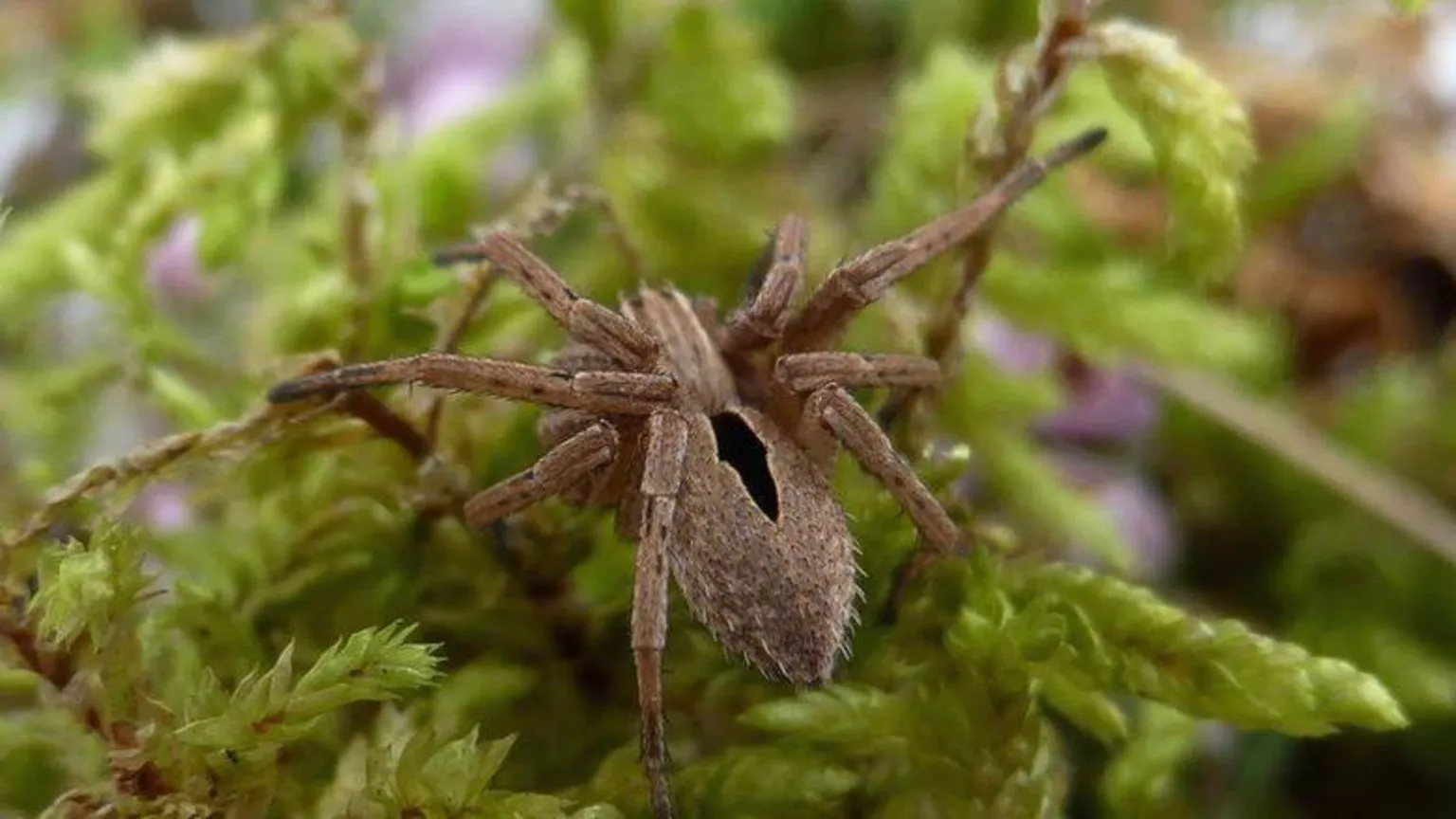
The diamond-backed spider, once believed extinct, was rediscovered in 2017 by two volunteers at Clumber Park in Nottinghamshire.
The National Trust has received £50,458 from the Department for Environment, Food & Rural Affairs (Defra) under the Species Recovery Programme managed by Natural England.
The charity stated that this funding will enable it to expand research conducted in collaboration with the British Arachnological Society and enhance understanding of the spider's behaviour.
Unique Habitat and Ongoing Research
Clumber Park remains the sole known location in Britain where this species, previously thought lost, continues to exist, according to the National Trust.
Amy Trewick, assistant land use and nature delivery partner for the National Trust, commented on the ongoing investigations:

"We're still uncovering the mysteries of this species, from how it arrived at Clumber to why it thrives here.
"We've yet to find a gravid female [female with eggs], so understanding its breeding patterns is a key focus."
The charity outlined future plans that include conducting genetic analysis to trace the spider's origins and surveying nearby heathlands in Sherwood Forest to identify potential new habitats.
Additionally, surveys are planned at Ashdown Forest in Sussex, where the spider was last documented in 1969, to search for any hidden or overlooked populations.
Project Goals and Ecological Importance
Gareth Jones, lead ranger at Clumber Park, emphasized the significance of the funding for the project's progress:
"The funding will allow the project to move 'from discovery to recovery'.
"By understanding what this species needs, we can create the right conditions for it to grow and thrive. Not just here, but potentially beyond Clumber."
Jones also highlighted the ecological role of spiders, noting their importance as natural pest controllers that contribute to balanced ecosystems.
Dr Helen Smith from the British Arachnological Society remarked on the spider's precarious status:
"We have too many critically endangered species in Britain but the future of this smart little spider, apparently restricted to a tiny pocket of heathland in Clumber Park, could not be more precarious.
"This support gives us renewed hope of finding ways to secure its future, not just at Clumber but more widely on heathland in Nottinghamshire and further afield."
Stay Connected
Listeners can tune in to BBC Radio Nottingham on Sounds and follow BBC Nottingham on Facebook, X, or Instagram. Story ideas can be submitted via email to eastmidsnews@bbc.co.uk or through WhatsApp at 0808 100 2210.


