

Rare Pine Hoverfly Population Boost in Cairngorms
A rare species of fly, the pine hoverfly, which was once on the brink of extinction, may now outnumber the human residents of the Cairngorms National Park, the only location in the UK where this insect still exists, according to conservationists.
Approximately seven years ago, the population was estimated to be only 50 pine hoverflies inhabiting a single woodland site. Despite this increase, the species remains classified as critically endangered.
Thanks to a captive breeding programme, 30,000 pine hoverflies have been released into the park, nearly double the number of people living there.
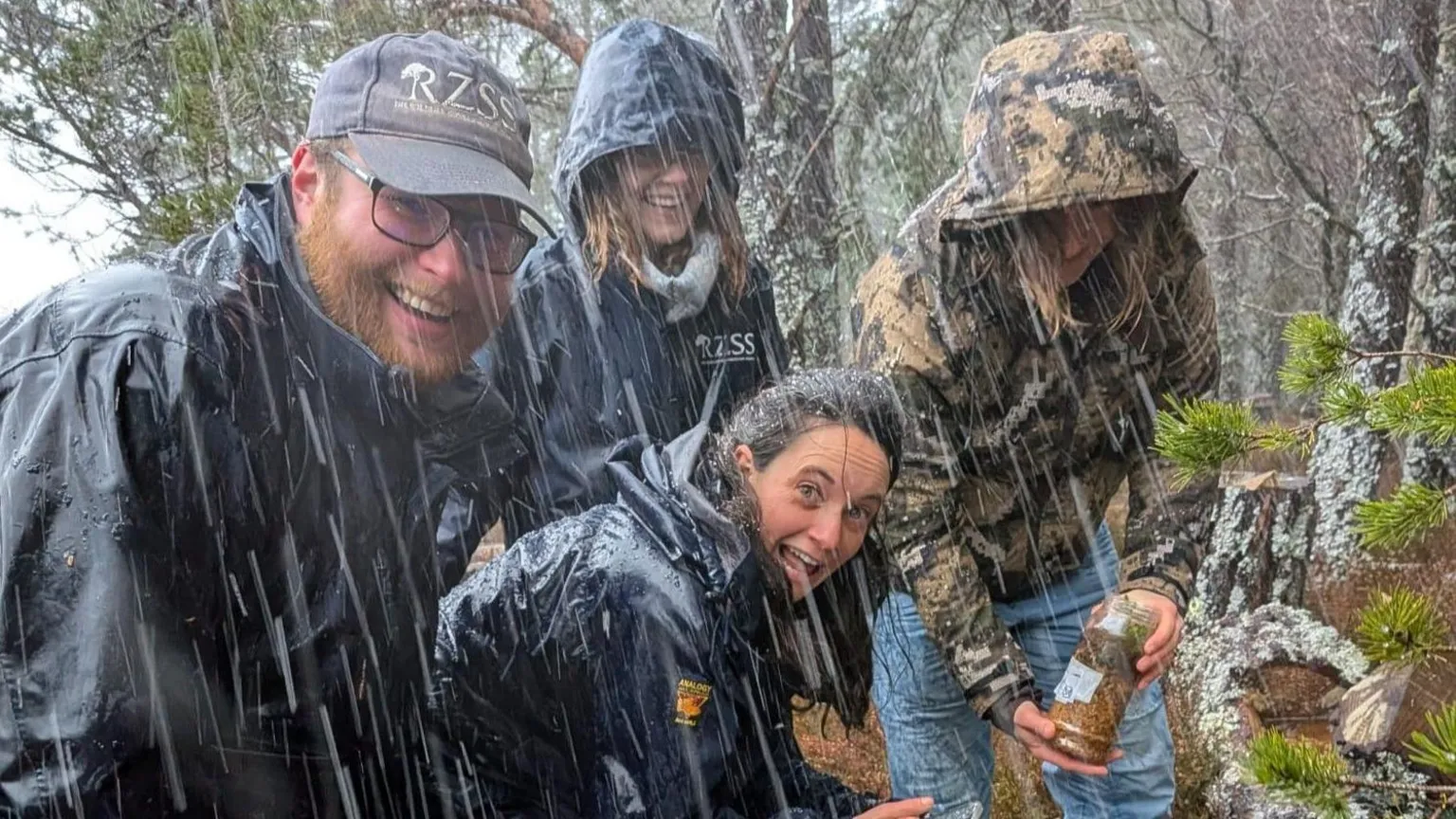
Conservationists from the Royal Zoological Society of Scotland (RZSS) have employed simple tools such as jam jars and hummus pots to nurture the larvae before releasing the insects back into their natural environment.
Captive Breeding and Conservation Efforts
The pine hoverfly conservation initiative began in 2018 and is a collaborative effort involving the Rare Invertebrates in the Cairngorms (RIC) project, the Pine Hoverfly Steering Group, and local landowners.
Over the years, thousands of insects have been released in multiple batches, including nearly 7,000 larvae in March and over 3,000 in October 2021.
The breeding takes place at a "breeding-for-release" centre located at RZSS's Highland Wildlife Park in Kincraig, near Aviemore.
As a result of these conservation efforts, an adult pine hoverfly was observed in the wild in 2022, marking the first sighting in a decade.

Habitat Requirements and Breeding Techniques
The pine hoverfly requires specific environmental conditions to thrive. In the wild, its larvae inhabit small holes that have rotted into old pine trees, where they feed on a "nutritious soup" of bacteria.
To replicate these conditions in captivity, conservationists use jam jars to simulate the larvae's natural habitat.
Keepers create the bacterial soup by mixing pine wood chippings sourced from the flies' natural environment with rainwater.
The temperature within the breeding area is regularly monitored, and damp moss is used to seal the tops of the jars to maintain suitable humidity levels.
Statements from Conservationists
Georgina Lindsay, RZSS field conservation manager, emphasized the significance of the project:
"The reintroduction project is hugely important for the species."
"This milestone is emblematic of so much hard work and dedication, and a tribute to collaborative work."
RIC Project and Habitat Protection
The Rare Invertebrates in the Cairngorms (RIC) project aims to enhance understanding of threatened invertebrate species and their distribution throughout Cairngorms National Park.
RIC works closely with landowners to protect and improve habitats critical to these species' survival.
The project is managed by NatureScot and receives support from the Scottish government's Nature Restoration Fund.


