

Passion for Beetles Leads to Rare Species Rediscovery
Hobbies and interests vary widely, but one woman’s enthusiasm for beetles has resulted in the remarkable rediscovery of a species not observed on the island of Ireland for nearly a century.
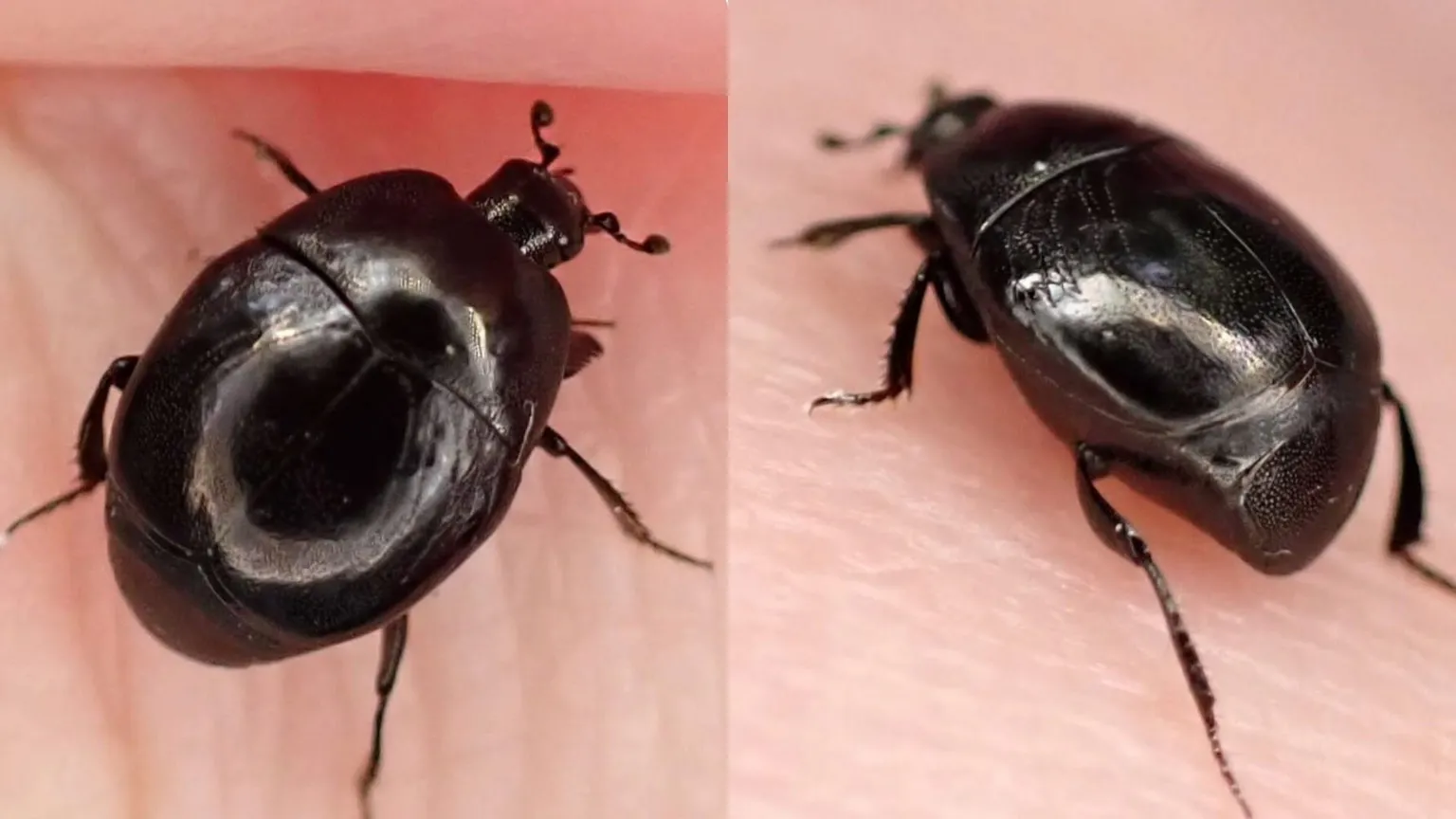
Last recorded in 1934, the Saprinus semistriatus, commonly known as the carrion clown beetle, has remained elusive to experts, with occasional sightings limited to Great Britain, mainly in southern England.
This changed when Mel McQuitty, a self-described "beetle enthusiast" from Northern Ireland, discovered the beetle during what she called "a routine after-work survey" at Benone Strand in County Londonderry.
The 2024 sighting has been confirmed by experts and is currently the most recent record of the species in the UK and Ireland.
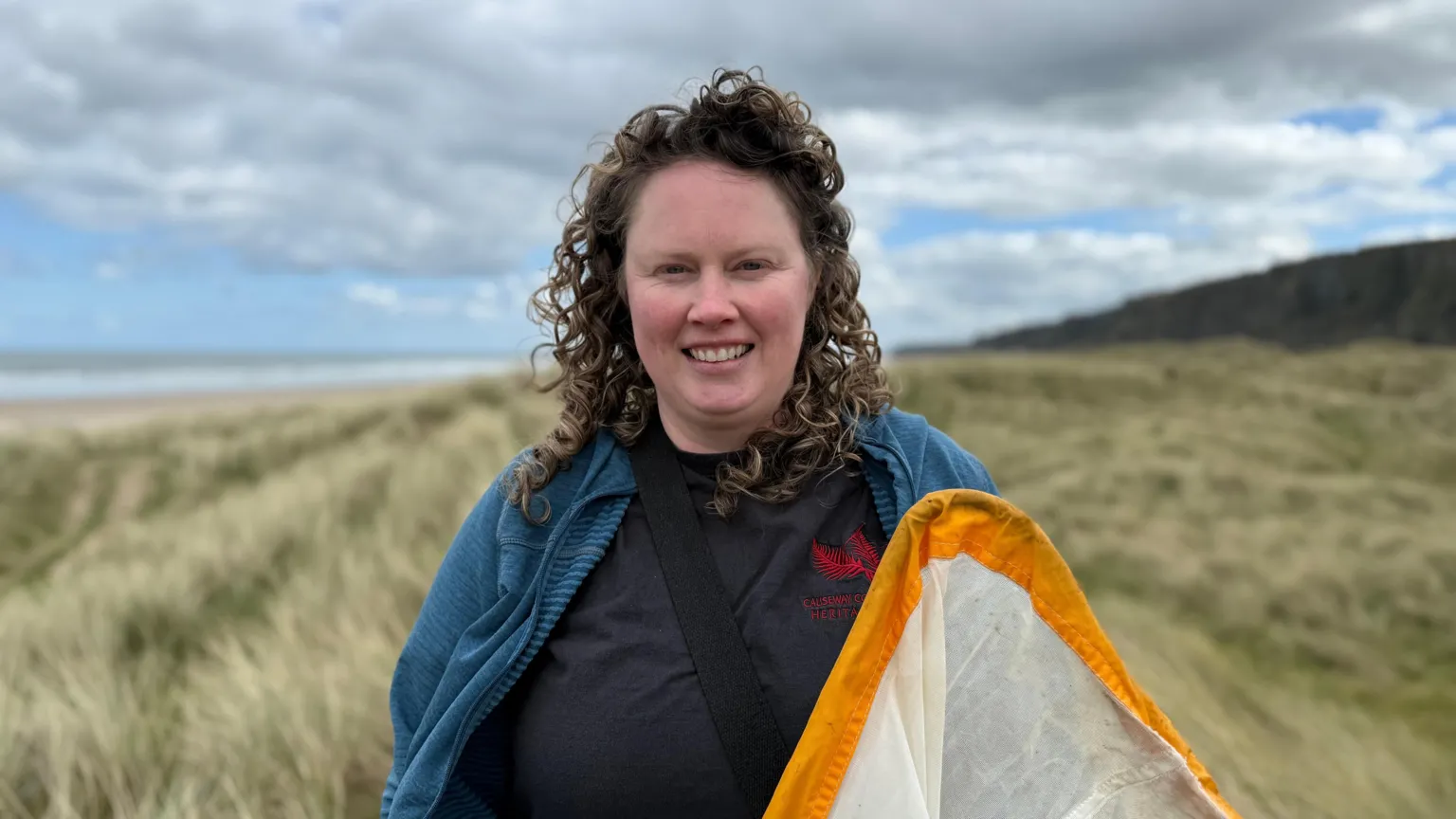
'An honour to see it'
"I was really lucky to come across a dead hedgehog in the sand dune slacks and when I took a look underneath I found the little beetle," Mel McQuitty told NI.
"It's a really fantastic looking beetle, it's very unique and records show it hasn't been seen in quite some time which is great news."
Having conducted regular surveys of the area for the past three years, McQuitty did not initially realize the significance of her observation when she logged it officially.
It was only after verification by the Centre for Environmental Data and Recording (CEDaR), which collects discoveries from the public, that she understood the importance of her find.
"There are thousands of species in Ireland and, as an amateur, every beetle is pretty special.
"I knew it was a type of clown beetle and its family but I didn't realise it would be so rare!
"It was an honour to get to see it and set it on its way again," she said.
Northern Ireland is one of the most nature-depleted regions globally, with one in nine species at risk of extinction.
The Department of Agriculture, Environment and Rural Affairs (Daera) aims to address this through its Nature Recovery Strategy.
McQuitty began her personal beetle survey to help improve understanding of biodiversity in Northern Ireland, emphasizing that every beetle recorded is more than "just a beetle."

"I think it's really exciting, I survey all the time and I try to find as much as I can so all those records are important to me. But it's fantastic to find and know that stuff is still out there that you thought maybe wasn't."
Expert Verification and Species Insights
Dr Roy Anderson, an academic and beetle expert who has discovered new beetle species, verified McQuitty’s observation of Saprinus semistriatus.
"It's a tiny little thing, only about three or four millimetres long, easily overlooked."
Its small size, preference for habitats such as animal carcasses, and climate changes may explain its rarity in records.
"I have never seen the species, but there's a similar species called Saprinus aeneus, which I come across occasionally on the shores of Lough Neagh," Dr Anderson said.
"This one has always been rare and it's interesting that it's turned up on the north coast of Northern Ireland, because there's so many other beetle species advancing their range through climate change."
Helen James, Senior Curator of Natural Sciences at National Museums NI, highlighted the importance of historic specimen collections in tracing the species’ history, with the earliest specimen dating back to 1894 in Portrush.
The CEDaR, Northern Ireland’s only Local Environmental Record Centre funded by the carrier bag levy, plays a central role in collating biodiversity data.
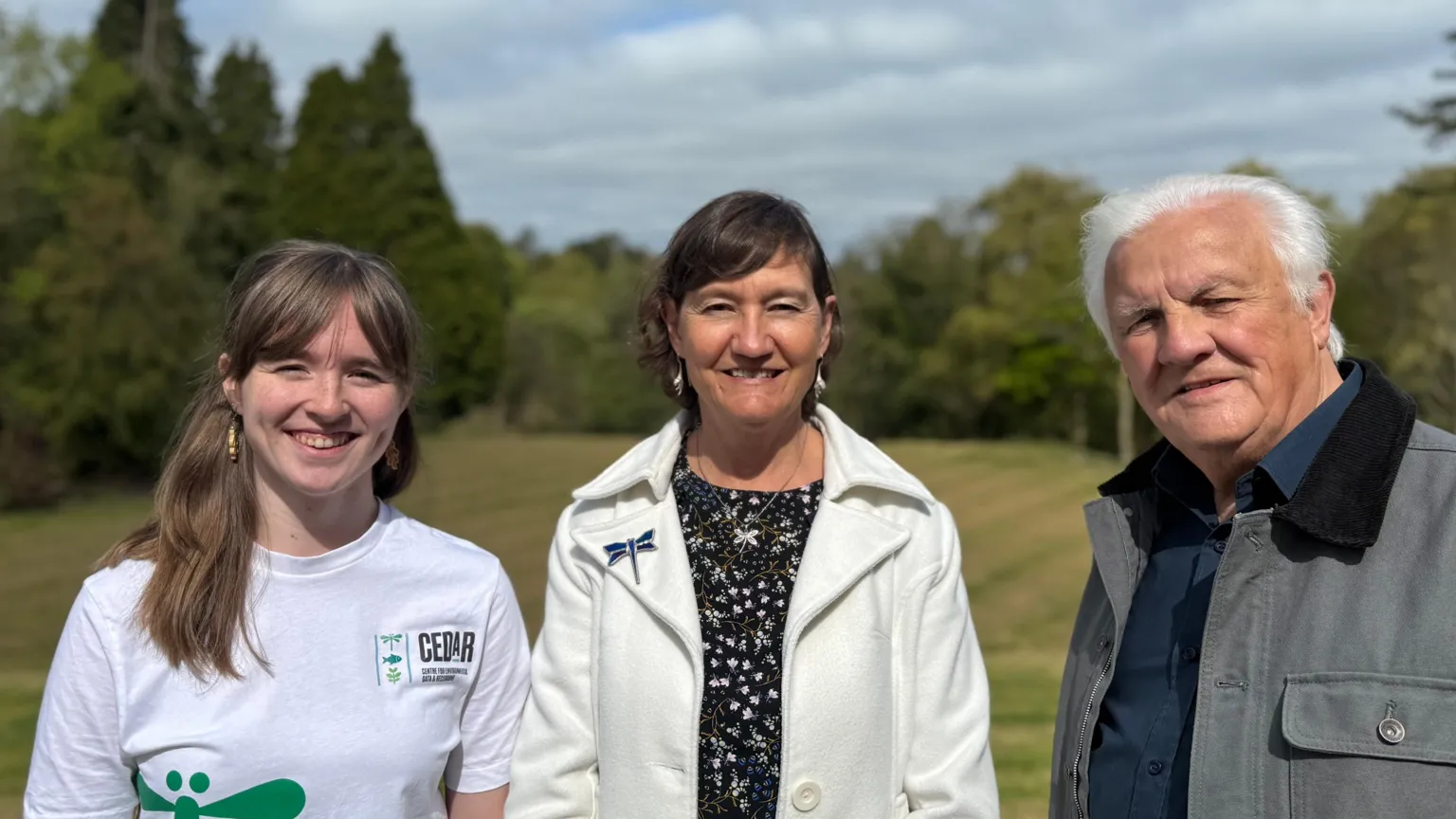
Amy Laird, Learning and Engagement Officer at CEDaR, explained their work.
"We operate primarily to collate and collect records from across NI together into one central database.
"We work with different experts, professionals and citizen scientists and then we are able to inform biodiversity, conservation, and research from that database," she said.
"This shows that even one record can make a big difference.
"Working with citizen scientists is essential, it covers so much more ground than members of staff can alone, they can fill in a lot of knowledge gaps."
'I am looking for beetles even on holiday'
McQuitty encourages more people to engage in surveying.
"I love people but I don't understand why they don't have the same love for beetles as me," she said.
"I think they are fantastic and they look spectacular – the more people we have out taking time, slowing down and looking at the small things the better."
She advocates for increased government support and funding to promote citizen science.
McQuitty also surveys beetles while traveling.
"I don't go anywhere on holidays without the kit - if there's a beetle I'll survey it.
"You can really see the difference in Europe, a lot of large species especially in around Denmark."
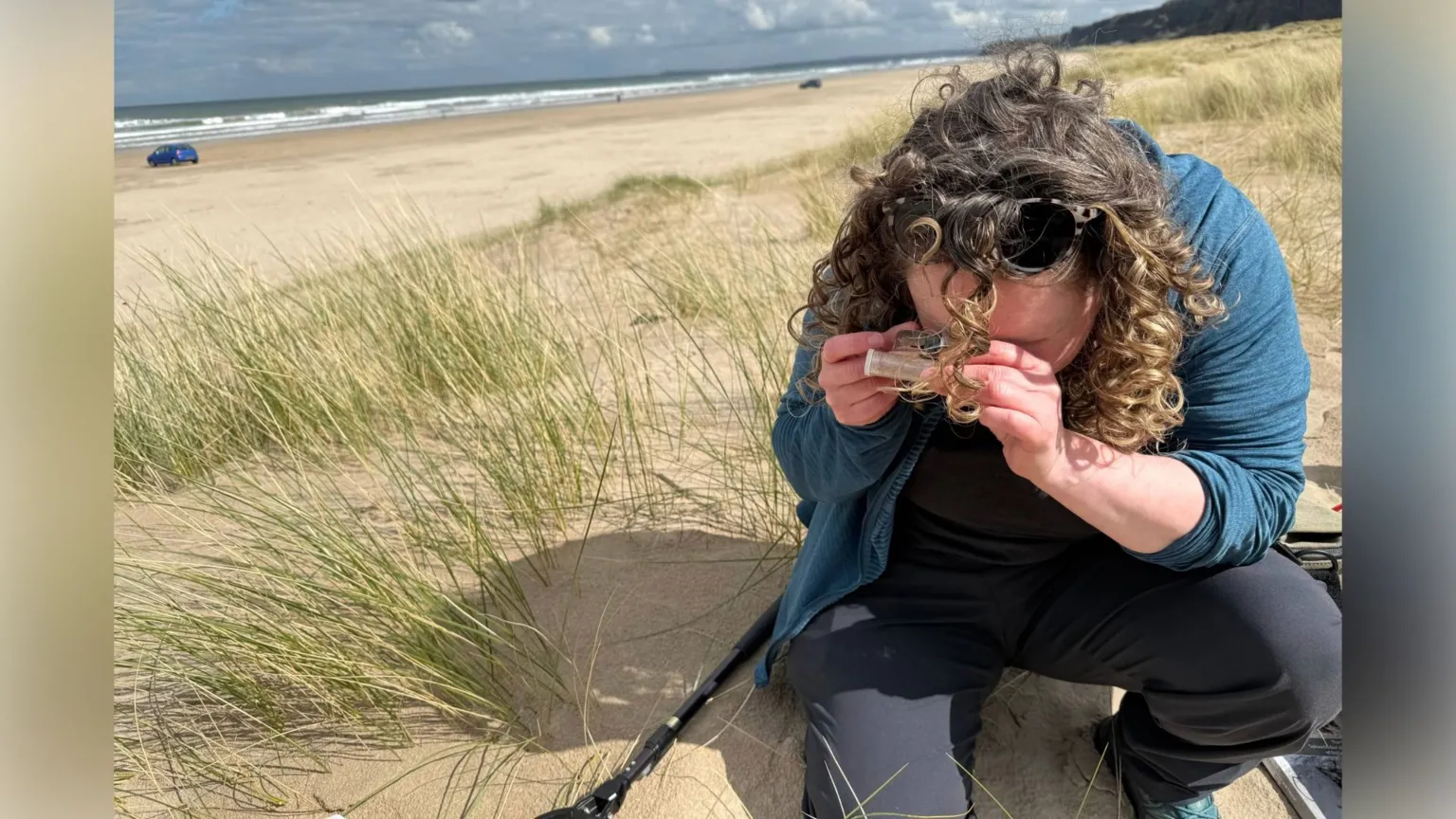
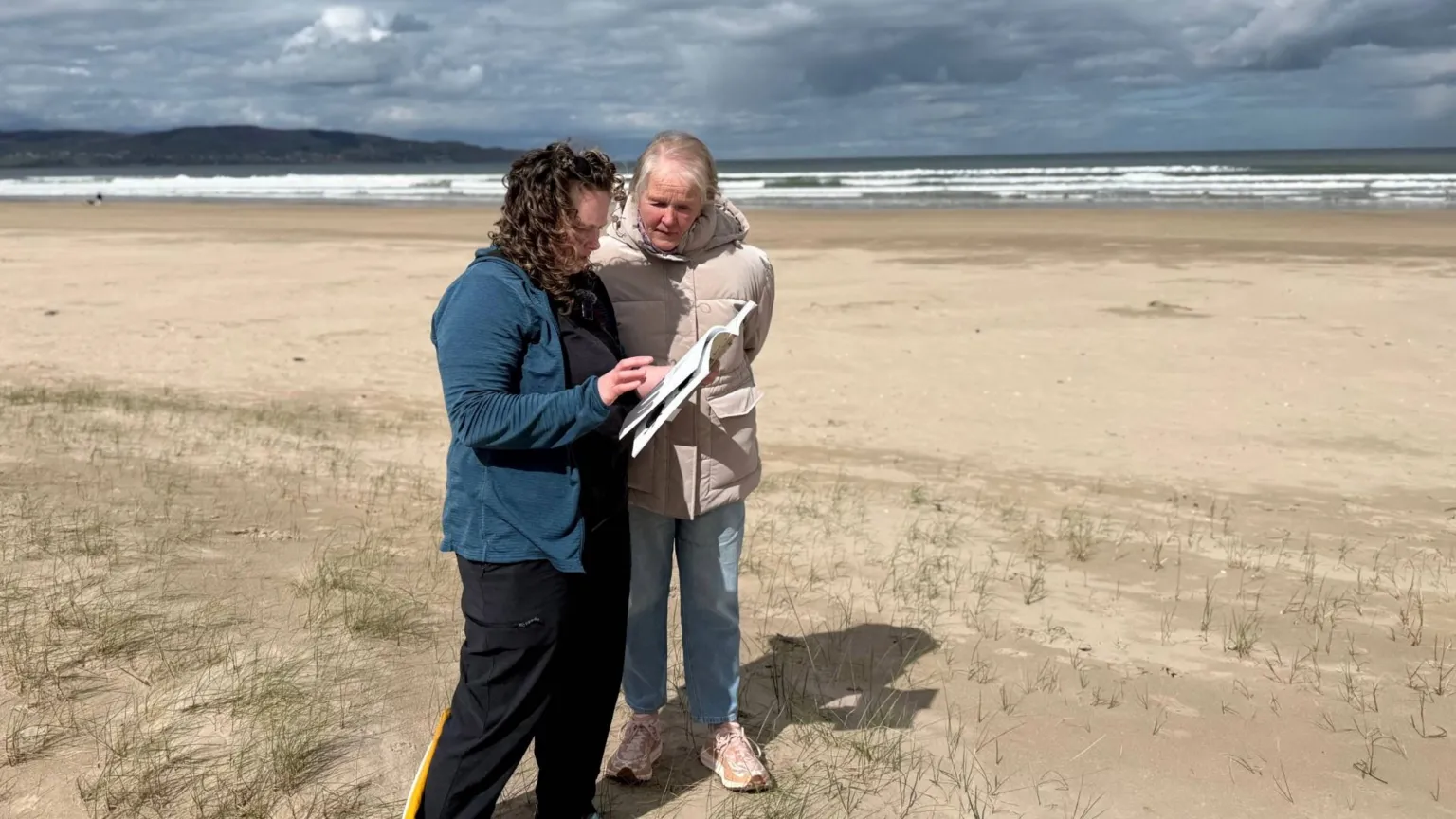
Mel McQuitty surveys Benone strand at least once a week between May and August, dedicating significant time to her efforts.
She finds the process time-consuming but highly rewarding, contributing valuable data to biodiversity records.


