

Environmental Concerns Over Ardeer Peninsula Protection Delay
A wildlife haven located on the Ardeer peninsula in Ayrshire has suffered significant damage amid a four-year delay in the decision to designate the area for protection, environmental campaigners report.
In 2022, activists proposed that the Ardeer peninsula, situated between Irvine and Stevenston, be designated as a Site of Special Scientific Interest (SSSI). Despite this, developers have continued operations within the area, which comprises dunes, grassland, woodlands, wetlands, over 1,000 invertebrate species, and rare plants, leading to concerns about harm to the site.
NatureScot, the Scottish government agency responsible for such designations, explained that the extended timeframe is due to the site's "extremely complex" nature and the need to balance multiple interests.
Several environmental organizations warn that ongoing activities threaten to "destroy special and rare habitats and wildlife" within the peninsula.
The land is owned by various companies, including brownfield developer NPL Group, explosives manufacturer Chemring Energetics, and smaller property development firms. The specific parties conducting the work remain unclear, although Chemring has informed BBC Scotland News that the activities in question are unrelated to its land holdings.
An anonymous campaigner who spoke to BBC Scotland News described the ongoing development as "asset-stripping a nature site."
Roger Hissett of the Ardeer Action Group characterized the absence of protection and restricted public access as a tragedy.
"After more than a decade of campaigning by local naturalists it is tragic to see a developer determined to destroy the special and rare habitats and wildlife of this part of the Ardeer Peninsula.
It is so sad that this attitude still persists into the 21st Century just when the area is being considered for protection for the benefit of future generations."
Chemring stated that any work it undertakes is "rigorously regulated" and conducted with NatureScot's approval.
History of the Ardeer Peninsula
The Ardeer peninsula was formerly the site of Scotland's largest explosives factory, operated by ICI, which ceased operations in the 1990s.
Since the factory's closure, much of the area has been reclaimed by nature. The Big Idea science centre opened on the peninsula approximately 26 years ago but closed after about three years; its remains are still visible across the broken bridge from Irvine harbour.

The site was once shortlisted for a prototype fusion energy plant, though Nottinghamshire was ultimately selected.
Campaigners describe the peninsula as an "incomparable haven" for wildlife, noting the presence of over 1,000 invertebrate species, including at least 99 species of conservation concern.
Despite its ecological significance, the peninsula is not officially recognized as a wildlife site due to its industrial legacy.
A special development order dating from 1953 exempts the area from requiring planning permission for development and activities.
If granted SSSI status, the site would become a protected area recognized for its unique biological or geological features, facilitating scientific study and conservation.
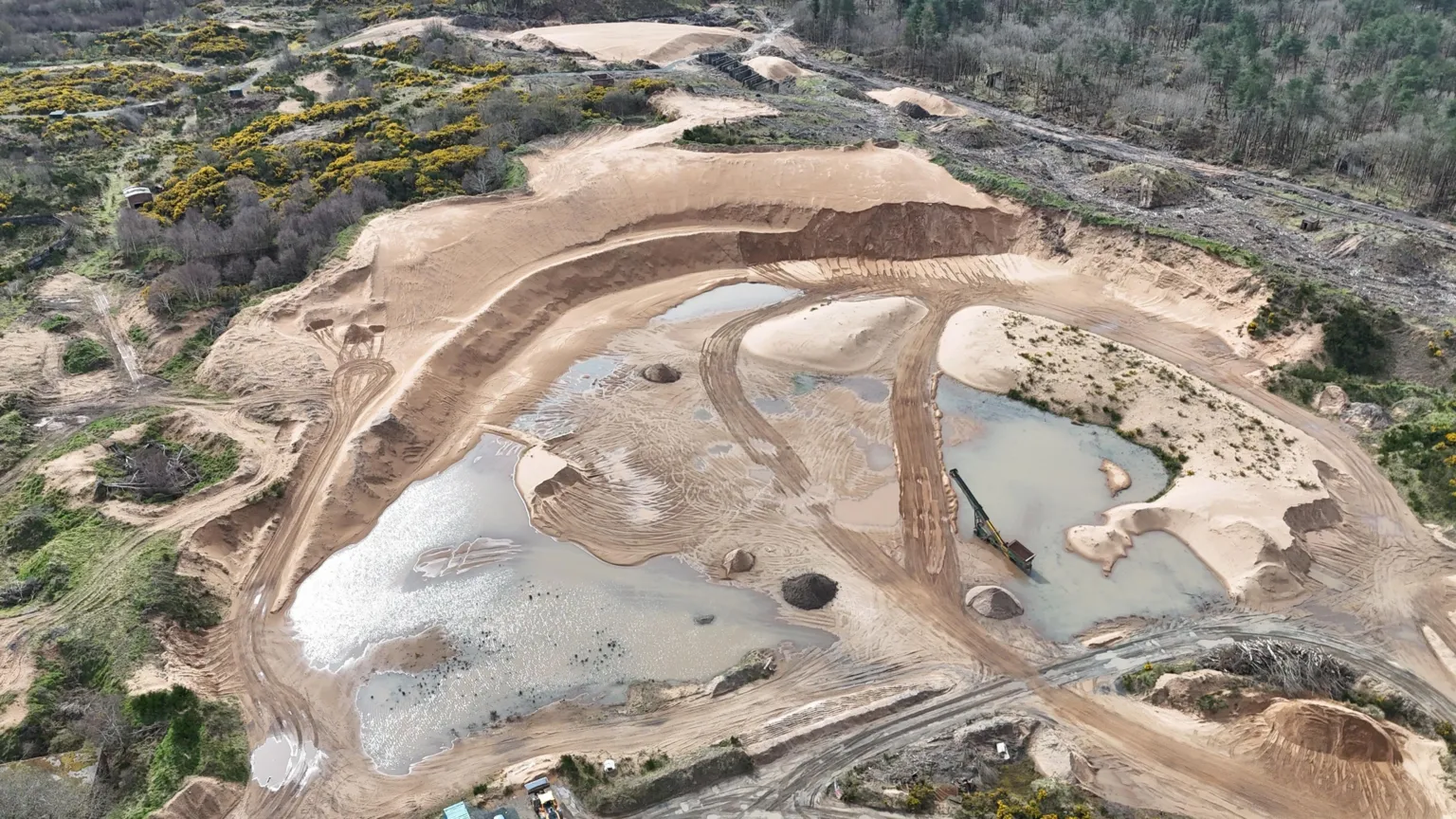
One campaigner expressed particular concern regarding sand extraction from the dunes, which is then sold commercially.
They stated:
"During the past four years the sand dunes have continually been removed and presumably sold off to industry and leisure businesses, like golf courses.
Hectares of woodland are being chopped down as well, so even though the site is heading towards being protected, the land is being trashed.
Sadly NatureScot, at their end, have played a role in leaving this open to continued degradation by the time it is taking to decide on the SSSI designation."
Rebecca Lewis, Scotland and Northern Ireland manager at conservation charity Buglife, emphasized the peninsula's importance in addressing biodiversity loss in Scotland.
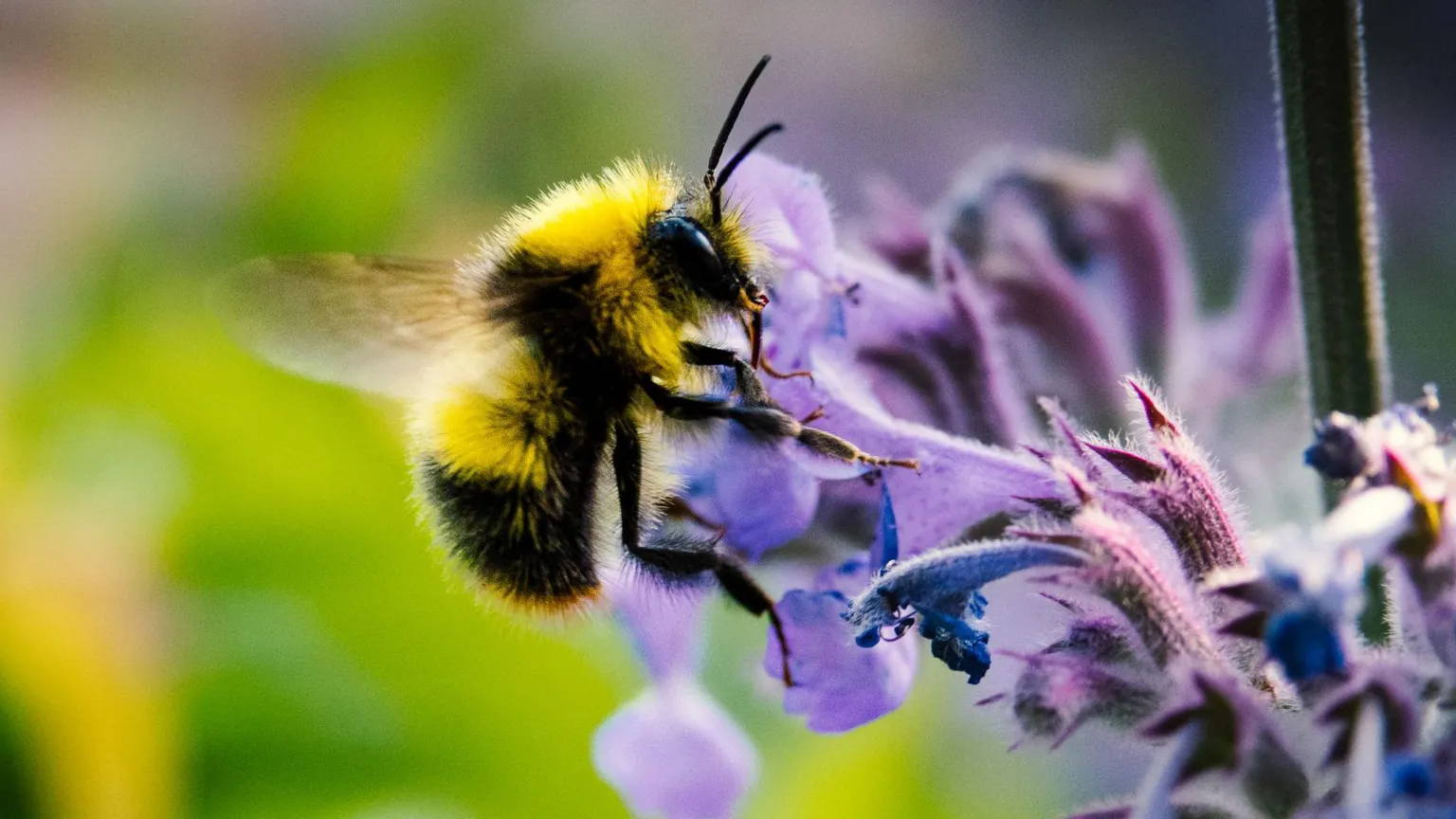
"We are delighted that NatureScot agree that it is worthy of consideration for SSSI notification, but the ongoing activity is a blow to the integrity of this nationally important wildlife site - which has been called Scotland's best site for bees."
A NatureScot spokesperson confirmed that the SSSI designation decision remains a "priority under consideration." They added:
"NatureScot staff have, as far as possible, surveyed the site for suitable habitat and are currently completing work on a proposed boundary based on our experience of the land and expert judgement.
We will be discussing this work further with the owners and occupiers of the land and North Ayrshire Council.
This is an extremely complex site where we hope it will be possible to balance several different interests, including businesses, developers, local community groups, eNGOs and recreational users.
As such, it's important that we take the time to engage with all parties as this work continues to find the best ways to protect and manage biodiversity interests in this area."
A spokesperson for Chemring stated:
"Chemring operates a long-established, highly regulated site at Ardeer and is working closely with NatureScot throughout its ongoing reviews.
The activities referenced in recent claims do not relate to our land, and we remain committed to developing our site responsibly while supporting the environmental assessment process."
NPL Group was approached for comment but no response was provided at the time of reporting.


