Historic Ferret Eradication on Rathlin Island
Rathlin Island, located off the coast of County Antrim, has achieved a world-first by eradicating ferrets from its environment.
Introduced in the 1980s, this non-native predator severely impacted the island's internationally important seabird breeding colonies.
Over a five-year period, the £4.5 million Life Raft project deployed more than 400 traps targeting ferrets and also addressed rat populations. A key element in this conservation effort was Woody, a specially trained detection dog.
The island is now officially free of ferrets, with early signs indicating a positive recovery in seabird breeding numbers, offering hope to other regions combating invasive species.
Signs of Recovery
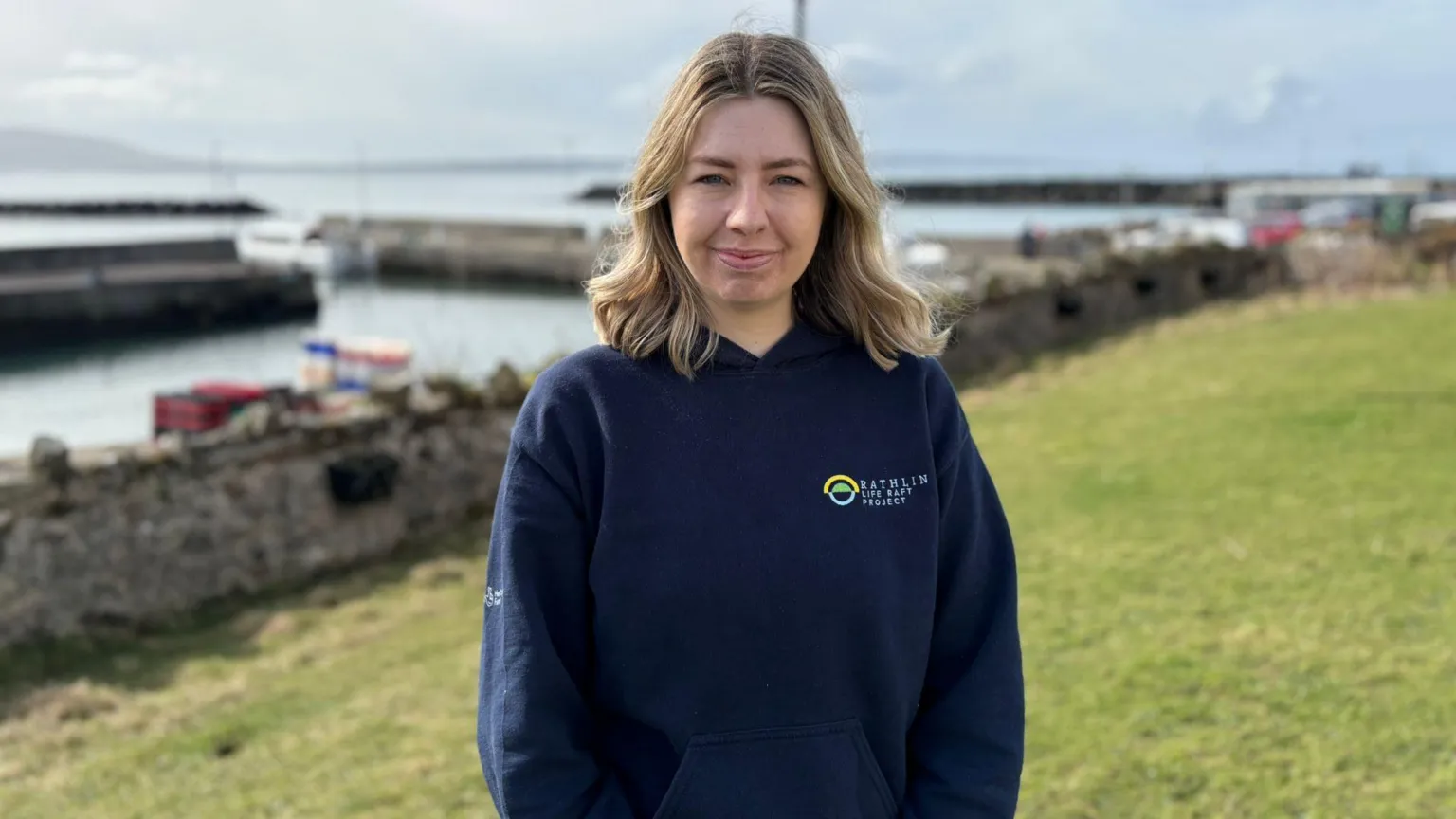
Since no ferrets have been sighted since October 2023, Claire Barnett, area manager for RSPB Northern Ireland, expresses cautious optimism for the upcoming breeding season.
"Seabird colonies can recover very, very quickly, so we're very hopeful, and we've already seen some very promising signs from last year's breeding season, that the numbers here will climb up and really secure themselves."
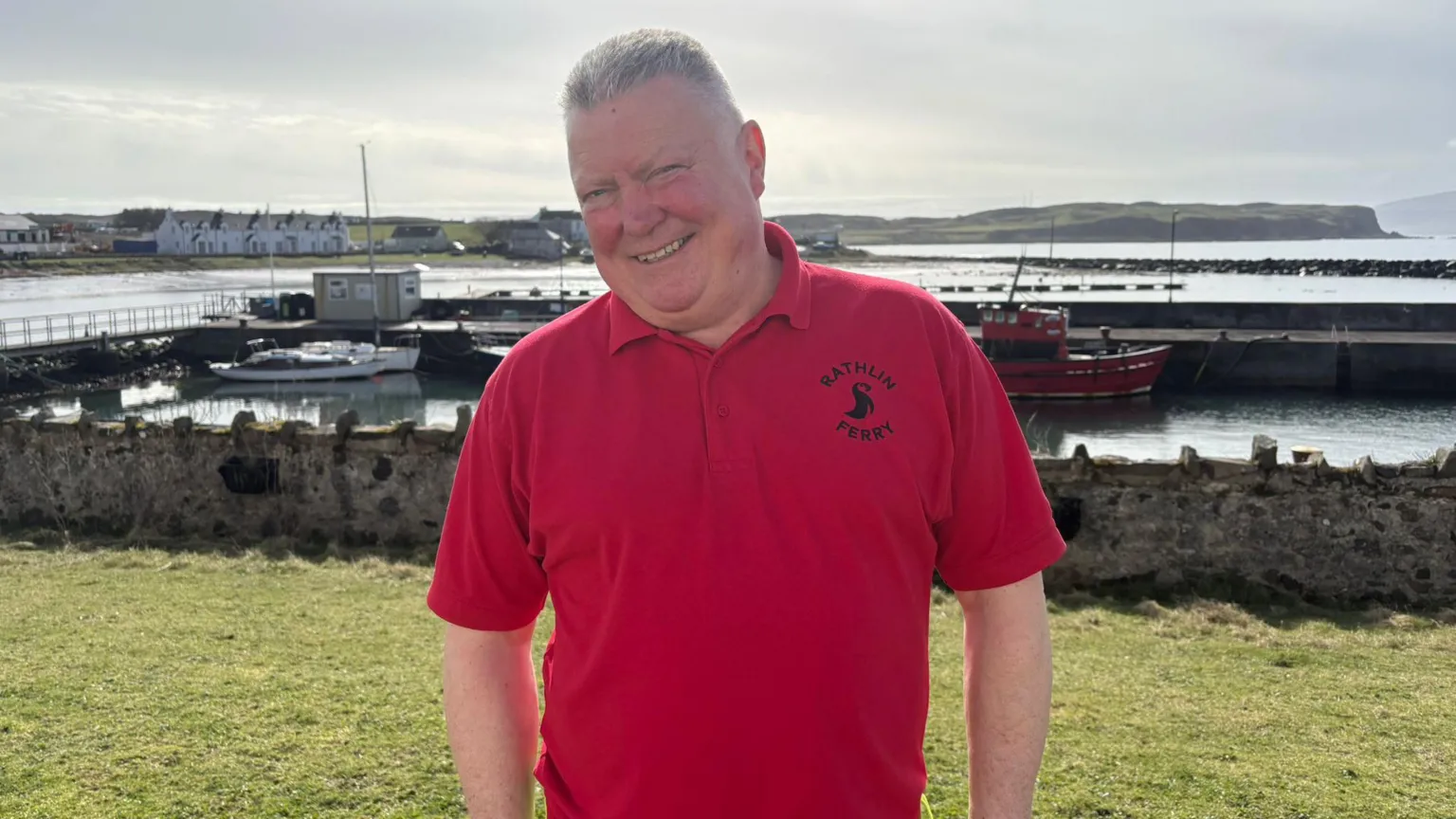
Removing ferrets has also benefited the local community. Tom McDonnell, a lifelong resident and wildlife photographer, notes that residents can now raise chickens again, enhancing self-sufficiency.
"It's just beyond my wildest dreams. Everybody thinks about the seabirds, of course, but I can't wait to see the growth in some of the animals, especially the hare population, because predation on the leverets, or the young hares, was big. Plus a lot of residents can now raise their chickens without any worries, so that's definitely a positive."
Origins of Invasive Species on Rathlin
Rats are believed to have arrived on the island via boats in the nineteenth century. Ferrets were deliberately introduced in the 1980s to control pests.
However, instead of preying on rabbits and rats, ferrets quickly targeted vulnerable ground-nesting birds, their eggs, and chicks.
Erin McKeown, Senior Seabird and Marine Policy Officer at RSPB NI, highlights the severity of the impact on seabirds across the UK and Ireland.
"Breeding seabirds across the UK and Ireland have declined by 62% over the last two decades. Here on Rathlin in 2017, a feral ferret reached one of our puffin colonies and killed 27 puffins in a two-day period."
"So we're hoping alleviating that invasive non-native species pressure will allow our seabirds space to breed, raise their young and flourish once more."
The Life Raft project, launched in 2021, aimed to remove both ferrets and rats from the island.

In 2023, over 400 ferret traps were placed, followed by nearly 7,000 handmade rat bait traps set every 250 meters across Rathlin in 2024.
Claire Barnett emphasizes the importance of providing safe breeding habitats amid global challenges faced by seabirds.
"Seabirds are in big trouble - when they're not inland nesting, they're out in the seas, so they're under a huge amount of pressure from climate change, from our warming waters, from overfishing, from plastic pollution. All of those things are having serious implications for these birds, but what we can do and do quite quickly is make sure they've got a safe place to nest. Because they're seabirds, they have one egg every year, and if they don't get those birds away, the numbers are going to dwindle very, very quickly."
Woody the Wonderdog
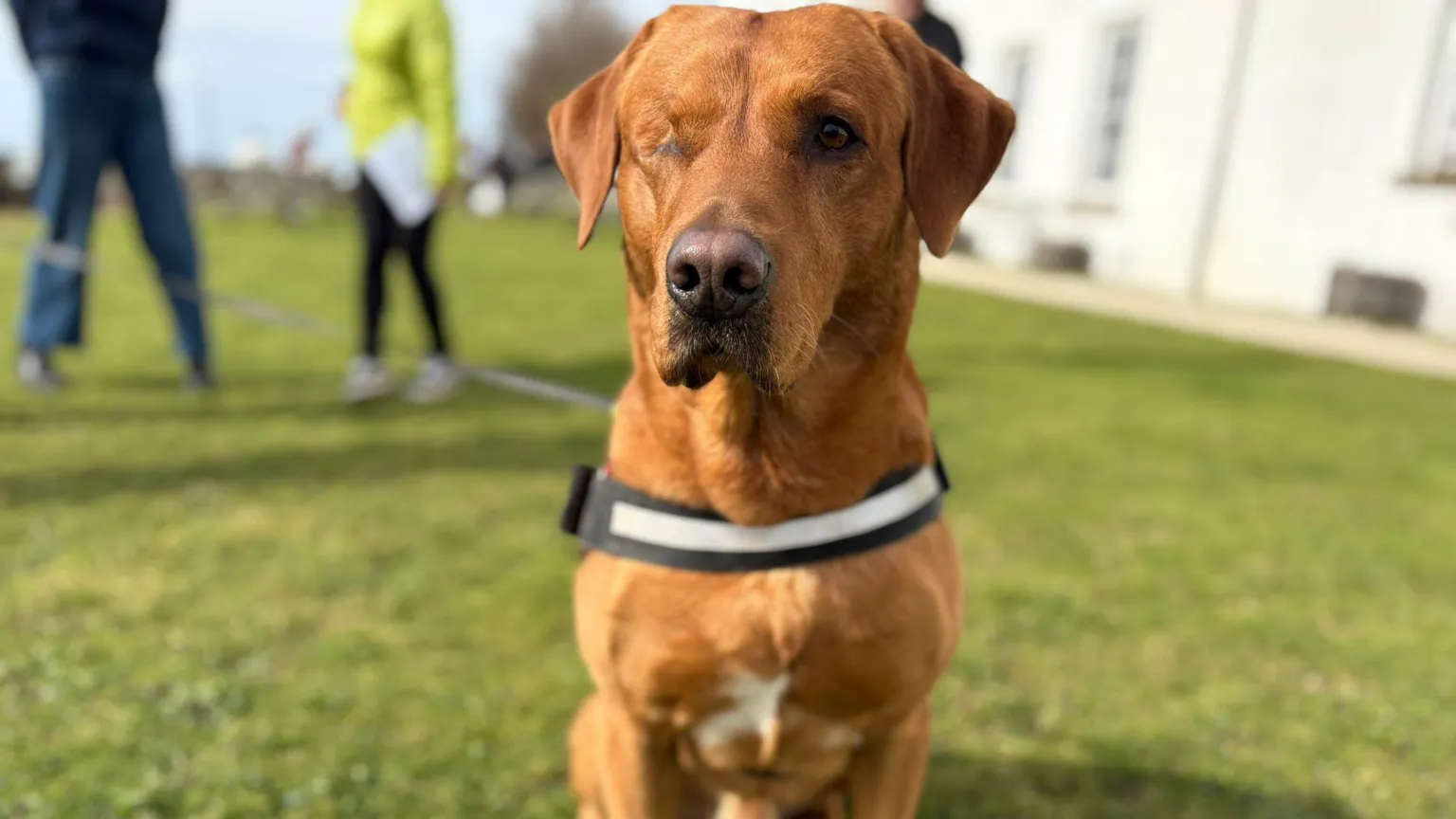
Woody, the conservation detection dog, was instrumental in the success of the Life Raft project by using his exceptional sense of smell to confirm the absence of ferrets.
While working, Woody wears protective goggles but enjoys unrestricted playtime during his downtime. Unfortunately, he suffered an eye injury from a thorn while playing, which required removal despite prompt veterinary care.
"It was a freak, unfortunate accident," said Claire Barnett, "but his nose was still in full working order."
With the ferret eradication phase complete, Woody's role has evolved to focus on biosecurity to prevent reintroduction of ferrets and rats.
He assists in inspecting supplies such as hay, farm feed, and wood shipments for rodents during loading at Ballycastle and upon arrival on Rathlin.
Next Steps
During the initial phase in winter 2023, 98 ferrets were captured. The project then shifted focus to rat control.
Since no rats have been observed since June 2025, there is optimism for declaring Rathlin rat-free by 2027.
One hundred and ten cameras are actively monitored across the island to ensure no non-native predators remain.
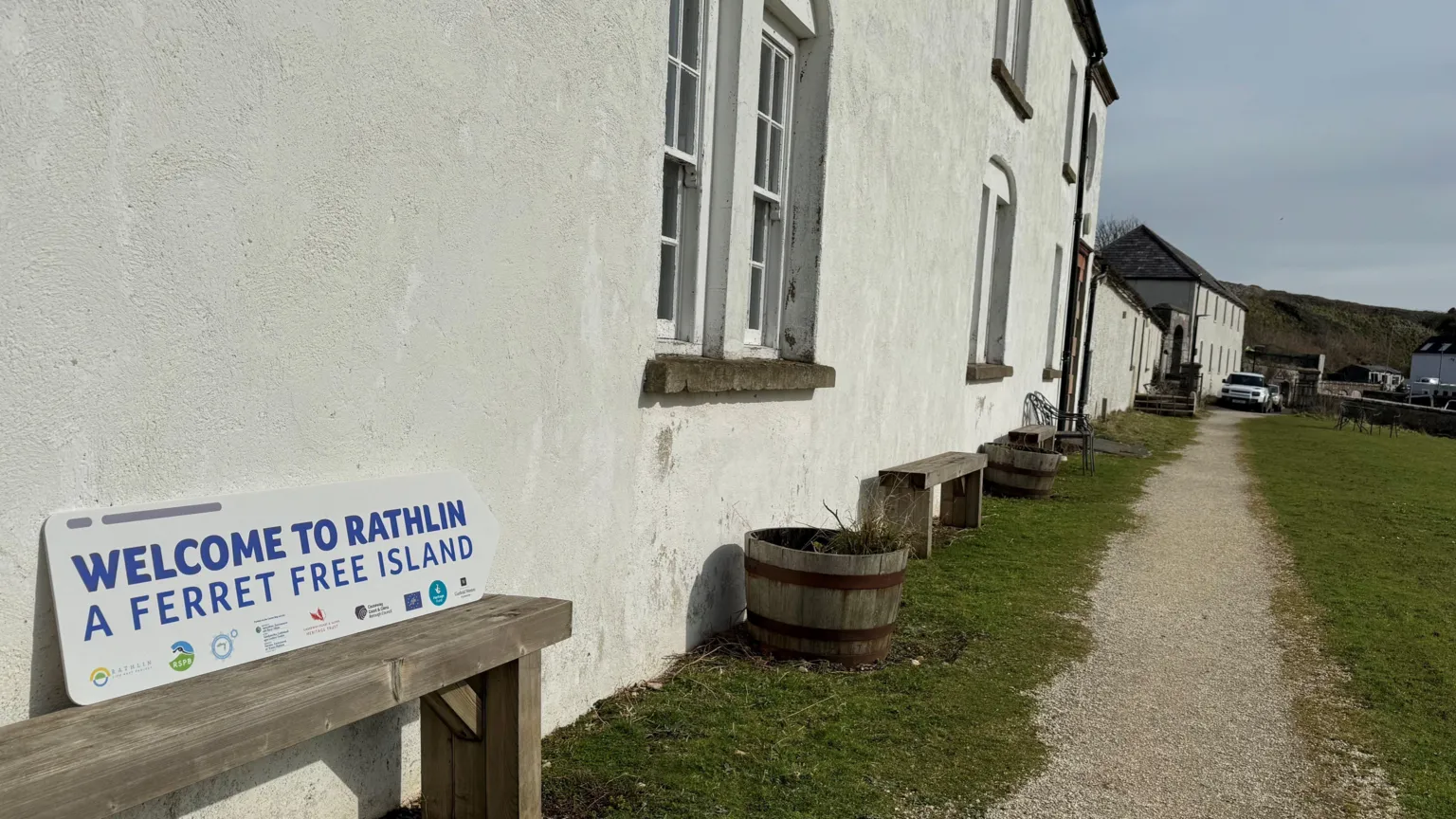
"We have had unwavering support from the community," said Erin McKeown. "We have a biosecurity element to think about, so it's great to get Rathlin ferret-free, but we want to now make sure that we keep it ferret-free too. So that work is also ongoing to make sure we've got really robust biosecurity in place."
International Significance
Rathlin's achievement has attracted international attention, notably at a recent Island Invasives conference in New Zealand.
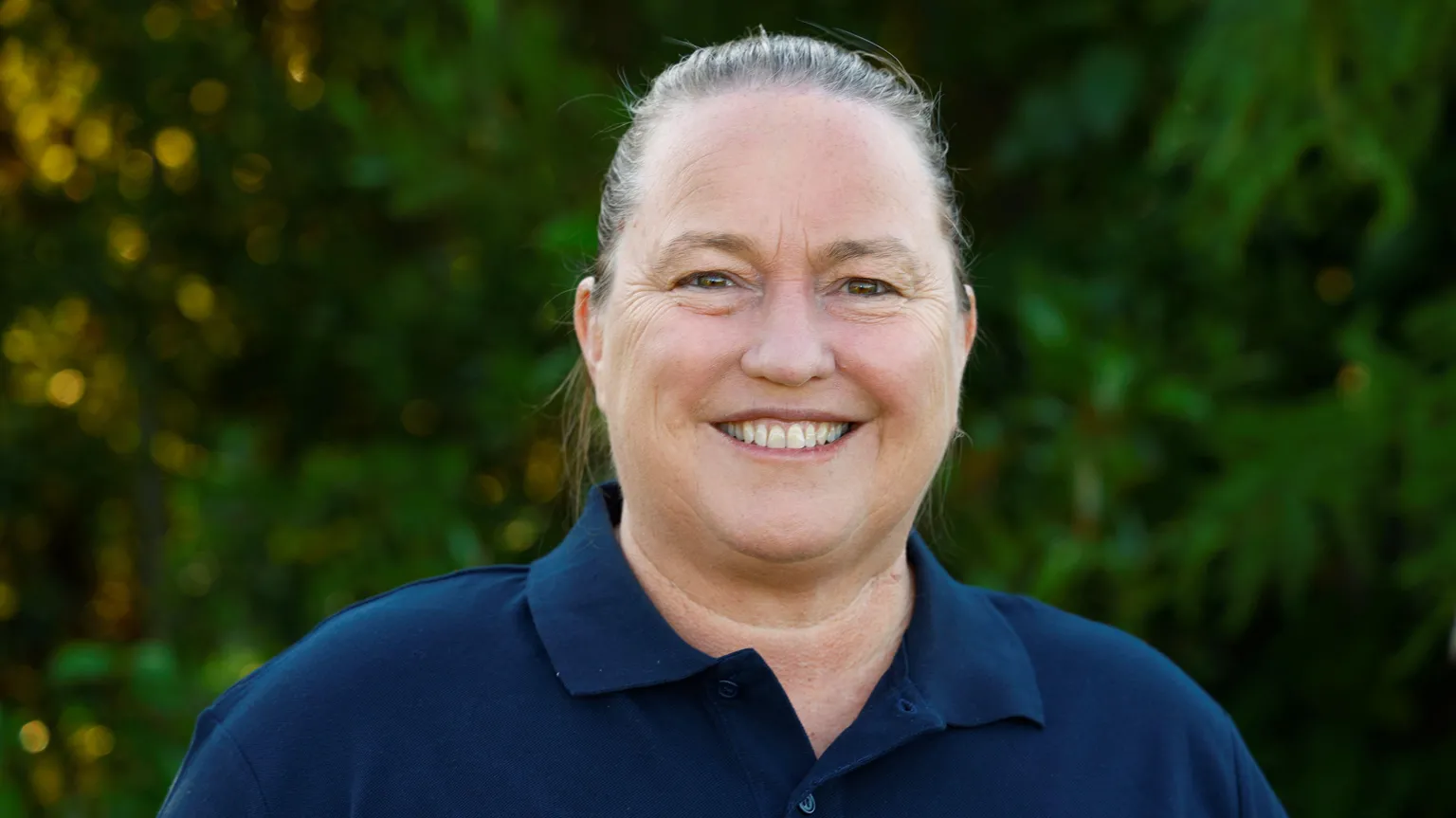
Elizabeth Bell, known as Biz, managing director of Wildlife Management International, which collaborated with the Life Raft team, praised the project.
"Getting rid of an aggressive predator like a ferret in a unique environment like Rathlin showed what could be achieved. This is a fantastic example of both agency and community working together to achieve this really important goal. It also shows that several of the lessons learned there - how the traps worked, how the communication with the community worked - can be used on other islands around the world."