

Severe Flooding in Tal-y-bont Sparks Tree Planting Initiative
In June 2012, parts of mid Wales experienced an extraordinary weather event when a month’s worth of rain fell within just 24 hours. This intense rainfall caused widespread flooding, turning roads into lakes and severely impacting the small village of Tal-y-bont in Ceredigion.
During this event, 27 homes in Tal-y-bont were flooded after the rivers Leri and Ceulan overflowed their banks, causing significant damage to the community.
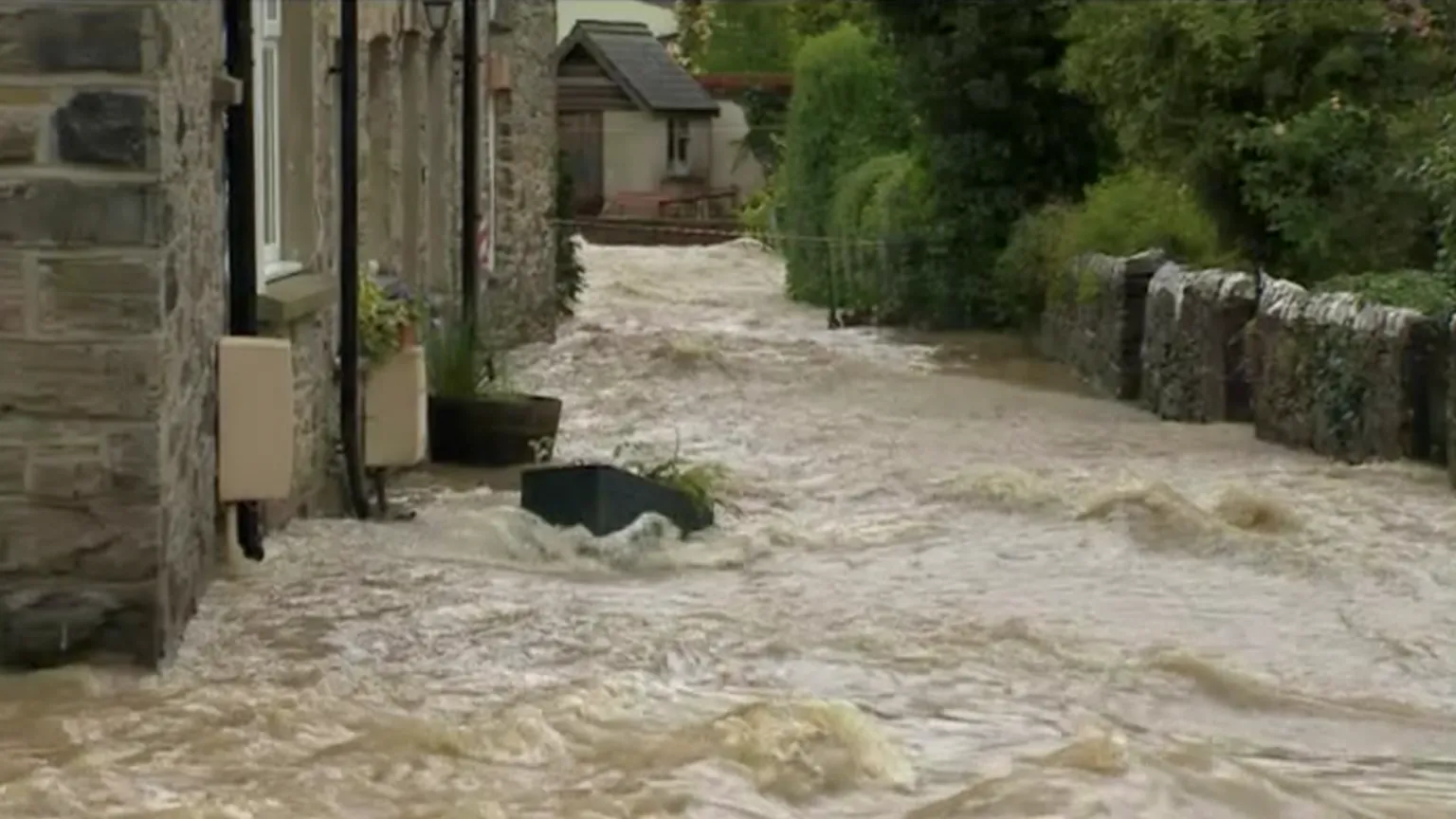
In response to the devastation, a group of villagers united with a plan to plant thousands of trees as a natural method to reduce future flood risks. The initiative aimed to harness the benefits of trees and woodlands in mitigating flooding.
The Role of Trees in Flood Prevention
The Woodland Trust highlights that trees and woods play a vital role in flood reduction by slowing the flow of rainwater, absorbing excess water, and reducing soil erosion. These natural processes help to manage water runoff and lessen the impact of heavy rains.
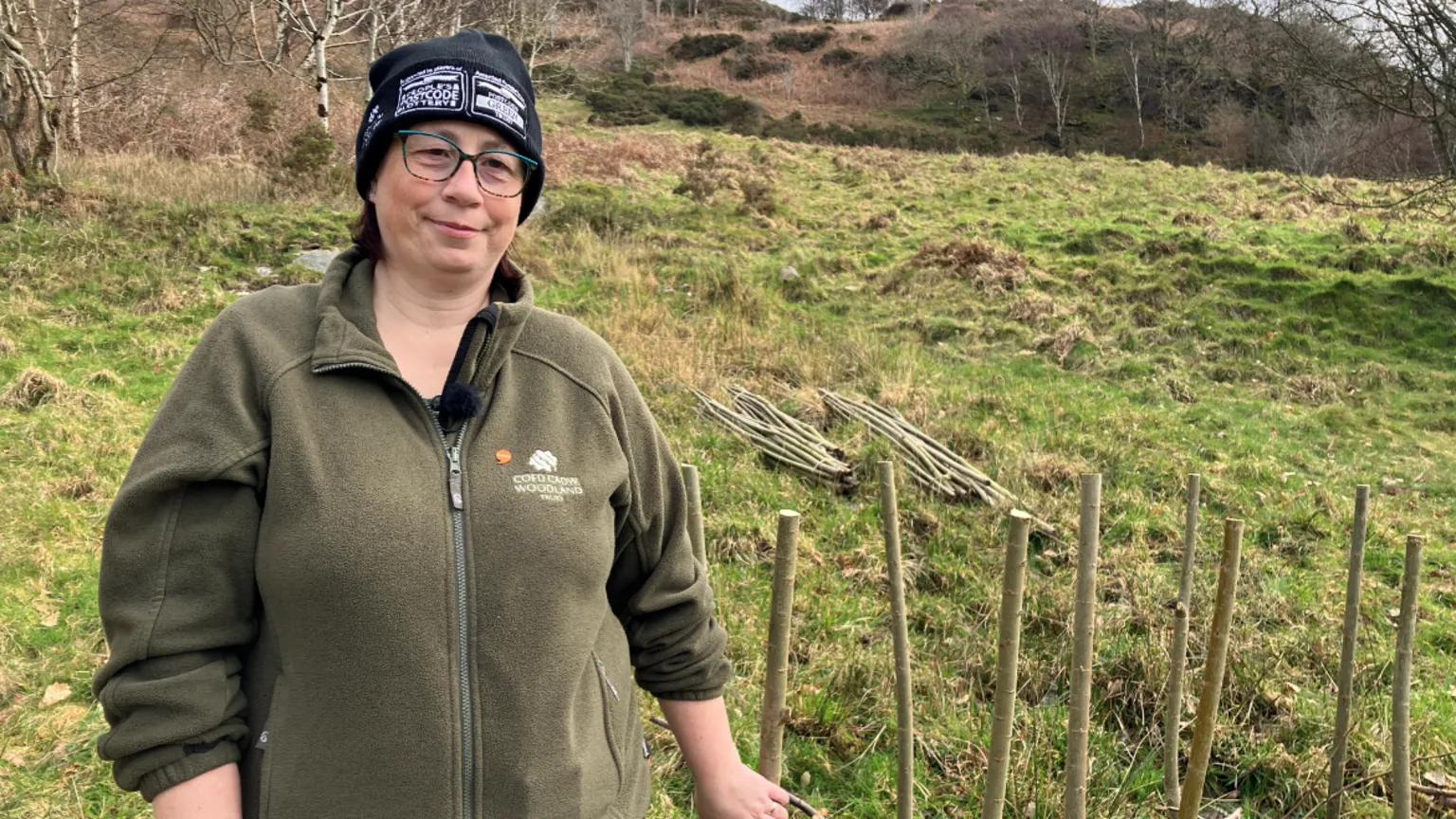
Linda Denton, coordinator of the volunteer group known as the Tal-y-bont Treeplanters, shared the origins and progress of their efforts.
"We started off with the aim to plant 2,000 trees in the first winter,"
"And we actually managed about eight [thousand]. We've gradually increased it from there. So we've now done five winters and 50,000 trees."
On a dry day in March, the volunteers were planting holly, hazel, and rowan saplings on hills approximately 1,000 feet above sea level, demonstrating their commitment by working weekly regardless of weather conditions.
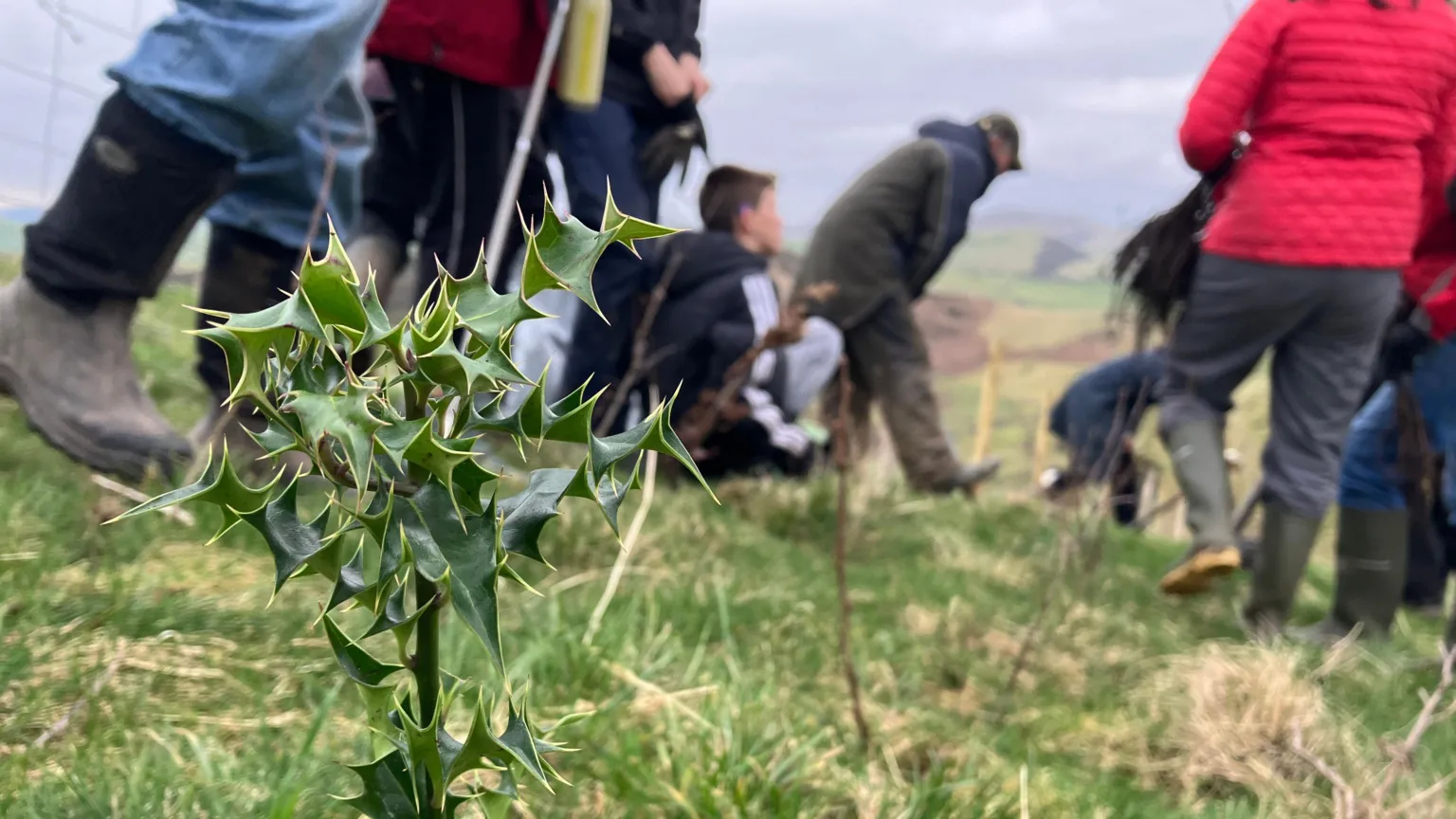
"We've literally been out here in the snow,"
"We cancel if it's high wind, rain and cold. But we don't often cancel."
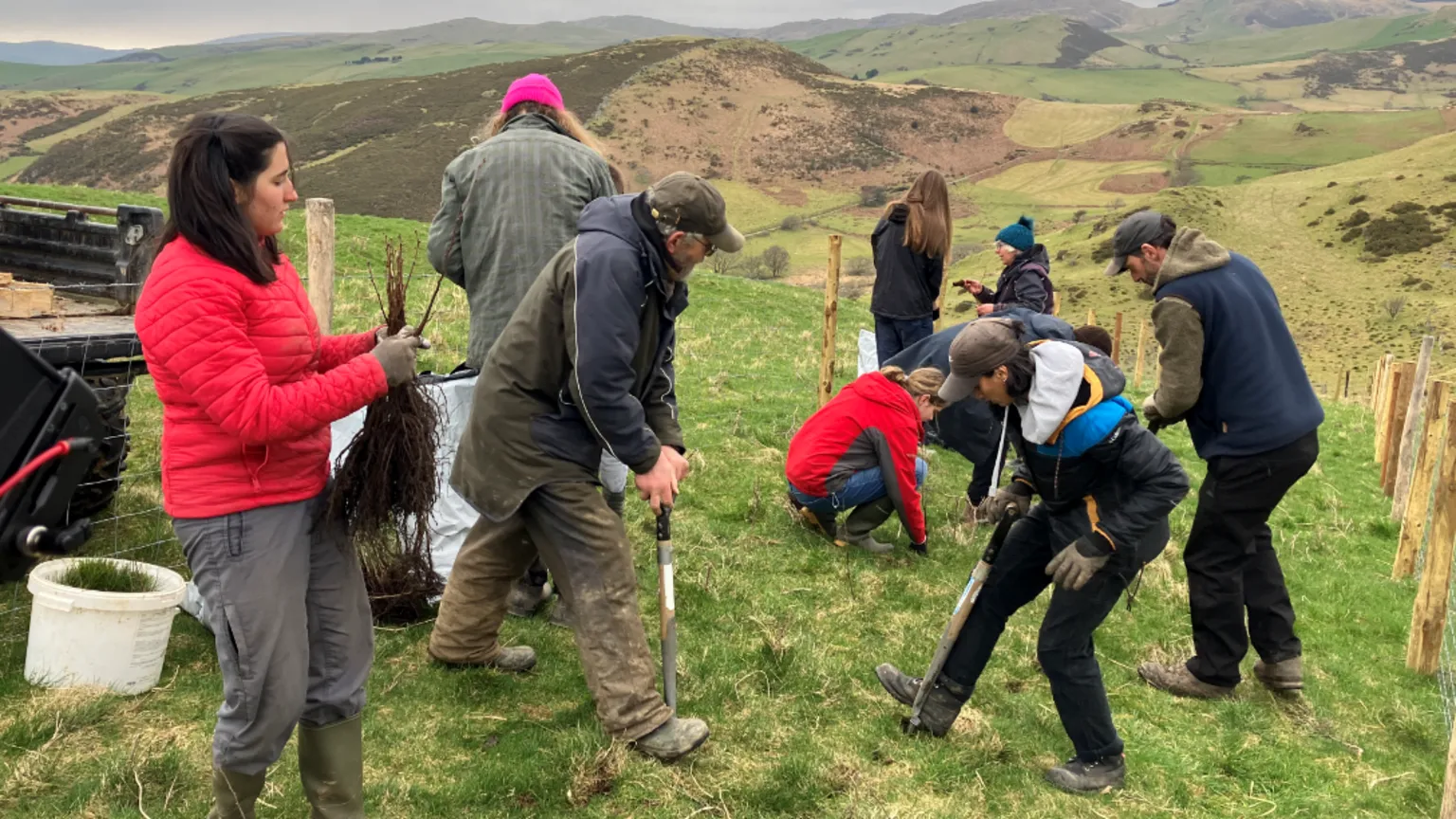
The Woodland Trust supplies native trees for planting, funded by the People's Post Code Lottery, which also supports Linda’s coordinator role.
Linda noted the lasting impact of the 2012 flood on the community.
"There are children… who have no memory of the flood. But for many people in the village, it's a clear memory,"
While it will take years for the saplings to mature, Llinos Humphreys from the Woodland Trust emphasized the immediate benefits of young trees.
"Planting new trees is going to add to the natural-based solutions for slowing the flow of water,"
"The roots infiltrate that water and absorb as much of that into the soil as it can, to slow that flow."
Collaboration with Local Farmer and Tree Planting Scale
The volunteers plant on land owned by farmer Rhodri Lloyd-Williams, who had been planting trees on his farm for years prior to the community’s involvement.

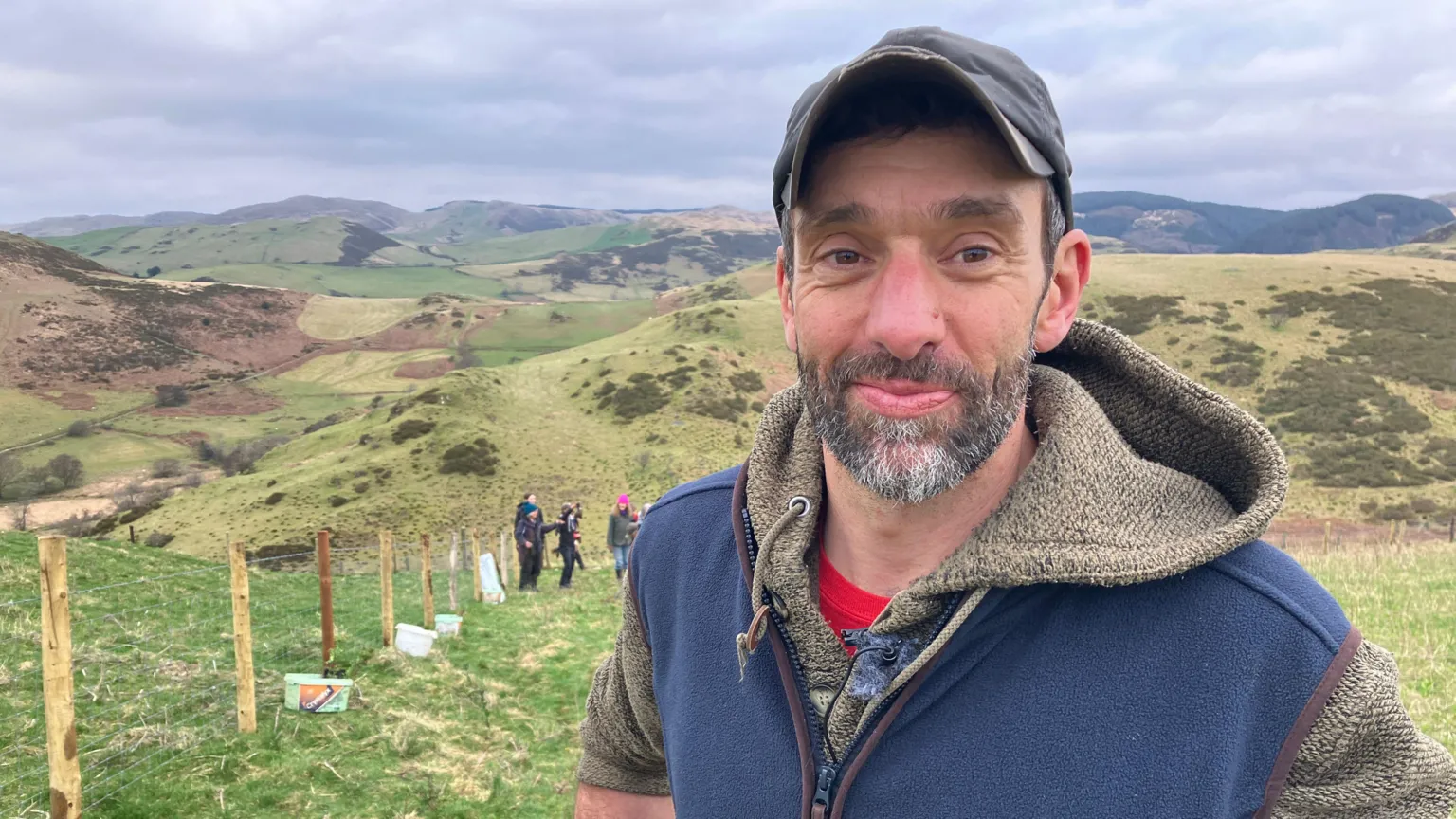
"It's amazing the difference a lot of hands makes,"
"It's all done - from my point of view - as a farming decision. This is to create shelter for my stock, to allow me to rotate the animals, look after the grass and try and be a more productive farm.
[But] it's multifaceted [and includes] the benefits of carbon sequestration and flood mitigation."
Rhodri estimates that more than 100,000 trees have been planted on his farm since 2000, reflecting a long-term commitment to sustainable land management.
Flooding Trends and Research
Statistics indicate that Wales, similar to much of the UK, is experiencing higher than average rainfall levels. For instance, last year marked Wales’ 10th wettest autumn since records began in 1836.
Research conducted in 2016 for the Environment Agency by the universities of Birmingham and Southampton found that planting trees near rivers could reduce flood heights in towns by up to 20%. However, the study also cautioned that natural flood prevention methods are not always fully effective on their own.
Innovative Flood Mitigation Efforts: Leaky Dams
In addition to tree planting, the Tal-y-bont volunteers have constructed several "leaky dams" across streams feeding into the River Leri. These dams consist of two parallel lines of living willow stakes with brash placed between them, designed to slow water flow.
"These leaky dams are quite a new innovation. But willow is well known for how it takes up water,"
Linda explained that the first dam was built in early 2025 and that the project remains experimental.
"We can't say it's making a difference to the actual river level - we would need lots of them to make a real difference,"
"But she said it was 'holding back some water'."
Llinos Humphreys noted that the impact of the dams is being monitored through collaboration with universities.
"There is evidence out there building, there's science behind it. For that we are working with various universities, both at a Wales level and a UK level,"
Local Government Support and Flood Protection Plans
Ceredigion council is actively collaborating with the community to develop a flood protection scheme. The council has acknowledged the significant efforts of the Tal-y-bont community in natural flood management, including property-level flood protection, tree planting, and local flood planning.
The council has secured Welsh government funding to prepare a business case and detailed design for a flood defence scheme in the area.
Challenges and Perspectives on Flood Management
Keith Ivens, Operations Manager in Flood and Water Management for Natural Resources Wales (NRW), described the challenges of flood protection in Tal-y-bont due to the steep, fast-flowing rivers.
"Flooding cannot be stopped,"
"But nature-based solutions such as those carried out by the voluntary group aim to reduce the severity of a flood meaning that combining this with great property resilience measures, communities can recover more quickly."
Ongoing Commitment of Volunteers
The current tree planting season extends until the end of March, with plans to resume planting later in the year.
"The first couple of years, we were advertising the group as something people could do practically about flooding. But it's taken on a life of its own,"
"It's become a lovely, vibrant group who meet to do something practical and feel that they are working against climate change and helping the village."


