

Executive Approves Updated Climate Change Adaptation Plan
The Northern Ireland Executive has approved an updated plan aimed at enhancing the region's resilience to climate change. The Northern Ireland Climate Change Adaptation Programme (NICCAP3) outlines 280 actions spanning nature, food, infrastructure, communities, and business sectors, covering the period from 2024 to 2029.
Department of Agriculture, Environment and Rural Affairs (Daera) Minister Andrew Muir stated that the plan was developed through "positive collaboration" among all government departments. This marks the third iteration of the Northern Ireland Climate Change Adaptation Programme.
Understanding Climate Change Adaptation
Climate change adaptation involves implementing measures to adjust to the current and anticipated effects of climate change. This differs from mitigation, which focuses on reducing or limiting greenhouse gas emissions.
The production of an adaptation plan is mandated under the UK's Climate Change Act 2008, the world's first legally binding national framework for greenhouse gas reductions. Each adaptation plan covers a five-year period, with the initial plan published in 2014.
The current plan includes initiatives involving a wide range of stakeholders across the public and private sectors, such as Translink, NI Water, local councils, academic institutions, the community and voluntary sectors, and businesses. It also introduces a new Peatlands Strategy, city drainage plans for Londonderry and Belfast, a Sustainable Agriculture Programme, and a new Food Strategy Framework.
Minister Highlights Climate Change Impacts
Minister Muir emphasized the immediate effects of climate change being experienced in Northern Ireland, citing frequent and severe storms and increased flooding events.
"We are already experiencing firsthand the impacts of climate change through the frequent and severe storms we are witnessing and more frequent and extreme flooding events."
He further noted the emergence of new climate-sensitive animal diseases and more intense wildfires, all of which are affecting communities, businesses, and the environment.
Farmers Adapting to Changing Conditions
Farmers such as Stephen Murdoch, who cultivates cauliflowers, broccoli, leeks, and Brussels sprouts near Comber in County Down, are already adjusting to these changes.
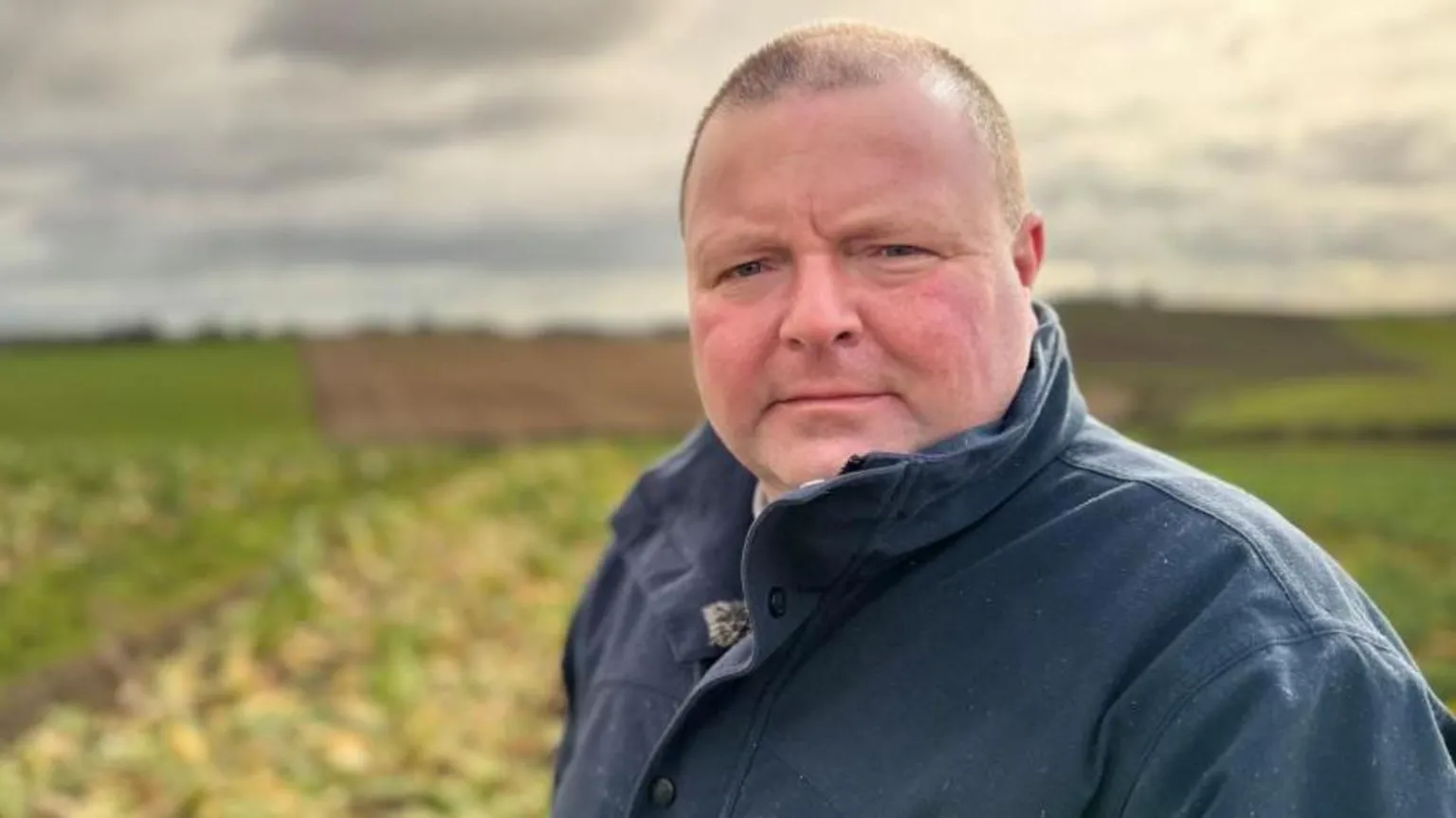
Murdoch observed noticeable shifts in weather patterns over his lifetime working outdoors.
"Working outside all my life, I would say we tend to get weather in 10 week periods now,"
"It doesn't matter which time of year, it's either unseasonably wet or unseasonably dry."
Due to these conditions, Murdoch has had to adapt his farming practices.

He explained that under ideal circumstances, about 200 crates of cauliflowers are harvested daily, but since just after Christmas, the average has dropped to between 50 and 100 crates per day.
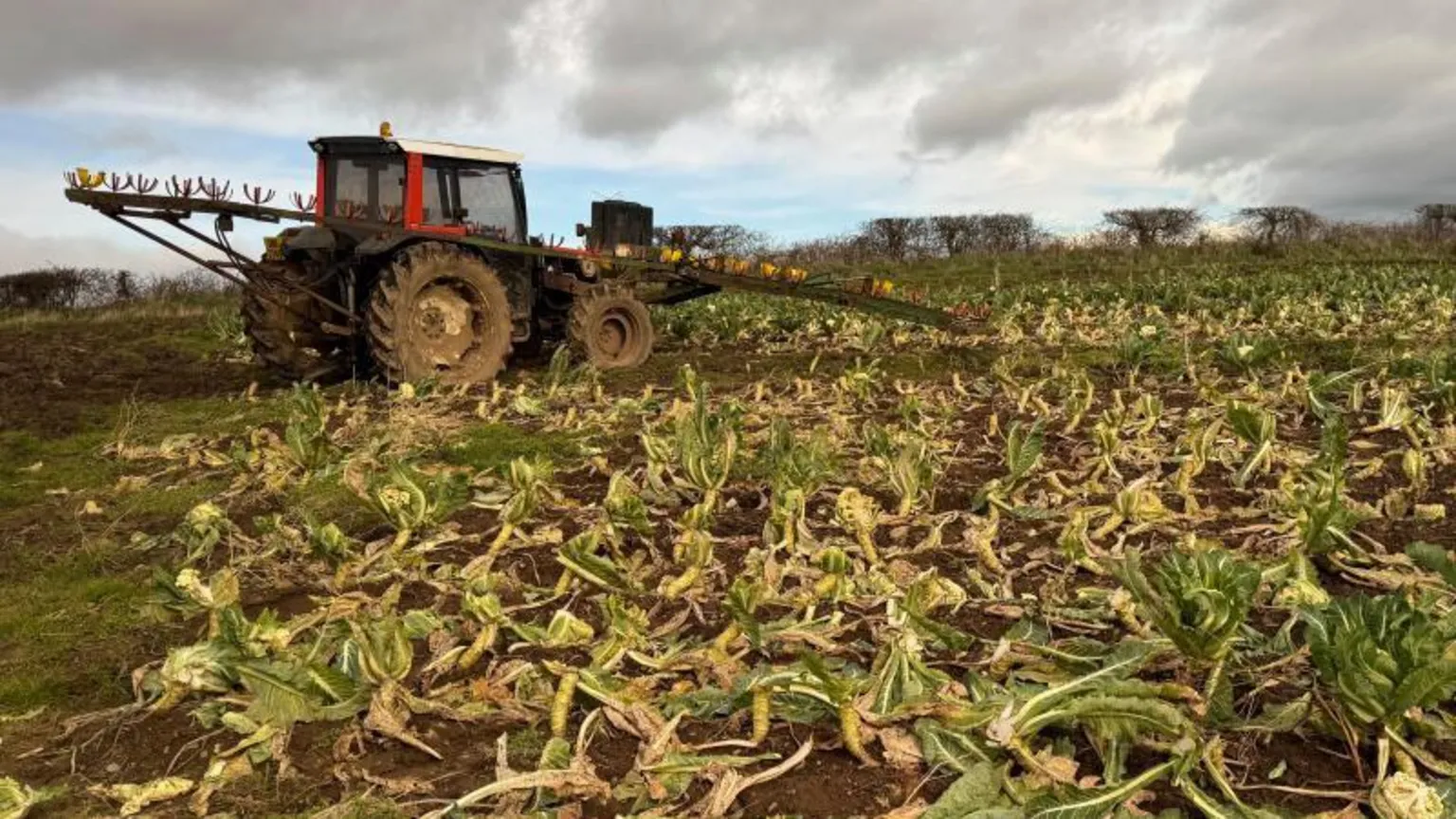
Murdoch also described challenges with leek harvesting. Normally, a harvesting rig is used, but excessive rain has caused dirt to accumulate between the leaves, necessitating hand gathering, which complicates planning and increases costs.
"It's very difficult. You know, vegetable farmers, we do not get any help at all really.
"The cattle men, if they lose cattle with TB, they get compensated.
"If we get a spell where we can't get spraying for disease, if we lose an entire field, vegetable growers don't get anything - we just have to deal with it."
Murdoch noted that these financial impacts are accounted for annually.
Farming Challenges in County Fermanagh
Peter Gallagher, a farmer with over 20 years of experience in County Fermanagh, manages 150 acres near Boho, describing it as a "marginal-type hill farm" vulnerable to environmental impacts such as flooding.
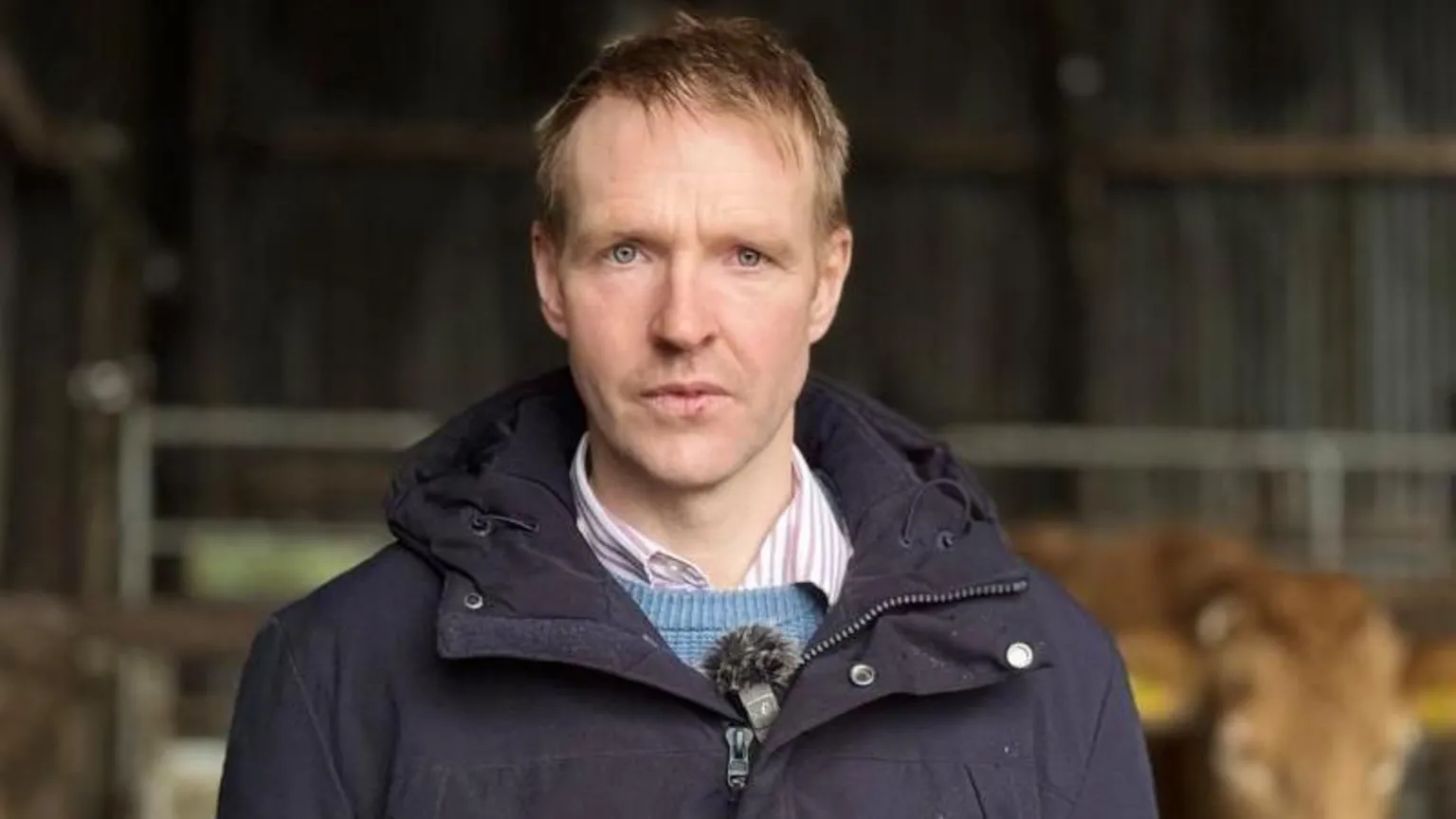
Gallagher remarked on the unpredictability of weather patterns and their effects on farming operations.
"We are definitely seeing that you cannot depend on the weather behaving as you would normally have expected it to be - it seems to be a lot wetter nearly all of the time and also a lot milder.
"We have grass growing at times of the year we wouldn't usually have had grass growing.
"But we have grass then that is very, very hard to utilise because the ground just gets that wet at unpredictable times."
In his role as a High Nature Value farm adviser for the conservation charity Ulster Wildlife, Gallagher has adopted a regenerative approach to grass-growing for his 70-strong suckler herd.
This method involves allowing grass fields to rest for up to two months between grazing periods. While this may result in lower quality grass, it reduces the impact of wet weather on the ground.
"While it would be nice to grow lovely, high-powered green grass, if we get a really wet week or fortnight in the month of July, we're really looking at housing cattle here and all that grass going to waste."
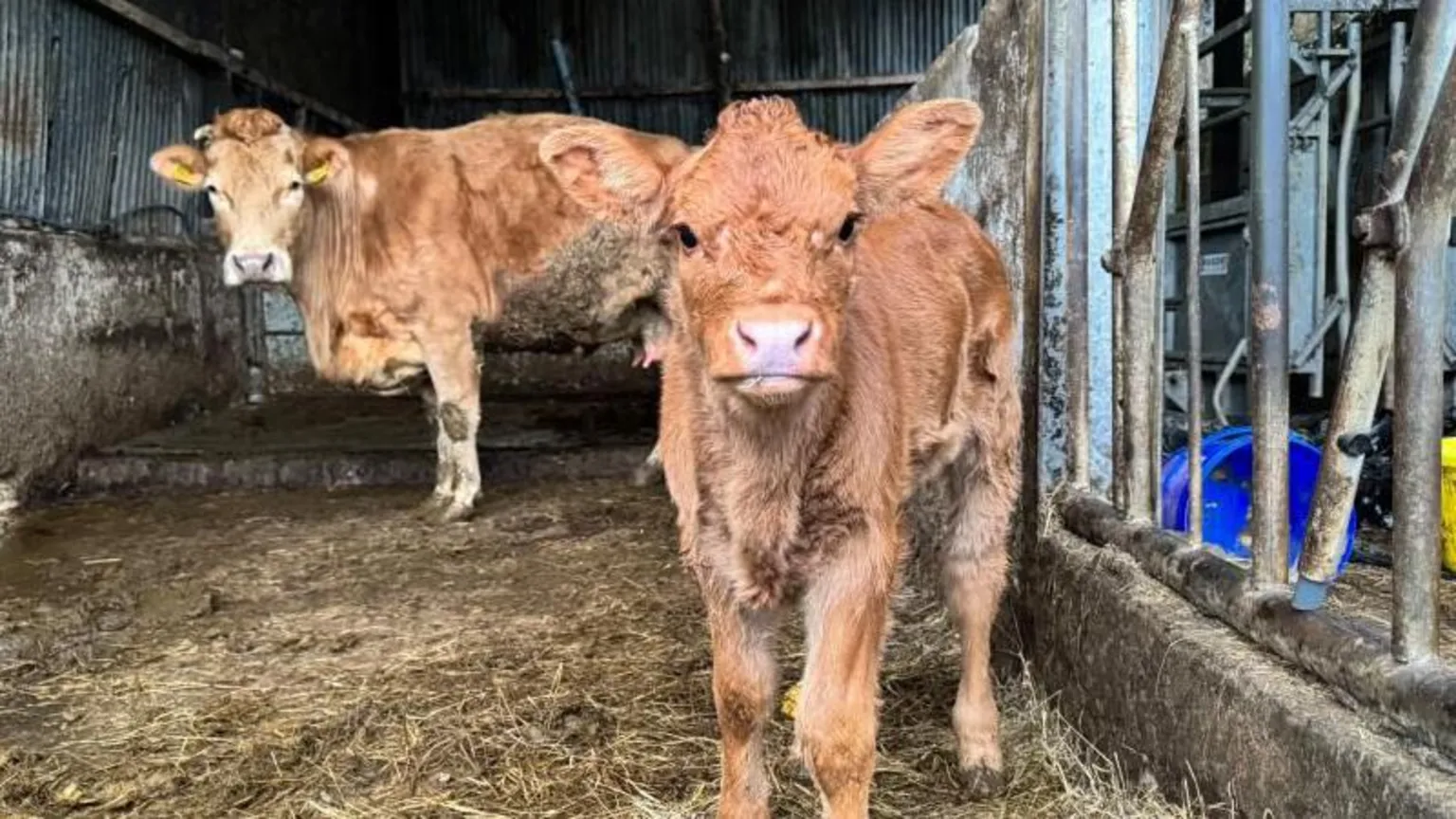
Gallagher highlighted the importance of hay meadows both as a crop and as support for pollinators, but noted that weather conditions are increasingly making it difficult to cut or "win" hay at optimal times.
"You're ideally looking to cut those mid-late July into August, but you can't be sure that you're going to have the weather to actually win it in good quality hay."
He also expressed concern that a uniform policy approach may not be suitable given the variability in land quality across Northern Ireland.
Ulster Farmers' Union Perspective
John McLenaghan, deputy president of the Ulster Farmers' Union, commented on the pressures climate change places on farming schedules.
"The slurry spreading is now catching up with the ploughing, which is catching up with the seeding, and all of that is just making those pressures more and more and more and more difficult for our farmers."
He emphasized the necessity for more efficient and productive agriculture to meet the demands of a growing global population.
"No matter what the adversity is, farmers remain optimistic and that's important.
"We believe there is a real boom time ahead for agriculture and for farming.
"Northern Ireland has the potential to be at the centre of that."


