Introduction: The Impact of USAID Cuts on Biodiversity
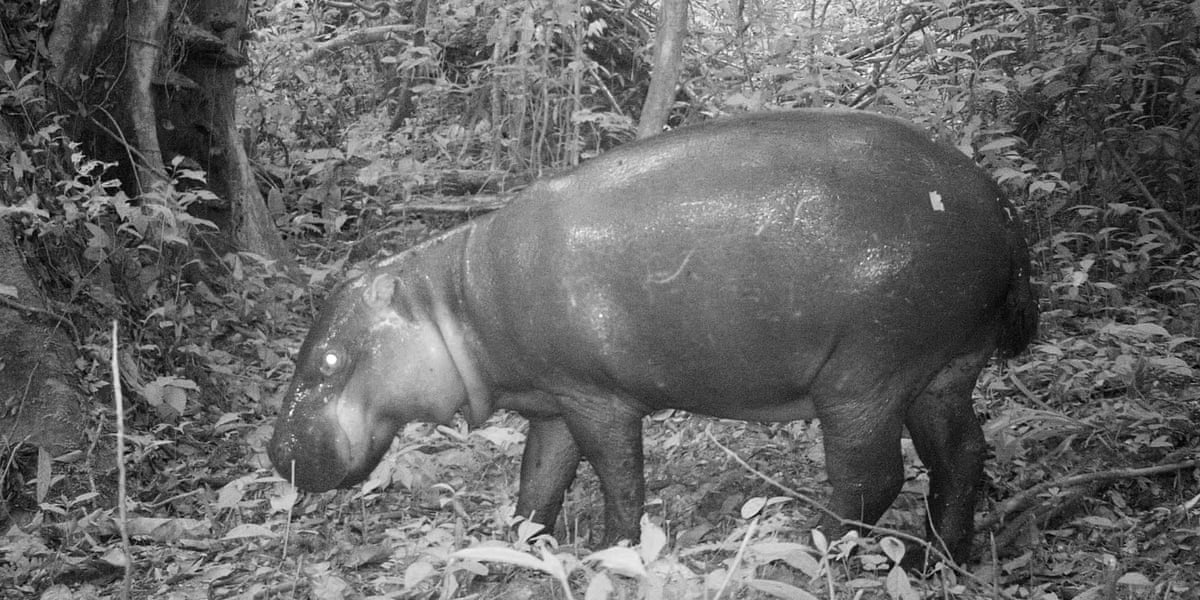
On 22 January 2024, during the inauguration of Liberia’s president Joseph Boakai, US-based Liberian poet Patricia Jabbeh Wesley honored Liberia’s tropical forests, describing them as places where "our fathers came / centuries ago, and planted our umbilical cords / deep in the soil." These forests are among the planet’s most diverse ecosystems, home to humans with ancestral ties and rare species such as forest elephants, pygmy hippopotamuses, and western chimpanzees. However, these habitats face ongoing threats from industrial development, including illegal logging and mining.
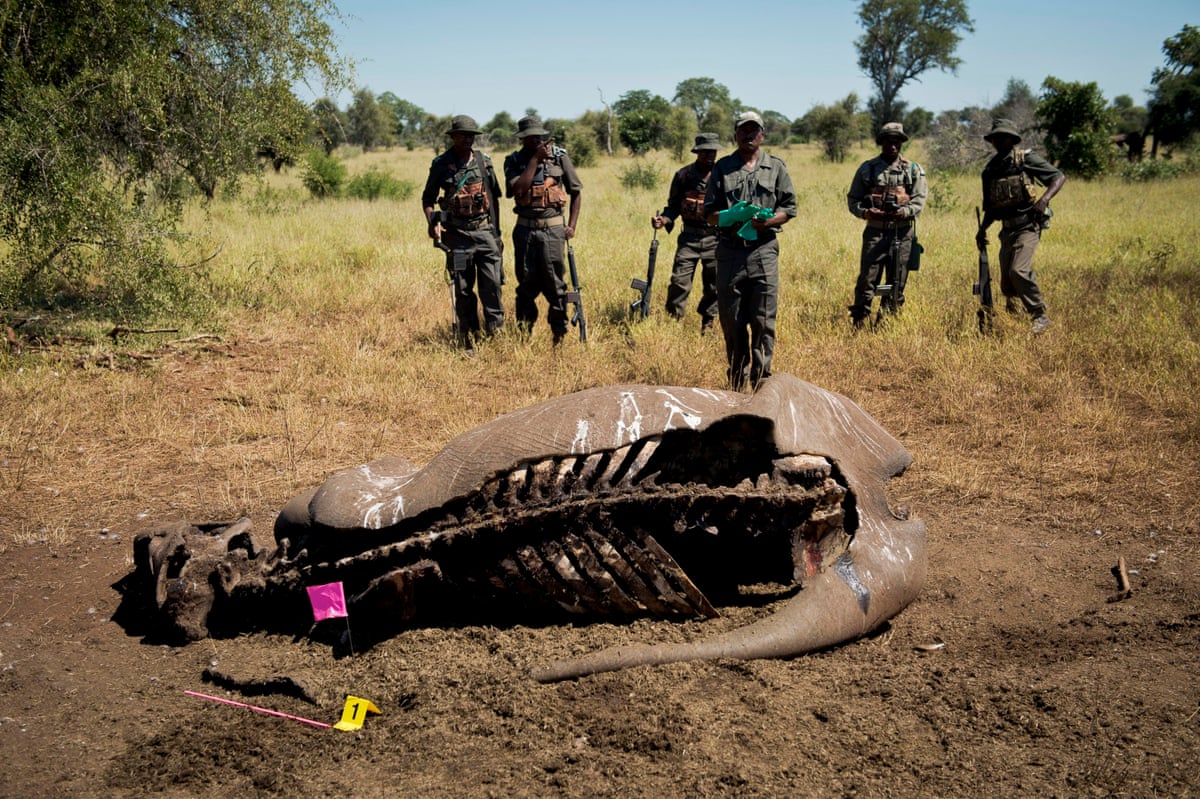
For nearly a decade, the Society for Conservation of Nature of Liberia (SCNL) has recruited and trained up to 80 eco-guards from local forest communities. These eco-guards patrol for illegal activities and coordinate with park rangers to protect the forest. Their work involves risks such as encounters with venomous snakes, charging elephants, and potential violence from poachers. Despite these dangers, eco-guards receive salaries that have enabled them to support their families, fund education, and acquire land for homes.
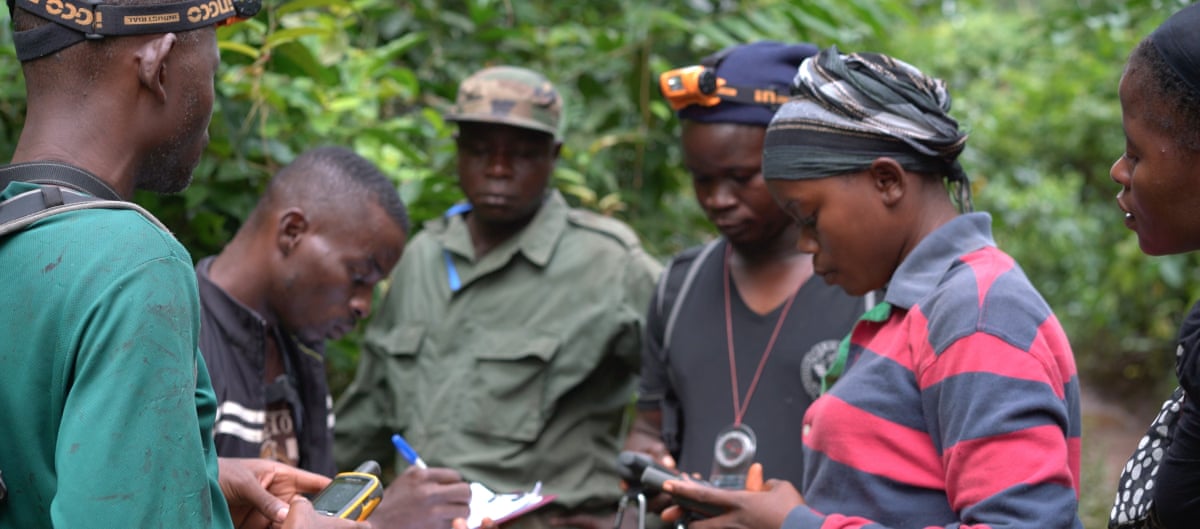
In late January 2025, the SCNL learned that USAID, the primary financial supporter of the eco-guards, had its funding suspended following cuts by the Trump administration. Michael E Taire, SCNL’s programme manager based in Monrovia, traveled through difficult forest roads to inform the eco-guards, who reacted with shock and distress. In one community, a young woman expressed that without SCNL’s support, they would have to revert to previous means of survival, which for her meant illegal hunting of forest animals.
USAID’s Broader Role and Consequences of Funding Cuts
While much public attention on USAID’s reduction has focused on human health impacts—such as HIV/AIDS treatment and malaria control, which have saved an estimated 91 million lives over 20 years—the cuts have also had severe consequences for biodiversity conservation. Liberia alone lost approximately $290 million in 2025 for schools, clinics, ambulances, and medical training, with USAID contributing over 2.5% of the country’s gross national income, the highest worldwide.
USAID was not only a leading health aid provider but also a major supporter of biodiversity protection worldwide. It funded efforts to combat wildlife trafficking, protect habitats, and support community-led conservation initiatives that connect local people to their ancestral lands. The dismantling of USAID and suspension of international conservation grants from other US agencies have jeopardized species, habitats, and the livelihoods of those defending wildlife globally. Park rangers and wildlife crime officers lost funding for salaries, training, and equipment, and programs addressing wildlife trafficking were cut, including USAID’s forest-protection initiative in the Congo basin, one of its largest and most enduring projects.
Conservation organizations, both large and small, lost tens of millions of dollars, forcing some to operate with significantly reduced resources and others to terminate programs. David Kaimowitz, an advocate of community-led conservation in the Amazon and Central America, described the situation bluntly:
“We’re talking about an end to a whole era of conservation.”
One year later, global leaders and local communities are seeking new approaches and planning for a future without US support.
History of USAID’s Biodiversity Funding
In the late 1980s, following the emergence of the term “biodiversity” to highlight species extinction costs, the US Congress began allocating part of USAID’s budget to biodiversity conservation. In the 1990s, the US Fish and Wildlife Service (USFWS) and US Forest Service (USFS) formalized their international conservation programs.
Previously, USAID had focused less on environmental concerns, supporting projects such as large hydropower dams that provided immediate benefits but often caused long-term harm to people and ecosystems. Conservation groups in the US and Europe had promoted national parks and reserves in Africa and elsewhere, sometimes without considering the impact on local communities.
Cynthia Gill, who worked over 30 years at USAID and led its biodiversity and forestry efforts before being placed on leave in early 2025, recalled:
“When I started with the agency, people still thought that to do conservation we should educate local communities.”
She and colleagues shifted toward listening and involving local organizations and communities, often excluded from park management. As a leader of the Parks in Peril program (1990–2007), she helped strengthen management of about 45 protected areas in Latin America and the Caribbean.
With bipartisan Congressional support, biodiversity funding grew steadily through the 1990s and early 2000s. USAID invested heavily in forest conservation in the Congo basin and supported Gabon’s national park system creation. In Liberia, it funded an ecotourism initiative in six regions affected by civil war; in Nepal, it bolstered a nationwide community forestry network.
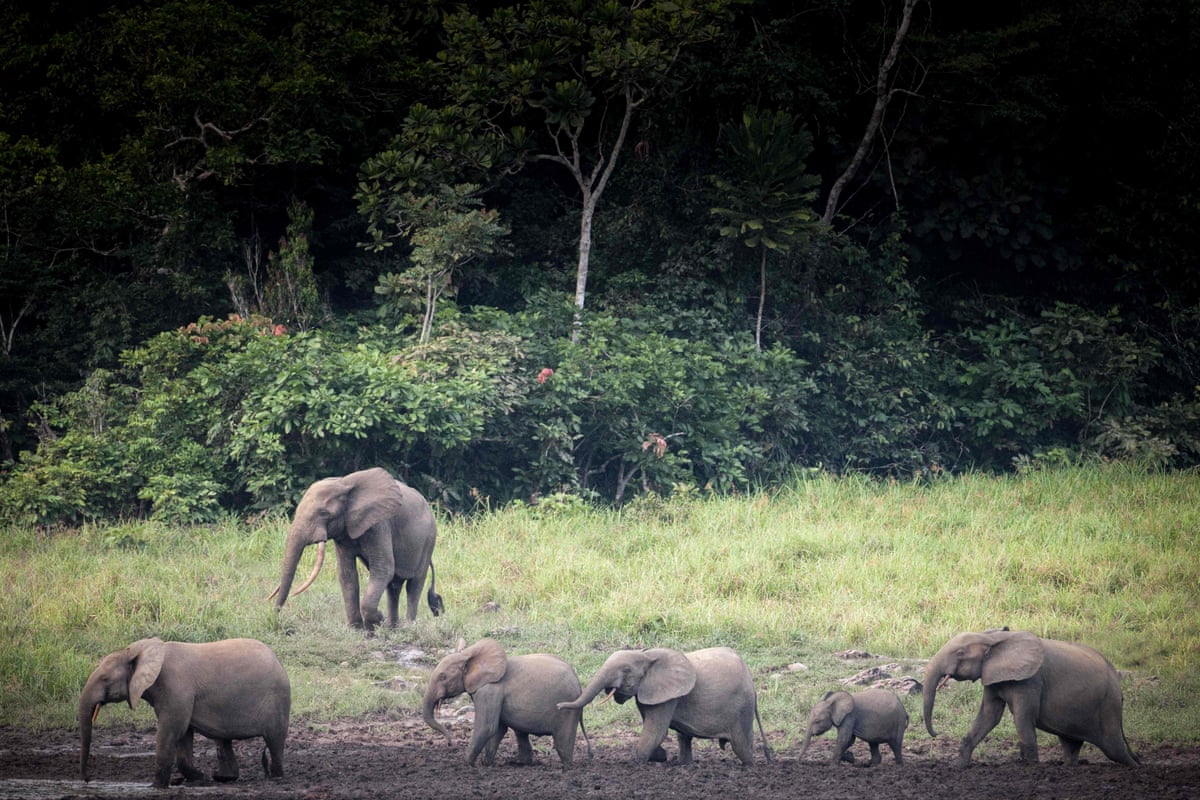
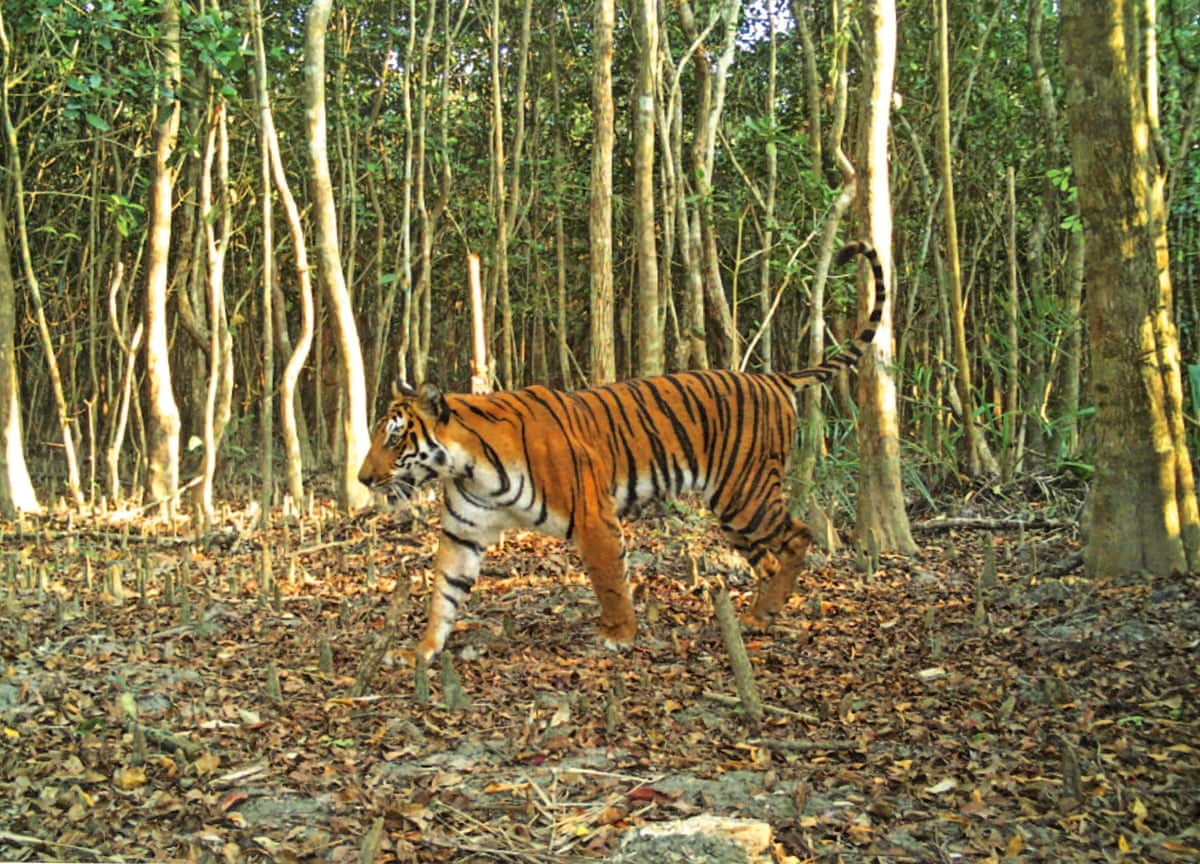
USAID also contributed to tiger conservation in Bangladesh, combated wildlife trafficking in numerous countries, and collaborated with the Jane Goodall Institute to protect chimpanzee habitats and improve livelihoods in Tanzania. It invested hundreds of millions of dollars in large international conservation organizations such as the Wildlife Conservation Society, World Wildlife Fund, and Nature Conservancy.
Despite criticisms regarding bureaucracy and government collaboration, USAID’s biodiversity initiatives produced measurable gains for species and ecosystems worldwide.
By the 2020s, Congress approved more than $300 million annually for USAID biodiversity programs. The USFWS and USFS international conservation budgets, though smaller, also increased, receiving about $25 million and $20 million respectively in 2024. While modest compared to the national budget, these funds positioned the US as a keystone species in global conservation.
During the Biden administration, USAID director Samantha Power developed a comprehensive biodiversity policy emphasizing locally led development, climate resilience, and integrated biodiversity protection. Released in December 2024, the policy preceded President Donald Trump’s executive order freezing all federal foreign development assistance spending, leading to USAID’s closure.

Immediate Effects on Conservation Frontlines
Those on conservation frontlines have suffered most from USAID’s closure. Like Liberia’s eco-guards, park rangers and wildlife crime officers in Malawi, Tanzania, Vietnam, and elsewhere lost livelihoods. The long-term effects on poaching, trafficking, and habitat loss remain uncertain.
In South Africa, the Endangered Wildlife Trust lost about $1.2 million for projects combating rhino poaching and monitoring threatened vulture species. The continent-wide vulture decline has led to carrion accumulation and may accelerate disease spread.
Kishaylin Chetty, the trust’s head of sustainability, noted:
“Certainly, the impact that those [groups] and ourselves were trying to achieve has been set back. It’s been set back a number of years, and it will be a while before we can get that traction back.”
Diane Russell, an American anthropologist who worked for USAID in the Congo basin since the 1980s, highlighted the agency’s role in drawing attention and funding to the region’s rich forests, home to mountain gorillas and forest elephants. USAID enabled conservation amid difficult conditions, such as in the late 1990s when eastern Democratic Republic of Congo was occupied by foreign forces. Russell persuaded Congolese officials to allow USAID and the United Nations Foundation to continue supporting protected areas during the conflict, possible only because she had USAID’s backing.
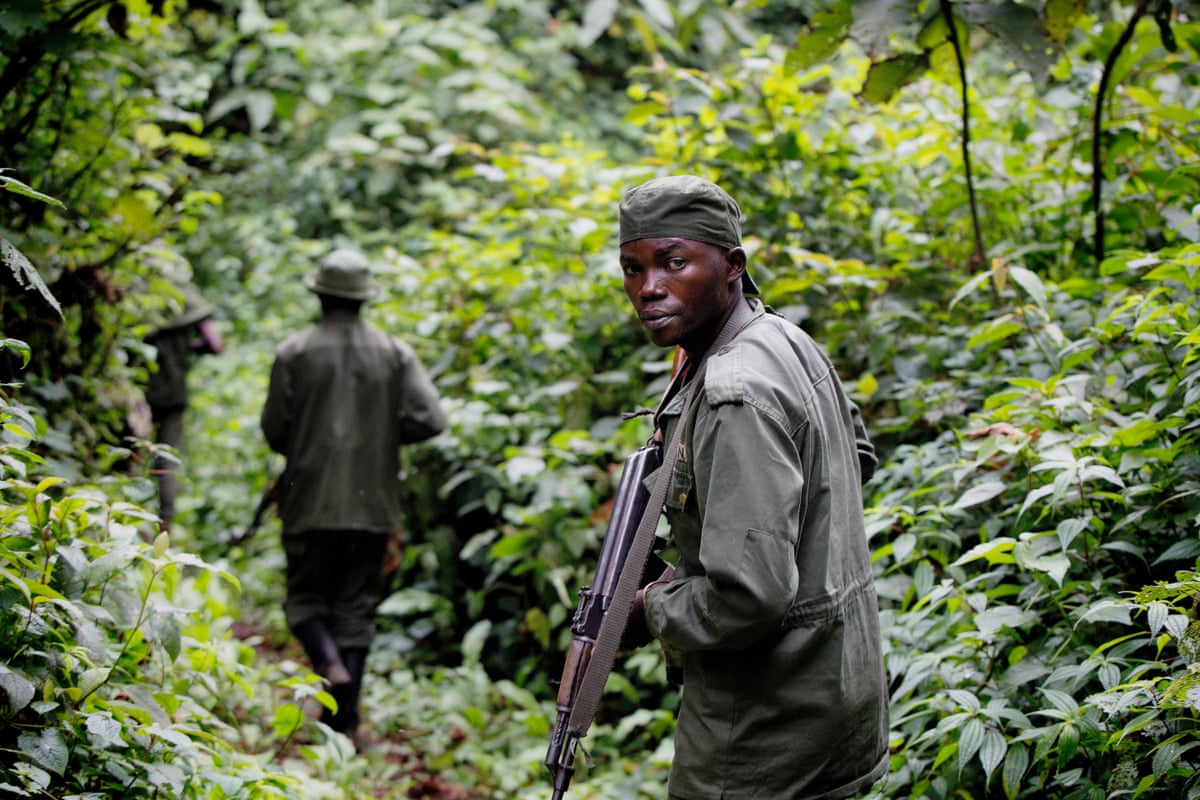
Now back in the US, Russell is working to preserve decades of data, maintain contact with former Congolese colleagues, and assist them in finding new employment. She reflected on the damage caused:
“When I think of the wreckage that this left behind, the wreckage of people’s lives and their careers and their families – sometimes it’s just overwhelming.”
Adapting to a New Conservation Landscape
Despite the losses, Kevin Starr of the Mulago Foundation urges conservationists to seek opportunities. In a 2025 essay, he wrote:
“The callous glee with which [the Trump] administration choked off aid is something I will never forgive or forget.”
He continued:
“The era of ‘Big Aid’ is over, and funders and advocates must adapt. Imagining a development future without Big Aid is hence the wisest – and paradoxically the most optimistic and creative approach we can take.”
While many conservation organizations have been crippled, others are finding ways to continue. In August, SCNL secured short-term funding from the Rainforest Trust to resume eco-guard patrols. The Endangered Wildlife Trust and other groups report increased donations from existing donors and new supporters attracted by the funding cuts.
Matt Clark, executive director of Nature and Culture International, whose organization lost over $2 million from USAID and USFWS for conservation in the Ecuadorian and Peruvian Andes, stated:
“It’s been infuriating and damaging, but by no means catastrophic.”
His organization hopes to recover some losses through European government grants. Other US-funded groups have also received or anticipate funding from Germany, the UK, and other European governments. Norway, a longstanding supporter of forest conservation, pledged $3 billion to the newly established Global Forest Finance Pledge in November.
Nevertheless, significant funding gaps remain. European and UK governments are expected to reduce international conservation support amid pressures to increase military spending. US philanthropists may also prioritize domestic needs over international aid.
James Deutsch, CEO of the Rainforest Trust, warned:
“Many of the effects of the cuts are not yet visible. But five or 10 years from now, you’ll be starting to see them, and people will say, ‘how could we have destroyed the capacity for longer-term success?’”
Congressional Support and Preservation Efforts
Despite challenges, bipartisan support for international conservation continues in Congress. Before President Biden left office in early 2025, Congress established the US Foundation for International Conservation, which matches $1 for every $2 raised privately and has so far avoided funding cuts. In summer 2025, Congress authorized up to $100 million for the fund for the fiscal year. In January 2026, Congress also maintained funding for USFWS and USFS international programs at or near 2024 levels, opposing administration proposals to eliminate them.
In July 2025, former USAID staffers Hadas Kushnir and Monica Bansal launched an initiative to collect and preserve the agency’s climate and conservation knowledge. Supported by a grant from the Navigation Fund, a US nonprofit, they reconnected with nearly 600 former USAID employees, contractors, and grantees across 65 countries.
They are identifying promising interrupted projects that remain viable and have momentum, aiming to connect them with private and public funders. Kushnir explained:
“We are working to identify projects that still have boots on the ground, are viable, are high quality and have momentum.”
One interviewee was Dida Fayo, who lost his job with the Northern Rangelands Trust in October 2025. Anticipating the cuts, Fayo founded the Asal Research & Resilience Programme in April, focusing on community-led climate resilience in arid and semi-arid areas. Although not yet salaried, he remains committed to serving his region.
“We cannot replace USAID, but we can do big things, because we, the locals, were the engine behind what USAID was doing in this region,”
he said.
“We have the mind, we have the goodwill, we have the integrity and we mean well for this region, despite all its challenges.”
A longer version of this story was originally published on Mongabay, an online magazine powered by the California Academy of Sciences.