

Climate Change Threatens Food Security in Low-Income Nations
The number of countries experiencing critical food insecurity could nearly triple to 24 if global temperatures rise by 2C, according to new research.
An analysis conducted by the International Institute for Environment and Development (IIED) reveals that the climate crisis will disproportionately impact food systems in poorer countries, exacerbating disparities between the most and least vulnerable nations.
While global warming increases food insecurity risks worldwide, food systems in low-income countries are expected to deteriorate at a rate seven times faster than those in wealthier nations.
Disproportionate Impact on Vulnerable Countries
Ritu Bharadwaj, an IIED researcher and author of the study, stated:
“Countries already facing poverty, fragility and limited safety nets are projected to see the fastest deterioration in food systems, despite having contributed the least to global emissions.
Today, nearly 59% of the world’s population already lives in countries with below average food security, and our projections show that climate change is likely to widen this gap.”
Bharadwaj emphasized that this trend can be mitigated by strengthening social protection systems capable of responding swiftly to climate shocks, investing in climate-resilient agriculture, and improving water and soil management.
“Food systems today are deeply interconnected. Climate shocks in one major producing region can ripple through global supply chains and trigger price volatility elsewhere. Even if high-income countries remain relatively food secure, they will not be insulated from the impacts of climate instability on global food markets.”
IIED’s Food System Vulnerability Index
The IIED developed a Food System Vulnerability Index covering 162 countries. This index measures the systematic vulnerability of a country’s entire food system and estimates how climate breakdown could affect it under three scenarios: global temperature increases of 1.5C, 2C, and 4C above preindustrial levels.

The index evaluates the impact of climate change on four key pillars of food systems: availability, accessibility, utilisation, and sustainability. It reveals that the risk is unevenly distributed across these pillars.
Sustainability and utilisation are the most sensitive to climate change, indicating that early signs of climate damage will manifest first in water, sanitation, and health systems, potentially causing malnutrition even when food is physically available. Additionally, increased climate risk is linked to reduced food access due to rising prices and market disruptions.
Countries Most at Risk
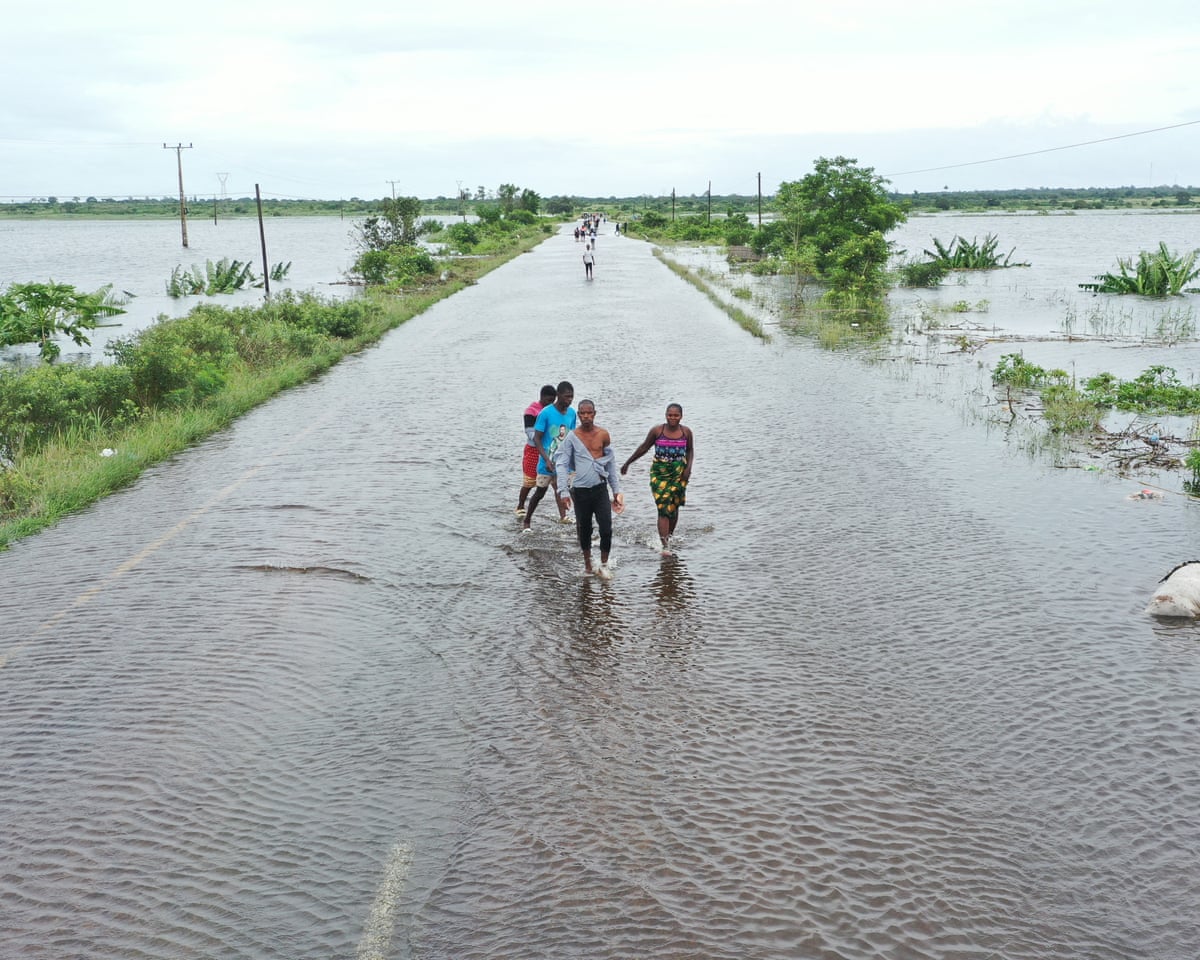
Countries such as Somalia, the Democratic Republic of the Congo, Afghanistan, Haiti, and Mozambique are among the worst affected. Under a 2C warming scenario, the analysis projects food insecurity to increase by more than 30% in these nations, potentially leading to acute crises and famine. In contrast, high-income countries would experience an average increase of only 3%.
Across low-income countries, food insecurity is projected to rise by 22% on average under the 2C scenario. Notably, low-income countries contribute only 1% of global emissions, whereas high- and upper-middle-income countries account for more than 80%.
“High-income countries will experience massive agricultural shocks, but they have the wealth to buy their way out of a domestic crop failure on the global market,” Bharadwaj explained.
National Security Implications
Bharadwaj also referenced warnings from defence officials regarding the climate crisis as a national security threat, stating:
“If fragile and conflict-affected states face a systemic collapse, the result is massive global instability, state collapse, and forced migration. That is the national security threat the defence chiefs have warned about.”


