

Israel Advances to Eurovision Final Amid Mixed Reactions
Israel has successfully qualified for the final of the Eurovision Song Contest with the romantic pop song "Michelle," performed by 28-year-old Noam Bettan.
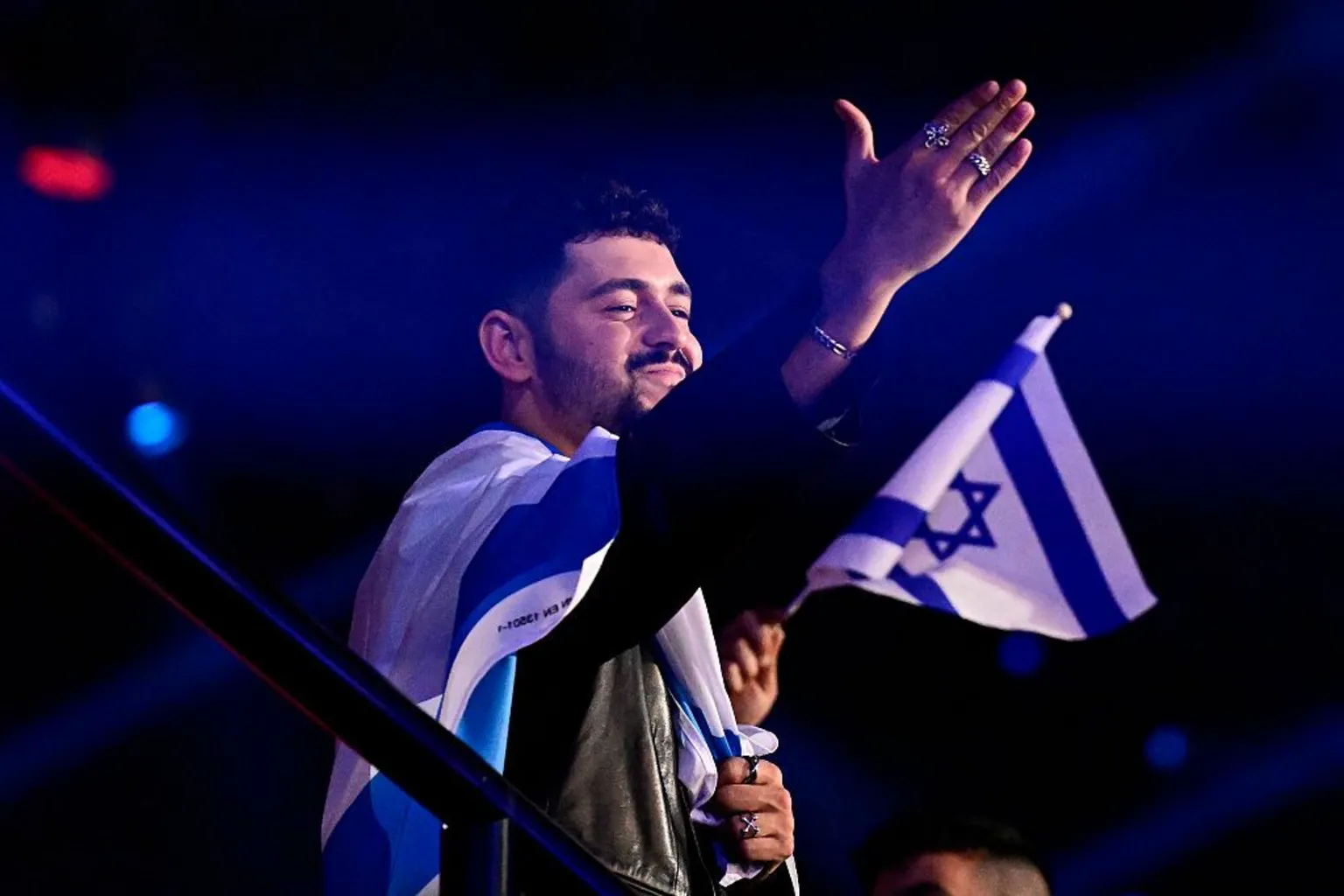
In recent years, the contest's celebratory spirit has been disrupted by controversy surrounding Israel's military actions in Gaza. This year, five countries, including seven-time winners Ireland, have chosen to boycott the 2026 event.
During Tuesday's semi-final, Bettan received a mixed reception from the audience. Some attendees booed and shouted anti-Israeli slogans, while others chanted his name in support.
"I am determined to concentrate on the music and relegate any criticisms to 'background noise'," Bettan told the Jerusalem Post before the show.
The negative audience reaction was audible on the television broadcast. The Austrian broadcaster ORF, which is hosting the contest, stated it would not censor protests or negative reactions directed at any contestants.
Following the show, ORF and Eurovision organisers the European Broadcasting Union (EBU) issued a statement explaining that an audience member had been "close to a microphone" and "loudly expressed their views" both as Israel prepared to perform and during their song.
"They were later removed by security for continuing to disturb the audience," the statement added.
Additionally, three other individuals were removed from the venue for disruptive behaviour.
Semi-Final Results and Notable Performances
The semi-final took place at Vienna's Wiener Stadhalle and saw ten countries qualify for the grand final scheduled for Saturday.
Among the qualifiers were Finnish duo Pete Parkonnen and Linda Lampenius, whose passionate love song "Liekinheitin" (Flamethrower) is currently the favourite to win the contest.
However, there was disappointment for British singer Boy George. The Culture Club frontman appeared as a guest performer on San Marino's entry, which did not advance past Tuesday's vote.
The countries eliminated included Estonia, Georgia, Montenegro, Portugal, and San Marino.
Notably, three returning Eurovision acts failed to qualify: Estonia's Vanilla Ninja, San Marino's Senhit, and Georgian trio Bzikebi, who were winners of Junior Eurovision in 2008.
These results highlight the competitive nature of the contest, where past participation does not guarantee success.
Eurovision's 70th Anniversary Tribute
The semi-final opened with a touching film celebrating Eurovision's 70th anniversary. It followed the story of Toni, a young Austrian boy who grew up watching the contest, maintaining his affection for the show through decades of changing trends and friendships.
The tribute featured iconic winners such as ABBA, Sandie Shaw, Conchita Wurst, and Nemo. It culminated with Toni performing "L'amour Est Bleu," originally sung by Vicky Leandros at Eurovision 1967, the first year Austria hosted the contest.
Leandros then joined Toni on stage, accompanied by a 70-member choir, for a poignant finale.
Performances from the Semi-Final
The contest itself began with Moldovan singer Satoshi, who energized the stage with his party anthem "Viva, Moldova!" while wearing a football shirt displaying the numbers 373, Moldova's country dialing code.

Swedish singer Felicia followed, performing "My System," a dance track about contracting a fatal infection of love, while her face was concealed by a mask.
Croatian all-female band Lelek shifted the mood with the powerful, folkloric harmonies of "Andromeda," a song addressing the historical suppression of women during the Ottoman Empire.
Greek singer Akylas delivered the most ambitious staging of the night. His performance referenced ancient Greek sculpture, knitting culture, and paid homage to Greece's first and only Eurovision winner, Helena Paparizou.
His song "Ferto" contrasted the materialism of the social media generation with the hardships his family endured during the Greek financial crisis from 2009 to 2018.
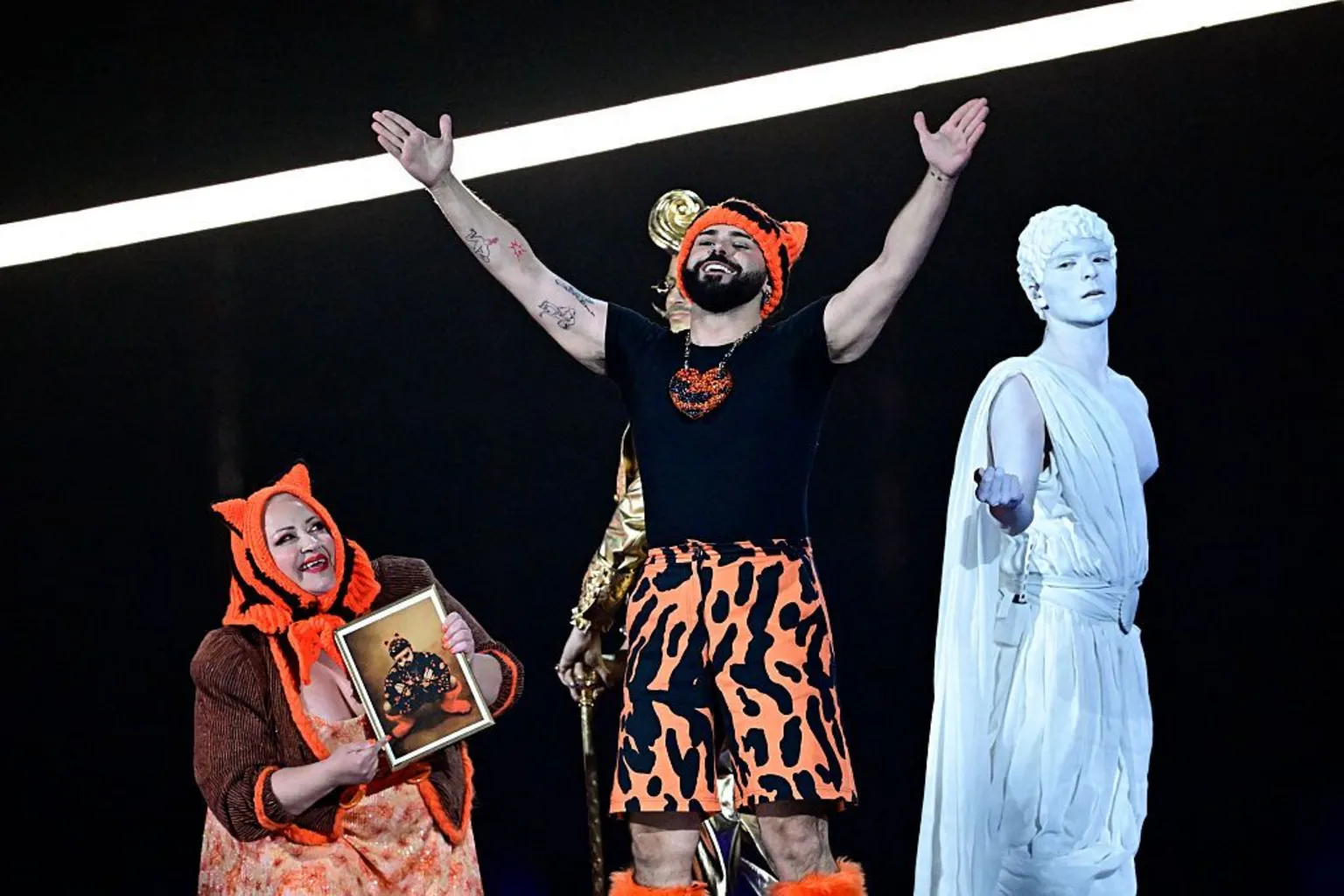
Akylas is considered one of the strongest competitors this year but must contend with Finland, whose duo currently holds a 34% chance of winning according to bookmakers.
The Finnish duo delivered a fiery and impassioned performance. Notably, violinist Linda Lampenius played her 19th-century Gagliano violin live on stage, breaking one of Eurovision's longstanding rules that typically prohibits live instruments. This is only the second time since 1998 that a live instrument has been permitted.
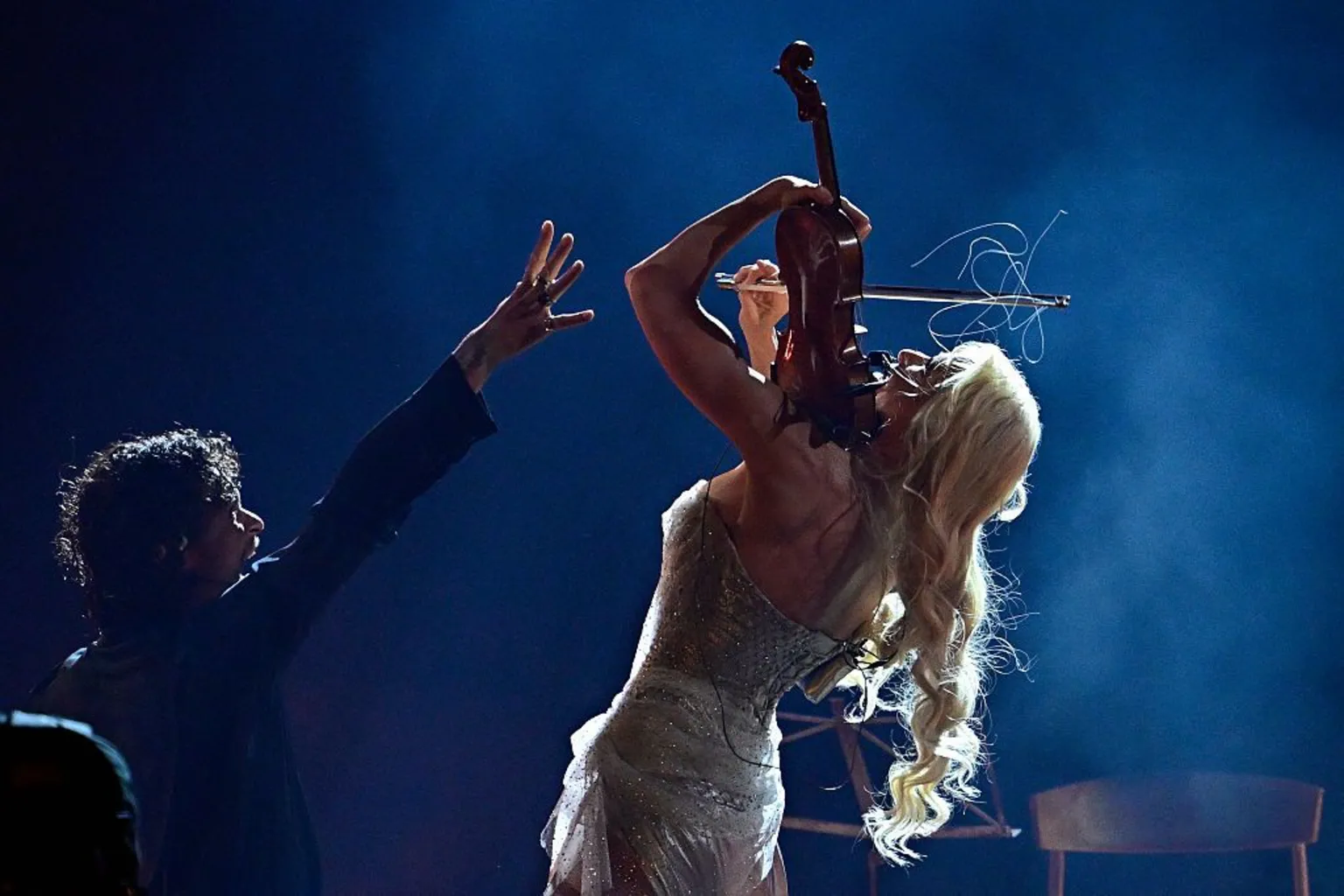
Italy's Sal Da Vinci paid tribute to his wife with the sumptuous disco track "Per Sempre Si," while Lithuania's Lion Ceccah made a striking impression by painting himself entirely in silver for his man-versus-machine anthem "Sólo Quiero Más."
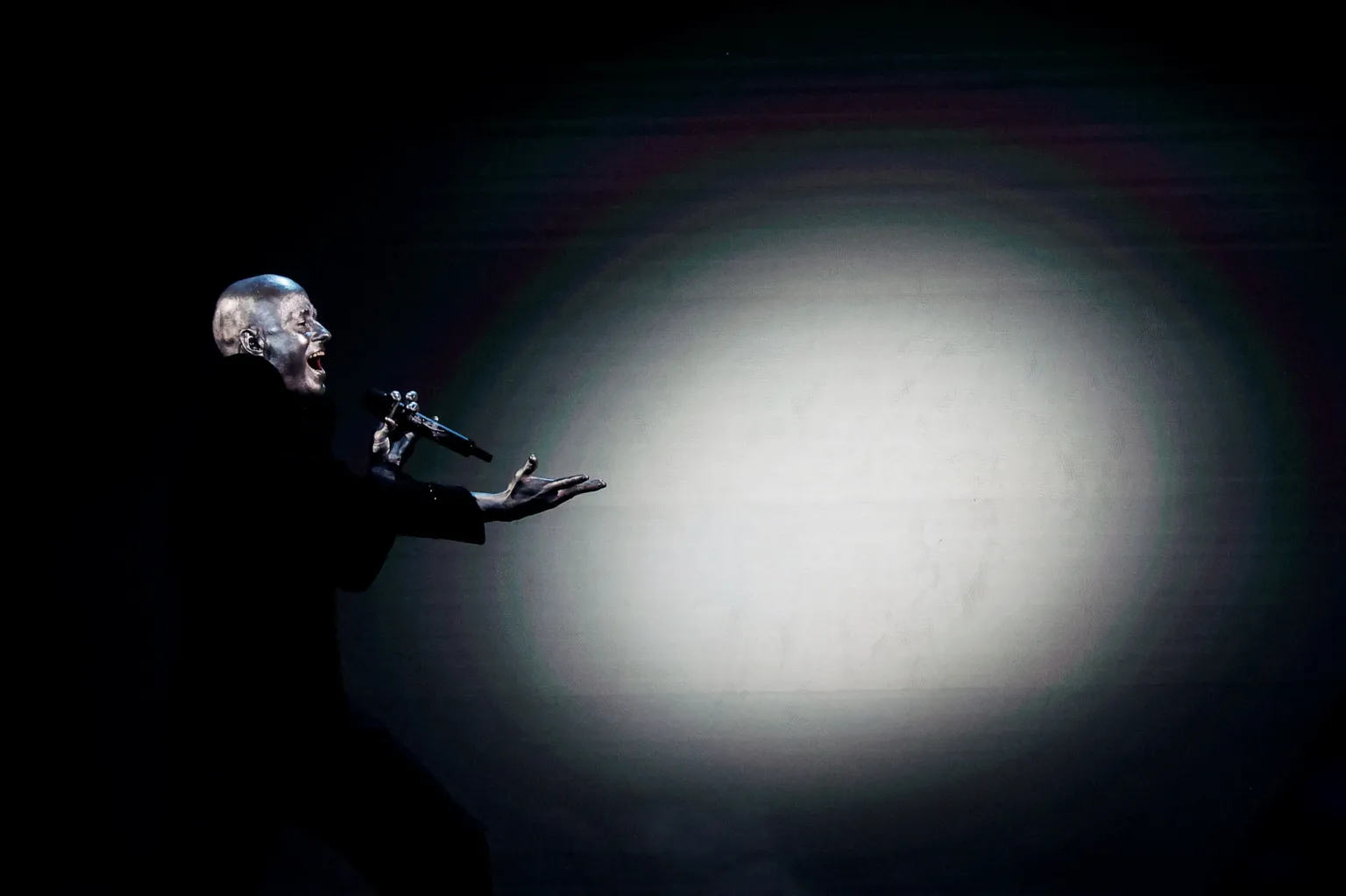
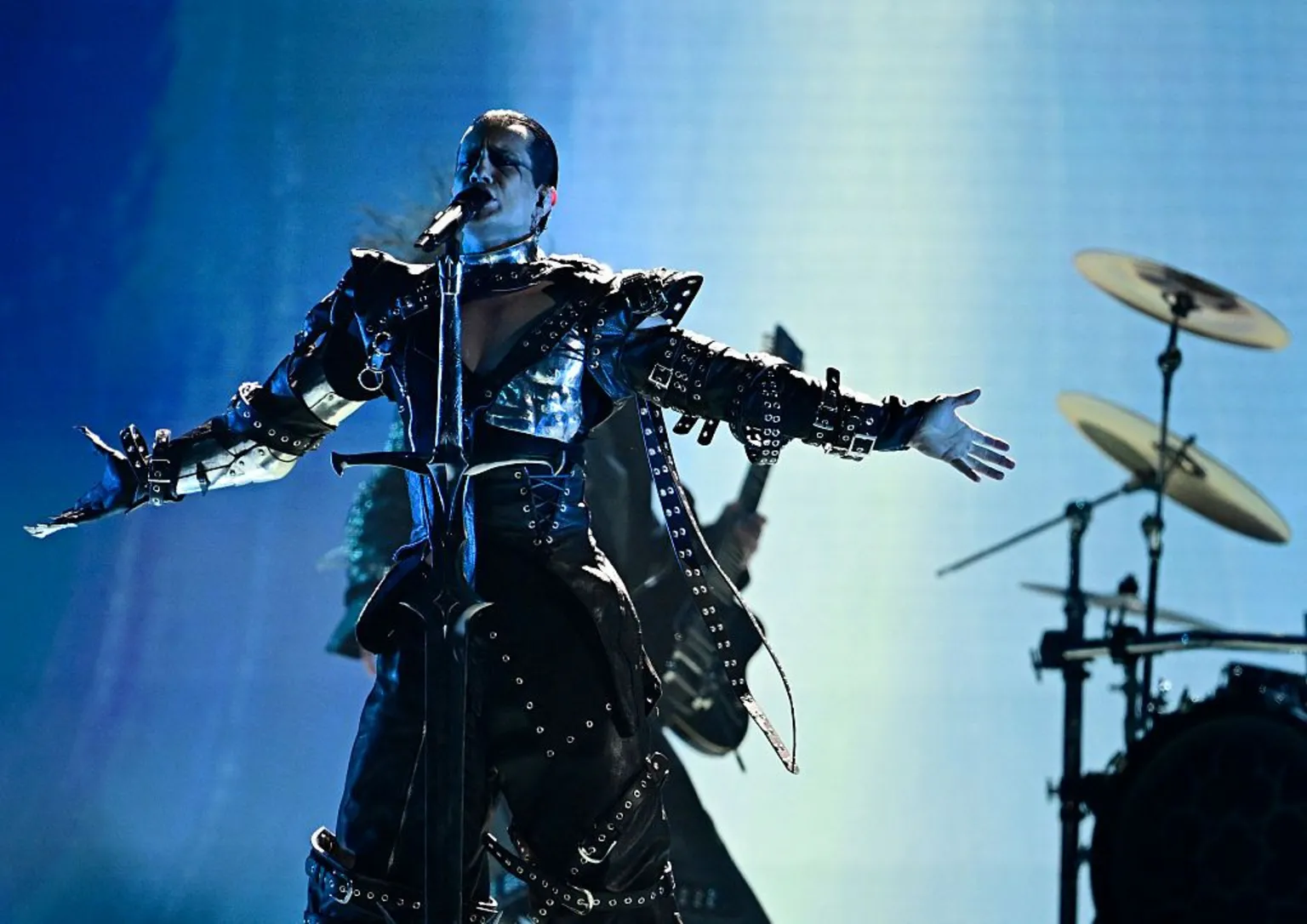
The night concluded with Serbia's leather-clad metal band Lavina, whose intense screams brought a sinister edge to a semi-final largely dominated by electro-pop.
Voting Process and Additional Highlights
The ten qualifiers were determined by a combination of public votes and jury scores.
This year's voting process was revised following accusations of irregularities in 2025. Changes include limiting viewers to ten votes instead of twenty, and requiring credit card details for online voting to ensure votes originate from the country where they are submitted.
As votes were tallied on Tuesday night, viewers were treated to an acrobatic tribute to Vienna's Wurstelprater, one of the world's oldest amusement parks.
The show also featured a brief cameo by Eurovision superfan Will Ferrell and a quirky song highlighting the differences between Austria and Australia, focusing mainly on kangaroos.
Upcoming Semi-Final and Notable Entrants
The second semi-final is scheduled for Thursday, featuring highly anticipated performances from Denmark and France.
Additionally, Australian pop star Delta Goodrem, one of the most recognizable artists in this year's lineup, will make her debut alongside the British entry "Look Mum No Computer."


