

The Beatles Transform 3 Savile Row into Exhibition Space
The Beatles are converting the building where they performed their last live gig into a multi-floor exhibition space. This venue will allow fans to explore seven floors filled with memorabilia and previously unseen archival material.
The Grade II listed mansion at 3 Savile Row served as the band's headquarters from 1968 to 1972. It was also where they recorded their final album, Let It Be, in the basement.
Sir Paul McCartney told the BBC that he wanted to provide fans with an official Beatles destination in London.
"Tourists come to England and they can go to Abbey Road, but they can't go inside [and] it snares up the traffic and the drivers get really annoyed," he said. "So I thought this was a terrific idea."
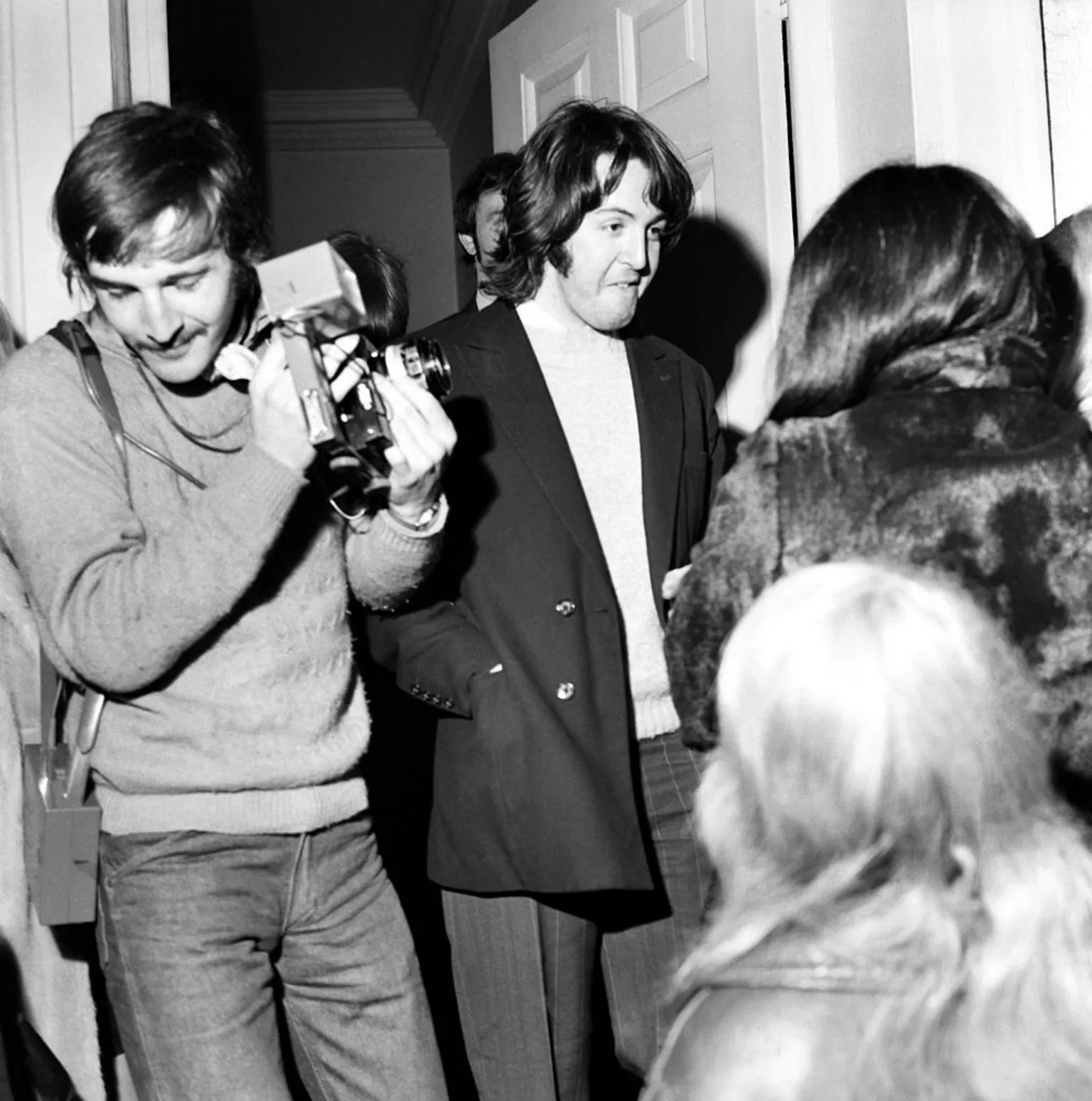
Details of the New Experience
The project, officially named "The Beatles at 3 Savile Row," is scheduled to open in 2027. Fans can register for tickets starting today on the band's official website.
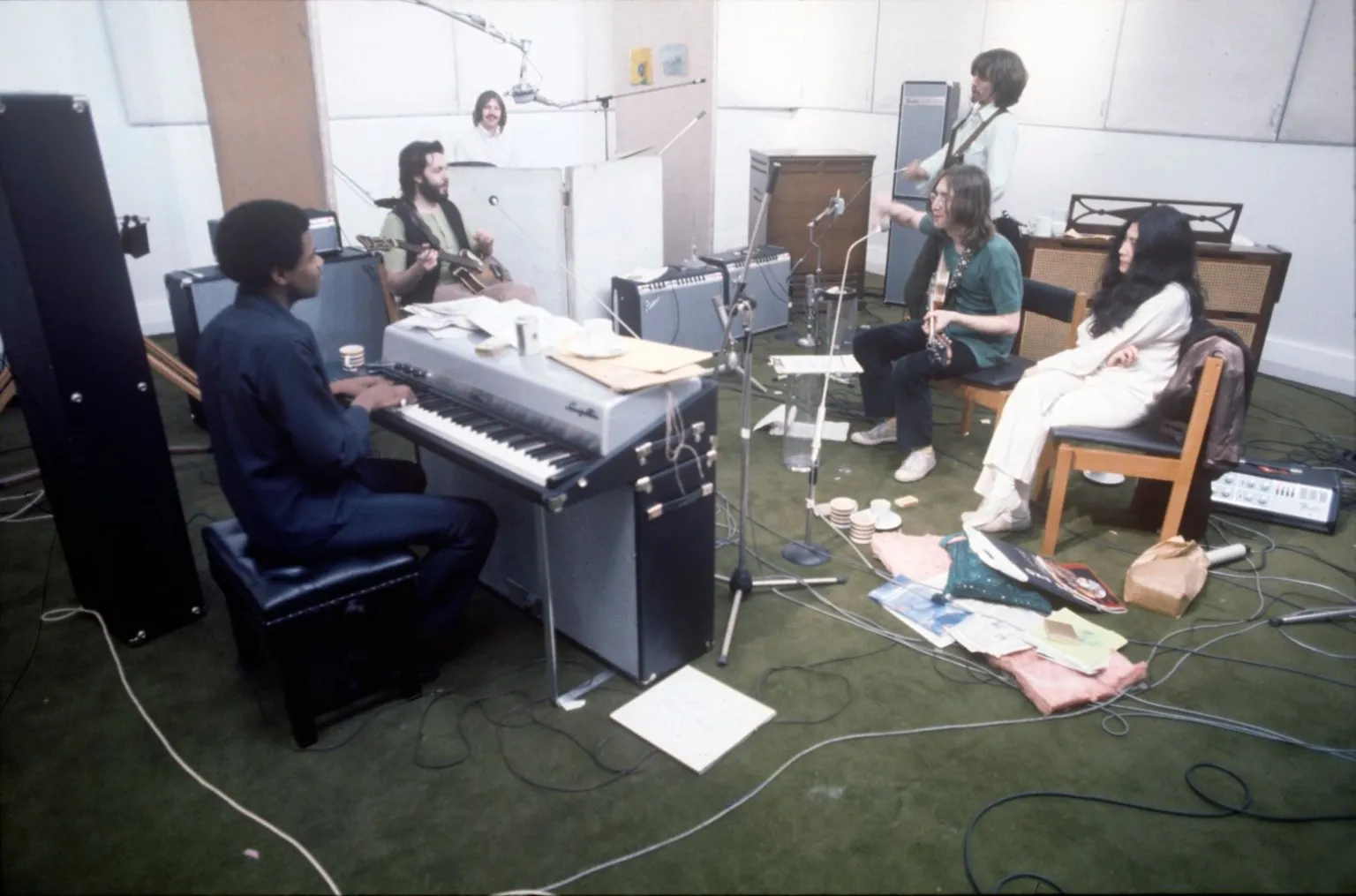
The building will feature a recreation of the basement studio where Let It Be was recorded and offer visitors the chance to relive the Beatles' iconic rooftop concert on the original location.
Additional details about the venue are yet to be announced, but Sir Paul provided insight into the visitor experience.
"Well, you go in on the ground floor, and there's memorabilia and stuff like that. Then you work your way up through the building, and [see] various things that happened here and there, until you get to the top, where you go out on the roof and pretend to be a Beatle."
The building will also include a shop selling licensed Beatles merchandise.
"You know, a retail thing... but you want that," Sir Paul said. "You even want that at the National Trust, you know? You've got to have a souvenir."
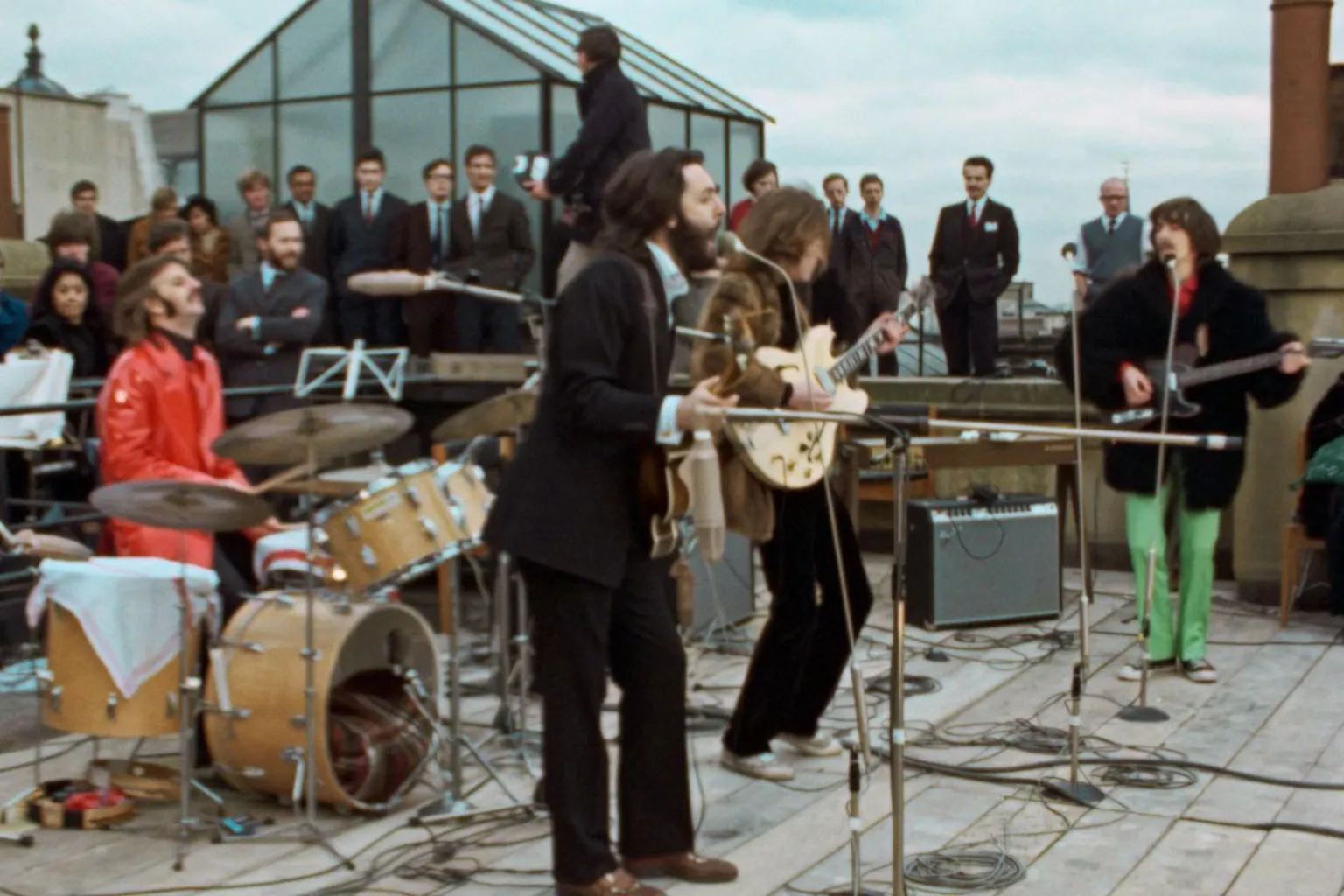
The Beatles' Rooftop Concert
The Beatles' rooftop concert, held in January 1969, was their final public performance. However, it almost did not take place.
Director Michael Lindsay-Hogg, who filmed the event, recalled that some band members were hesitant at the last moment.
"George didn't want to do it and Ringo started saying he didn't really see the point" "Then John said, 'Oh, [expletive] it - let's go do it.'"
The band ascended five stories and performed on the rooftop, creating a commotion as fans gathered on surrounding streets and rooftops.
They played for 42 minutes, including songs such as "Don't Let Me Down," "I've Got A Feeling," and two versions of "Get Back," before police intervened due to complaints from local residents.
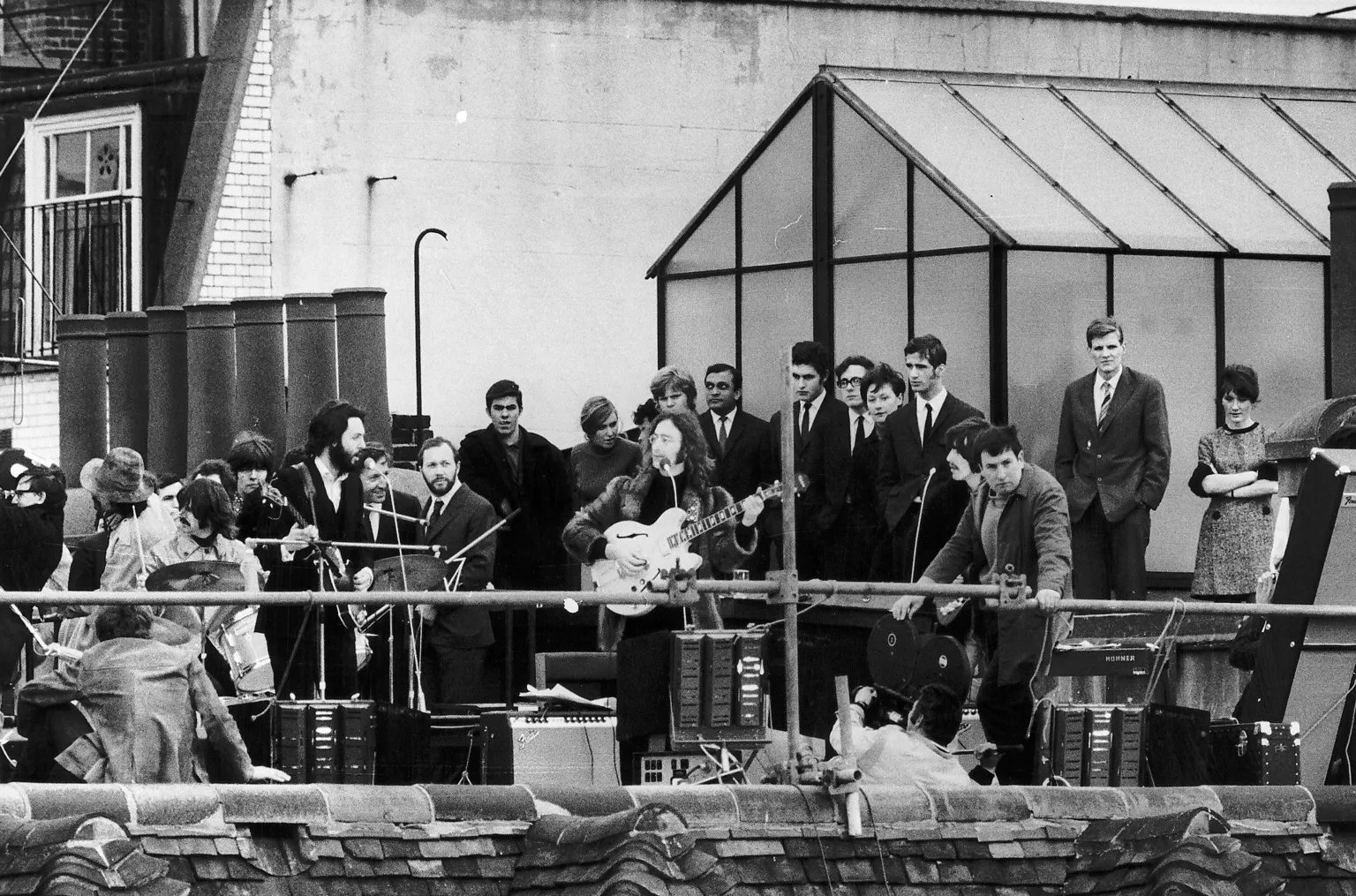
The footage from the concert was recently restored and enhanced for Peter Jackson's Get Back documentary. A blue plaque on 3 Savile Row commemorates the event.
Historical Significance of 3 Savile Row
Before the Beatles occupied the building, it was home to several notable figures, including General Robert Ross, who led the burning of the White House in 1814, and Lady Hamilton, known as Admiral Nelson's lover.
After the band's breakup in 1970, they continued to use 3 Savile Row as the base for their company, Apple Corps.
George Harrison referenced the fans who gathered outside the building in his song "Apple Scruffs" from his post-Beatles album All Things Must Pass:
"You've been stood around for years / Seen my smiles and touched my tears / Apple Scruffs / How I love you."
The Beatles sold the building in 1976. It was later repurposed as a store for the fashion company Abercrombie and Fitch.
Sir Paul explained that the idea to return to the building was proposed by Tom Greene, who became CEO of Apple Corps in 2025 after working on the Harry Potter franchise.
"He's a live wire and he's bringing a lot of energy into looking at what the Beatles mean, and what people want these days from us," said Sir Paul.
Ringo Starr described revisiting the property recently as "like coming home," while Sir Paul called it "such a trip."
"There are so many special memories within the walls, not to mention the rooftop. The team have put together some really impressive plans and I'm excited for people to see it when it's ready."
Other Beatles Attractions and Recent Releases
Fans can currently view Beatles memorabilia at Liverpool's Beatles Museum and the nearby Beatles Story, though neither is officially licensed by the band.
Other popular Beatles-related locations include Sir Paul's childhood home in Allerton, Strawberry Fields, and George Harrison's birthplace in Wavertree. Due to the popularity of these sites, a code of conduct for tour guides and visitors was introduced recently to protect local residents.
Meanwhile, both Sir Paul and Ringo Starr continue to release new music. Ringo's 22nd album, Long Long Road, was released last month and reached number two on the UK's country music charts.
Sir Paul's upcoming album, The Boys of Dungeon Road, is set for release at the end of May. The album features reflective songs about his Liverpool childhood and the early days of the Beatles.


