Global African Pop Tours Highlight Western Cities Over African Hubs
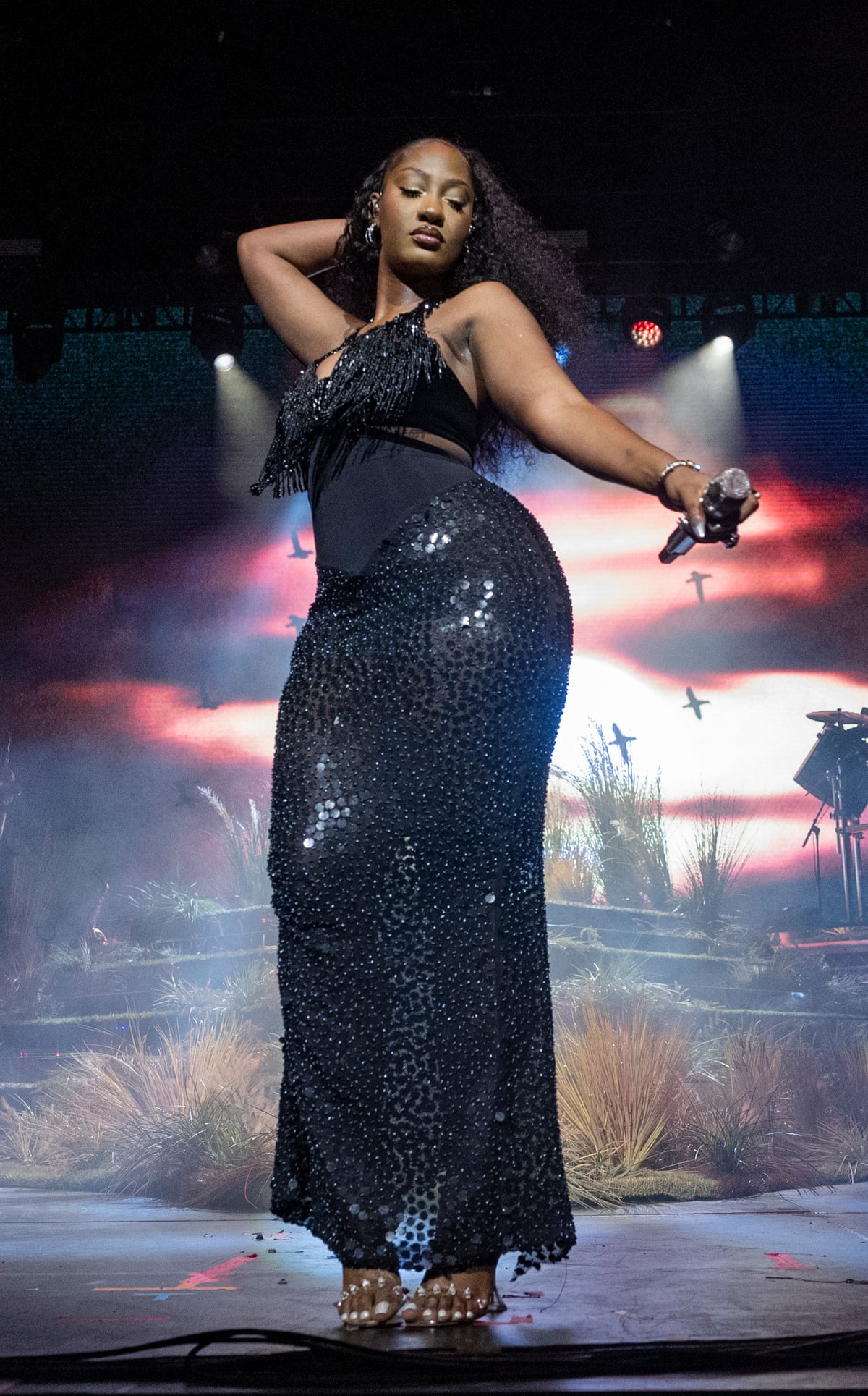
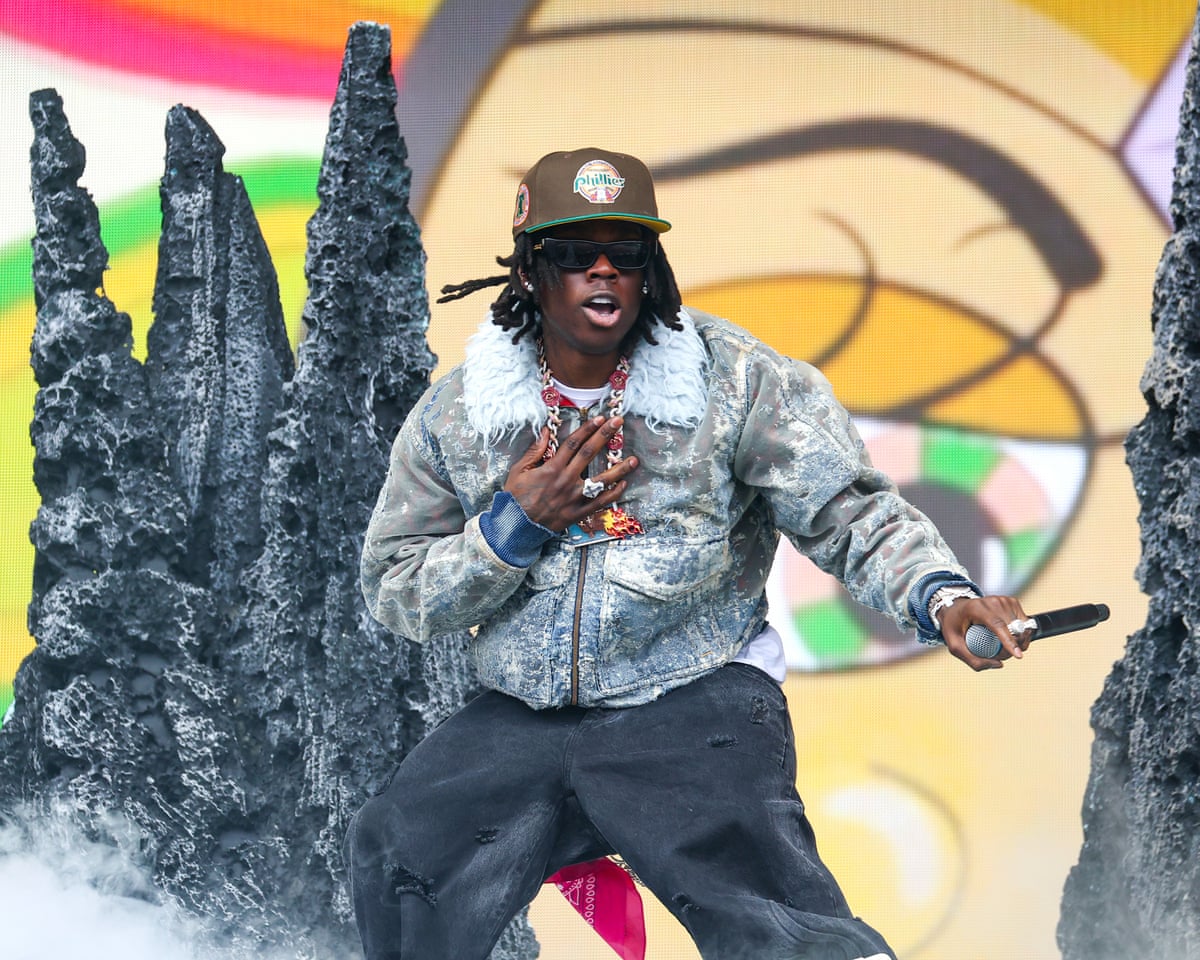
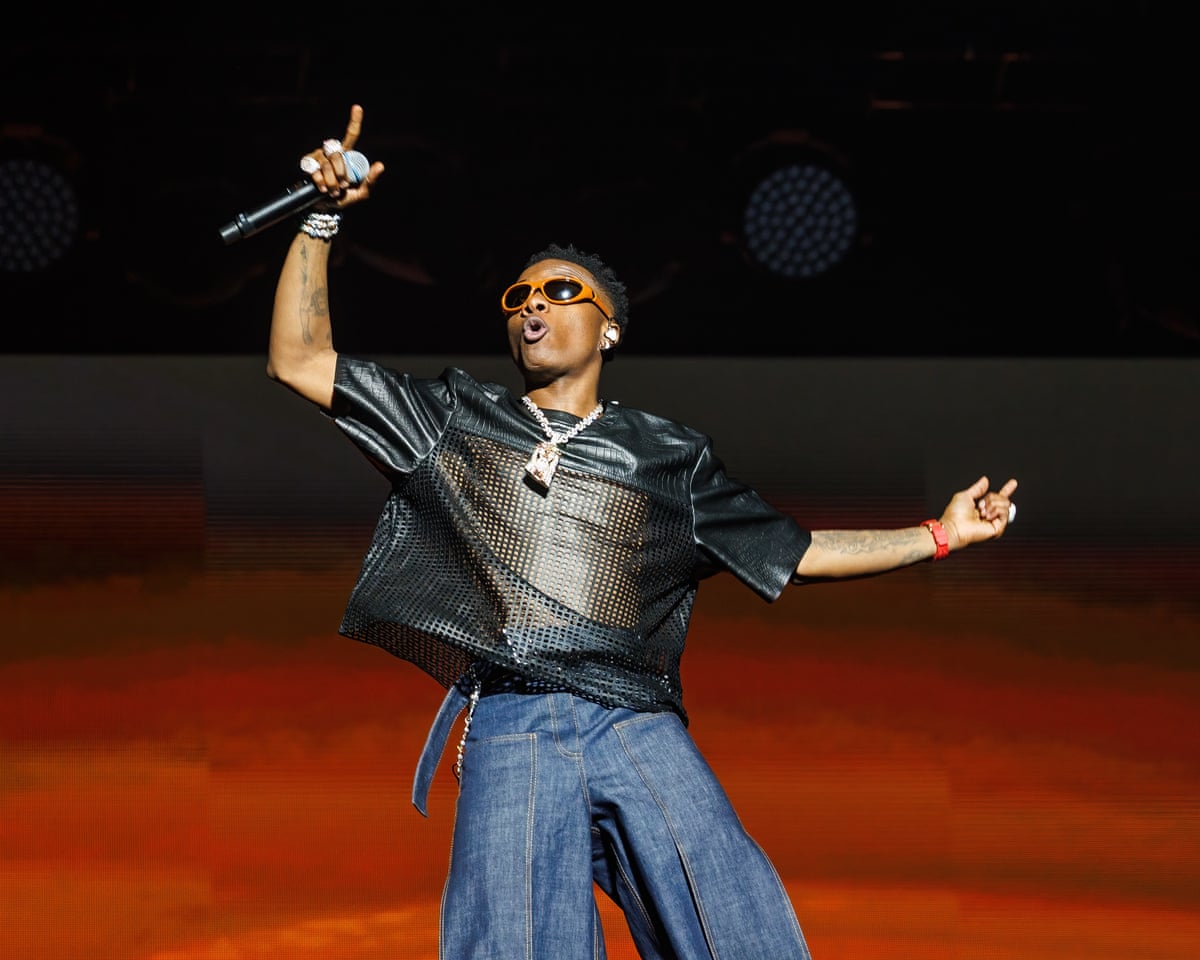
When prominent African pop artists announce world tours today, cities like Paris, New York, Toronto, and Amsterdam frequently appear on their itineraries. London’s O2 Arena, in particular, has become a recurring venue showcasing Nigerian pop dominance. Artists such as Burna Boy, Wizkid, Asake, Rema, Tyla, and Tems have risen to global stardom, performing with elaborate stage designs, towering LED screens, and carefully choreographed dance routines.
However, a comprehensive, interconnected tour across African cities like Accra, Nairobi, Johannesburg, Kigali, or Luanda—the very places where these artists originated—is rarely seen. This creates a paradox in the current surge of African music: the continent’s biggest cultural exports struggle to perform consistently for audiences within Africa itself.
This situation has resulted in a significant cultural gap. Music has played a vital role in altering global perceptions of young Africans, replacing outdated narratives with dynamic representations of African life. Yet when an artist writes about the realities of Lagos but performs the song only in Berlin, an essential connection is lost. Consequently, many African youths experience their own culture primarily through digital platforms rather than live events.
Rise of African Pop and Challenges of Touring the Continent
Over the past five years, pop music has been significantly influenced by West and South Africa. African pop icons have moved from being marginalized as "world music" acts to becoming central figures in the global pop mainstream. Genres like Afrobeats, amapiano, alté, and their localized variations have generated billions of streams worldwide. Yet, organizing a cohesive, profitable multi-city arena tour across Africa remains highly challenging. For example, Rema’s extensive 2022 Rave & Roses world tour included many dates across North America and Europe but only three African stops: Zambia, Nigeria, and South Africa.
“One of the biggest misconceptions is that artists are choosing not to perform at home,” says Adesegun Adeosun Jr, AKA British-Nigerian promoter King Smade. “In reality, most artists want to connect with their audiences across the continent. The challenge is not demand but execution.”
As founder of Smade Entertainment and co-founder of Afro Nation—the world’s largest Afrobeats festival franchise—Adeosun has produced over 1,000 events. Among these was the 2018 Afro Republik concert in London, where Wizkid became the first African headliner to sell out the 20,000-capacity O2 Arena, marking a milestone that demonstrated African stars could command premier western touring venues.
Infrastructure and Logistical Barriers to African Tours
The infrastructure supporting touring in Africa is insufficient. The absence of a well-established African touring circuit stems from colonial-era borders, high intra-African travel costs, a lack of standardized venues and ticketing systems, and a fragmented live events economy. Adeosun explains,
“Touring requires consistency across multiple cities, and if even a few stops cannot meet the technical or financial requirements, it affects the viability of the entire tour.”
In Europe, artists can travel between cities by sleeper bus, but in Africa, road networks between major cultural centers are often nonexistent or pose severe security risks. High-profile convoys carrying expensive equipment are vulnerable to banditry and extortion due to poorly policed and porous borders. Flying is often the only option, yet intra-African airfares are among the highest globally, averaging 40% to 60% more than comparable European routes. These elevated costs result from protectionist taxes and fuel prices that are 21% to 30% higher than the global average. Additionally, the absence of a fully implemented pan-African open skies agreement restricts flight routes and increases costs.
The African aviation network largely follows a colonial-era design focused on transporting resources to Europe rather than connecting African nations. For instance, it can be cheaper and faster to fly from Lagos to London than to neighboring West African capitals. This creates substantial budget challenges for promoters who must transport large crews—bands, backup vocalists, dancers, technical staff, and security—across multiple cities. Airfare expenses alone can significantly reduce or eliminate profit margins. Visa costs add further complications, as Africa lacks a borderless system akin to the European Union.
Venue Shortages and Economic Constraints
Even if funding and visas are secured, artists face a shortage of suitable venues. While Africa has large football stadiums built for events like the Africa Cup of Nations, there is a notable deficit of purpose-built indoor arenas with capacities between 10,000 and 20,000—the venues that underpin global touring circuits. Although stadiums can host concerts, local purchasing power makes it difficult to sell tens of thousands of tickets at profitable margins. Underselling large stadiums diminishes concert atmosphere, and while global superstars can cover costs, the experience is compromised.
Consequently, promoters often convert open-air spaces such as fields or hotel parking lots into concert venues, constructing infrastructure from scratch and renting stages, barricades, and generators. In many African cities, high-quality audio amplification and lighting equipment are not readily available for rent.
Artist fees also present challenges. Top-tier Afrobeats stars now command international booking fees often exceeding $500,000 (approximately £395,000) per show. For local promoters contending with depreciating domestic currencies, meeting these guarantees is frequently impossible.
Streaming Revenue Disparities and Financial Impact
Artists are further constrained by disparities in streaming revenue. Platforms like Spotify and Apple Music adjust subscription prices to local economies—Spotify Premium costs about $1 per month in Nigeria compared to $12.99 in the US—resulting in much smaller revenue pools per stream. For example, one million streams from the UK or US generate $3,000 to $4,000, whereas one million streams from Nigeria may yield only $300 to $400. This limits the financial benefits artists typically gain from increased streaming following tours.
Foreign Investment and Industry Ownership Concerns
Despite these challenges, the global success of Afrobeats has made the sector more structurally and economically viable, encouraging investment in African music infrastructure. However, this introduces new tensions regarding ownership. For decades, western companies like Live Nation and AEG largely ignored Africa. Recently, Live Nation has begun aggressively investing in the region, developing venues such as the 10,000-plus capacity Goldrush Dome in Johannesburg to serve as hubs for pan-African talent.
While foreign investment brings capital and connects African music circuits to the global market, local industry stakeholders express concerns. If global conglomerates control venues and tour routing, the African music industry risks dependency on external infrastructure and investment that could vanish if global interest wanes. Adeosun emphasizes,
“Building a sustainable ecosystem requires collaboration between artists, promoters, governments and private investors.”
Rising Ticket Prices and Fan Accessibility
Even if artists decide to tour Africa, the increased costs of staging shows are often passed on to fans, pricing many African music lovers out of live experiences. In December 2025, ticket prices for headline shows in Lagos by artists like Asake and Davido reached 250,000 to 300,000 naira (approximately £135 to £160), exceeding the monthly salary of many locals. Nnamani Grace Odi, a media and music business executive based in Lagos, shares,
“Honestly, when I see the ticket links, I don’t even click any more.”She adds,
“I experience most concerts via Instagram Live or someone’s blurry Snapchat footage.”
Afrobeats now fills arenas across Europe and North America with audiences who know every word, while retaining a distinctly African sound and identity. Yet for many fans on the continent, attending live shows remains out of reach due to high prices, distant locations, or lack of events altogether. Odi reflects,
“You’ll be watching people in London singing every word, and you’re just there thinking: wait, this is our music though?”