

The Evolution of Concert Experiences
The stage lights up, the bass reverberates, and your favourite artist steps into view. This thrilling moment is one fans cherish for years. Today, reliving these experiences has become more accessible as an increasing number of concerts are transformed into blockbuster films or livestreamed globally for a fee.
From one perspective, this development benefits all parties involved. Music enthusiasts gain additional opportunities to witness performances by their favourite artists, while performers secure an alternative revenue stream.
Conversely, some view this trend as an additional method to extract money from audiences who already pay premium prices for tickets and merchandise.
beat has engaged with fans, artists, and industry professionals involved in large-scale concert film productions to explore their perspectives.
Concert Films: A Longstanding Tradition Elevated
Concert films have existed for decades, but pop icon Taylor Swift significantly raised the standard with her record-breaking Eras Tour movie, which grossed over $260 million (£193 million) worldwide, according to Variety.
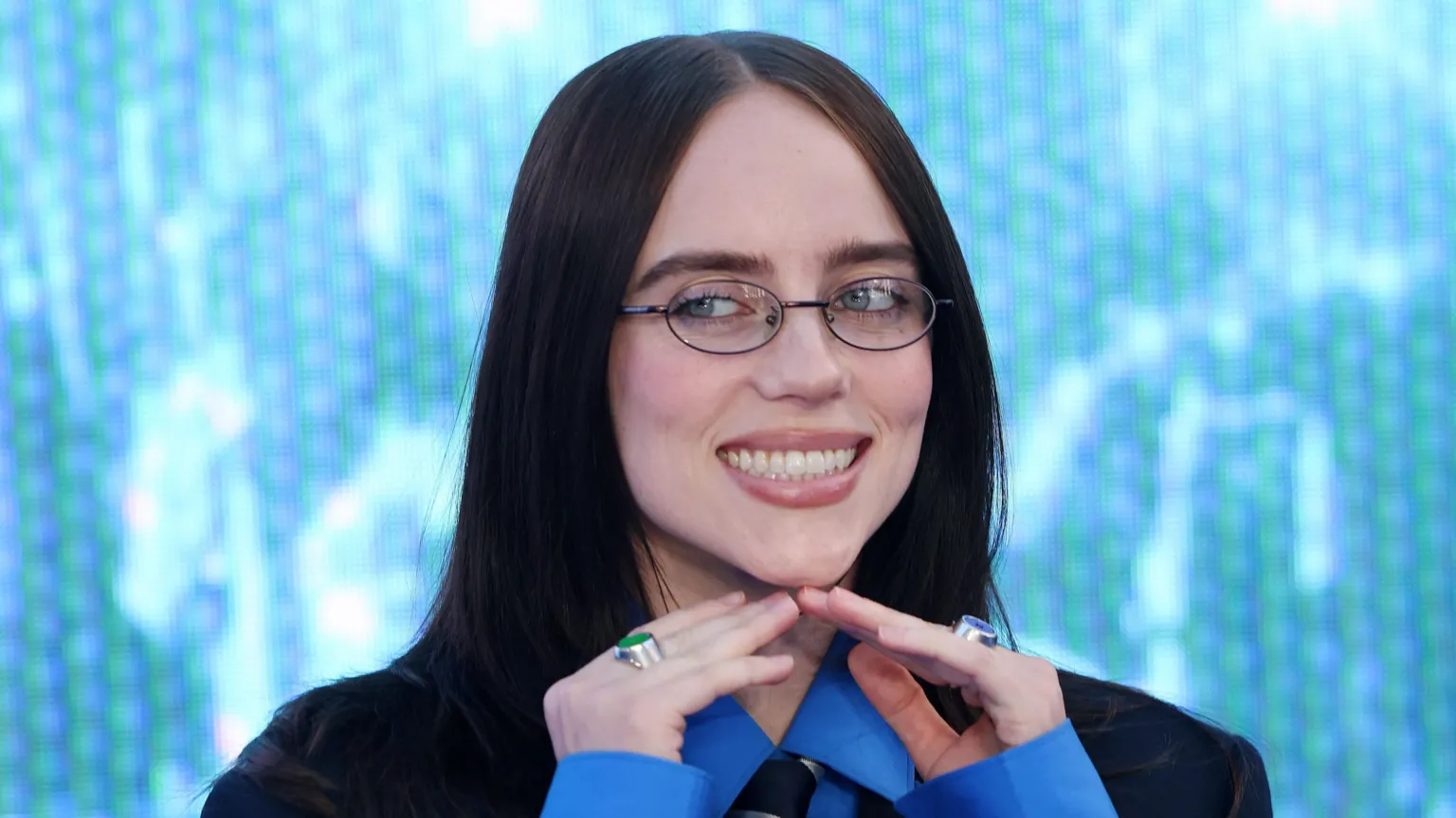
US singer Billie Eilish is poised to further innovate the genre with her upcoming 3D concert film, created in collaboration with James Cameron, director of Titanic and Avatar.
The film, recorded during the Manchester segment of her Hit Me Hard and Soft tour, aims to offer those unable to attend a chance to "experience it like they were there."
"It's a way for those who couldn't make it to experience it like they were there,"Eilish has explained.
Fan Haze Haunter, who attended the Co-Op Live gig in person, expresses excitement about watching the film in cinemas to relive the emotions.
"It doesn't compare to being there in person,"says the 25-year-old from Norwich,
"but I can see the appeal as it gets harder—and more expensive—to get tickets for big shows."
Haze notes she paid £50 less to see Eilish's Happier Than Ever tour at a different venue in 2022 and admits she will continue to "scrape up some pennies" to see her idol perform, though she acknowledges that escalating costs may eventually become prohibitive.
She recognizes that ticket prices are often influenced by labels and management but believes measures are necessary to ensure more fans can attend live performances.
Livestreamed Shows: Convenience Versus Cost
Livestreamed concerts, which can be viewed from home, are becoming increasingly common. However, opinions differ on their appeal.
K-Pop sensation BTS garnered significant attention when their hometown comeback concert attracted approximately 18.4 million global viewers on Netflix, based on the streaming service's data.
The group has also offered "livestream tickets" for other tour dates, with prices for their Japanese shows starting at around $47 (£35) for a single event and rising to $114 (£84) for a two-day multi-screen pass.
However, Eilish fan Haze is skeptical about paying for livestreams.
"If Billie charged for a livestream to watch her show, I wouldn't pay for it. I wouldn't,"she states.
"I love her, but no. I'd feel exploited. Like, you only see me as money and not a fan."
Other fans are more open to the concept. Martha Greenhough, a BTS fan for about a decade, was among approximately 750,000 viewers who paid to watch the group's Covid-19 lockdown concert Bang Bang Con: The Live.
The 27-year-old from London describes it as "such a fun and uplifting" experience during a difficult period.
She chose to watch the comeback show livestream in a cinema, enjoying a "really fun" concert-like atmosphere with fellow fans, though she would be "less inclined" to pay for a livestream viewed alone at home.
Martha also feels concert films effectively "humanise" the seven BTS members and highlight their "massive productions."
Industry Perspectives on Streaming and Visibility
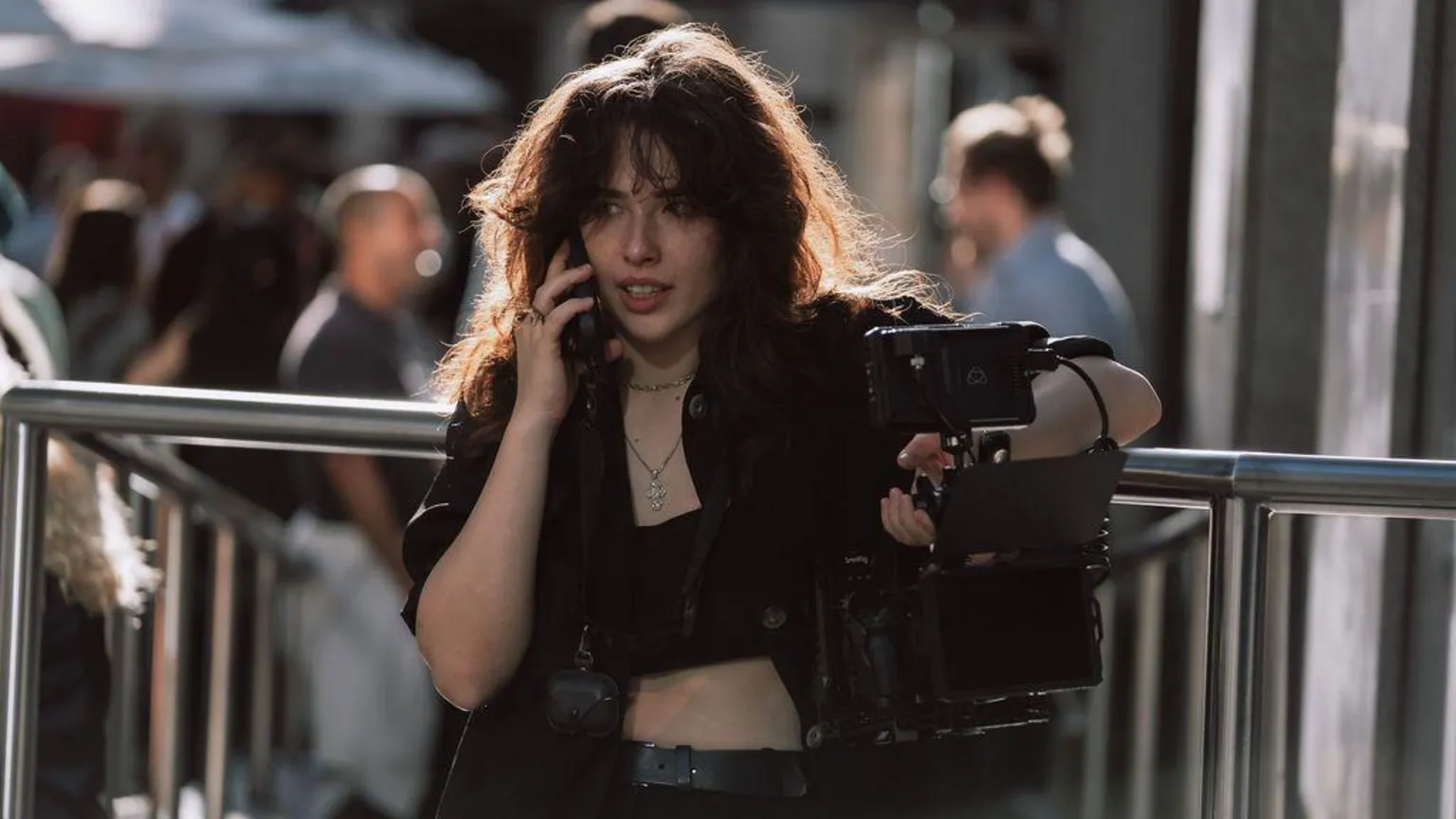
Videographer Violetta Coretnic, co-founder of content creation agency We Stream, explains to Newsbeat that the growing interest in livestreaming is likely driven by "revenue and visibility" needs, as artists and labels strive to "create a buzz."
"They need to be on TikTok, Instagram, YouTube, everywhere they can possibly be as much as possible because this is how they create this affection from the fans,"she says.
"Because it's not only 'Oh, I like the song', it's also 'I like the character, I like how they move, I like how they look, how fit they are and what journey they have'."
This emphasis on visibility and providing multiple avenues for fan engagement is evident throughout the music industry.
Supporting Live Music and Emerging Artists
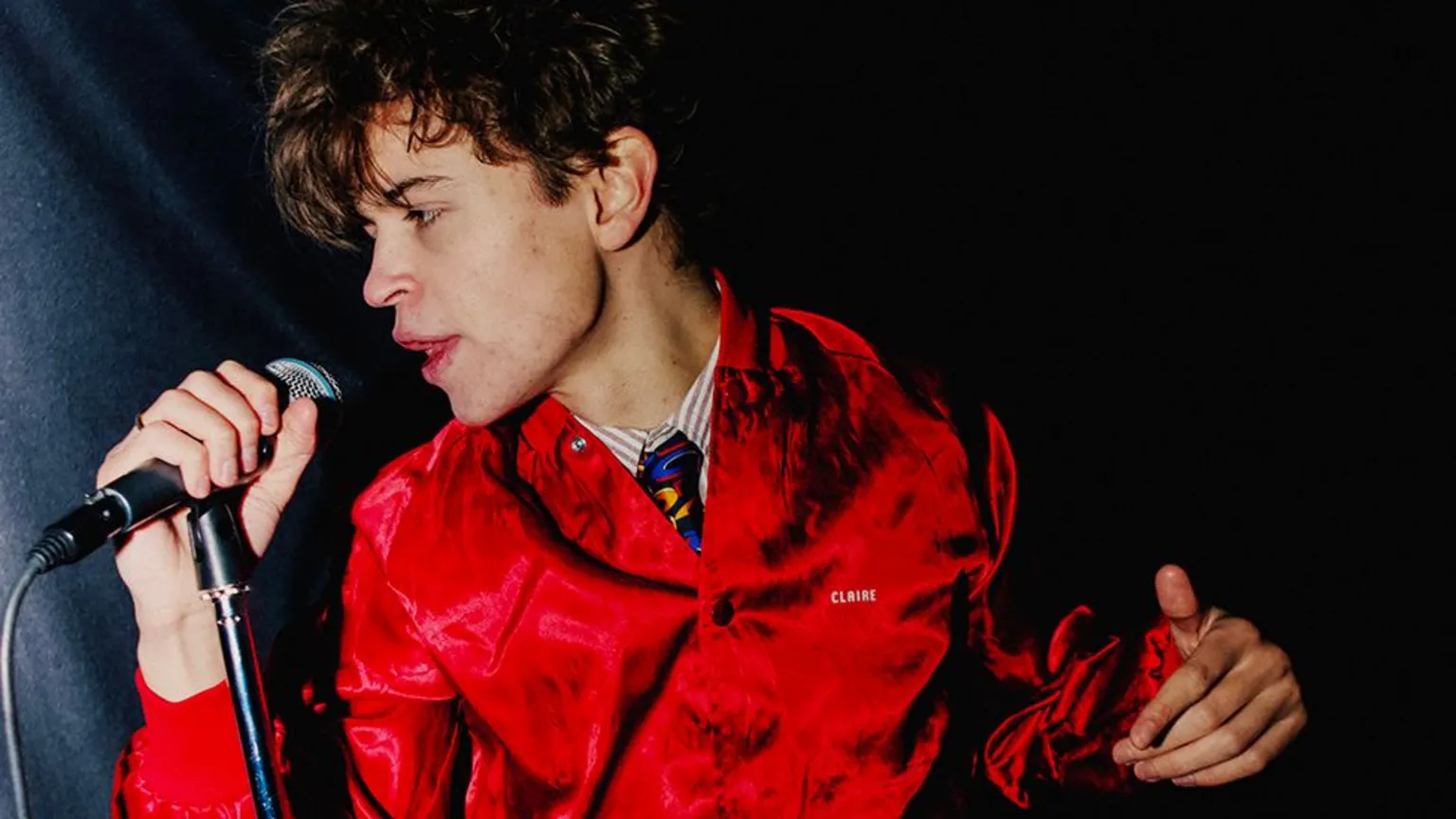
Emerging musician Tom A Smith shares with Newsbeat his appreciation for large concert films, which offer insight into performance for fellow artists.
However, the 22-year-old from Sunderland prefers that audiences invest their time and money in supporting independent musicians performing at grassroots venues.
"That's what makes music really special and important to people, its that connective experience you can have just seeing your favourite artists or a new band in front of you for the first time,"he explains.
While Tom believes live music will endure as it remains the "most exciting part of it" for many musicians, he acknowledges the increasing digital shift.
"Sometimes it is quite scary as an artist to see that's the way things are going,"he says.
"There's a lot of AI-generated music about now as well and I think the art is sometimes disappearing a bit.
"But it's our job as new musicians to make sure we keep those new venues going and keep those opportunities to see live music around the corner from your house going."
Conclusion
The landscape of live music consumption is evolving, with concert films and livestreamed performances offering new ways for fans to engage with their favourite artists. While these formats provide accessibility and additional revenue streams, concerns remain regarding cost and the preservation of intimate, in-person music experiences.
Listeners can tune in to Newsbeat live at 12:45 and 17:45 on weekdays or listen back online.



