
Introduction to Culver Hole
Culver Hole is situated on the west side of Port Eynon Point, nestled within the cliffs along a picturesque stretch of Wales' coastline. This site has intrigued historians for many years and has been the subject of numerous tales involving pirates and smuggling activities.
Helen Nicholas recalls her first visit to Culver Hole at the age of six when her father took her on an adventurous climb "over the cliff" to explore the cave. Upon rounding the corner, they encountered a 60-foot stone wall featuring irregular windows, which captivated her imagination. She described it as "a castle in the rock" and was immediately fascinated by the sight.
Debate Over Culver Hole's Purpose
The structure is commonly believed to be a dovecot, primarily due to the presence of internal ledges. However, Ruth Ridge, a volunteer with the Gower Society and the National Trust, has expressed skepticism about this interpretation, questioning the rationale behind constructing a pigeon house in such an inaccessible location.
"We don't know who built it or why."
Helen, now 50 and director of Gower Unearthed, describes the experience of approaching the site as one of exposure and intrigue. She notes,
"You feel exposed before you even step inside, the sea surges below, the air is damp and echoing and, despite the stonework, it never stops feeling like a cave."
She also imagines a scenario of a man on a windy cliff urging his men to smuggle goods away, though she acknowledges,
"The stories tell us there are tunnels, but there's very little evidence of that."
During her initial visit with her father, Helen recalls climbing a rope to enter the building, noting the "slippery dark green algae on the rocks and then the birds suddenly fluttering out." She now recognizes the site as a pigeon habitat, reinforced by the name "culver," an Old English term for pigeon.
"It doesn't necessarily mean or rule out the fact that it was said to have been used by John Lucas, a notorious smuggler,"
she added. John Lucas has been described as a pirate, ungovernable but notably handsome. The smuggling connection is plausible given the area's history, and Lucas is known to have fortified his family residence, Salthouse, possibly as protection due to his involvement in smuggling.
The cave evokes a sense of "Gothic romance," according to Helen.
Questions Raised by Ruth Ridge
Ruth Ridge poses a critical question about the structure's location:
"Why would a dovecot be built in such an inaccessible place?"
She emphasizes that the origins of Culver Hole remain an enigma, stating,
"Yes it's used for birds, but there's still unanswered questions."
She describes the site as a very unusual place that surprises all who see it.
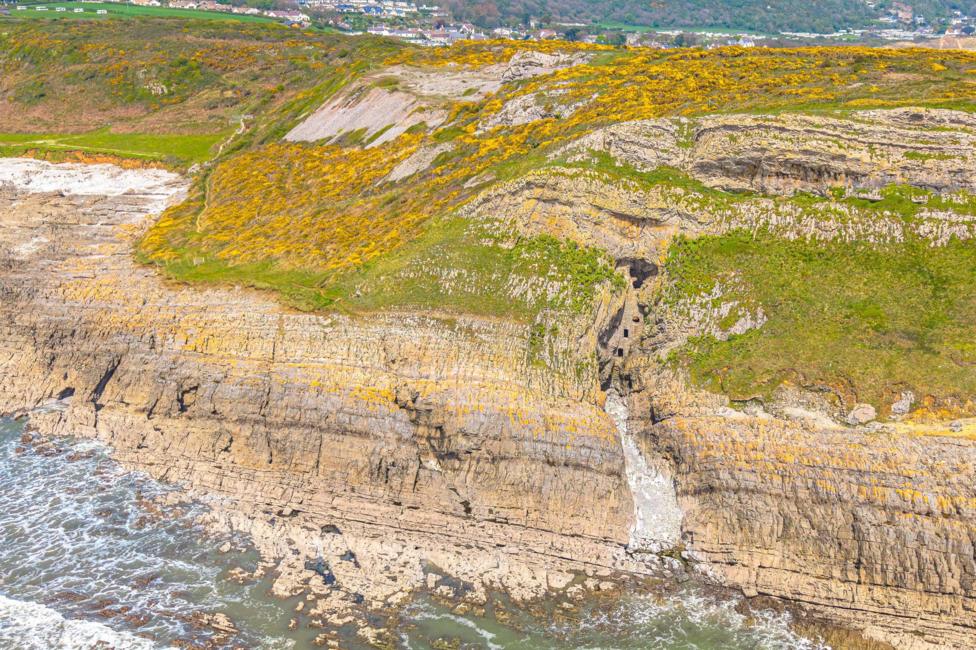
Ruth estimates the structure dates back to the 13th or 14th century. There have been longstanding tales suggesting a castle once existed on the headland, although no physical evidence has been discovered.
After relocating to the area in 1970 with her husband Malcolm and their three children, Ruth became involved with the Gower Society. Upon learning about Culver Hole, they decided to explore it themselves. After navigating a winding coastal path and scrambling over rocks, they encountered the enigmatic structure.
"Somebody went to an awful lot of trouble to build it, because, let's face it, it is not an easy place to get to."
She describes the structure's features, including a large doorway near the base, various oblong openings, and circular apertures.
"The local legend for centuries has always been 'it's a smugglers lair'. It's very nice for local folklore, but I don't think there's any truth in it."
Structural Details and Local Folklore
The mysterious door and windows present a contrast to the dovecot holes found in the building.
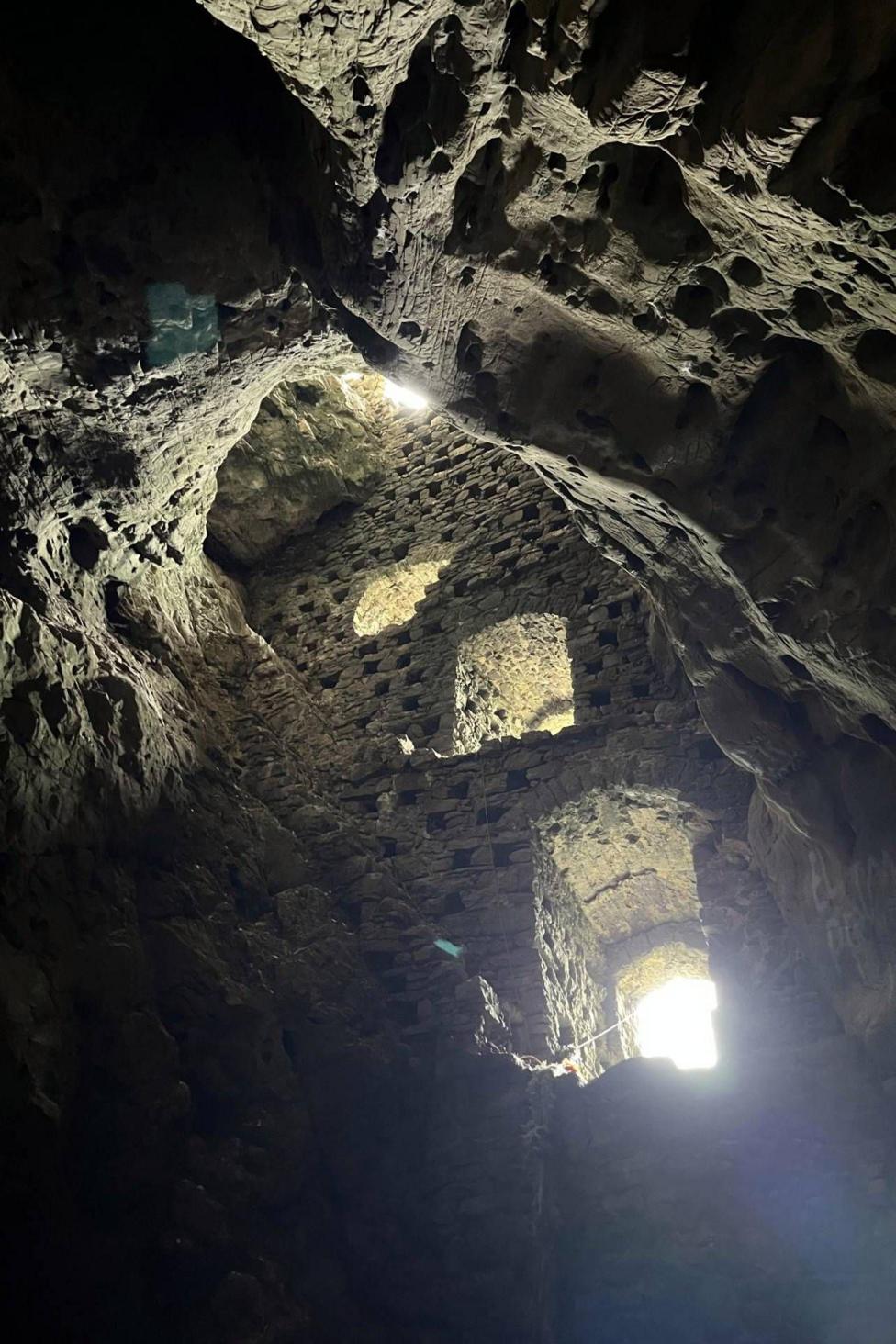
Ruth notes that many castles in the Gower region had their own dovecotes, which provided fresh eggs during winter and spring. She acknowledges the likelihood that John Lucas may have engaged in smuggling, as it was widespread in the area at the time.
"Brandy and lace were being brought in on Gower's coast. We know that there are tales of a large number of smugglers, and people who went wrecking."
She adds that several houses in Rhossilli were constructed from the remains of a shipwrecked boat that had been carrying pitch pine.
Malcolm and Ruth Ridge have dedicated over 50 years to researching the Gower region.
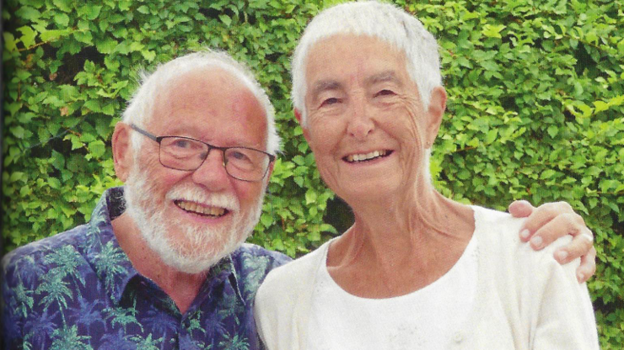
Ruth questions the logic behind building a pigeon house in such an inaccessible and concealed location, hidden from view on the land.
"Most castles would have had dovecots adjacent to their buildings so that it was easy for the cooks to get access to it, unless, of course, they were actually going for rock doves rather than ordinary pigeons."
She remarks that the site is very unusual and may be unique in the UK.
Ongoing Mystery and Construction Details
Culver Hole continues to captivate visitors and researchers alike.
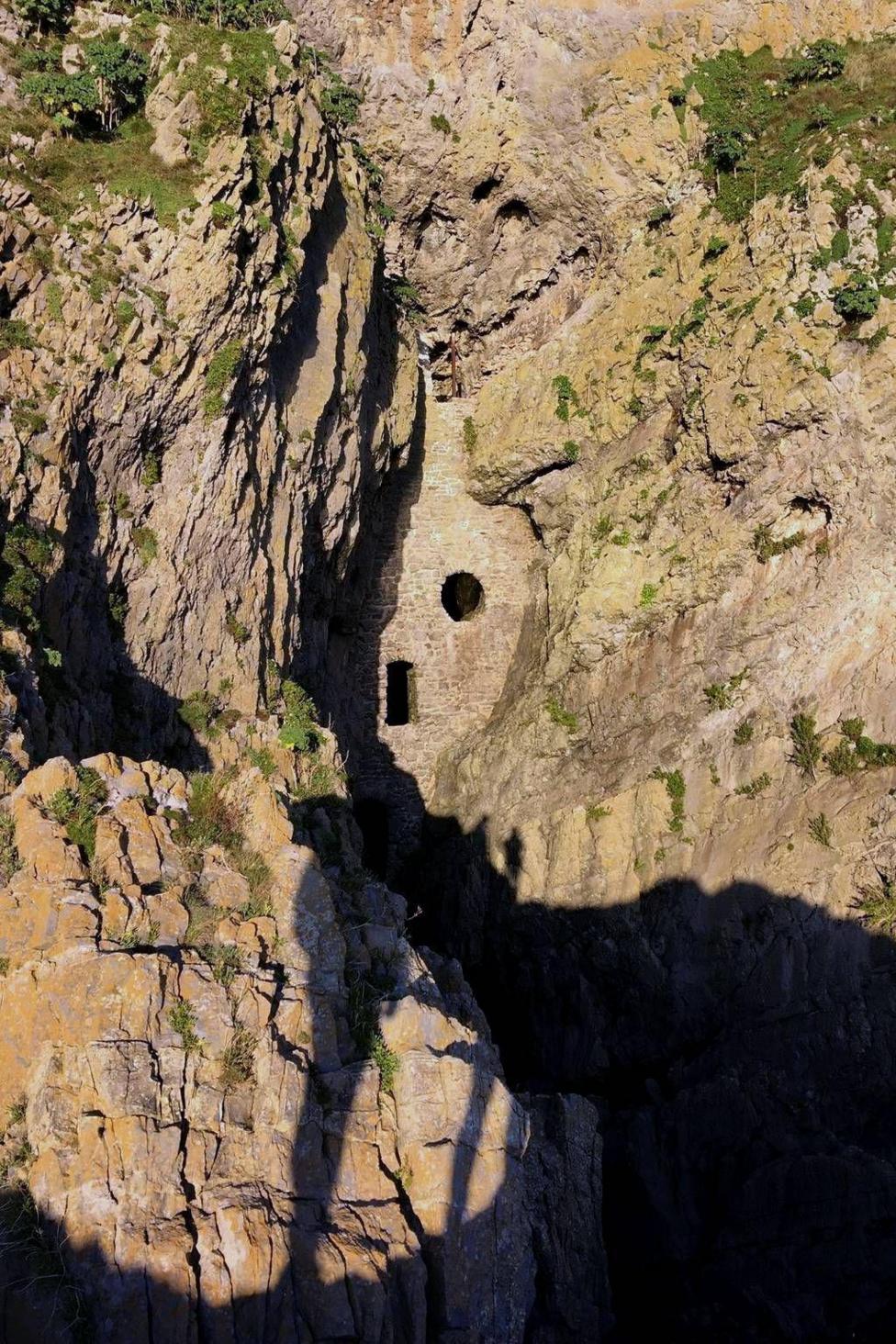
"It still is a mystery. We don't know who built it or why,"
Ruth explains that constructing the site would have been a significant undertaking, especially considering the absence of scaffolding poles at the time.
"You’ll see some attention to detail has been put into its making,"
she observes, noting the careful brickwork framing the tops of the windows.
"Even the bits above the rectangles, the bricks have been caught, have been cut to frame the top of the windows. It makes me think it was there for more than just pigeons."


