

Introduction to the New Cape Fear
Javier Bardem delivers an exhilarating performance as he terrorizes everyone in this remake of the classic thriller. The series is a masterclass in tension, featuring sublime directing and a keen understanding of the jump scare’s impact.
“Ever look around and wonder if we deserve all this?”a woman asks, standing by their sprawling mansion’s swimming pool with her handsome, ripped, fellow lawyer husband.
This question sets the tone for the latest screen adaptation of John D MacDonald’s taut psychological thriller, originally published in 1957 as The Executioners. Now adapted for the third time under the title Cape Fear, the story has evolved through its cinematic history. The first film, released in 1962, starred Robert Mitchum as the villain Max Cady and Gregory Peck as lawyer Sam Bowden. Mitchum’s Cady was consumed by an incandescent rage and obsessive desire for vengeance against Bowden, who had successfully prosecuted him for rape.
Martin Scorsese’s 1991 remake featured Nick Nolte as Bowden and a terrifying Robert De Niro as Cady. This version introduced more moral ambiguity but maintained the core conflict between good and very evil, as Cady sought to destroy Bowden’s life and family by any means.
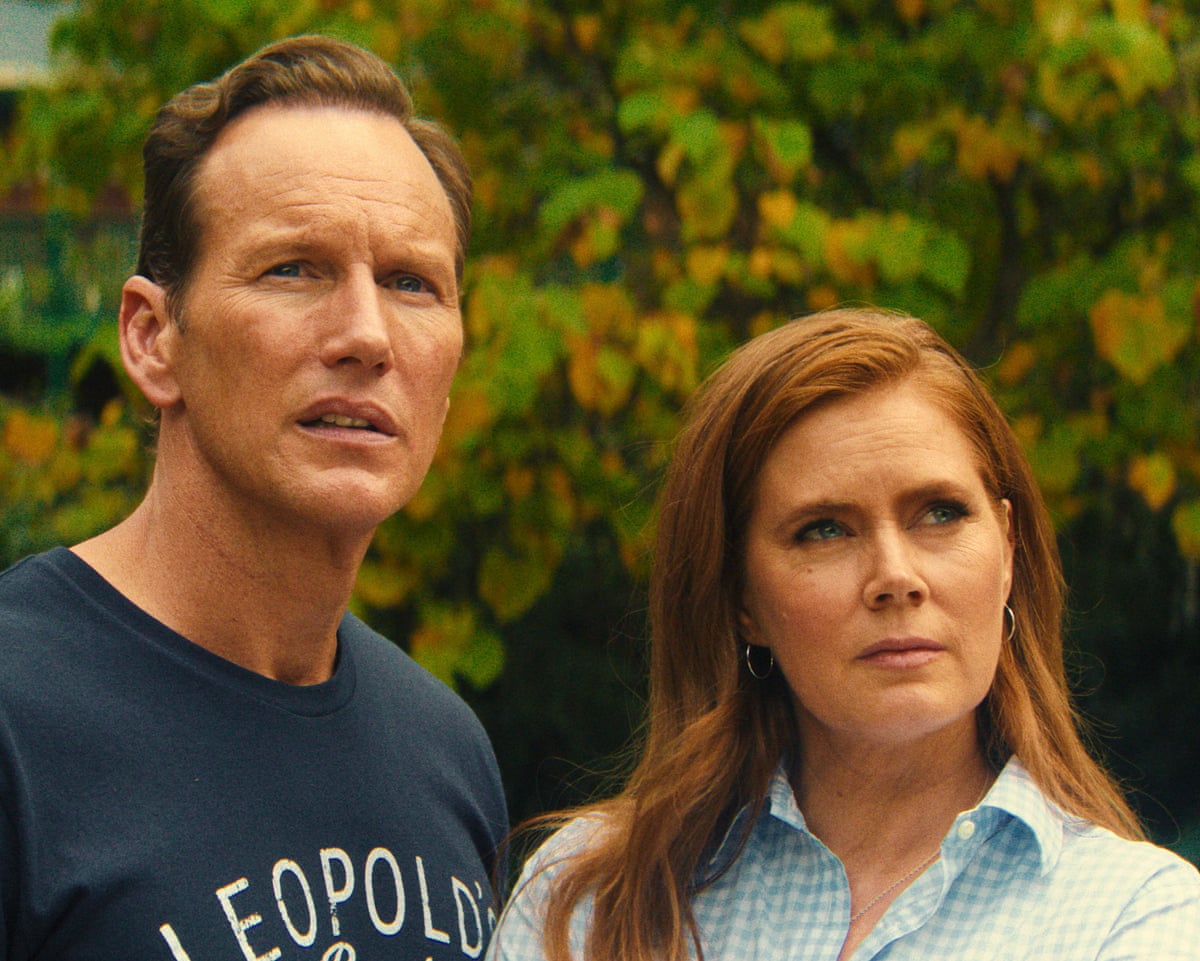
Today, societal complexities have deepened, and the new 10-part series created by Nick Antosca reflects these changes by exploring modern fears, weaknesses, and pressures. The series stars Amy Adams and Patrick Wilson as lawyers Anna and Tom Bowden, with Javier Bardem embodying Max Cady in what is likely to become the definitive portrayal. Bardem’s performance is genuinely charming, convincing, occasionally sympathetic, and terrifying—making De Niro’s version seem almost diminutive, yet never slipping into caricature.

Plot and Character Dynamics
This iteration of Max Cady was sentenced to life imprisonment for killing his wife after his lawyer, Anna, advised him to plead guilty in hopes of a lighter sentence—a strategy that ultimately failed. Subsequently, Anna married Tom, the prosecutor who had secured Cady’s conviction. Seventeen years later, Cady is exonerated by new evidence and released. Anna remains convinced of his guilt, and questions arise about whether she or the couple played a role in ensuring his conviction. Their coded conversations, overheard by their daughter Natalie (Lily Collias), who was unborn during the trial, hint at darker secrets entwined within the family’s history. Tom’s microdosing habit appears minor compared to these hidden truths.
The Bowden family’s gradual unraveling begins subtly: a family of skunks drowned in their pool, their cat wandering vulnerably, and intruder alarms triggering at night. The stakes escalate as their son Danny (Ryan Anthony Holcomb) proves vulnerable. The deaths of Anna’s former charity client and his mother add to the mounting tension. Natalie forms a close, possibly intimate, relationship with a girl whose ability to terrify her own mother suggests further twists ahead. The series also honors its predecessors by featuring actors from earlier versions in unexpected roles and reinterpreting iconic scenes from 1962 and 1991, enhancing the sense of disorientation and unpredictability.
Direction and Themes
The direction is impeccable, with Antosca openly expressing gratitude for Scorsese’s executive production role, alongside Steven Spielberg, acknowledging their influence on the story’s execution.
This series is a masterclass in building tension, pushing the narrative to the edge of believability without crossing it. It consistently employs jump scares with remarkable effectiveness. Moreover, the new Cape Fear integrates contemporary issues seamlessly, addressing AI, catfishing, cancel culture, online rumors, and the erosion of trust in institutions once considered protective. It explores the growing detachment from reality and the consequences when the family unit—the last sanctuary of safety—is threatened.
If you don’t need your own microdosing habit by the third episode, you are Max Cady and I am running far, far away.
Cape Fear premieres on Apple TV on 5 June.


