Exploring the Essence of Portraiture
What defines a portrait? At its most basic, it may be seen as an attempt to depict oneself or another individual through painting. Yet, works such as German expressionist Max Beckmann’s The Beginning, a triptych portraying scenes from his childhood, or Cuban artist Wifredo Lam’s Ídolo, a complex composition centered on the goddess Oyá, challenge this notion. These pieces, grounded more in memory and mythology than mere physical likeness, expand the boundaries of what constitutes a portrait.
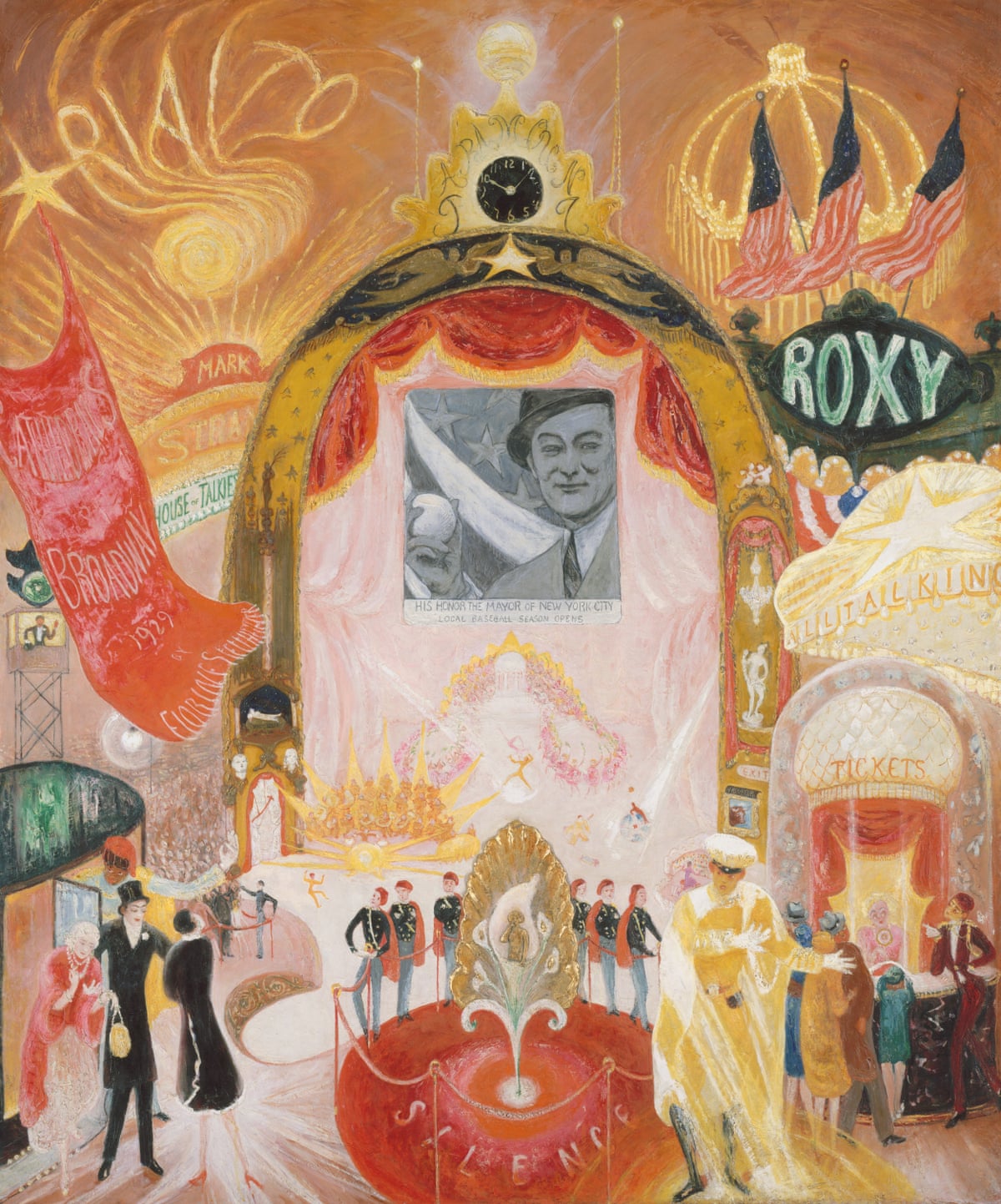
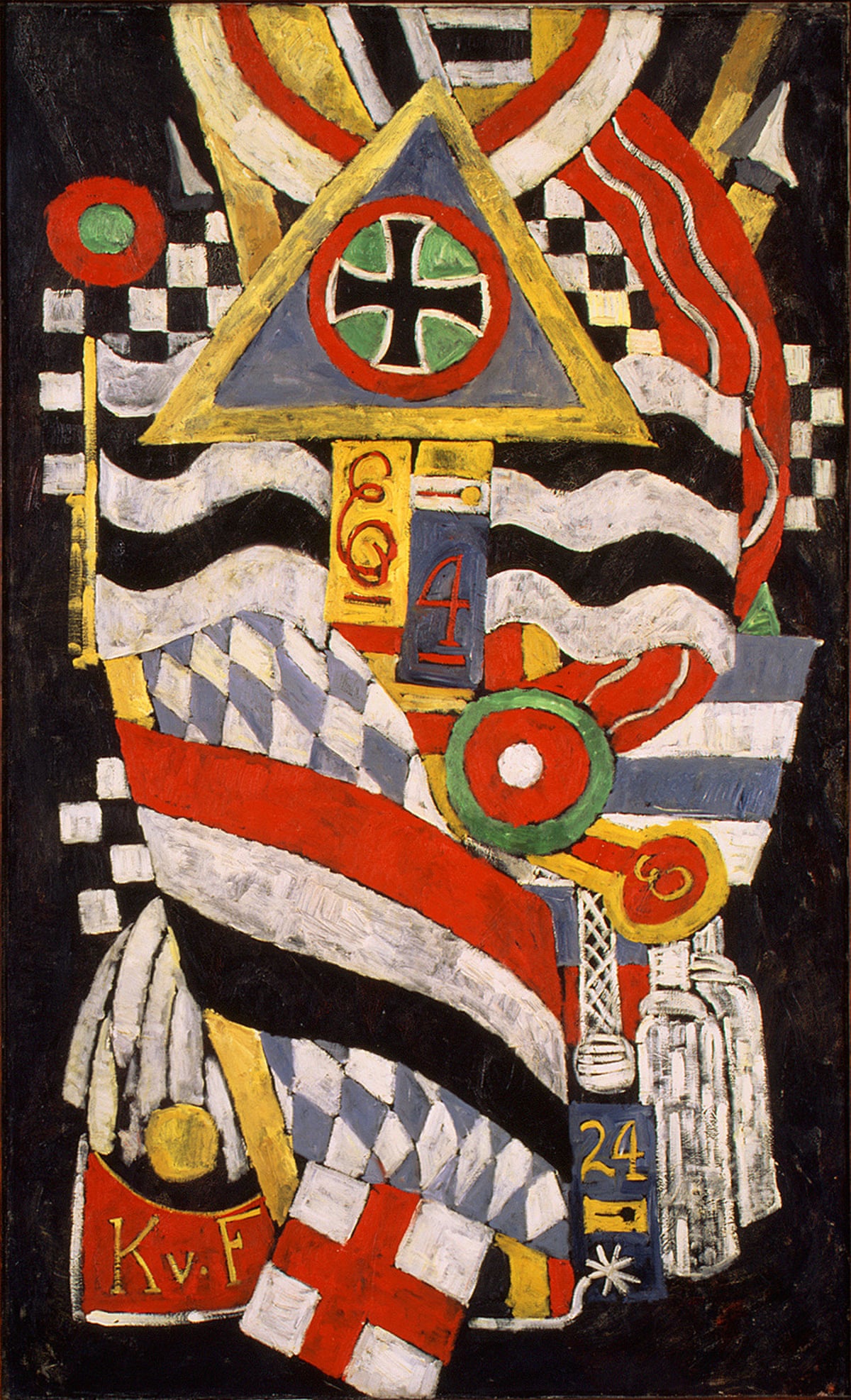
Alongside Beckmann’s and Lam’s works, the exhibition includes cubist abstractions, an ornate hand mirror, and one of Joan Miró’s “painting-poetry” pieces. These are all presented as portraits within The Metropolitan Museum of Art’s new exhibition, The Face of Modern Life, which features nearly 80 works from the museum’s permanent collection. This vibrant and diverse selection offers visitors insight into the museum’s extensive archives and invites reflection on the elusive nature of portraiture.
Curatorial Perspective on Portraiture
Stephanie D’Alessandro, the exhibition’s curator, adopts a broad interpretation of portraiture, examining how its meaning has evolved across periods and varies according to the artist’s approach. The exhibition probes the boundary between subject and artist. In a video interview, D’Alessandro reflected,
“People often assume the portrait of someone resembles them, but what is it that resembles them? Is it the physical look? Is it something else? And what of the artist gets injected into that?”
Iconic Works and Literary Connections
Visitors encounter Pablo Picasso’s renowned portrait of Gertrude Stein at the exhibition’s entrance. This work redefined female portraiture and marked a turning point toward cubism for Picasso. Stein famously remarked about the painting,
“It is I, and it is the only reproduction of me which is always I.”
During its creation, Picasso reportedly said,
“I can’t see you any longer when I look,”
choosing to obscure Stein’s face rather than continue painting her. Months later, he completed the portrait from memory, producing one of the most recognizable faces in Western art. D’Alessandro commented,
“It’s that grappling with resemblance, how do I make this thing familiar to me?”
Picasso’s portrait is accompanied by an excerpt from Stein’s 1923 poem If I Told Him, A Completed Portrait of Picasso, one of four poetic works featured throughout the exhibition. Stein’s poem questions the nature of likeness, playing with the words “exact” and “resemblance” before concluding that a portrait adheres to its own logic:
“Exact resemblance to exact resemblance the exact resemblance as exact as a resemblance, exactly as resembling, exactly resembling, exactly in resemblance exactly a resemblance, exactly and resemblance. For this is so. Because.”
New Acquisitions and Cultural Depth
Among the exhibition’s highlights is Ídolo by Wifredo Lam, a recent addition to The Met’s collection. The painting reflects Lam’s understanding of Santería, a Cuban religion blending Yoruba traditions with Catholicism. It depicts the Yoruba goddess Oyá in a transitional state between human and animal forms.

D’Alessandro explained,
“The way he painted the work, the media is kind of dripping, as if the painting itself is coming into being at the same time as she’s transitioning from one state into another.”
Another notable acquisition is Francis Picabia’s Elegance, a striking portrait of a woman with a parasol that reveals the artist’s dadaist influences. This piece is paired with poet Wallace Stevens’ Thirteen Ways of Looking at a Blackbird, whose lines resonate with Picabia’s enigmatic figure:
“I do not know which to prefer / The beauty of inflections / Or the beauty of innuendoes / The blackbird whistling / Or just after.”
D’Alessandro remarked,
“It’s really about human presence, the drive to connect, proxies or allusions to existence. Even works that don’t feel like portraits or don’t look like portraits can function as a kind of portrait, a kind of record.”
Abstract and Emotional Interpretations
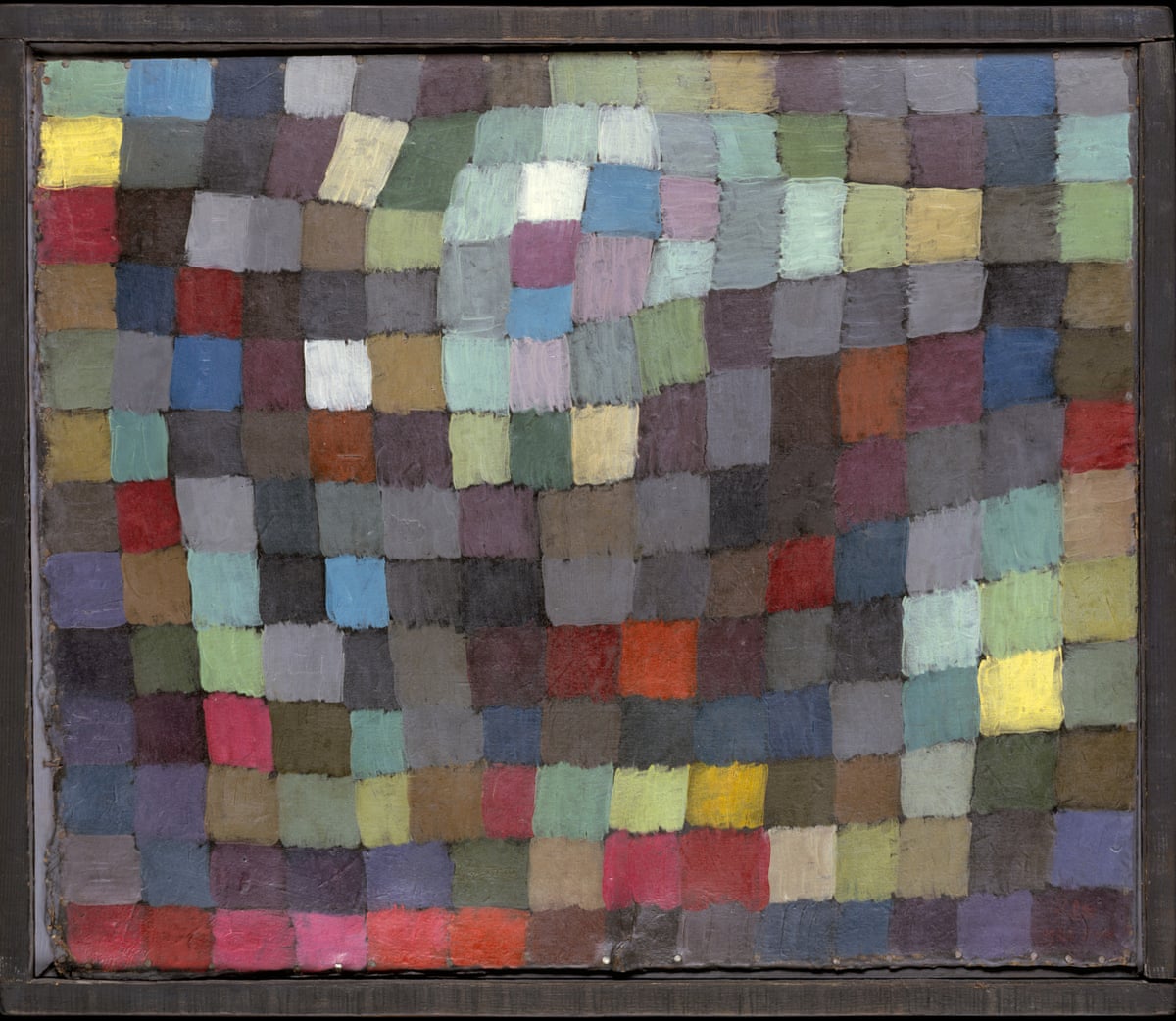
The exhibition also presents works that transcend traditional likeness, focusing instead on impressions shaped by experience and emotion. Included are Paul Klee’s May Picture and Vasily Kandinsky’s Improvisation 27 (Garden of Love II). Inspired by a garden, Klee’s painting features an array of soft-colored squares, while Kandinsky’s work suggests a central sun and several human figures rendered nearly illegible.
D’Alessandro noted,
“The Klee and the Kandinsky are paintings what we could easily call abstract compositions, not portraits in a traditional way but direct aesthetic experiences. In Kandinsky’s case, it’s all the senses working together, a kind of record of an experience.”
Timeless Concerns and Contemporary Parallels
D’Alessandro emphasized that while artistic techniques and philosophies evolve, the core concerns of portraiture remain constant. Portraiture seeks to look beyond surface appearances and technological mediation to perceive deeper truths. She observed,
“The things that we grapple with today – like virtual reality or phones – are technologies that make us see and not see things. These things have parallels with an earlier time. It’s a kind of reconnecting with the past and seeing that all is not always new.”
She also highlighted portraiture’s role in fulfilling the human desire to connect, quoting E.M. Forster’s notion of bridging internal and external worlds. The works in The Face of Modern Life exemplify the myriad ways artists have sought to achieve this connection.
“There’s something in that human drive that connects us the whole time. There are deeper stories, there are different reasons that things happen. If we take the time to look into a portrait, we can understand something far beyond the subject.”
The Face of Modern Life: Modern Portraits at The Met is currently on display at The Metropolitan Museum of Art in New York.