Concerns Over Impact of Violence on Tourism in Belfast
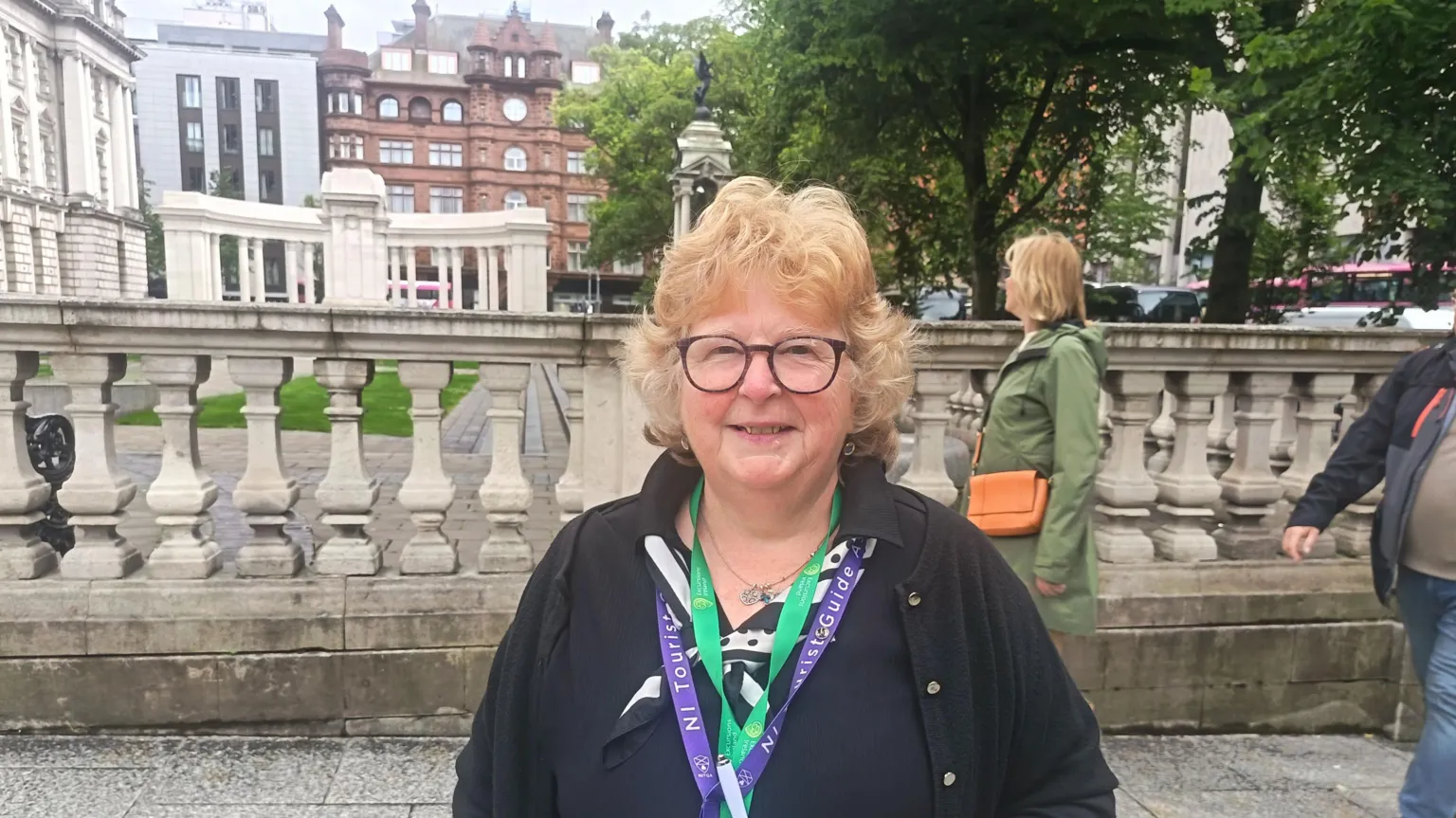
In Belfast City Centre, following several nights of rioting and violence in parts of Northern Ireland, a tour guide revealed that she and the tourists she accompanies remain somewhat uneasy.
"We're having to change our route around the city as we're getting information about people gathering on street corners,"Fiona told NI last Thursday at Belfast City Hall, one of her main stops.
The day before, after violence erupted in east Belfast a few miles away, she advised a group to return to their cruise ship.
"Some of them were OK about it, some of them said they would never, ever come back,"she said.
"I think it will have an impact, because it's being beamed all over the world and it's a negative view of Belfast.
There's so many cruise ships coming in now - this could put them off coming here."
Those reliant on tourism to sustain pubs, restaurants, hotels, and attractions now express concern.
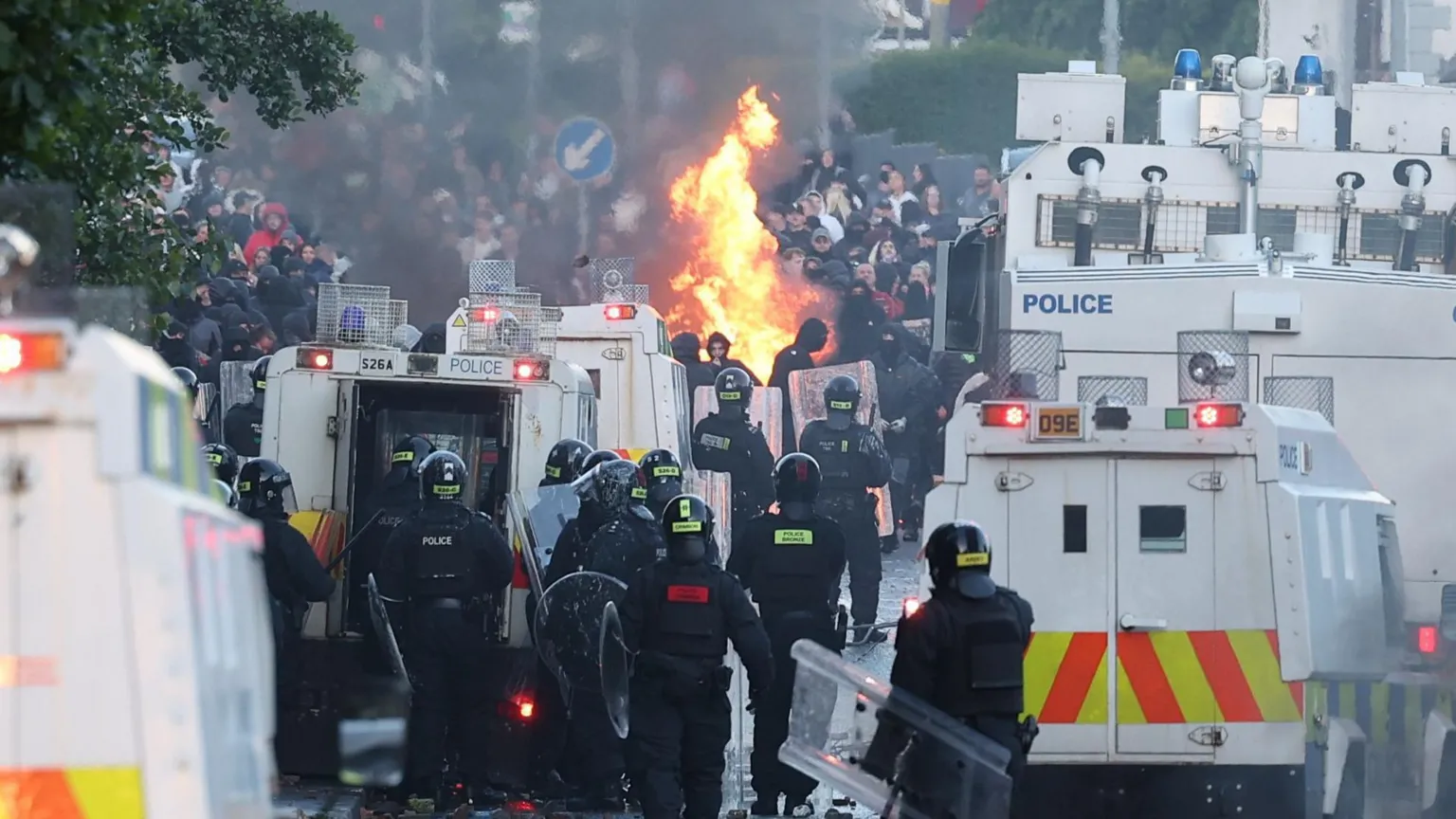
The scenes of violence and disorder in Northern Ireland last week—images broadcast globally—had an immediate effect.
Businesses closed early; public transport was halted; tourists were seen wandering a near-empty city.
Officials are now considering the potential long-term damage caused by the unrest, which Health Minister Mike Nesbitt described as a "stain on Northern Ireland's reputation."
Tourism Data in Northern Ireland
The recent violence marks the third consecutive summer with street disturbances linked to anti-immigration protests in Northern Ireland.
Despite this, the tourism sector showed "promising growth" in 2025 following a "sharp decline" the previous year, according to Northern Ireland's Statistics and Research Agency.
Tourists spent approximately £1.2 billion during 5.1 million overnight trips in Northern Ireland in 2025.
These figures represent a 9% increase in both overnight trips and tourist spending.
Visits from the Republic of Ireland market performed best, with overnight trips increasing by 15% compared to 2024.
Locals in Belfast observe this growth firsthand, with coachloads of tourists from Europe, North America, and beyond becoming common sights.
The city has evolved into a popular cruise ship destination, moving beyond its former reputation as a no-go area during the Troubles.
It is difficult to directly correlate data rises or falls with episodes of street disorder.
However, scenes of clashes with police, houses set ablaze, and people fleeing—reminiscent of the Troubles—have raised concerns that some tourists may choose alternative destinations.
Industry Perspectives
Brona Moffett, interim chief executive of the Northern Ireland Tourism Alliance, acknowledged the link between unrest and consumer sentiment regarding travel to Northern Ireland.
"The sector has demonstrated remarkable resilience through many challenges over the years.
While we recognise the concerns these events have created, we remain confident in the strength of our industry and the warm welcome for which Northern Ireland is renowned."
She added:
"In August 2026, we will welcome the Fleadh Cheoil na hEireann 2026 with approximately 800,000 visitors to the city, further reinforcing that Belfast and all Northern Ireland's tourism industry continues to welcome visitors from around the world – we have proven this consistently over the last two decades."

A spokesperson for Tourism Northern Ireland stated that while recent disorder "caused disruption in confined areas, the vast majority of tourism and visitor experiences continued to operate as normal."
The Northern Ireland Hotels Federation also confirmed that "the vast majority of destinations, tourism businesses and accommodation providers across Northern Ireland continue to operate as normal."
The spokesperson added:
"At present, there is no evidence of any widespread disruption to hotel operations, and businesses remain focused on providing a welcoming and secure experience for all visitors."
However, Tina McKenzie from the Federation of Small Businesses remarked that Northern Ireland has worked hard to improve its reputation, society, and economy.
"These are not the scenes we need going out around the world,"she said.
Tourists' Views in Belfast
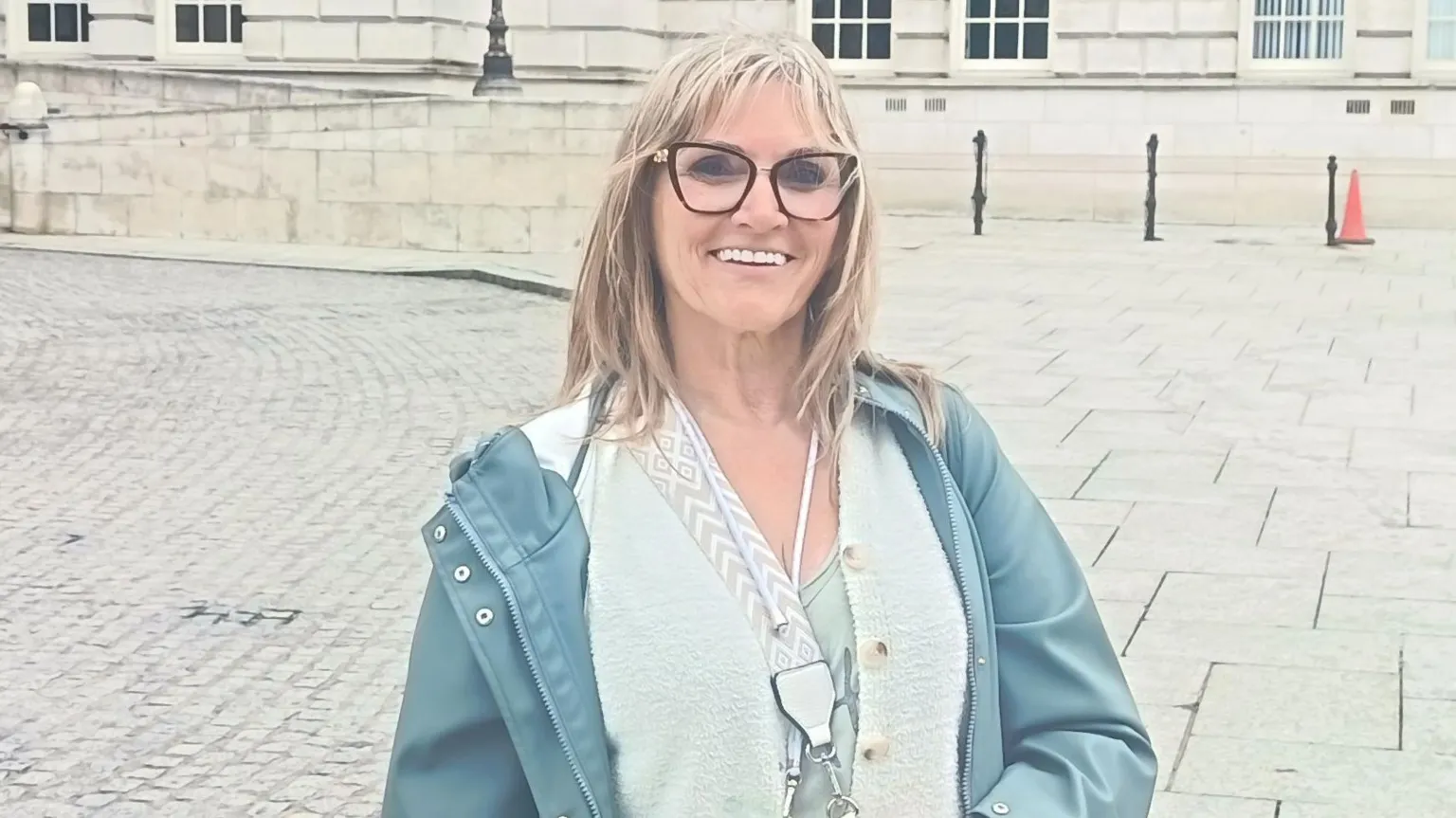
Gerd Bloaman, a tour guide from Belgium accompanying a large group from her country, admitted they were "a little worried" after seeing the news.
"I looked it up - where the trouble was - and I told my people if it was really risky we would cancel the free time and go directly to the hotel, but it seems to be OK."
She said she would still recommend Northern Ireland as a travel destination.
"It's a beautiful place, I like it a lot, I like the Irish people, they're very friendly, so I think it's OK,"she said.
John and Emily, visitors from Leicestershire, had been staying near the Mourne Mountains in County Down before traveling to Belfast.
"We were in Mexico when the El Mencho thing [violence after a cartel leader was killed] happened, so we seem to attract it,"John said.
"But again that was nowhere near us - it's like anywhere, if you're in the vicinity and it's local then I guess it could be a concern, but there's lots of things going on around you all the time which you can be oblivious to."
Emily noted the main disruption they experienced was to public transport.
"And I guess we'd have liked to go out last night to a bar or whatever, but they're all closed,"she added.
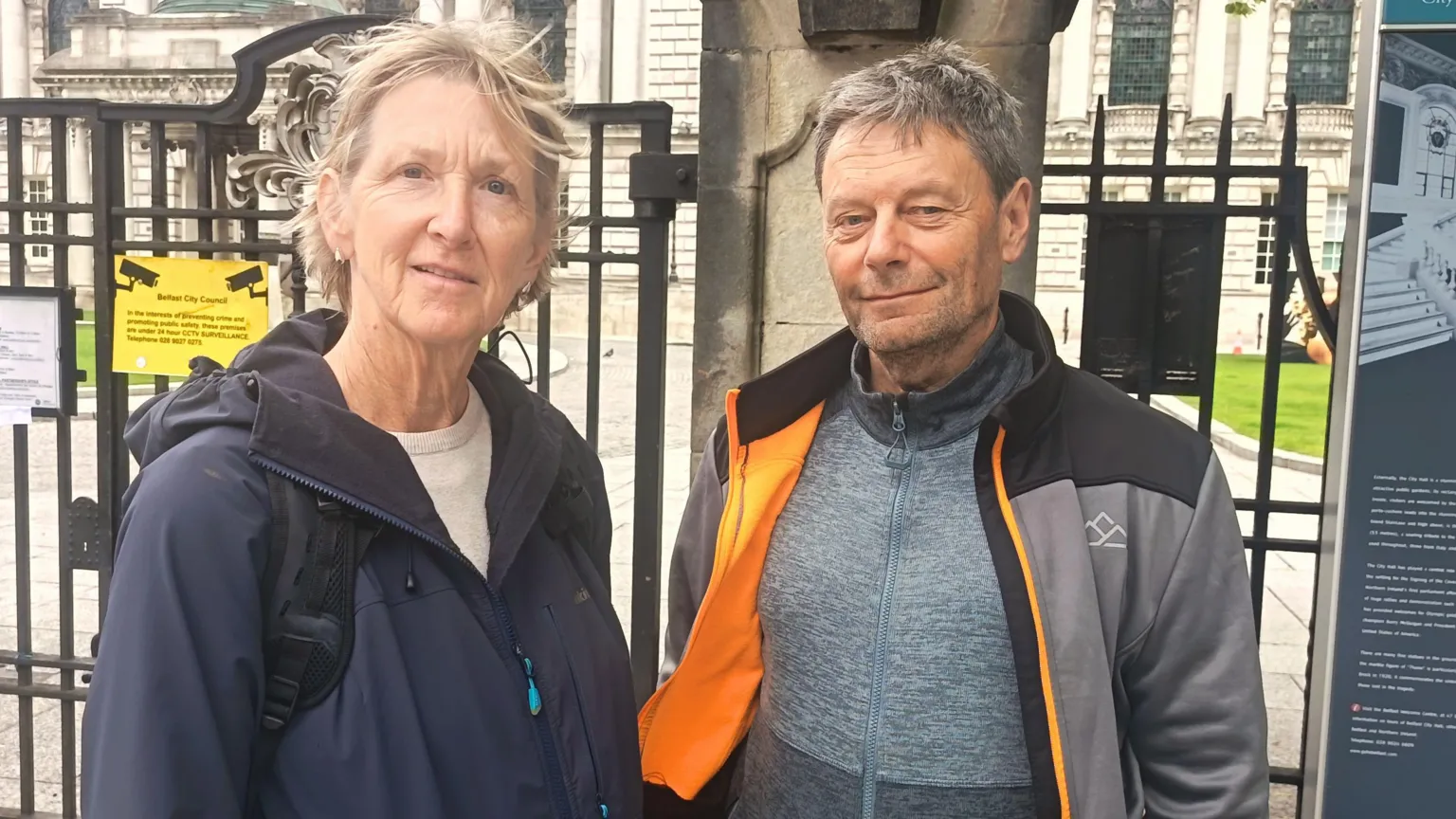
Albrarro, from Spain, said he and his friends are monitoring the news and taking precautions to avoid conflict.
"Our host told us that where we are living now there is no problem, no incidents, so we feel safe at least at this point."
When asked if he would recommend Northern Ireland to people back home, he said:
"I would say yes, but probably look at the news and try to see where are you going and try to avoid problems."
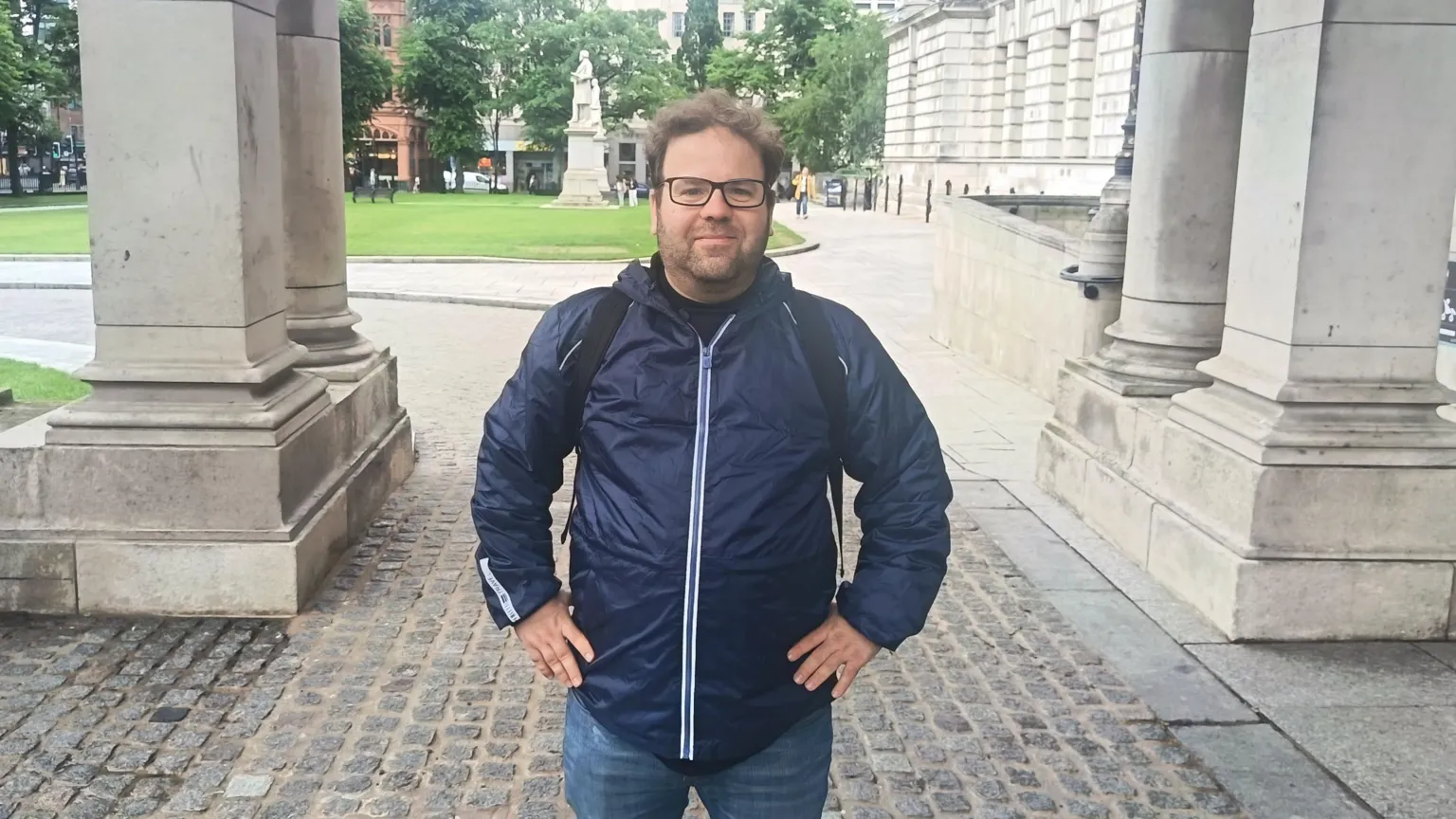
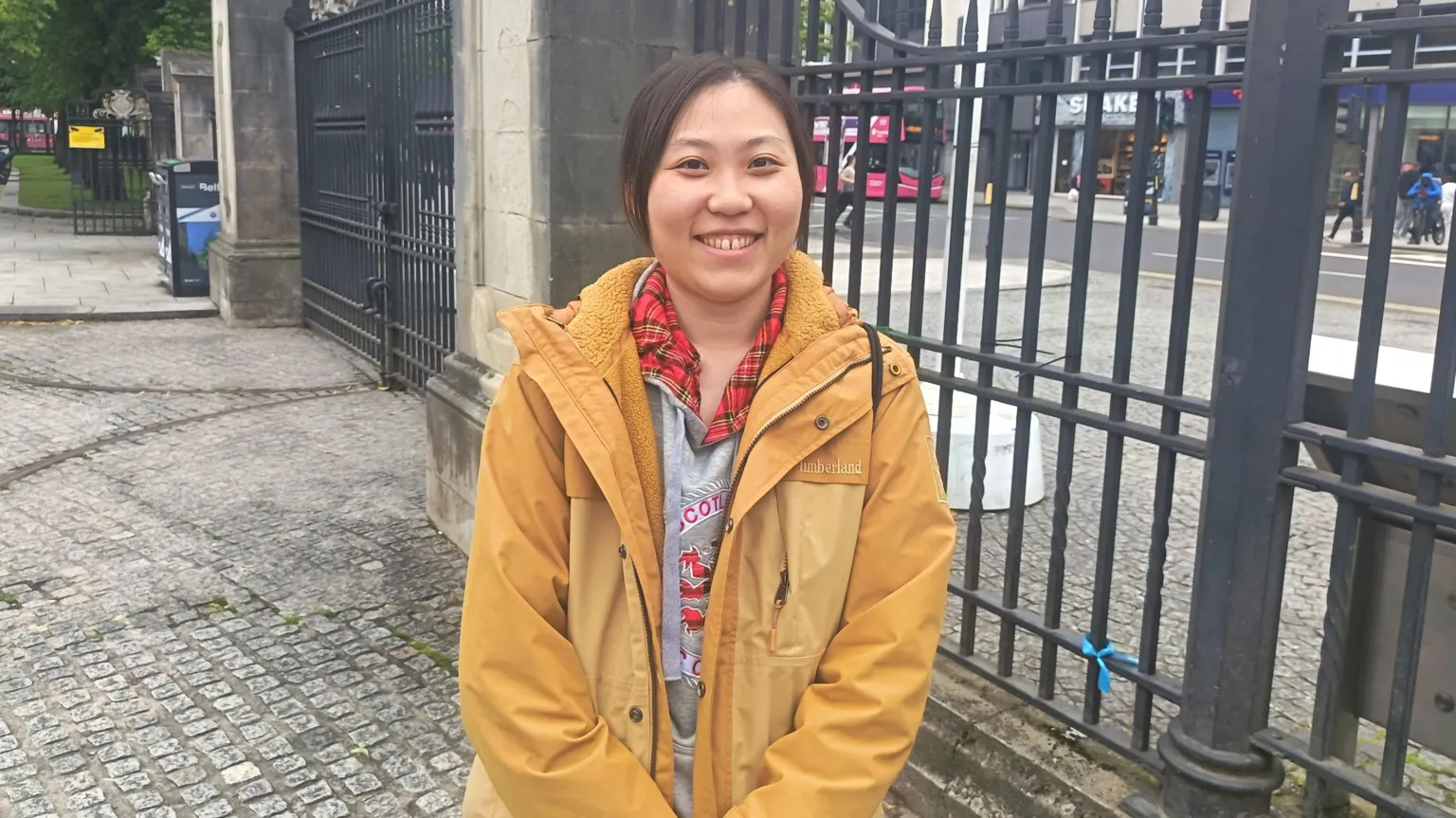
Skylar, visiting from Taiwan, was on her first day in Northern Ireland.
"We're just a little bit concerned about if we get home too late,"she said.
"I think it's still OK, it's still safe to travel here - I still had a good time today."