

Holiday Bookings Impacted by Global and Economic Concerns
Holiday bookings for early summer have declined due to uncertainty surrounding the war in the Middle East and the rising cost of living, the UK travel industry has warned.
Mark Tanzer, chief executive of the UK travel association Abta, stated that although there remains a desire among people to travel, the industry is preparing for a challenging summer season.
“There is evidence from our research that apprehension generally, and the rising cost of living here, are dampening early-season booking levels,”
he said during the organisation’s annual Travel Matters conference in London.
Consumers are increasingly postponing their holiday bookings to later in the year due to concerns about the ongoing conflict in the Middle East. The war has caused a surge in global oil prices, which has in turn led to even sharper increases in fuel costs and contributed to inflationary pressures. Despite these challenges, a significant number of flights have been scheduled for the lucrative summer holiday period, alleviating some fears of reduced availability.
EU Entry/Exit System Adds to Travel Challenges
Tanzer highlighted that the introduction of the new EU entry/exit system (EES), which has resulted in long queues at several major European airports, may also suppress travel demand. This system requires passengers from non-EU countries to submit personal data and biometric information upon entry and exit.
“The rollout of the EU entry/exit system … is creating an unhelpful, and potentially damaging, backdrop for summer travel to EU destinations,”
he explained.
“There clearly are some hotspots, and we urge destinations to use the contingency flexibility allowed under the regulation to suspend the biometric registration where queues are unacceptably long.”
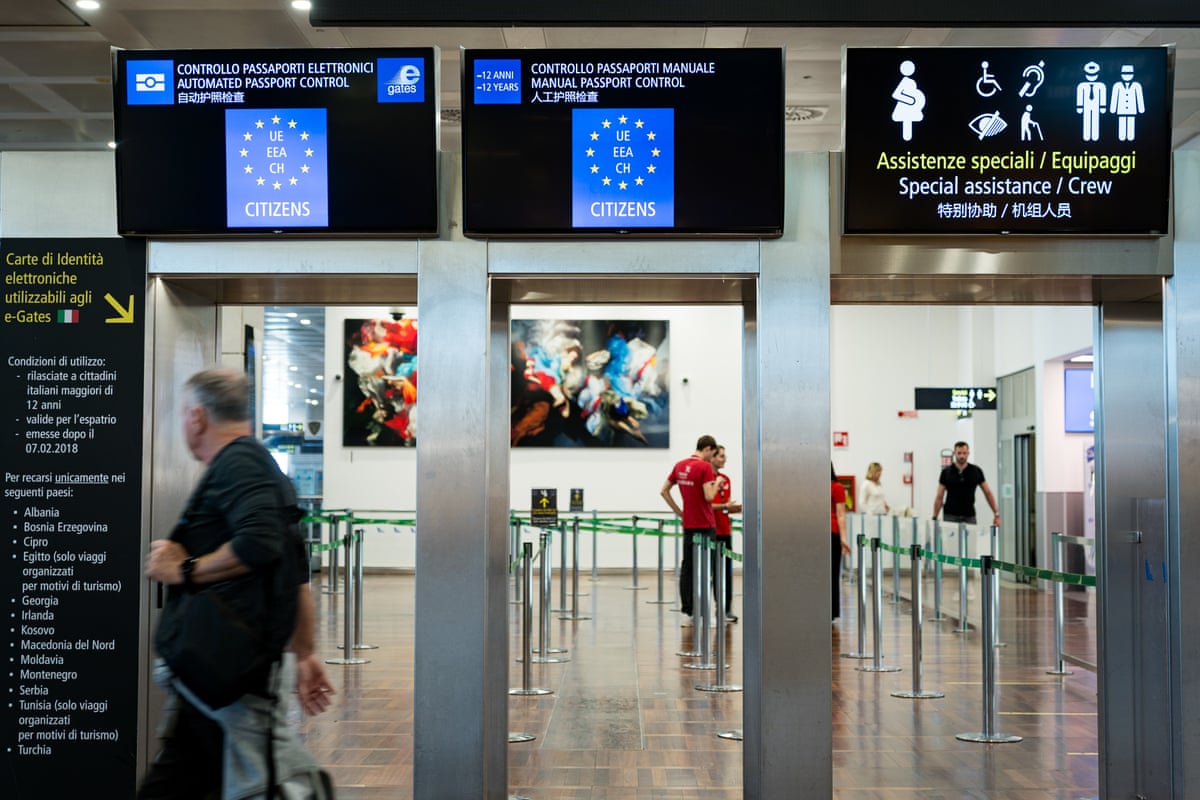
In May, French police took measures to manage queues caused by the new system. Meanwhile, Olga Kefalogianni, the Greek tourism minister, informed the BBC that Greece would suspend biometric checks for British travellers until September to avoid disruptions during the summer peak.

Uku Särekanno, a director at Frontex, the European border and coastguard agency, noted that it may take “one or two years” for the EES to stabilise as travellers become accustomed to the process and can later use expedited checks.
Industry Outlook Amid Uncertainty
The warning from Abta comes at a time when airlines and holiday operators face an uncertain summer, which is the most critical period for profitability in the travel sector.
Shaun Morton, chief executive of the holiday operator On the Beach, also addressed the Abta conference, noting that while bookings are occurring, the trend toward shorter booking lead times increases uncertainty and complicates planning.
“We have a price-sensitive and uncertain consumer who was already booking on a later booking curve, who is now also concerned about coming out of this war – more inflation, fuel shortages and fuel surcharges,”
he said.
Despite these challenges, Morton remains optimistic about overall growth in the summer travel market this year.
“This late loop will eventually reverse when the conditions allow it to,”
he stated.
“This is cyclical … where people do miss out on their holiday this year, I’m sure they will make sure they don’t miss out on it next year.”
Shares in On the Beach have declined by 30% this year, including a significant drop last month when the company issued a warning that holidaymakers are booking later than usual.


