

Williams Returns to Wimbledon Practice After Four Years
At the southernmost point of the All England Lawn Tennis Club’s expansive grounds, Serena Williams was beginning another day of training as the countdown to her first singles match after a four-year retirement continued. Her morning practice partner, Marta Kostyuk, joined her on court 10 in Aorangi Park, a quaint practice area reserved exclusively for players.
Kostyuk, known for her extroverted nature and candidness on the tour, was momentarily at a loss for words when Williams greeted her and expressed gratitude for the training session.
“No, thank you for playing with me,”the Ukrainian responded.
This interaction highlights the profound impact Williams has had on tennis. As one of the greatest athletes of all time, her career has influenced nearly every player who followed. Her unparalleled achievements and immense profile have occupied a significant place in the minds of tennis enthusiasts and professionals alike, making it challenging for the sport to move on after her initial retirement. Now, she has returned.
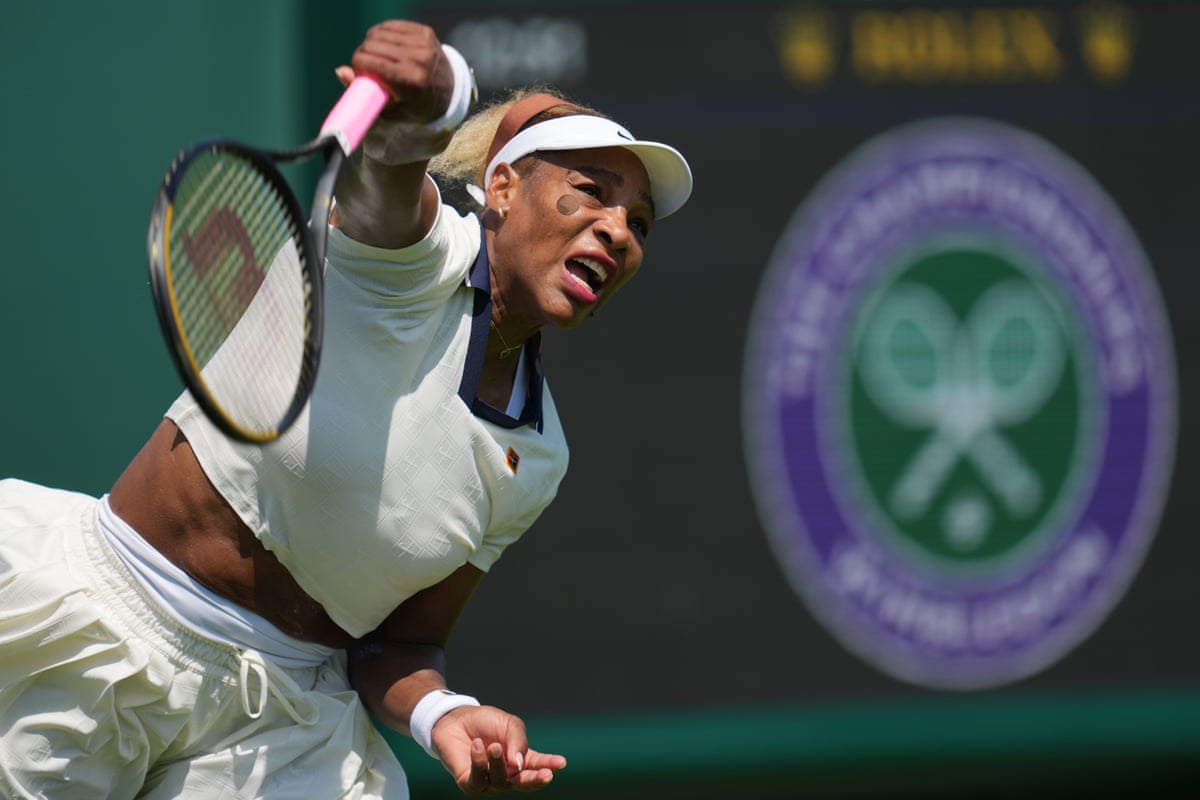
Wildcard Entry Sparks Questions About Williams’s Comeback
The announcement of Williams’s wildcard entry into the women’s singles draw, delivered by the All England Club at nearly the last possible moment on Sunday evening, has generated numerous questions. Despite her extensive accomplishments, the reasons behind Williams’s comeback remain unclear.
Williams has described her return as an opportunity to share her lifelong profession with her children, Olympia and Adira. Olympia accompanied Williams during her practice sessions at Queen’s. Like many elite athletes, Williams likely finds it impossible to replicate the emotions and adrenaline experienced while competing intensely on court before a crowd, which often draws sportspeople back to competition.
Other potential motivations have been suggested. Some speculate that her use of the GLP-1 drug Zepbound and her role as spokesperson for Ro, the company that manufactures it, could be factors. Notably, the broadcast of her comeback doubles match at Queen’s was sponsored by Ro. Others wonder if she misses the attention and limelight associated with being a top tennis player or if she simply sought to alleviate boredom.
Williams’s Preparation and Practice Sessions
Williams has clearly been working diligently in preparation for Wimbledon. Her visibility on the grounds this week has been notable, contrasting with her previous approach of booking early practice slots, training privately with a hitting partner, and leaving the tournament site promptly.
This week, she has practiced and played sets against various singles players, including Maria Sakkari, Jaqueline Cristian, and Marta Kostyuk. During practice points with Sakkari on Tuesday, Williams appeared unsteady, showing erratic groundstrokes and sluggish footwork. However, on Thursday, she impressively matched Kostyuk, the world No. 13, for over an hour. While her movement around the ball and in corners remains a challenge, her serve continues to be a formidable weapon. Towards the end of their practice, Williams struck the ball cleanly and aggressively on returns, prompting Kostyuk to express frustration by hitting her racket bag.

Uncertainty Surrounds Williams’s Competitive Level
Playing matches with their inherent tension, adrenaline, and physical demands differs significantly from practice. The primary question remains what level Williams will display on court, especially given her late wildcard acceptance. Williams herself likely does not know the answer.
She received a favorable first-round draw against Maya Joint of Australia. Joint, a talented 20-year-old nearly 25 years Williams’s junior, is currently enduring a difficult sophomore slump, having lost 13 of her last 14 matches.
If Williams advances, her first seeded opponent could be Alexandra Eala, the 29th seed and Filipino sensation. The third seed and defending champion, Iga Swiatek, could await in the third round. However, at 44 years old and after a four-year retirement, Williams must focus on each match and point individually.
Current State of the Women’s Tour
This period is intriguing for the WTA overall. After distinguishing themselves at various times over the past year, the four most notable players – Aryna Sabalenka, Elena Rybakina, Iga Swiatek, and Coco Gauff – have been underwhelming.
Gauff is currently not ranked in the top four following an early loss in her Roland Garros title defense and struggles on grass courts. Sabalenka is experiencing her poorest form since becoming world No. 1. Meanwhile, both Rybakina and Swiatek are not performing at their usual standards. Any of these four players could regain form and dominate the tour, but the field remains open and competitive, especially with the challenges presented by grass courts.
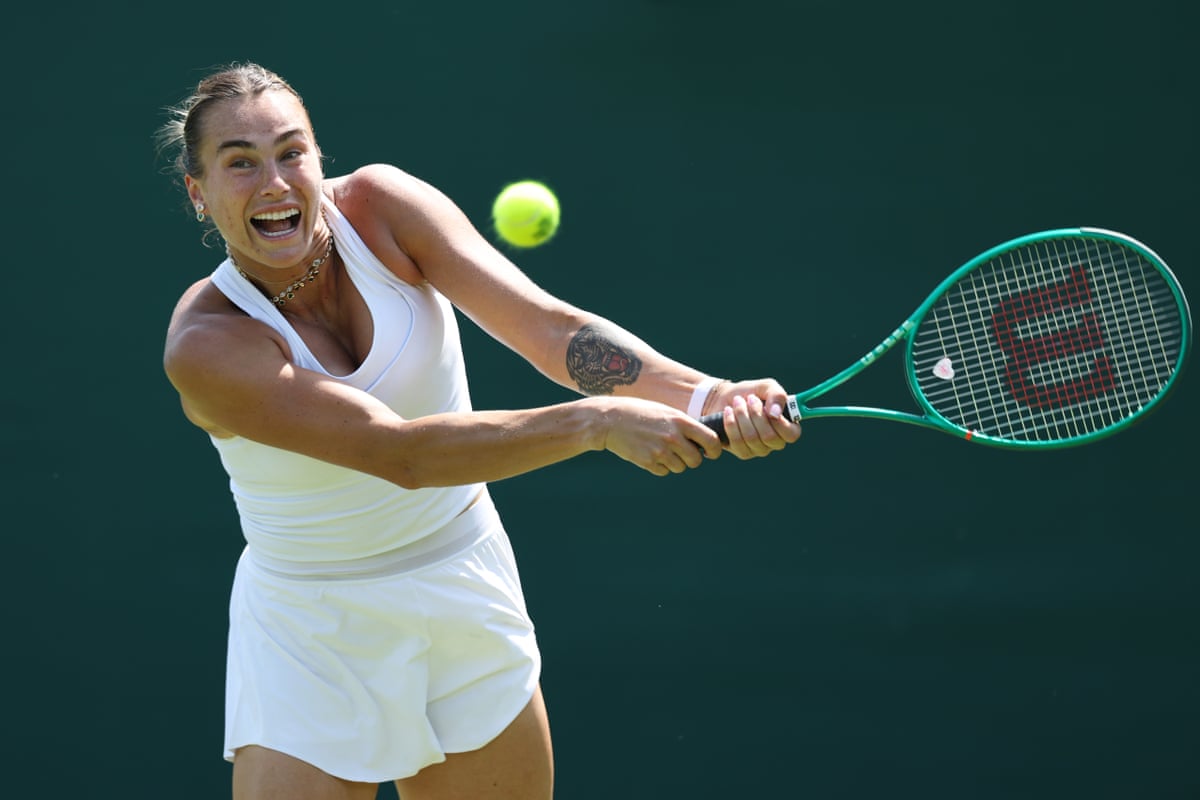
Mirra Andreeva, who has not competed since winning her first grand slam title, is determined to add to her achievements despite being only 19 years old.
Deep runs from players such as Karolina Muchova and Belinda Bencic, whose games are well-suited to grass, would not be surprising. Similarly, a significant performance from Jessica Pegula is possible. Amanda Anisimova, last year’s finalist, enters the tournament in poor form after recent injury struggles. Concerns also exist regarding Elina Svitolina, who withdrew from Bad Homburg on Wednesday due to a hip injury.
Much will become clearer as Wimbledon progresses, but for the initial days, Serena Williams will dominate attention across the All England Club, as she has for much of the past three decades.


