

England Captain Ben Stokes Faces Scrutiny After Curfew Breach
England Test captain Ben Stokes holds considerable goodwill, and if he returns to leadership, it is hoped that there will be understanding regarding his recent curfew breach.
The first Test against New Zealand appeared to unfold rapidly, and since the match at Lord’s, cricket has continued at a similar pace. A match marked by unpredictable moments, including New Zealand’s reaction to criticism of the pitch, would typically be a notable event in an otherwise ordinary summer, yet it was largely forgotten within two days.
Following celebrations by England players, the England and Wales Cricket Board (ECB) faced a crisis, and the week between Tests was so unusual that the unexpected retirement of one of the past two decades’ great players almost went unnoticed. Just ten days ago, England seemed to have settled on a stable lineup for the summer; however, at least four changes have been made for the upcoming game.
Ben Stokes’ Leadership and the Curfew Incident
Ben Stokes has become the central figure in recent discussions, especially after Brendon McCullum commented on his leadership on Monday. There is sympathy for all parties involved. While players are entitled to celebrate a Test victory, there must also be a limit to such celebrations. The famous quote from Vince Lombardi, the 1960s American football coach, resonates here:
“Only by knowing yourself can you become an effective leader.”
This insight seems particularly relevant to the current situation.
Stokes is recognized as an inspirational cricketer and an excellent captain, known for his empathy towards players and his experience managing the pressures of public scrutiny. His appeal partly lies in his humanity and fallibility; he is not perfect, nor is he expected to be.
However, the introduction of a curfew indicates a lack of trust in players’ ability to behave responsibly. Captains and coaches ideally treat their teams as mature individuals capable of making sound decisions. The necessity of a curfew is therefore unfortunate. For the captain himself to breach this curfew appears to undermine its purpose, though much remains unknown about the circumstances.
Whether Stokes will return as captain remains to be seen. Currently, a short-term suspension seems appropriate. He has accumulated significant goodwill and is well-liked. While some may struggle to overlook that he endorsed the curfew and then violated it, it is hoped that compassion will prevail if he resumes his role.

ECB’s Response and Leadership Changes
The ECB’s handling of the situation has been commendable, contrasting with its approach to previous incidents over the winter. The matter was addressed promptly, with a suspension imposed and the case referred to the Cricket Regulator as required. The decision to appoint Joe Root as interim captain instead of Brook was prudent; leadership demands high standards and values. Although Brook retained the white-ball captaincy after the winter, he must demonstrate his suitability for such responsibility.
Root’s reinstatement is welcomed. His previous tenure as captain was challenging, with significant pressure and an imbalanced team leading to poor results that took a toll on him. Now, Root appears to be in a better place personally and is expected to approach the role with greater ease.
Kane Williamson’s Unexpected Retirement
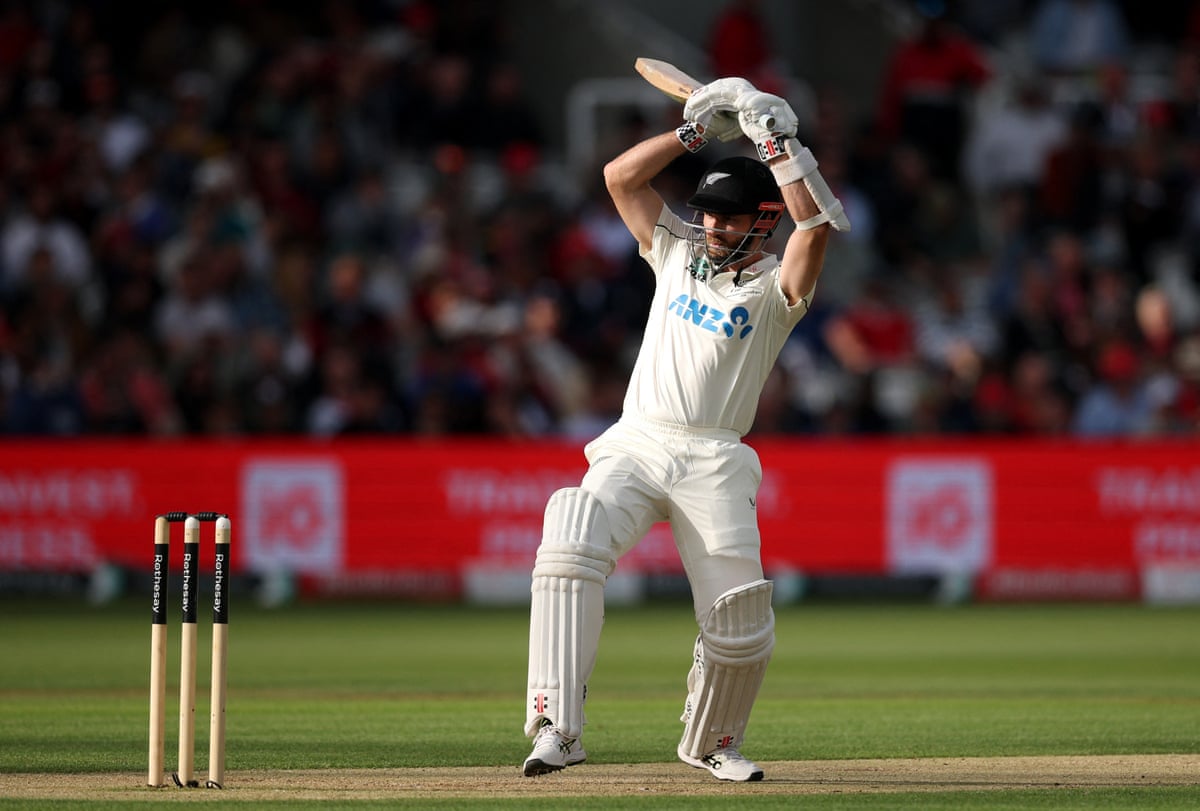
While one of Test cricket’s “Fab Four” steps up, another has stepped down. Kane Williamson’s mid-series retirement was unusual and not fully explained. Over the next two games, his absence will be felt not only by New Zealand fans but by cricket enthusiasts worldwide.
Ramprakash recalls practicing with Williamson last summer when he played for Middlesex, describing him as a delightful and highly talented individual. Alongside Root, Steve Smith, and Virat Kohli, Williamson is regarded as one of the great players of the past decade, exemplifying the art of batting through precise timing, gap-finding, and concentration.
Ramprakash first encountered Williamson 15 years ago when he was a young Gloucestershire player. After a match, Williamson approached him to discuss batting techniques, demonstrating politeness, curiosity, and a desire to understand batting in English conditions. This attitude has contributed to his successful career.
Ultimately, only Williamson knows whether he remained motivated to face cricket’s challenges. He may have felt off pace during the first Test, scoring 0 and 18, though the match saw many players struggle. Ramprakash observed at Lord’s the difficulty posed by Josh Tongue’s bowling, which featured uneven bounce that can turn a game into a lottery.
Concerns Over Pitch Quality and Future Outlook
Following two-day Tests during the Ashes in Perth and Melbourne, there is concern about the increasing number of poor pitches, especially in a format that depends on a balanced contest between bat and ball. Ramprakash recalls a relaying programme at Lord’s in the mid-1990s when Middlesex played on newly relaid wickets that took three years to settle but were excellent once established.
Though improvements will take time, the expectation is that the pitches will return to quality standards. Meanwhile, there is hope that the surface at the Oval will offer better conditions, as the unpredictability witnessed recently has been unwelcome.


