

US Secretary of State Marco Rubio Addresses Munich Security Summit
US Secretary of State Marco Rubio was a focal point at the Munich Security Summit, where European leaders awaited his remarks on Saturday with some apprehension. Although his speech did not completely dispel their concerns, it was generally seen as a reassurance to allies that despite strained relations under Donald Trump, the US-Europe partnership would endure.
Rubio was not the only American political figure present at the summit. Even if his remarks had not been well received—had he, for example, sharply criticised Europeans as Vice-President JD Vance did at last year's conference—other American politicians offered a more conciliatory message, echoing the Persian poet's sentiment: "This too shall pass."
If there's nothing else I can communicate today, Donald Trump is temporary. He'll be gone in three years.
California Governor Gavin Newsom delivered this statement during a conference event on Friday. Newsom was among dozens of American legislators and governors attending, including Democrats like himself who may seek their party's 2028 presidential nomination.
Many emphasized the United States' commitment to remain a strong partner with Europe, reiterating themes similar to Rubio's but without his critique of cultural decline on the continent.
The reason we're here is to provide reassurance that we understand how important our European allies are,
said Democratic Senator Jeanne Shaheen of New Hampshire.
Republican Senator Thom Tillis also echoed this sentiment, noting that the US and Europe were not engaged in a "civil war." He cautioned American allies against becoming entangled in the "rhetoric of American politics."
Challenges in US-European Relations Under Trump
Such reassurances have been difficult to maintain recently, as President Trump has imposed significant tariffs on many US trading partners. He and some of his top aides have expressed a desire to reshape the international order, leverage American military power, and refocus US foreign policy toward the Western Hemisphere.
One notable example of this shift is Trump's interest in Greenland, which he reiterated before departing the White House for a weekend in Florida on Friday. This move exemplifies the broader change in American foreign policy outlook under his administration.
Domestic Concerns Raised by Democrats at Munich
Trump's readiness to push boundaries extends beyond foreign affairs. Several Democrats at Munich addressed domestic issues as well.
President Trump's talk of nationalising elections and instituting stringent identity requirements for voting via executive order mean the freedom and fairness of November's midterm congressional elections are at stake,
warned Virginia Senator Mark Warner.
I never thought I would say that in 2026 America,
he added, highlighting the gravity of the situation.

Trump has defended his efforts, including the SAVE act—which proposes a national voter identification requirement legislatively—as both popular among a significant majority of Americans and necessary to prevent voter impersonation.
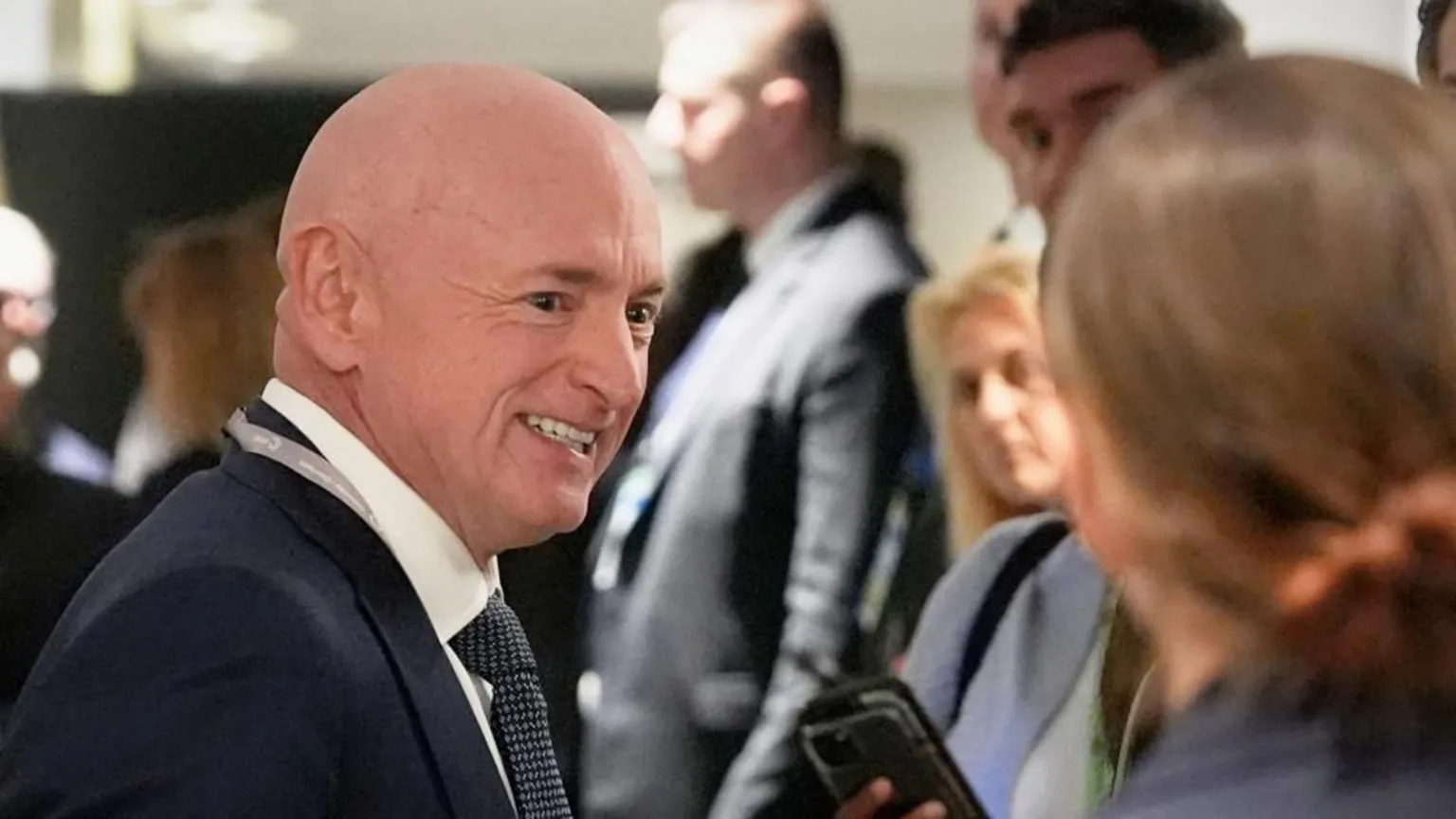
Senators Mark Kelly and Elissa Slotkin, who recently faced an unsuccessful indictment attempt by the Department of Justice over their video urging US soldiers to disregard "illegal" orders, also commented on being in the administration's spotlight.
America, Slotkin said, was "going through something profound," but added,
We'll get through it.
Alexandria Ocasio-Cortez Highlights Economic Inequality and Authoritarianism
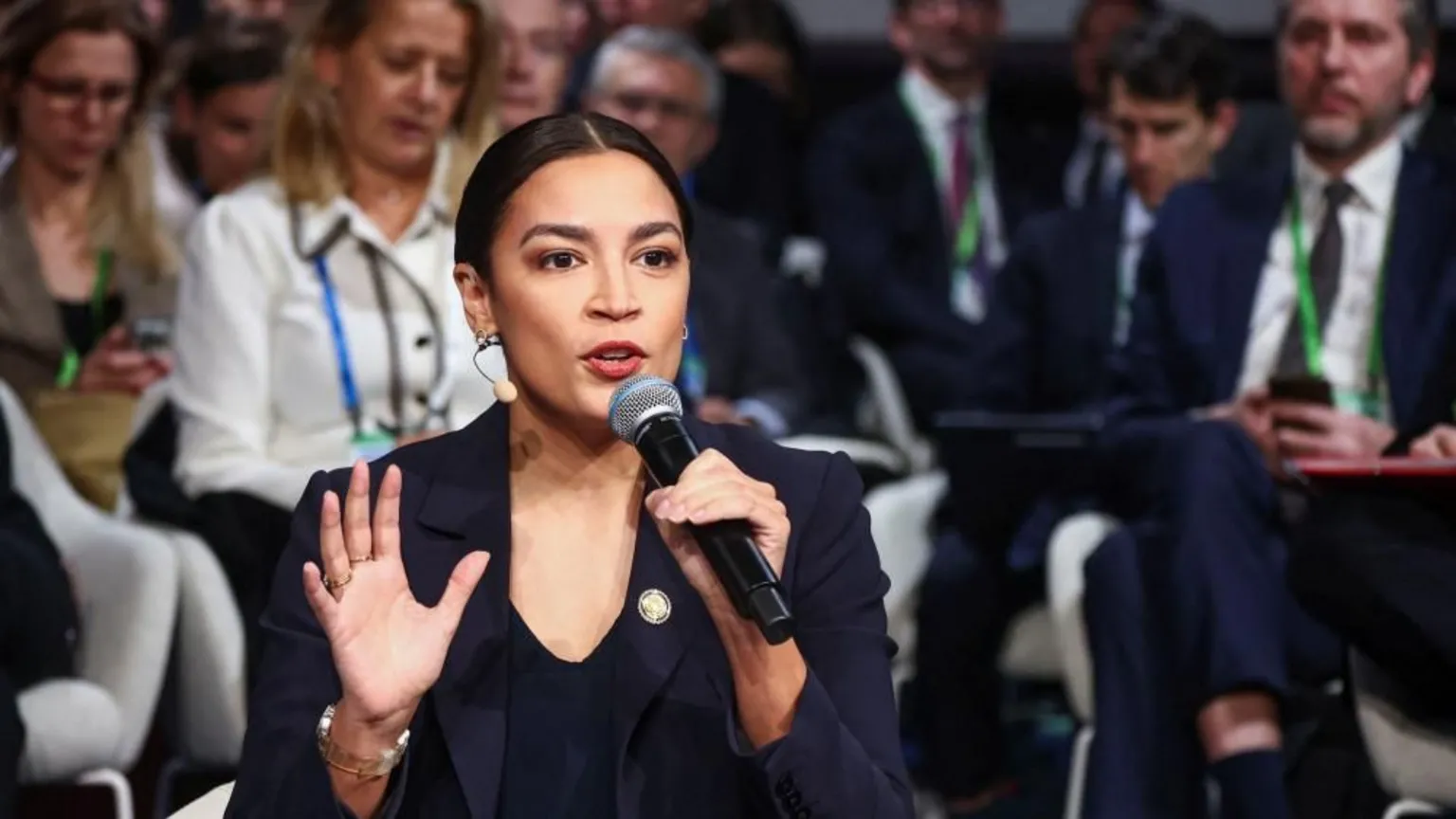
New York Democratic Congresswoman Alexandria Ocasio-Cortez was among the most prominent figures at the conference beyond Rubio. She connected growing wealth inequality—a central focus of her domestic policy agenda since her 2018 upset victory—to the rise of authoritarian governments.
It is of the utmost urgency that we get our economic houses in order and deliver material gains for the working class,
she said.
Otherwise, we will fall into a more isolated world governed by authoritarians who also do not deliver to working people.
Although Ocasio-Cortez represents a different wing of the Democratic Party, her perspective on the necessity for Western democracies to offer a compelling alternative to authoritarian regimes aligns with views expressed by President Joe Biden.
Contrasting Views on Foreign Policy and the 2024 Election
Trump's "America First" foreign policy and emphasis on preserving Western culture present a markedly different worldview. In 2024, a plurality of Americans voted to return Trump to the White House, leading to a tumultuous year in which Vice-President Vance's confrontational Munich speech was only the opening act.
While Rubio has helped smooth some tensions, the Democrats attending Munich sought to offer a clearer counterpoint.
Right now, Europe just wants us to be better, right? And I think this has been a very good conference to reassure nerves,
said Arizona Senator Ruben Gallego.
Sometimes you have to remind them that this is not all Trump ... We're still here.


