

State of Emergency Declared Amid Ongoing Warehouse Fire
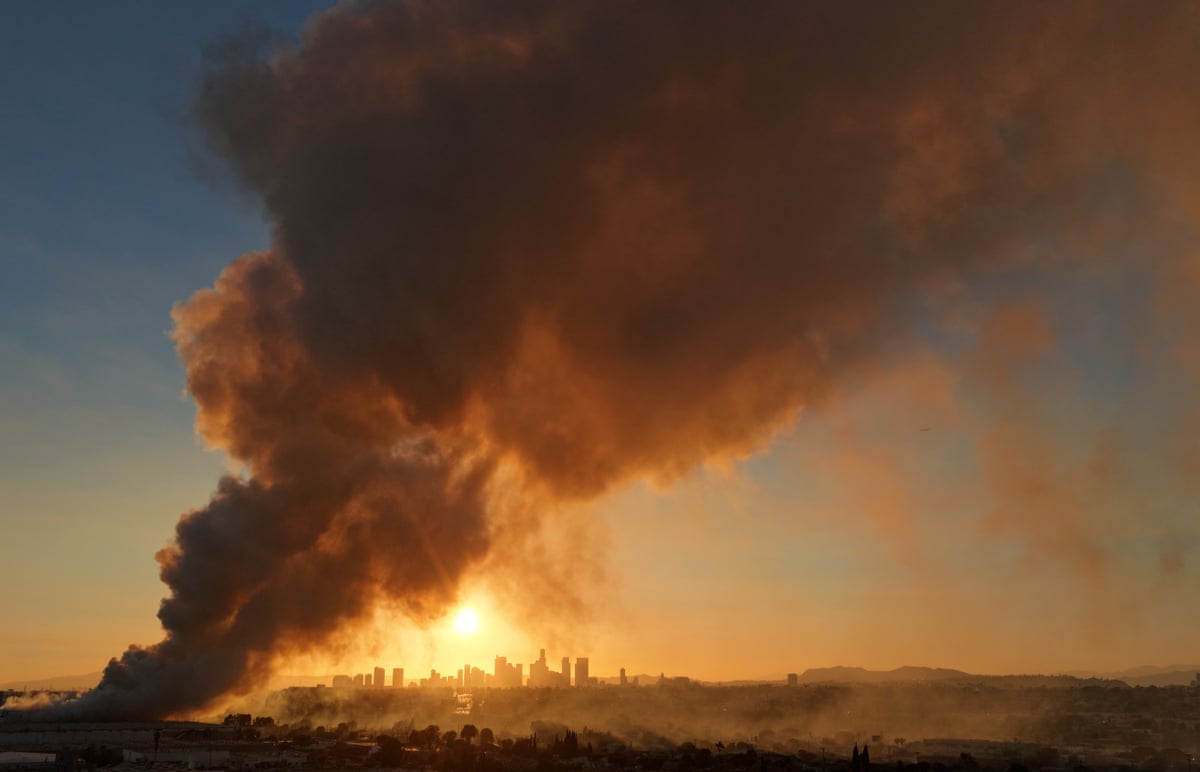
California Governor Gavin Newsom has declared a state of emergency for the city of Los Angeles as firefighters continue to combat a persistent warehouse fire that has been burning for several days, producing significant smoke across parts of the city.
Newsom announced the deployment of additional state resources and assistance to support firefighting efforts at the site of the blaze in Boyle Heights, an east Los Angeles neighborhood.
“We are coordinating closely with our local partners, deploying specialized expertise, and pre-positioning critical supplies so communities have the support they need both now and throughout recovery,” Newsom stated.
Fire Origin and Challenges in Containment
The fire began on Wednesday when the roof of a 500,000-square-foot cold storage warehouse in Boyle Heights caught fire. Although firefighters initially extinguished the visible flames, ongoing hazards within the structure have complicated full containment.
By Sunday, the fire had persisted into its fifth day. Officials confirmed that the blaze remained confined to one side of the large facility, according to updates from the Los Angeles Fire Department. No evacuation orders or shelter-in-place mandates have been issued.
Smoke Impact and Community Concerns
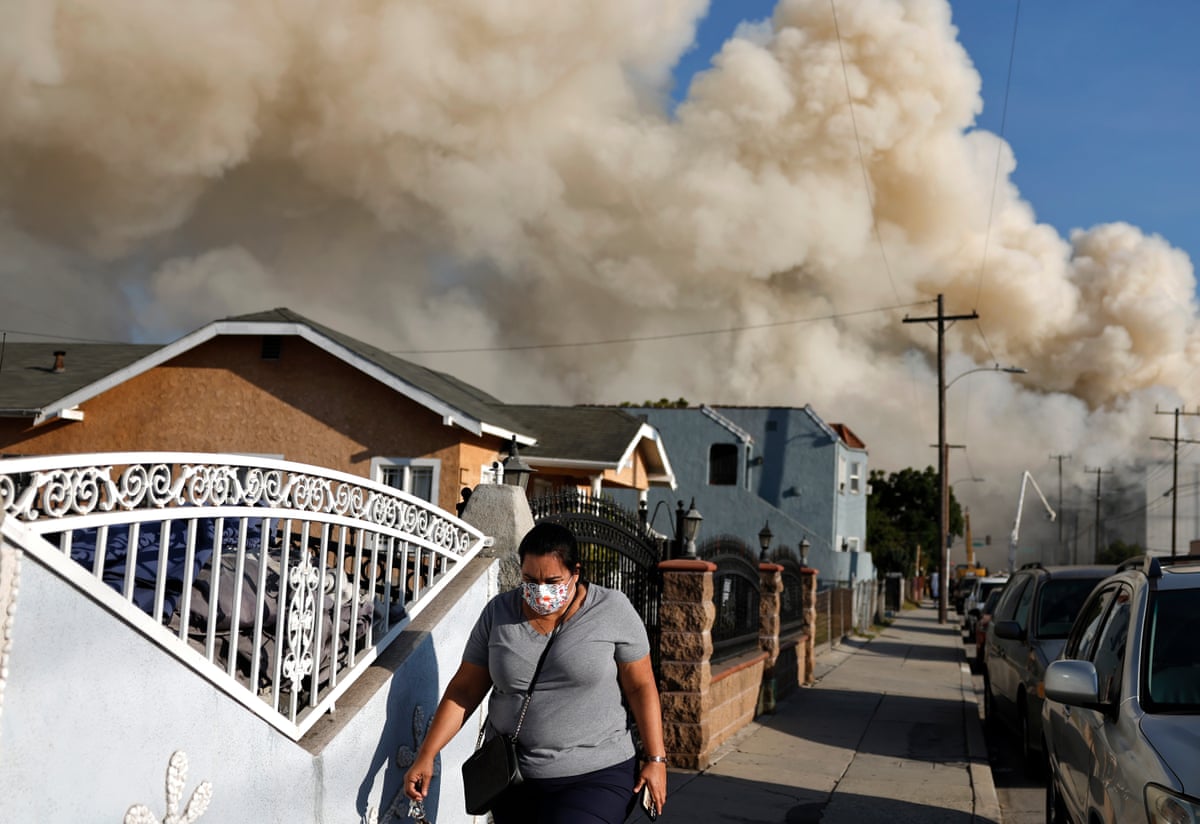
Smoke from the fire has dispersed with the wind, affecting various areas across Los Angeles County. Residents in East Los Angeles have expressed concerns regarding the continuous smoke and potential health implications.
On Sunday, a haze was visible over extensive parts of the city, including prominent landmarks, while the regional air quality index (AQI) registered within the "moderate" range.
Leo Miguel, a manager at Yia Caffe in Boyle Heights, told the Los Angeles Times that the smoke has disrupted his business operations.
“The air smells like chemicals and plastic,” Miguel said, adding, “I don’t think it’s getting better.”
Local and State Government Responses
Governor Newsom’s emergency declaration follows an earlier state of emergency issued by Los Angeles Mayor Karen Bass. Boyle Heights Councilmember Ysabel Jurado emphasized the significance of the declaration, noting the multifaceted impact on residents.
“This emergency declaration is crucial because Boyle Heights is not just responding to a fire. Residents have lived through days of smoke, shelter-in-place orders, disruptions to daily life, and ongoing questions about what this means for their health and wellbeing,” Jurado stated.
Hazardous Materials and Safety Measures
During initial firefighting efforts, a rupture occurred in an ammonia line within the facility, increasing the fire’s danger. Ammonia, commonly used as a commercial refrigerant, is highly flammable and can release toxic fumes.

Authorities initially instructed residents to shelter in place due to concerns about air pollution and potential ammonia exposure. In response, Los Angeles city and county officials have established smoke relief centers to assist affected residents.
“The city and county have opened spaces for families seeking relief from the smoke, and we will continue working around the clock and doing everything possible to put this fire out completely,” Mayor Bass said.
Firefighting Tactics and Ongoing Challenges
Firefighters have had to withdraw to safer distances at times, employing helicopter water drops to combat the blaze. Foam materials inside the building have continued to smolder and burn slowly, complicating suppression efforts.
Some residents with pre-existing health conditions have evacuated the area. Ashley Campos, 18, told the Los Angeles Times that her family left their home approximately two blocks from the fire after detecting fumes indoors. Several family members have health issues including epilepsy, asthma, and cancer.
Impact on Local Landmarks and Community Support
Dodger Stadium, home to the Los Angeles Dodgers, has also been enveloped in smoke and smog, as documented in video footage.
“The smoke from the nearby Boyle Heights warehouse fire has enshrouded Dodger Stadium in an acrid, nasty haze,” reported Ben Bolch, a California Post journalist. “Not sure I’d want to sit here and watch as a fan, much less play the game, unless conditions improve.”
Community organizations have distributed masks to residents as air quality continues to deteriorate. Centro CSO, a grassroots group in Boyle Heights, shared images of their respirator distribution efforts on social media platform X.
Post-Fire Cleanup and Biohazard Concerns
Once the fire is fully extinguished, officials will face the task of removing approximately 85 million pounds of spoiled food stored within the warehouse. The inventory includes bread, poultry, pork, and beef, raising biohazard concerns.
Authorities are actively addressing these challenges as part of the recovery process.
State Support and Fire Department Updates
Governor Newsom’s statement indicated that the state has made over 5 million N95 respirator masks available for distribution, along with air purifiers, bottled water, and other emergency supplies.
“The warehouse fire has produced significant smoke and particulate matter that may affect air quality in surrounding neighborhoods,” the statement said.
Los Angeles Fire Department Chief Jaime Moore provided an update during a Saturday news conference, noting progress on hazardous materials containment and ongoing efforts to manage biohazard risks.
“We have 85 million pounds of frozen food inside of this facility and the way the building has been laid out, it’s very difficult for us to get in there because there’s zero visibility inside,” Moore explained. “Our firefighters are not able to just go in there and start moving pallets.”
The Associated Press contributed to this report.


