

JD Vance Admits US-Iran Memorandum of Understanding Is a 'Very General Document'
Hello and welcome to ’s continuing coverage ahead of the expected signing of the framework peace deal in a couple of days.
America’s memorandum of understanding (MOU) with Iran is “a very general document,” the US vice-president, JD Vance, has said, adding that specifics of the deal will be worked out during further negotiations.
“The MOU … is about a page and half so it is a very general document,” Vance said on CNN on Monday night, as he did the rounds of US networks to talk up the deal. “On a number of issues, we are going to have to figure this stuff out during the technical negotiation phase.”
Vance’s comments came as many Republicans on Capitol Hill said they needed more information about the agreement, with some expressing skepticism as they ask the White House for details.
“I just don’t know enough about it,” the Senate majority leader, John Thune, told reporters in the Capitol. “Even the people who follow this stuff closely up here don’t know that much about it.”
The agreement announced Sunday to end the war on Iran, set for a ceremonial signing Friday in Geneva, is centred around reopening the strait of Hormuz and lifting the US naval blockade in the region, along with financial incentives for Iran if it meets certain benchmarks.
Vance also said nuclear inspectors will return to Iran as part of the deal with Washington to end the war.
“In fact, one of the core parts of the agreement is that the IAEA [International Atomic Energy Agency] and the United States are going to help Iran destroy the highly enriched stockpile, and that’s something that’s spelled out very clearly” in the memorandum of understanding the US and Iran had already agreed to, NBC News quoted Vance as saying.

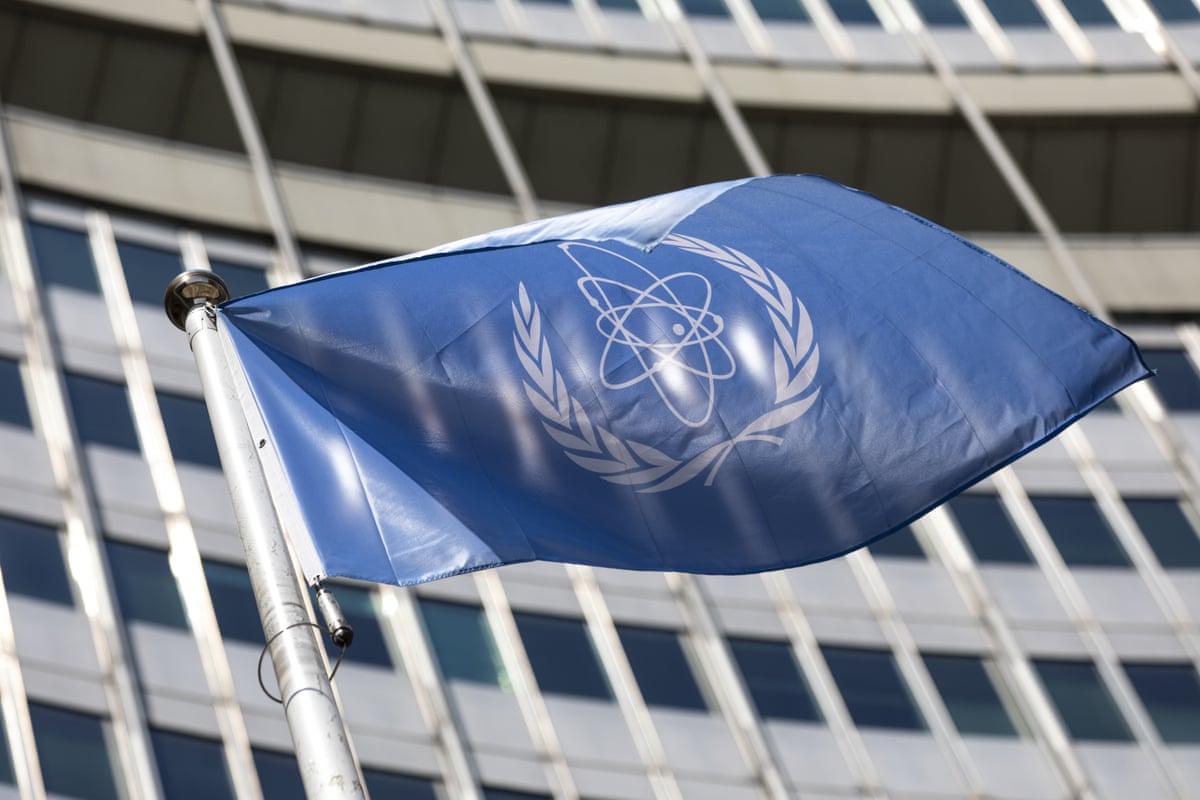
What the deal specifies about the future of Iran’s nuclear program has not yet been made clear, as the details are still to be revealed publicly and both sides have given different accounts of what has been agreed so far.
Donald Trump has repeated that “Iran will never have a nuclear weapon” while officials from Pakistan, which mediated the deal, reportedly said talks on the nuclear issue would continue over the next 60 days under the agreement.
Trump has said the US could resume attacks on Iran if it failed to reach a nuclear deal. Here are some other key developments:
With a memorandum of understanding between the US and Iran signed, Trump said the strait of Hormuz “will be completely open” by Friday. A signing ceremony is scheduled to take place on Friday in Geneva, which Trump said he will probably not attend.
The deal included a ceasefire in Lebanon but did not provide for a withdrawal of Israeli troops from areas that they occupied. Lebanon’s prime minister Nawaf Salam has said diplomatic efforts with the US are continuing in order to achieve the full withdrawal of Israeli troops from territory in southern Lebanon.
However, in his first public address after the deal signing, Israeli prime minister Benjamin Netanyahu said that Israeli forces will also remain in Gaza, Lebanon and Syria “for as long as necessary”. He also announced he would be running for reelection.
Hezbollah has welcomed the memorandum of understanding between the US and Iran, saying it had resulted in a comprehensive ceasefire across all fronts, including Lebanon. In a written statement, the Tehran-backed militant group warned that it would not accept any attacks that violate Lebanon’s sovereignty or targeted its people. It said Lebanon’s inclusion in the agreement reflected Iran’s commitment to ending the war.


