

Trump Declares Strait of Hormuz to Reopen Amid G7 Summit
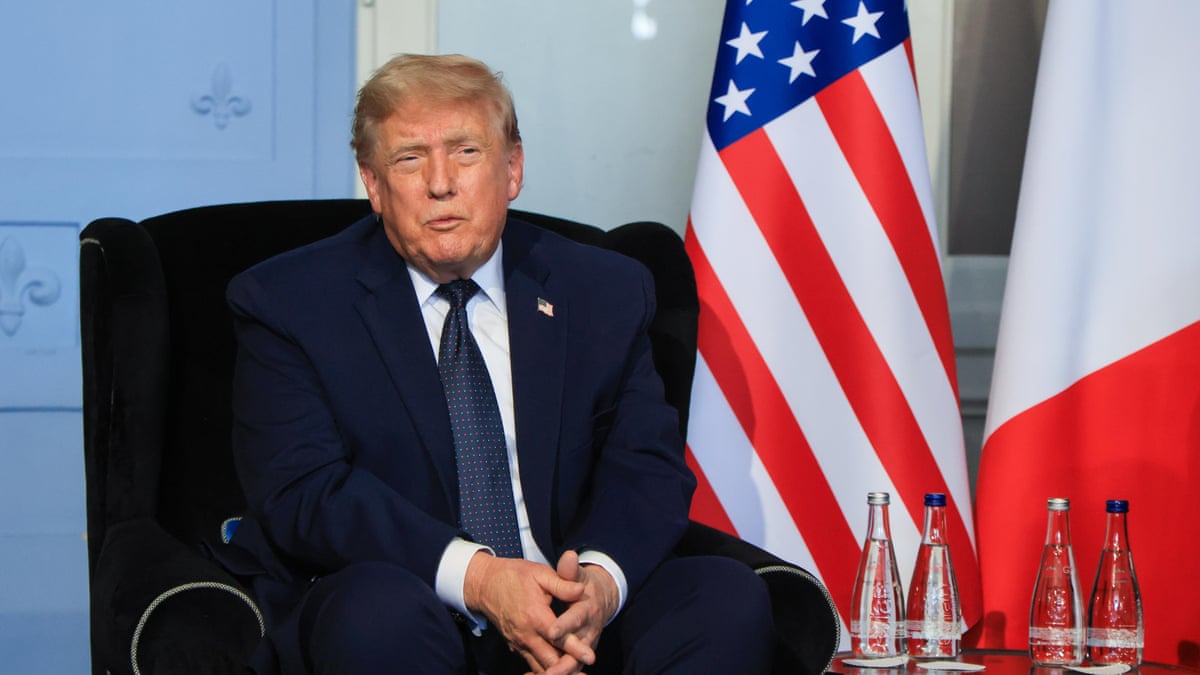
US President Donald Trump has announced that the strait of Hormuz will be "completely open" starting Friday, as Western leaders convened at the G7 summit in Évian-les-Bains to address unresolved issues threatening the stability of the recently signed US-Iran agreement.
"The deal’s all signed. And the strait is already partially opened,"Trump stated upon his arrival in France. However, ongoing Israeli violations of the ceasefire in Lebanon and Iran’s assertions regarding its entitlement to impose fees on the strategic waterway have exposed vulnerabilities in the agreement.
Trump Rejects UK-France Naval Mission Proposal
During bilateral discussions with French President Emmanuel Macron on Monday, Trump dismissed a proposed joint UK-France naval mission to secure the strait, expressing confidence in the US's ability to maintain open passage without significant assistance.
"I don’t think we will need much help"he said, adding,
"I think a lot of great things are going to happen in the Middle East right now. And very importantly, the and the stock market is shooting up like a rocket today. The main thing is that Iran will not have a nuclear weapon. They fully agreed to that with strong policing powers, and they won’t have a nuclear weapon, which is what it was all about."
Memorandum of Understanding to Be Signed in Geneva
The memorandum of understanding (MOU), which US officials describe as an arrangement to reopen the strait of Hormuz in exchange for lifting the US naval blockade on Iran, is scheduled for formal signing at a ceremony in Geneva on Friday. The event will be attended by US Vice-President JD Vance and Iran's chief negotiator Mohammad-Bagher Ghalibaf.
White House officials have indicated that the full details of the agreement will be released within 24 to 48 hours.
G7 Leaders Work to Strengthen Agreement Amid Emerging Challenges
Despite the signing, G7 leaders engaged in three days of talks aimed at reinforcing the agreement, which US officials acknowledged was already facing challenges.
Technical discussions led by Vice-President Vance will commence later this week, focusing on complex issues such as the future of Iran’s nuclear program, which Trump has emphasized must never be capable of producing nuclear weapons.
The agreement also includes provisions for lifting sanctions and unfreezing billions of dollars in Iranian assets, contingent on Iran fulfilling its commitments. US officials denied any Gulf country was negotiating side deals to release Iranian funds but confirmed the US is prepared to unfreeze assets and ease sanctions.
"We’ll do some small gestures of that in the beginning, if they make some small gestures to us that show that they’re willing to meet their commitments,"an official explained, while declining to specify what those initial gestures might entail. Another official clarified that, to date,
"$0 of unfrozen assets have been released by the United States or any other country."
The officials also stated there would be no immediate reduction of US forces near Iran following the MOU signing.
"The plan is to keep the current force posture during the … negotiations in force,"one official said.
"We hope to draw them down. We’re not doing that yet. We want to see the Iranians do what they promise."
German Chancellor Highlights Economic Stability and Ceasefire Concerns
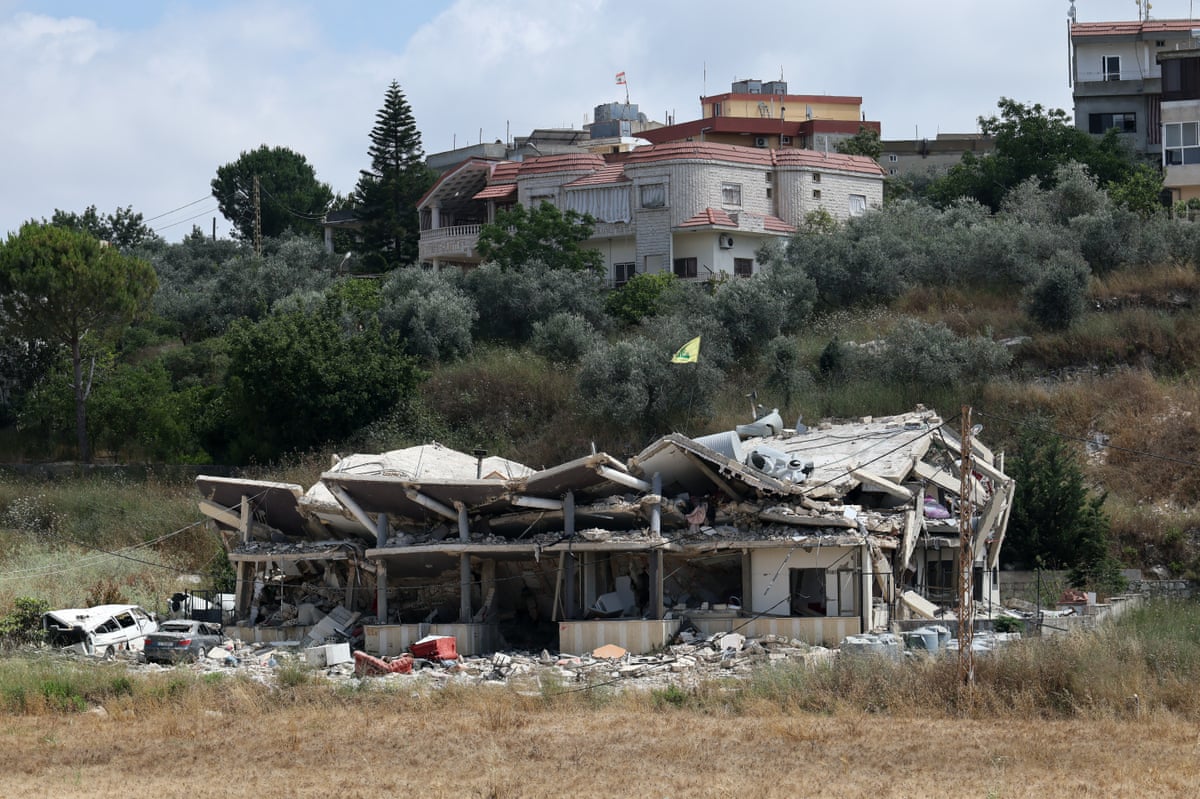
German Chancellor Friedrich Merz remarked that the deal could contribute to stabilizing the global economy but cautioned Israel that the ceasefire agreement must be respected in Lebanon. His comments followed an Israeli drone strike on a vehicle in southern Lebanon that resulted in one fatality, marking the second death since the 60-day ceasefire was enacted.
European Commission President Ursula von der Leyen warned,
"There can be no lasting peace whilst Lebanon remains in flames."

Domestic Reactions in Israel
Within Israel, public concern and criticism intensified during the day, directed at both President Trump and Prime Minister Benjamin Netanyahu. Analysts and commentators noted that Netanyahu’s initial war objectives, including regime change in Tehran and the destruction of Iran’s nuclear program, had not been realized.
Israel has launched a broad offensive into Lebanon following missile attacks by Hezbollah, an Iran-aligned group, on northern Israeli towns during the war’s first week. Israeli forces have suffered casualties against an adversary previously regarded by officials as a diminished threat.
Opposition politicians seized on what some local media described as an
"abject failure,"with far-right members of Netanyahu’s ruling coalition calling for Israel to withdraw from the agreement, asserting it was not consulted during negotiations.
National Security Minister Itamar Ben-Gvir stated regarding the memorandum,
"We must not settle for anything less than the dismantling of Hezbollah. We must not withdraw from a single inch of territory that our soldiers have captured and cleared."
Iranian Foreign Ministry spokesperson Esmail Baghaei emphasized that the US must ensure Israel complies with the ceasefire, warning that the entire deal depends on its enforcement in Lebanon.
Questions Over Iran’s Right to Charge Fees in the Strait
Trump was expected to face inquiries from other world leaders about whether the agreement grants Iran the right to levy fees for maritime services in the strait of Hormuz. Such a provision could effectively function as a toll system, which European leaders, committed to freedom of navigation, have strongly opposed.
At the summit in Évian, Trump maintained that the agreement would not impose such fees, stating,
"because we have an agreement where it’s going to be open, and it’s toll-free."
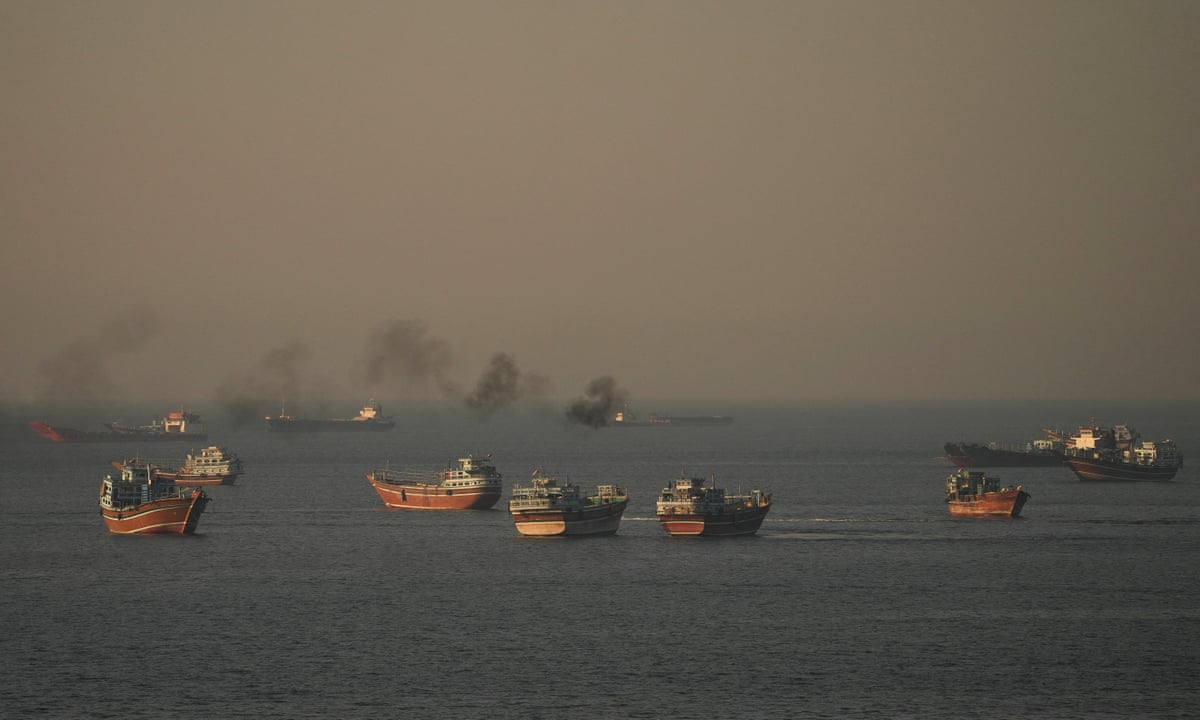
This uncertainty has cast doubt on plans to deploy a Franco-British maritime taskforce within days to clear mines and escort ships through the strait. Iranian officials have rejected what they consider foreign interference and insist that last-minute negotiations have granted Iran the right to charge for maritime services.
President Macron earlier affirmed that the taskforce could help
"ensure the reopening of the strait is peaceful,"and that France could deploy its Charles de Gaulle aircraft carrier, frigates, mine search vessels, and aircraft to the region within days.
However, the taskforce initiative, partly designed to address Trump’s dissatisfaction with European reluctance to support a more aggressive US plan to open the strait earlier in the conflict, remains uncertain. All contributing countries have stipulated that the taskforce cannot operate if met with Iranian military resistance.
Macron claimed that Oman, located at the southern entrance of the strait, did not object to the convoy. Trump also suggested the waterway was functioning without the need for a European escort mission, posting on social media that
"Ships are starting to move many loaded up with oil, out of the , They are going along the southern highway which is totally safe secure and pristine. There are other areas of travel also."
Economic Impact and Broader Geopolitical Challenges
Shipping companies have warned that it will take months for trade to normalize. European Central Bank Governor Christine Lagarde noted that the war’s effect on oil prices has caused inflation to spread across the European economy, with secondary impacts on wages.
Trump faces a significant challenge convincing skeptical G7 leaders that his decision to disregard their advice was justified by the war’s outcomes, including curbing Iran’s nuclear ambitions. Many G7 members declined to permit US attacks on Iran from bases in Europe and believe the conflict has damaged US standing while weakening Western economies amid competition with China.
A Western diplomat commented,
"No one wants a bitter or public inquest, but this has been a crash-and-burn moment for American unilateralism, and perhaps Trump will heed the lessons."
US officials asserted on Monday that the war has left Iran
"substantially weakened"and that the country now has the option to be
"invited into the world economy with all the prosperity that comes along with it,"provided it implements mechanisms to demonstrate it is not pursuing nuclear weapons.


