

Introduction of New Ferry Amid Critical Vessel Shortage
The first of four new CalMac ferries constructed in Turkey is anticipated to begin service soon; however, the ferry operator continues to face significant pressure on its west coast network.
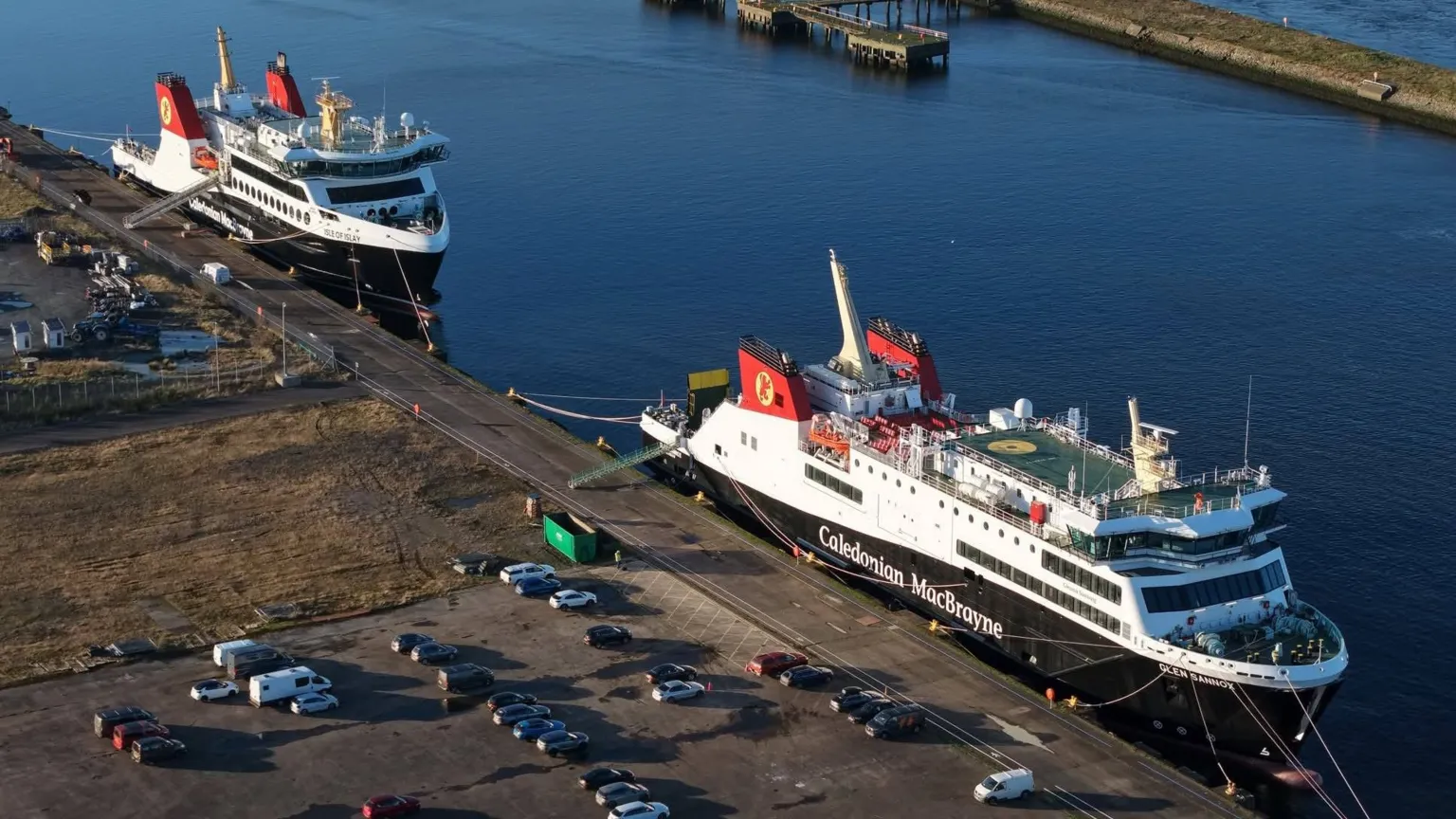
MV Isle of Islay was scheduled to carry its inaugural passengers from Islay on Friday, but the sailing was postponed due to a technical fault and "snagging" issues.
These faults have since been resolved, providing some relief to the state-owned ferry company, which has been compelled to reduce services since last week due to an "unprecedented" shortage of vessels.
Currently, five of CalMac's 11 major vessels remain out of service, along with the chartered catamaran Alfred and two smaller ferries, either because of faults or scheduled maintenance.
MV Isle of Islay’s Service Details
MV Isle of Islay is set to commence its first passenger sailing from Port Askaig on Islay at 12:30, arriving at Kennacraig on the mainland approximately two hours later.
The 85-meter-long vessel can accommodate 450 passengers and either 100 cars or 14 heavy goods vehicles (HGVs). It will join MV Finlaggan in serving the island, increasing the route's capacity by 40% once fully operational.
CalMac chief executive Duncan Mackison said: "Islanders will have spotted her out on trials over the past few weeks, but this will be the first time they will get to travel on board.
"The difference the vessel will make to available capacity – 40% - will be extremely welcome on this popular and busy route, both for customers and for freight passengers."
Construction and Design Features
MV Isle of Islay was ordered from Turkey's Cemre shipyard four years ago and was originally scheduled for delivery in late 2024. However, a series of delays have been attributed to various factors, including the war in Ukraine and the Turkish earthquake.
The ship and three others still under construction are smaller than CalMac's previous new vessel, the dual-fuel Glen Sannox, and utilize a conventional diesel-electric propulsion system with some battery power available during manoeuvring.

Despite this, the new vessels, commissioned by the ferry procurement agency CMAL, represent a significant departure in design.
The vessels have a deeper draught—the portion of the hull below the waterline—than most CalMac ships, allowing for a sleeker and more fuel-efficient shape. As a result, dredging and other modifications have been necessary at some harbours.
Additionally, they are the first large CalMac vessels equipped with Voith Schneider propulsor units—spinning blades that hang vertically from a drum—instead of traditional screw propellers.
These systems eliminate the need for a rudder and are already used on smaller CalMac ferries, enhancing manoeuvrability.
Ongoing Challenges in the West Coast Network
Elsewhere, CalMac's west coast ferry network continues to experience pressure, with some vessels being redeployed to different routes to maintain services.
MV Isle of Mull has been reassigned to serve Coll, Tiree, and Colonsay.
MV Clansman is operating a service from Uig on Skye, providing sailings to North and South Uist and Barra.
Passengers traveling from Harris have been advised to travel via Stornoway to Ullapool where possible.
Currently, four vessels are undergoing annual maintenance, and four others are out of service due to technical problems.


