

Exploitation of Vulnerable Youths in Highlands Increases
Workers at a children's charity report a worsening situation involving the exploitation of vulnerable young people in the Highlands by county lines drug gangs. Barnardo's Scotland staff indicate that criminal groups are targeting youths in Inverness, using threats of violence and escalating drug debts to control them.
The charity leads the Anchor project in Inverness, a £450,000 initiative aimed at protecting young people from exploitation. Since its inception in 2023, the project has engaged with approximately 400 young individuals.
Earlier this month, police revealed that 12 gangs, predominantly based in English cities, are operating in Inverness. This announcement followed a nationwide operation targeting such criminal activity, resulting in 43 arrests and seizures of drugs valued at over £900,000.
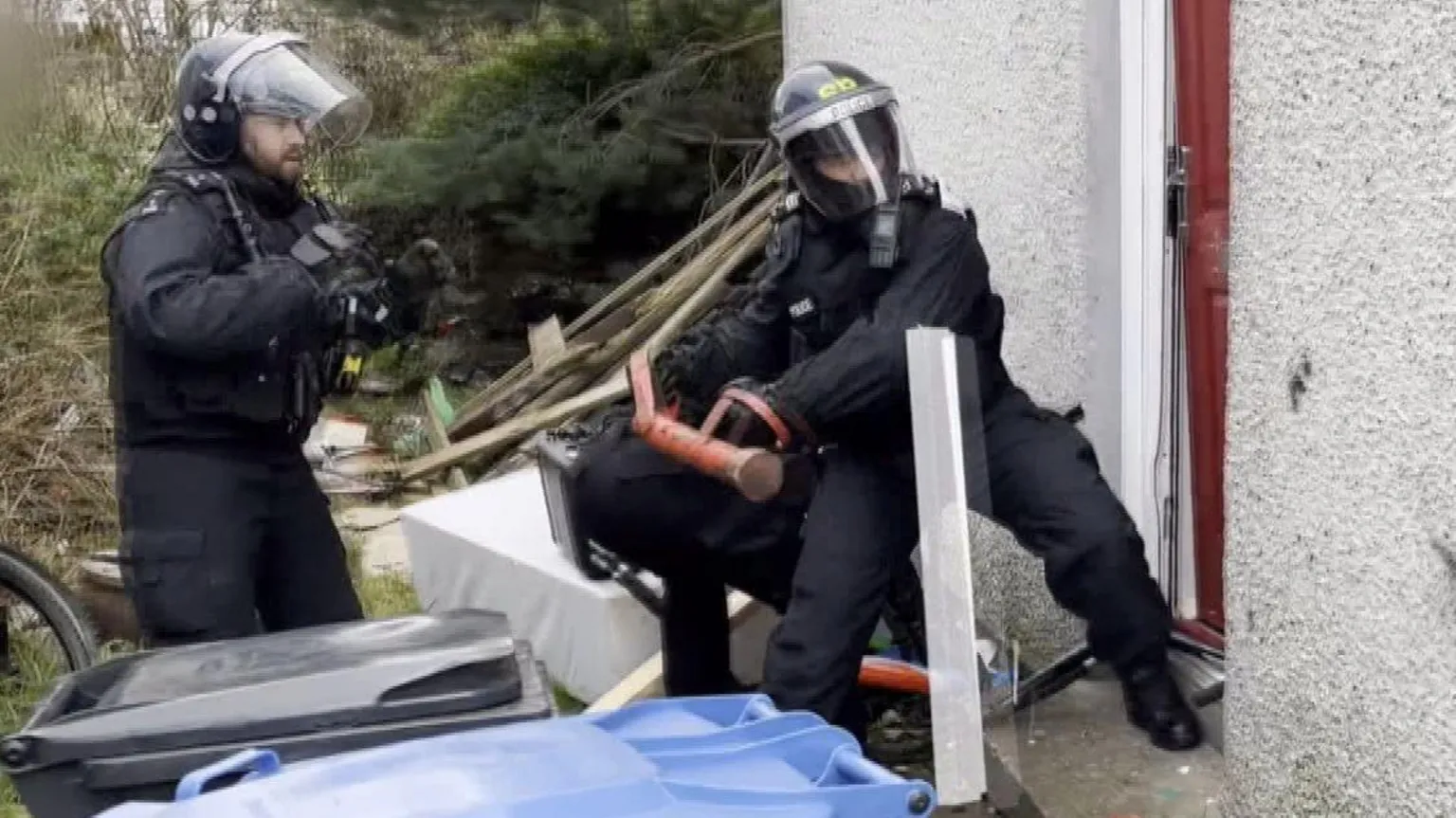
BBC Scotland News was granted access to the Anchor project, which staff believe to be the first of its kind in Scotland. Plans are underway to extend the project to Aberdeen and the north east.
Use of Vulnerable Teens as Drug Runners
Ross, a youth worker with Barnardo's in Inverness (name changed for confidentiality), works mainly with young people aged 16 to 26, including those leaving care. He explained that gangs often use vulnerable teenagers as "runners," who are tasked with collecting drugs from various locations.
"These are young people who are going to X location to pick up a certain amount of drugs. More often than not they are chauffeured by people from these gangs, from area to area, from house to house."
Recruitment and Entrapment Tactics
Ross described how exploitation often begins at a young age, sometimes linked initially to drug misuse. He noted that peer influence plays a significant role in drawing youths deeper into involvement with gangs.
"London, Liverpool, Glasgow and Birmingham are the areas that are mentioned most often to me. The exploitation starts when some of these people are very young. Sometimes they are getting involved just through drugs misuse initially, and then like most people, you go along, your friends are taking drugs. Then before you know it, you're in deep."
He highlighted that dealers possess money and cars, which can make them appear as role models to vulnerable youths.
"It's kind of like dangling the carrot,"
Ross added that once involved, gangs do not easily release control over individuals. They create debts and fabricate amounts owed, trapping young people through intimidation and threats of violence, sometimes extending to family members.
"They make you feel like you owe them something, and really do trap you. Quite often, these people are threatened with violence, or their family members are. The youngsters are constantly living in fear of these gangs turning up at their doors, or rival gangs turning up. You are constantly in a battle, is the way it's explained to me. You are working for these organisations who say they will protect you, but they will only protect you for as long as it suits them."
Ross also mentioned that multiple groups compete for control over the drug trade in Inverness and the Highlands, with violence being a constant threat.
"Violence is days, minutes, seconds away from your doorstep. There have been a lot of incidents where machetes have been used. Knives. Stabbings."
Anchor Project Addresses Service Gaps
Ross works with the Anchor project, established in July 2023 using funding from the Scottish government's CashBack for Communities scheme. The initiative aims to provide a "safe space" for teenagers in Inverness city centre, along with wraparound support and outreach services.
The project is primarily run by Barnardo's, with involvement from charities Action for Children and Aberlour, Highland Council, and Police Scotland. To date, it has cost approximately £450,000 and is expected to receive additional funding from the CashBack proceeds of crime scheme.

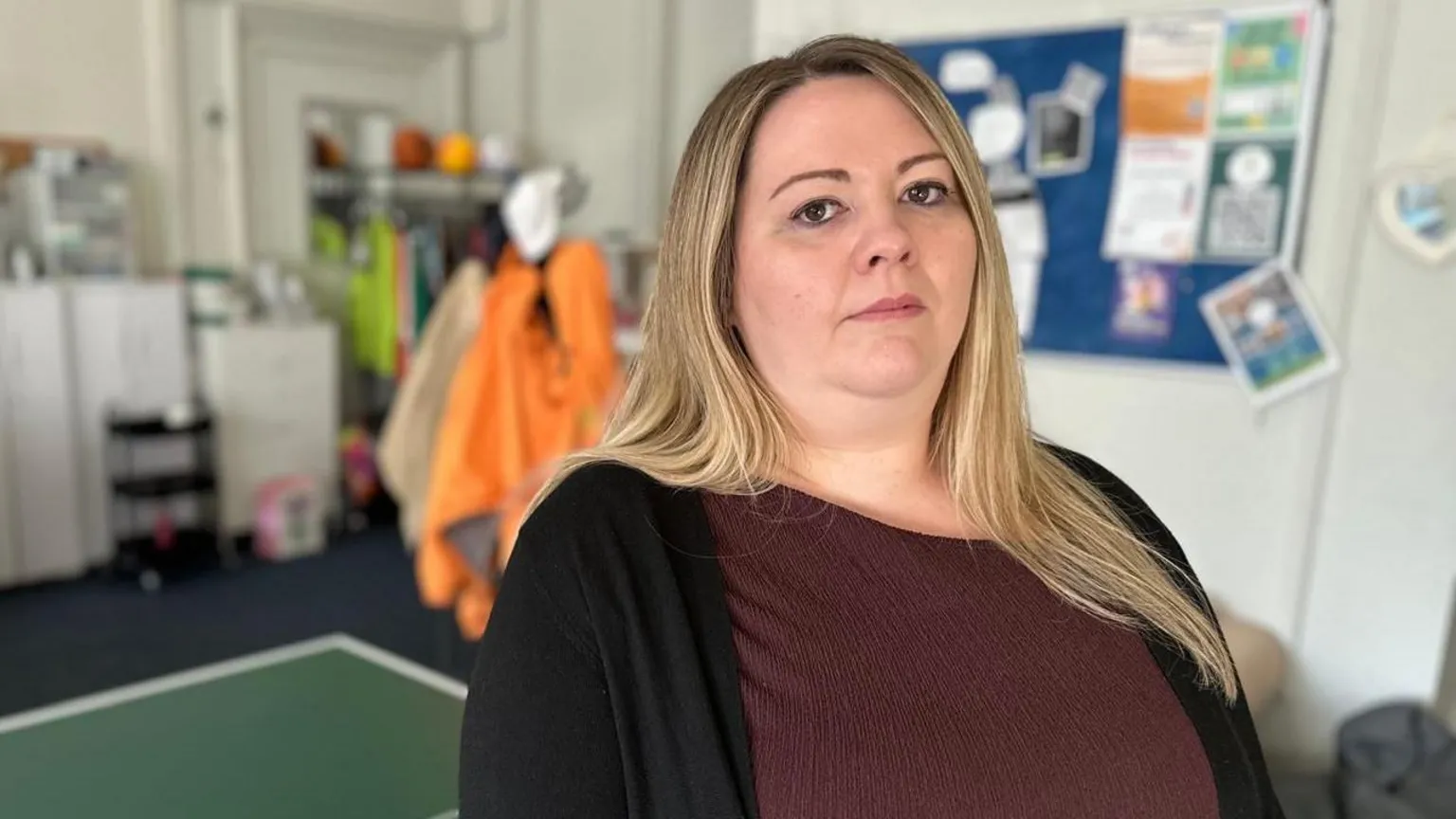
Carol-Ann Crossan-Guruge, a children's services manager at the project, stated:
"As a multi-agency group, we were identifying high numbers of young people who were being targeted, were the victims of exploitation. And there weren't the resources that were needed… we are trying to fill a gap. We are trying to provide a staff team that are skilled and experienced in working with young people, so that we can help them reach positive destinations."
The project's 'Hub' offers a meeting space equipped with games consoles, tabletop games, and a kitchen. Since opening, around 400 children and young people have visited.
Carol-Ann emphasized the scale of the problem in Inverness.
"The number of children at risk from exploitation by drug gangs in the city is very significant."
She noted that gangs originate from cities including London, Liverpool, Manchester, and Merseyside, with young people referencing various gang names. According to her, the situation has deteriorated.
Outreach Efforts and Street Engagement
Part of the Anchor project involves staff identifying youths congregating in Inverness city centre who may be vulnerable to exploitation. BBC Scotland filmed workers Teaghan Daley and Tom Hodge-Sellers as they approached groups of young people to offer assistance.
One group of teenage boys claimed to be in the area for an optician's appointment but were observed smoking cannabis. Staff offered them snacks, water, and invited them to visit the Anchor hub.
Teaghan explained the importance of providing support, especially during colder months.
"In the winter it's a bit more of a concern. If [the young people] are not in town, where are they? They could be congregating in someone else's house… If they are cold or hungry, we can tell them to come to the Anchor, we will feed them, warm them up, charge their phone… and keep them away from these houses."
Teaghan Daly previously worked as a police officer in Inverness for a year before joining Barnardo's.
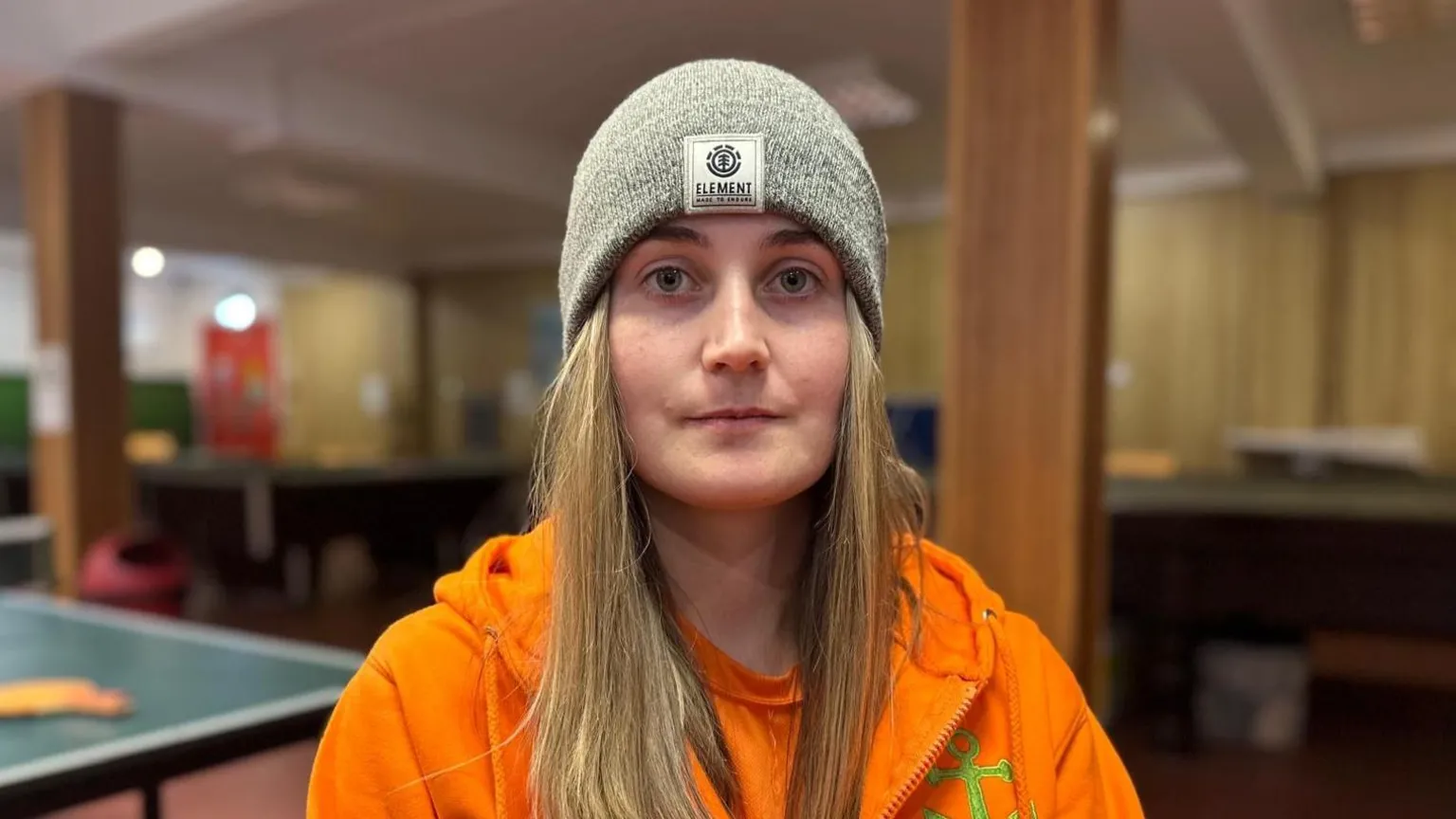
"I think being in the police really opened my eyes to what was going on. I knew things were happening such as exploitation, but I didn't realise it was happening to the extent it is. And I felt, as a police officer, although you've got the powers and arrests and taking away liberty, you don't have the power to help. Obviously, we can phone parents, phone social work, put in referrals, raise concerns... But that's all you can do. I felt really powerless in that, to be honest."
Police Crackdown and Safeguarding Efforts
In March, BBC Scotland News reported on Operation Silentridge, a month-long police operation targeting county lines gangs controlling drug sales in Inverness. Officers were filmed raiding properties, some barricaded to prevent entry by rival gangs and law enforcement.
The operation safeguarded 38 vulnerable individuals, including nine children. Four people were referred to the Home Office as potential victims of human trafficking and modern slavery.
Lesley Gordon of Action for Children described the involvement of young people in crime as "child abuse."
Assistant Chief Constable Stuart Houston, head of organised crime and counter terrorism, stated:
"Organised criminals don't care about the people they harm, they only care about power and money. This is simply not welcome or tolerated in Scotland."


